
Colorado is world-renowned for its pristine powder and breathtaking Rocky Mountains, drawing millions of ski and snowboard enthusiasts each winter. However, for those planning a trip, one of the most pressing questions often revolves around the precise timing of the season. While the image of endless winter might persist, the skiing season in Colorado is a dynamic entity, influenced by a blend of geography, weather patterns, and individual resort decisions. Understanding these nuances is key to planning the perfect high-altitude adventure.
The Typical Colorado Ski Season Overview
Generally, the ski season in Colorado commences around mid-November, with some resorts opening earlier if early snowfall permits. The heart of the season typically runs from December through March, offering the most consistent snow conditions and coldest temperatures. As spring approaches, usually by mid-March, a shift begins. While many resorts start to wind down operations, others, particularly those at higher elevations or with dedicated snowmaking capabilities, extend their seasons well into April and even beyond.

Factors Influencing Season Length
Several critical factors determine how long a ski resort in Colorado can operate:
- Elevation: This is arguably the most significant factor. Resorts situated at higher altitudes naturally retain snow longer due to colder temperatures and typically receive more snowfall. Resorts like Arapahoe Basin Ski Area (often called A-Basin) and Loveland Ski Area, known for their lofty perches, are almost always among the last to close.
- Snowfall Totals: The sheer volume of snow a resort receives during the winter dictates its ability to maintain a full base depth into the spring. A banner snow year can see resorts extend their seasons, while a lean year might lead to earlier closures.
- Snowmaking Capabilities: While natural snow is always preferred, resorts with extensive snowmaking systems can augment their base, ensuring coverage even during periods of lighter natural snowfall, thereby helping to extend their seasons.
- Aspect and Terrain: North-facing slopes generally hold snow better and longer as they receive less direct sunlight. Resorts with a significant amount of north-facing terrain often have an advantage in extending their season.
- Resort Management and Visitor Demand: Ultimately, the decision to close is a business one. Resorts evaluate visitor numbers, operational costs, and the quality of the remaining snow. Some resorts prioritize a consistent closing date each year, while others remain flexible based on conditions and demand.
- Spring Weather Patterns: Warm temperatures and strong sun in March and April can rapidly melt snow, even at high elevations. Conversely, late-season snowstorms can offer a refreshing boost, allowing resorts to push their closing dates further.
Major Resorts and Their Closing Dates
While specific dates can fluctuate annually, there’s a general pattern to when Colorado’s prominent ski resorts typically end their seasons. It’s always advisable to check the official resort websites for the most up-to-date information as your travel date approaches.
Early April Closures
Many of Colorado’s beloved resorts often wrap up their operations by the first or second week of April. These resorts typically offer fantastic conditions throughout the main winter months, but their lower elevations or operational models lead to earlier closures.
- Beaver Creek: Often closes around the first week of April. Known for its meticulously groomed runs and luxury amenities, it provides an exceptional experience through its season.
- Keystone: Typically aiming for an early April close, Keystone is a family-friendly favorite that offers extensive terrain until its final day.
- Granby Ranch: A smaller, often more intimate experience, Granby Ranch generally closes around the first full weekend of April.
- Wolf Creek Ski Area: Famed for receiving the most natural snow in Colorado, Wolf Creek Ski Area often closes in early April, even with its abundant snowfall, due to its southern Colorado location.
Mid-April to Late April Closures
The majority of Colorado’s larger, more famous resorts tend to extend their seasons through most of April, capitalizing on spring break crowds and often excellent spring skiing conditions.
- Vail: As one of North America’s largest ski resorts, Vail typically aims for a mid-April closure, often the second or third week. Its vast terrain, especially the legendary Back Bowls, offers incredible spring skiing.
- Aspen Snowmass: The four mountains of Aspen Snowmass (Snowmass, Aspen Mountain, Aspen Highlands, and Buttermilk) often have staggered closing dates, with Buttermilk closing earliest and Snowmass and Aspen Highlands extending into mid to late April.
- Breckenridge: With its high elevation and extensive terrain, Breckenridge consistently remains open until late April, making it a strong contender for those seeking spring turns.
- Winter Park: Located relatively close to Denver, Winter Park also frequently pushes its closing date into the third or fourth week of April, offering convenient late-season access.
- Copper Mountain: Known for its naturally divided terrain, Copper Mountain often closes around mid to late April, providing excellent opportunities for varied spring skiing.
- Steamboat: While known for its “Champagne Powder,” Steamboat typically closes by mid-April, often concluding with a lively spring festival.
- Telluride: This iconic resort in southwestern Colorado usually sees its season end in early to mid-April, offering a stunning backdrop for its final weeks.
- Crested Butte: Famous for its extreme terrain and charming town, Crested Butte also typically closes its lifts in the second week of April.
- Monarch Mountain: Known for its all-natural snow, Monarch Mountain usually maintains its operations until mid-April.
- Eldora Mountain Resort: Easily accessible from Boulder, Eldora Mountain Resort also typically closes in mid-April.
- Powderhorn Mountain Resort: Located on the Grand Mesa, Powderhorn Mountain Resort often concludes its season in early to mid-April.
- Sunlight Mountain Resort: Another gem in western Colorado, Sunlight Mountain Resort typically closes in the second week of April.
- Purgatory Resort: Near Durango, Purgatory Resort also sees its season ending in mid-April.
The Die-Hards: Resorts Open Until May (or Later)
For true spring skiing fanatics, two resorts consistently stand out for their exceptionally long seasons:
- Loveland Ski Area: Perched high on the Continental Divide, Loveland Ski Area is renowned for its consistent snowfall and high elevation. It frequently stays open until early May, offering some of the latest lift-served skiing in the state.
- Arapahoe Basin Ski Area: The undisputed king of long seasons, Arapahoe Basin Ski Area often extends its operations well into June, and on rare occasions, even into July. Its extreme elevation, natural snow accumulation, and north-facing terrain make it ideal for prolonged spring and early summer skiing. Its legendary “Beach” parking lot parties are a highlight of the late-season experience.
- Silverton Mountain: While unique for its unguided/guided heli-skiing and limited operations, Silverton Mountain often runs into late March or early April for its main season, but also offers special spring guided trips later.
Advantages of Late-Season Skiing
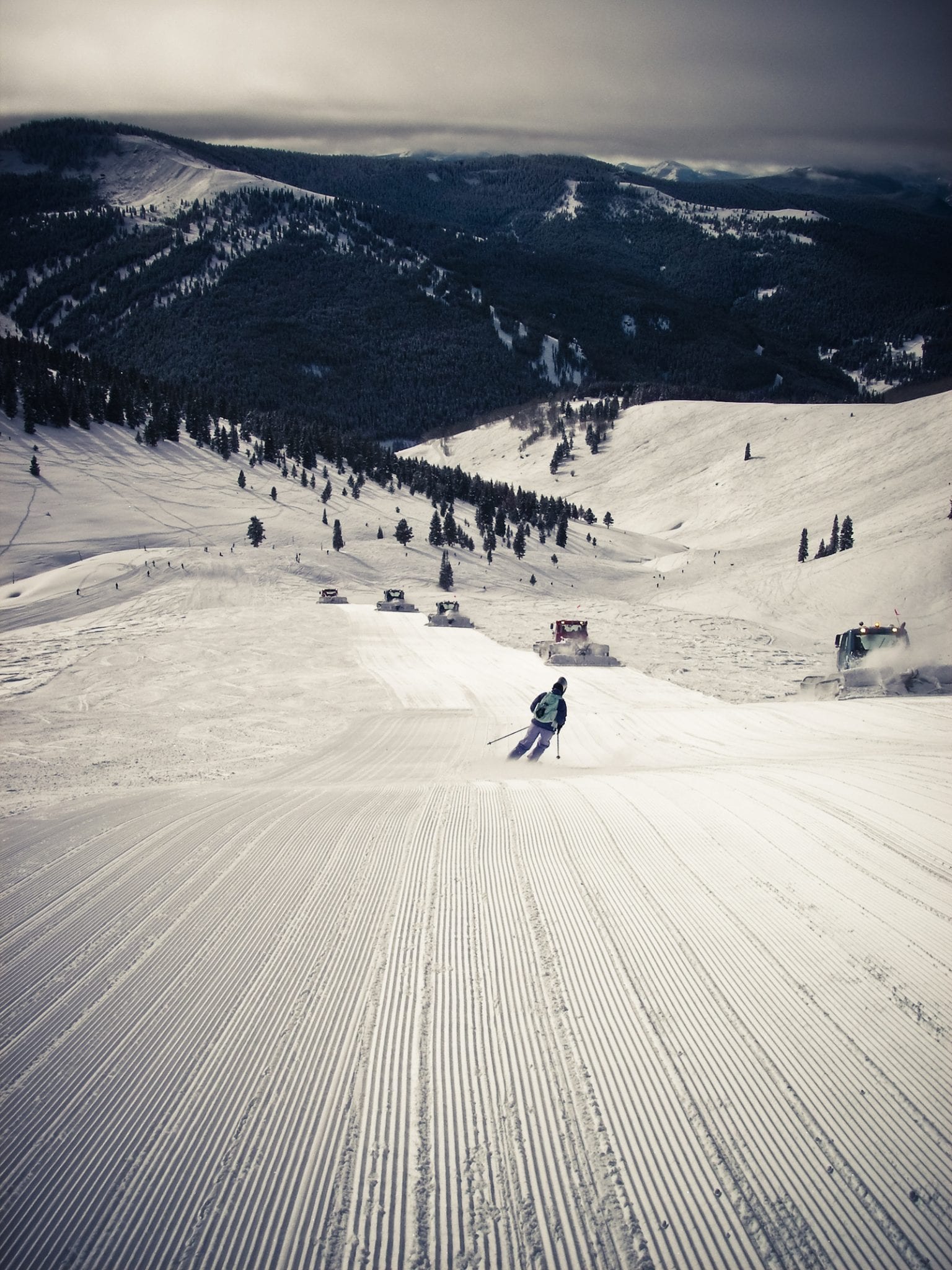
Don’t dismiss spring skiing in Colorado as merely an afterthought. It offers a unique and often highly enjoyable experience distinct from the peak winter months.
Spring Skiing Conditions
The term “corn snow” is often used to describe the ideal spring conditions: a cycle of freezing overnight and softening beautifully during the day. This creates a forgiving, surfy snow texture that many skiers adore. The weather is generally milder, with more sunshine, making for comfortable days on the slopes. While slushier conditions can occur later in the day, especially at lower elevations, the mornings often present perfectly carved turns.
Fewer Crowds and Better Deals
As the peak season winds down, so do the crowds. Weekday skiing in late March and April can be blissfully uncrowded, allowing for more laps and shorter lift lines. Furthermore, many resorts and lodging providers offer discounted rates on lift tickets, rentals, and accommodation as demand lessens, making it a more budget-friendly option for travelers.
Unique Events and Atmosphere
Spring in Colorado ski country is synonymous with lively events, pond skimming competitions, outdoor concerts, and sunny patio après-ski. The atmosphere shifts from intense powder chasing to a more relaxed, celebratory vibe, with skiers often donning fun costumes and enjoying the longer daylight hours. The “Beach” at A-Basin is a prime example of this unique culture.
Tips for Planning Your Late-Season Colorado Ski Trip
To make the most of your late-season Colorado ski adventure, consider these practical tips:
Monitor Snow Reports and Forecasts
While specific closing dates are announced months in advance, actual snow conditions can vary. Keep a close eye on resort snow reports, webcams, and weather forecasts in the weeks leading up to your trip. This will help you choose the best days and the best resort for your desired experience. Websites like OnTheSnow or individual resort sites provide real-time data.
Check Resort-Specific Information
Before booking your travel, always confirm the operating hours, open terrain, and specific closing date directly with your chosen resort. Some resorts might close certain lifts or areas earlier than others, even if the resort itself is still open.
Pack Appropriately for Variable Weather
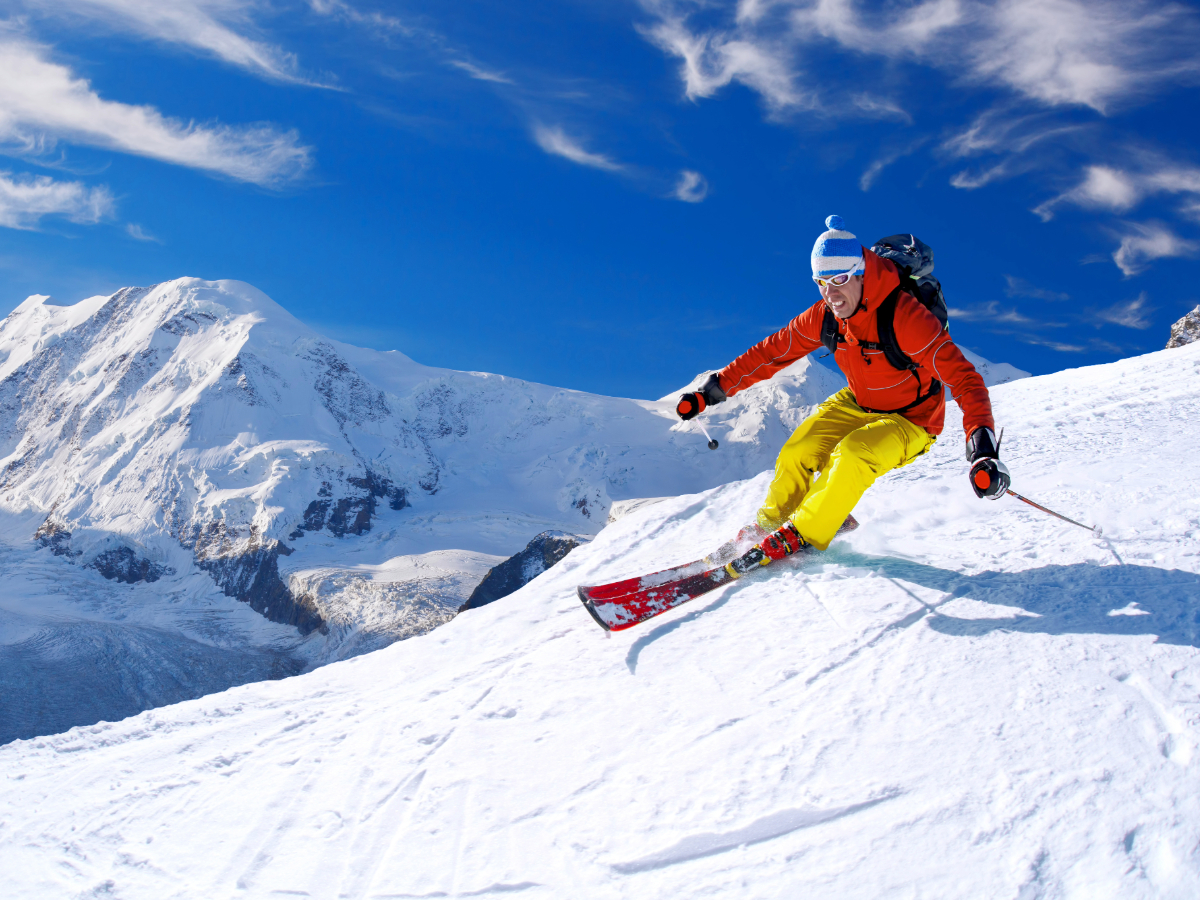
Spring weather in the Rocky Mountains can be highly unpredictable. While you might experience warm, sunny days perfect for t-shirt skiing, sudden snow showers or cold fronts are not uncommon. Layering is crucial. Pack waterproof outer layers, sunglasses, sunscreen, and consider bringing lighter base layers alongside your standard cold-weather gear.
Consider Your Skill Level
Late-season conditions can sometimes be more challenging, especially as temperatures fluctuate. Icy patches in the morning giving way to heavy, slushy snow in the afternoon can be tricky. While beginners can still enjoy gentler, groomed slopes, intermediate and advanced skiers will likely get the most out of the variable spring conditions. Resorts with higher elevations tend to maintain better snow quality later into the season.
In conclusion, while the core of the Colorado ski season typically winds down by mid-April, exceptional opportunities for spring skiing extend well into May, and even June, at select high-altitude resorts. By understanding the factors influencing season length and keeping an eye on current conditions, travelers can perfectly time their visit to enjoy the unique charm and fantastic value of late-season skiing in the Centennial State.
LifeOutOfTheBox is a participant in the Amazon Services LLC Associates Program, an affiliate advertising program designed to provide a means for sites to earn advertising fees by advertising and linking to Amazon.com. Amazon, the Amazon logo, AmazonSupply, and the AmazonSupply logo are trademarks of Amazon.com, Inc. or its affiliates. As an Amazon Associate we earn affiliate commissions from qualifying purchases.