
Snowboarding in Colorado is an iconic experience, drawing enthusiasts from across the globe to its legendary slopes and abundant powder. For anyone planning a trip, understanding the nuances of the snowboarding season is paramount to ensuring an unforgettable adventure. The state’s unique geography, characterized by the majestic Rocky Mountains, creates a varied climate that influences when and where the best snow can be found. While the official season generally spans from early November to late April, specific conditions and experiences vary significantly throughout this window, offering distinct advantages and challenges depending on your preferences.
Understanding Colorado’s Prime Snowboarding Window
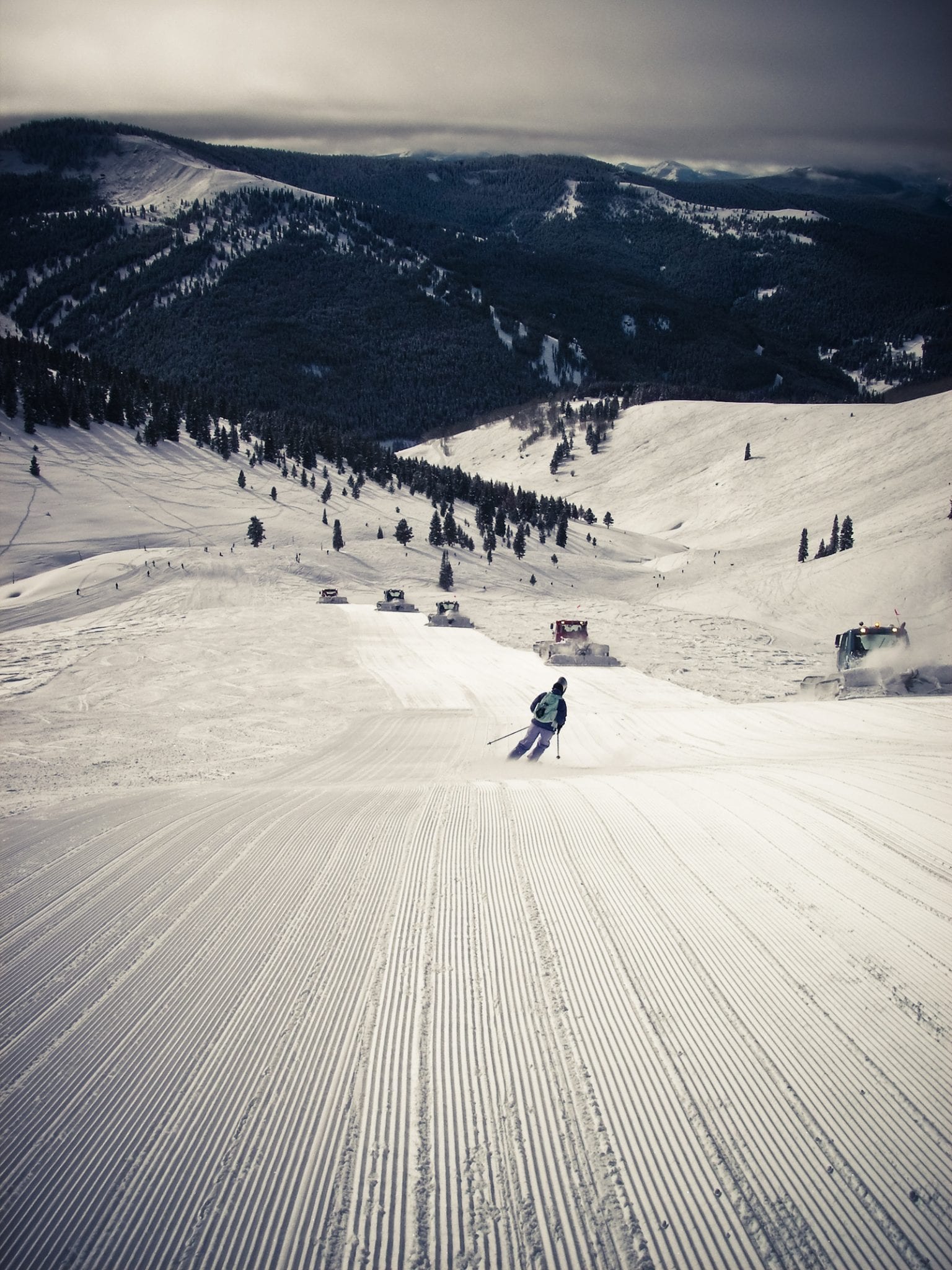
The snowboarding season in Colorado isn’t a monolithic block but rather a dynamic period influenced by altitude, snowfall patterns, and resort operations. Generally, the season kicks off in early to mid-November and can extend well into May, with some high-altitude resorts pushing into June. The “prime” window, however, typically runs from mid-December through March, when snow depths are at their peak, and consistent conditions prevail across most major destinations.
The earliest openings often belong to resorts at higher elevations or those with extensive snowmaking capabilities, eager to capture early-season enthusiasm. As winter progresses, the base depth builds, and more challenging terrain becomes accessible. Peak season brings the most reliable snow, full resort services, and vibrant atmospheres, though often accompanied by larger crowds and higher prices. Spring riding offers a different, often sunnier, experience with softer snow and a festive ambiance. Understanding these phases allows travelers to align their visit with their desired snowboarding experience, whether it’s seeking fresh powder, enjoying sunny park laps, or finding quieter slopes.
Early Season Excitement: November to Mid-December
The first flakes of the season bring an undeniable buzz, signaling the start of snowboarding in Colorado. Early season typically runs from early November through mid-December, a period characterized by variable conditions but also unique opportunities for dedicated riders.
First Chair Fanatics and Opening Day Thrills
Resorts like Arapahoe Basin and Loveland Ski Area are renowned for their early openings, often competing to be the first in North America. Their high elevations and commitment to snowmaking allow them to open limited terrain, usually just a few runs, as early as October, but more reliably in early November. This period is a pilgrimage for “first chair” fanatics eager to make their first turns of the winter.
What to Expect: Variable Snow and Limited Terrain
During the early season, natural snowfall can be unpredictable. Resorts rely heavily on snowmaking to build a base, meaning conditions might range from groomed corduroy to patchy snow, especially on non-snowmaking trails. Not all lifts or parts of the mountain will be open, and the variety of terrain will be limited. Off-piste riding is generally discouraged due to hazards hidden beneath shallow snow, such as rocks and stumps. Despite this, the open terrain is often well-maintained, providing a decent surface for carving and getting your legs back into shape.
Advantages and Disadvantages
The primary advantage of early-season snowboarding is significantly smaller crowds. Lift lines are minimal, and you can enjoy more space on the slopes. Accommodation and lift ticket prices tend to be lower before the holiday rush, offering good value for budget-conscious travelers. However, the trade-off is the variability in conditions and limited terrain. If you’re a beginner, this might be a good time to visit as slopes are less crowded, but advanced riders might find the limited options somewhat restrictive. Flexibility is key, as conditions can change rapidly with new snowstorms.
Peak Season Perfection: Mid-December to March
This is the golden window for snowboarding in Colorado – the period when the state truly lives up to its reputation for world-class winter sports. From mid-December through March, conditions are typically at their absolute best, offering consistent snowfall, deep bases, and vast open terrain.
The Heart of Winter: Consistent Snow and Full Access
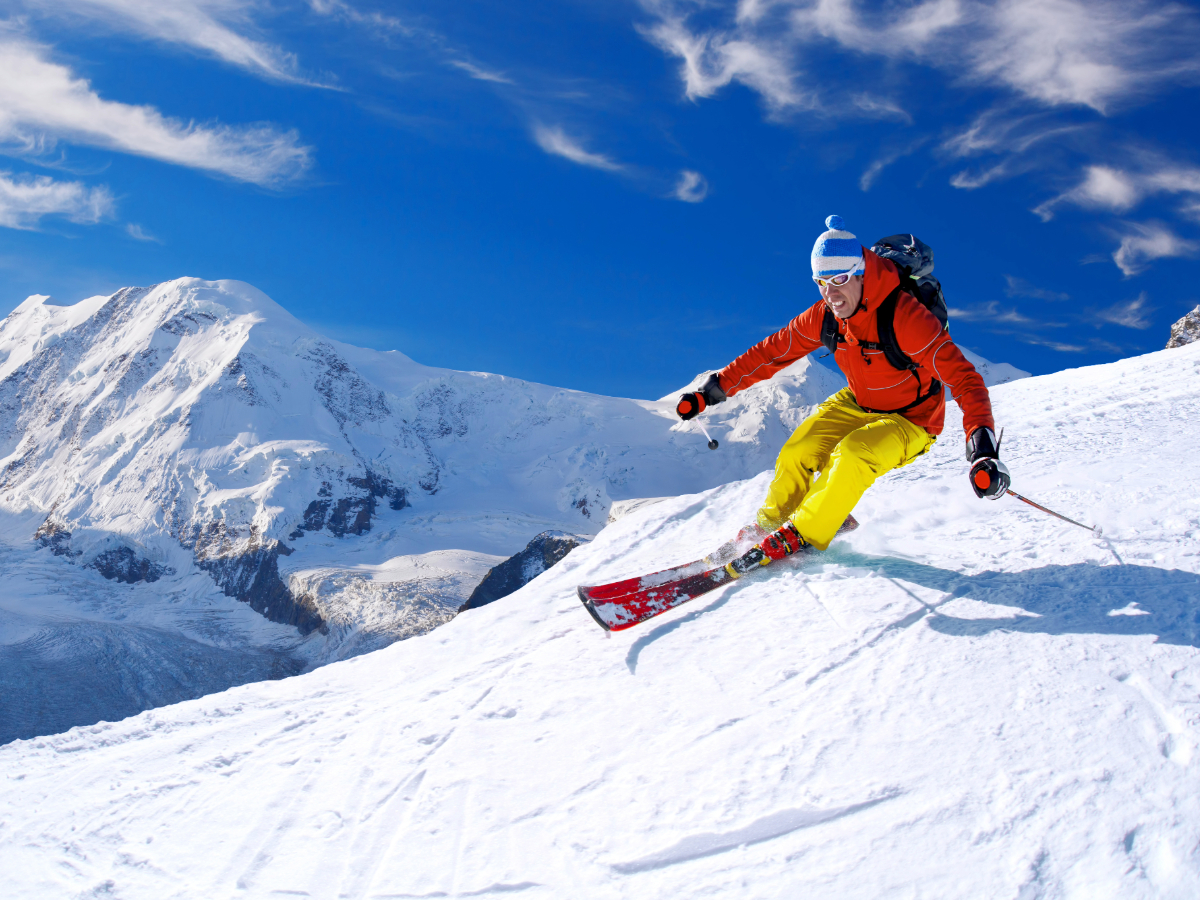
By mid-December, most Colorado resorts are fully operational, with almost all lifts spinning and the majority of their terrain open. Natural snowfall becomes more consistent and substantial, complementing the snowmaking efforts of the early season to create a deep, reliable base. January and February are often the snowiest months, bringing regular powder days that are the dream of every snowboarder. The quality of the snow is generally excellent – cold, dry Colorado powder that is light and fluffy, perfect for floating through glades and carving groomed runs.
Major Resorts in Full Swing
During peak season, Colorado’s renowned resorts shine brightest. Vail offers its legendary Back Bowls, Breckenridge boasts its extensive terrain parks and high-alpine bowls, and Aspen Snowmass provides a luxurious experience with diverse mountains. Steamboat Springs is famous for its “Champagne Powder,” while Winter Park Resort and Copper Mountain offer vast, varied terrain catering to all skill levels. Telluride, nestled in a box canyon, provides breathtaking scenery alongside challenging runs. Each resort offers a unique character, but all are united by exceptional conditions during this prime period.
Bustling Atmosphere and Higher Prices
The peak season also brings a bustling, festive atmosphere. Holiday periods, such as Christmas, New Year’s, and Presidents’ Day weekend, see the highest visitor numbers, transforming resort towns into vibrant hubs of activity. While this adds to the lively experience, it also means longer lift lines, crowded slopes, and significantly higher prices for lodging, lift tickets, and flights. Booking well in advance is crucial for travel during these popular times. Despite the crowds, the sheer quality and quantity of snow make peak season an unbeatable time for serious riders and families looking for the quintessential Colorado snowboarding experience.
Spring Riding & Closing Weeks: April to Early June
As winter loosens its grip, Colorado’s snowboarding season transitions into a delightful spring period, typically from April into May, with some resorts extending into June. This phase offers a distinctly different, yet equally enjoyable, experience.
Warm Temperatures, Corn Snow, and Sunshine
Spring riding is characterized by warmer temperatures, abundant sunshine, and longer daylight hours. The intense cold of mid-winter gives way to pleasant, often t-shirt-weather conditions, especially in the afternoons. Snow conditions transform too; the freeze-thaw cycle creates what’s known as “corn snow” – soft, granular, and incredibly fun to ride once it softens up in the sun. Mornings might be firm or icy due to overnight refreezing, but by late morning, the snow softens to a forgiving, playful texture.
Resorts Known for Extended Seasons
While many resorts begin to close their operations by mid-April, several Colorado gems are known for their extended spring seasons. Arapahoe Basin, with its high elevation and north-facing slopes, is legendary for staying open well into May and sometimes even early June, offering unique “beach party” vibes at its base area. Loveland Ski Area also typically offers a longer season. These resorts provide the last chance to get turns in, often hosting lively closing day celebrations.
Advantages and Disadvantages
Spring snowboarding offers numerous advantages. The warmer weather makes for comfortable riding, often allowing for lighter clothing. The softer snow is forgiving, making it excellent for learning new tricks in the terrain park or simply cruising. Lift ticket and lodging prices often drop significantly from peak season rates, offering great value. The atmosphere is relaxed and celebratory, with many resorts hosting live music and outdoor events. The main disadvantage is the potential for slushy conditions at lower elevations as the day progresses, and diminishing terrain as snow melts. Mornings can also be firm, requiring patience for the snow to soften. Despite this, the combination of sunshine, soft snow, and a laid-back vibe makes spring riding a favorite for many.
Choosing Your Ideal Snowboarding Destination in Colorado
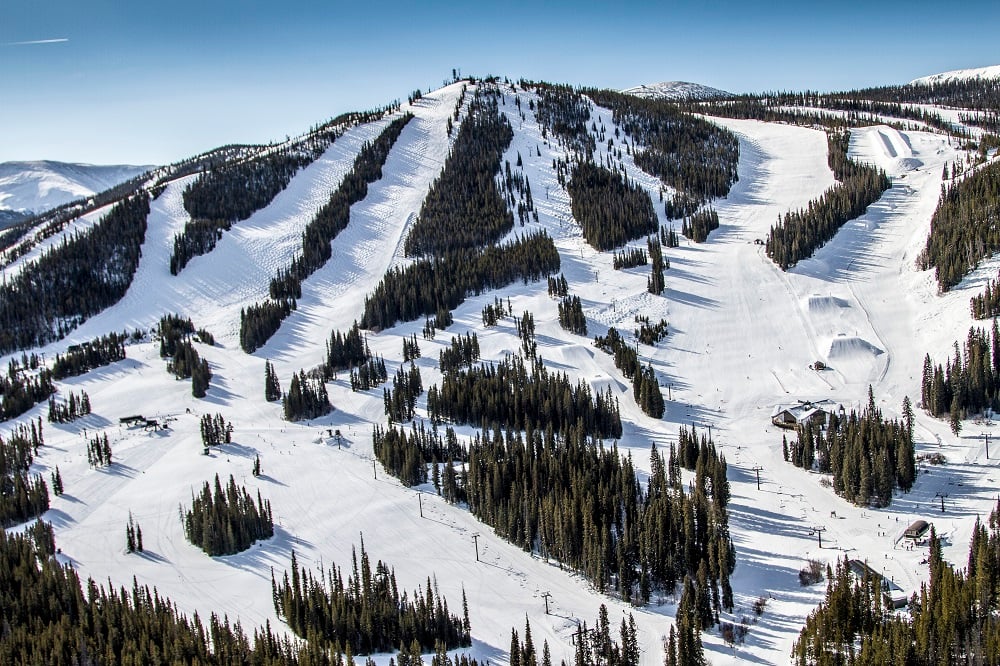
Selecting the right resort for your Colorado snowboarding trip is crucial to maximizing your experience, as each destination offers a unique blend of terrain, atmosphere, and amenities. Considerations should include your skill level, budget, and desired off-slope activities.
For families or those new to snowboarding, resorts like Keystone Resort offer extensive beginner terrain, excellent ski schools, and a family-friendly village atmosphere. Winter Park Resort also boasts a great reputation for diverse terrain that caters to all abilities, including its famous “Mary Jane” side for advanced riders.
Intermediate and advanced riders seeking expansive terrain and challenging runs might gravitate towards Vail for its vast Back Bowls, Breckenridge for its high-alpine bowls and extensive terrain parks, or Copper Mountain, known for its naturally divided terrain that separates different skill levels. For those looking for world-class expert terrain and a touch of luxury, Telluride and Aspen Snowmass deliver an unparalleled experience with stunning scenery and upscale amenities.
Budget is another significant factor. While destinations like Aspen Snowmass and Vail are renowned for their luxury, more budget-friendly options can be found. Smaller, independently owned resorts like Loveland Ski Area or Arapahoe Basin often offer more affordable lift tickets, especially outside of peak holidays. Proximity to Denver can also influence travel costs and time, with resorts along the I-70 corridor being more accessible for shorter trips.
Ultimately, Colorado offers a snowboarding season rich in diversity, from the thrilling early-season openings to the celebratory spring turns. By aligning your travel dates with the unique characteristics of each part of the season and choosing a resort that matches your preferences, you’re set to experience the very best of what this premier snowboarding destination has to offer.
LifeOutOfTheBox is a participant in the Amazon Services LLC Associates Program, an affiliate advertising program designed to provide a means for sites to earn advertising fees by advertising and linking to Amazon.com. Amazon, the Amazon logo, AmazonSupply, and the AmazonSupply logo are trademarks of Amazon.com, Inc. or its affiliates. As an Amazon Associate we earn affiliate commissions from qualifying purchases.