
The vibrant landscapes and sprawling highways of Texas offer a picturesque backdrop for any road trip. As travelers explore the Lone Star State, from the bustling streets of Dallas to the historic charm of San Antonio, many consider personalizing their vehicles to stand out. Among the most popular aesthetic modifications are underglow lighting systems. These colorful lights, illuminating the underside of a vehicle, can add a unique flair. However, before embarking on a journey through Texas with your underglow kit installed, it’s crucial to understand the legalities surrounding its use. The question of “Is underglow legal in Texas?” is not a simple yes or no, but rather a nuanced exploration of state statutes and local ordinances that govern vehicle lighting.
Understanding Texas Vehicle Lighting Regulations
The legal framework governing vehicle lighting in Texas is primarily established by the Texas Transportation Code. These statutes aim to ensure road safety by dictating what types of lights are permissible, their colors, and their placement. The intent behind these regulations is to prevent any lighting modifications that could be distracting, confusing, or misleading to other drivers, thereby compromising the safety of all road users.
State Statutes and General Prohibitions
Texas law, specifically within the Transportation Code, generally prohibits the use of any lighting device that projects a beam of light of an intensity or in a manner that causes an unreasonable or unsafe glare. This broad statement forms the foundation for understanding the legality of underglow. While the code doesn’t explicitly mention “underglow” by name, it outlines requirements for vehicle lighting that indirectly address such modifications.
One key section of the Texas Transportation Code, often referenced in discussions about vehicle modifications, pertains to auxiliary lighting. While many forms of auxiliary lighting are permitted for specific purposes (like fog lights or work lights), the law is strict about the colors and visibility of lights that are not standard for vehicle operation. The primary concern with underglow is its potential to be perceived as emergency vehicle lighting or to create a distracting visual element.
Specific Provisions Relevant to Underglow
While there isn’t a direct statute stating “underglow is illegal in Texas,” the existing laws provide the framework for its regulation. The critical aspect is how underglow lights function and appear. The law generally permits lights that are red, blue, or amber for specific, authorized uses, such as law enforcement or emergency vehicles. The concern arises when underglow lights display these colors, as it could lead to confusion and potentially endanger the public by mimicking official vehicles.
Furthermore, Texas law emphasizes that vehicle lighting should not be excessively bright or distracting. Underglow systems, especially those with high intensity or rapidly changing colors, could fall under this category, potentially impairing the vision of other drivers or creating an unsafe visual environment. The focus is always on maintaining a clear and unobstructed view of the road and ensuring that all vehicle lights serve a functional purpose related to safe operation, visibility, and signaling.
The Nuances of Underglow Legality in Texas
The legality of underglow in Texas often hinges on several factors, including the color of the lights, their intensity, and whether they can be seen from certain angles or if they mimic official vehicle lights. Understanding these nuances is key for any vehicle owner considering this modification.
Color Restrictions
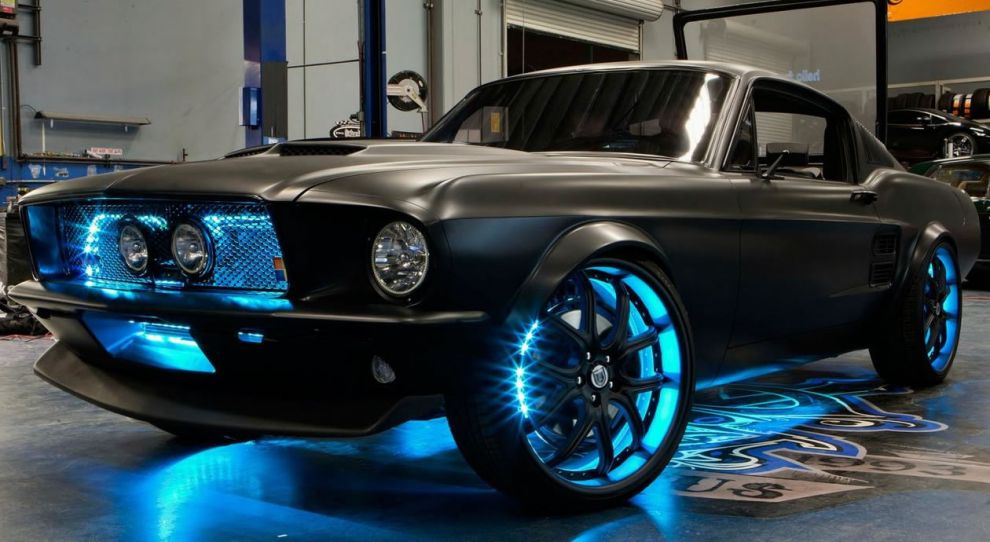
Color is perhaps the most significant factor in determining the legality of underglow in Texas. Texas law is particularly strict regarding red and blue lights. These colors are reserved for authorized emergency vehicles, such as police cars and ambulances, and their use on non-emergency vehicles is generally prohibited. Therefore, underglow systems that emit red or blue light are highly likely to be deemed illegal and could result in citations.
The reasoning behind this restriction is straightforward: to prevent confusion on the road. If a civilian vehicle displays red and blue flashing lights, it can mislead other drivers into thinking it’s an emergency vehicle, potentially causing dangerous reactions. This can include drivers pulling over unnecessarily, yielding the right-of-way inappropriately, or even causing panic.
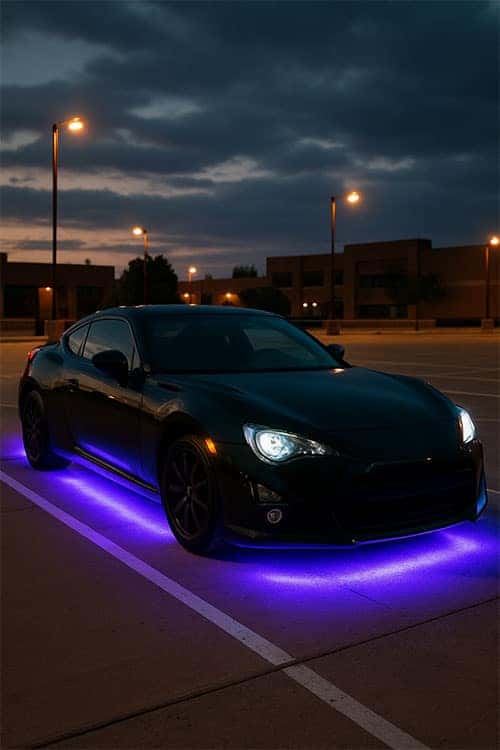
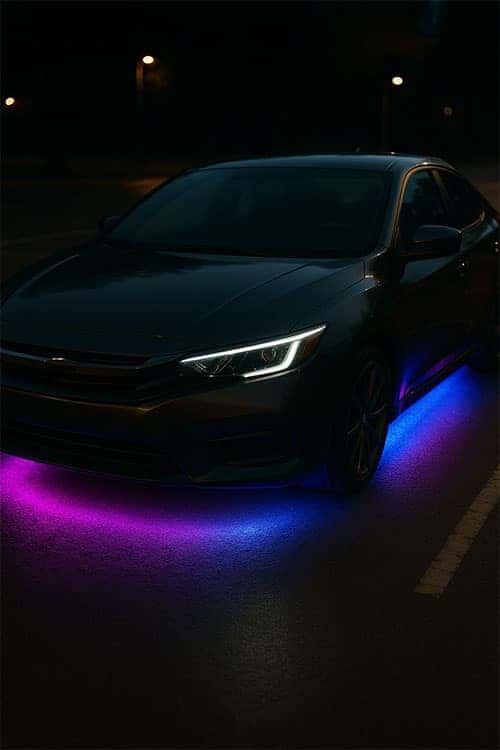
Beyond red and blue, other colors like green or purple are also often viewed with caution. While not explicitly banned in the same way as red and blue, their legality can be subject to interpretation by law enforcement, especially if they are perceived as distracting or unusually bright.
Intensity and Visibility
The intensity and visibility of underglow lights are also critical considerations. Texas statutes aim to prevent any lighting that causes an “unreasonable or unsafe glare.” This means that underglow systems that are excessively bright, particularly when viewed from the front or rear of the vehicle, could be deemed illegal. The glare can be distracting to oncoming traffic or drivers in adjacent lanes.
The law also addresses lights that project forward. While underglow is mounted underneath, some systems might project light forward or rearward, which could be construed as a violation if it impairs visibility or creates a hazard. The primary focus remains on ensuring that no unauthorized light interferes with the safe operation of the vehicle or the safety of others on the road.
Stationary vs. Flashing Lights
Another important distinction is whether the underglow lights are stationary or flashing. While flashing lights, especially those mimicking emergency vehicles, are almost certainly illegal, the legality of stationary underglow can be more complex. Even stationary lights, if they are of an inappropriate color or excessively bright, can still violate Texas law.
However, it is generally understood that underglow systems that emit a single, consistent color (other than red or blue) and are not excessively bright may be permissible, provided they do not create a distracting glare. The intent of the law is to regulate lights that pose a safety risk, and a subtle, stationary underglow in a permitted color is less likely to be seen as such a risk compared to flashing red and blue lights.
Enforcement and Potential Penalties in Texas
Understanding the law is one thing; knowing how it’s enforced and what the consequences might be is another. Law enforcement officers in Texas are tasked with upholding traffic safety laws, and this includes scrutinizing non-standard vehicle lighting.
Law Enforcement Discretion
The enforcement of vehicle lighting laws, including those pertaining to underglow, often involves a degree of discretion by law enforcement officers. An officer may issue a warning, a “fix-it ticket,” or a citation depending on the severity of the violation and their interpretation of the law in a given situation.
A “fix-it ticket,” also known as a correction notice, typically requires the vehicle owner to rectify the lighting issue within a specified timeframe and present proof of compliance to avoid fines. More serious violations, such as the use of red or blue flashing underglow, are more likely to result in a direct citation with associated fines.
Penalties for Violations
Penalties for violating Texas vehicle lighting laws can vary. Fines are the most common consequence, with the amount often depending on the specific statute violated and the discretion of the court. In some cases, repeated or egregious violations could lead to more severe consequences, though this is less common for underglow modifications unless they are particularly hazardous or disruptive.
The primary goal of enforcement is safety. Therefore, if an underglow system is deemed to be a genuine safety hazard—by causing glare, confusion, or mimicking emergency lights—officers are likely to take action to ensure the vehicle is brought into compliance with state regulations.
Navigating Underglow Legality for Texas Travelers
For travelers planning a visit to or driving through Texas, understanding the specific regulations surrounding vehicle modifications is essential for a smooth and lawful journey. While the allure of personalized vehicle aesthetics is strong, compliance with state laws is paramount.
Recommendations for Underglow Installation
If you are considering installing underglow on your vehicle for travel in Texas, it is strongly advised to opt for systems that adhere to the state’s regulations. This generally means:
- Avoid Red and Blue Lights: Absolutely refrain from using underglow systems that emit red or blue light, especially in a flashing pattern.
- Choose Subtle Colors: Stick to colors that are not typically associated with emergency vehicles, such as white, yellow, or softer hues.
- Ensure Static Illumination: Opt for systems that provide a steady, non-flashing illumination.
- Moderate Intensity: Select lights that are not excessively bright and do not create a noticeable glare for other drivers.
- Proper Placement: Ensure the lights are mounted to illuminate the underside of the vehicle without projecting light forward, backward, or sideways in a way that could be distracting or misleading.
It’s also prudent to research specific city or county ordinances, as some local jurisdictions might have additional regulations regarding vehicle modifications, though state law generally takes precedence.
The Role of the Aftermarket Community
The aftermarket automotive community often faces the challenge of balancing customization with legality. Many manufacturers of underglow kits are aware of varying state laws and may offer products designed to comply with the strictest regulations. When purchasing an underglow system, it’s advisable to inquire about its legality in Texas or look for products explicitly marketed as DOT-compliant or street-legal.
Ultimately, the decision to install underglow on a vehicle for use in Texas should be made with a thorough understanding of the potential legal implications. Prioritizing safety and compliance ensures that your journey through the state is not only enjoyable but also lawful, allowing you to appreciate the many attractions, from the Alamo to the unique culture of cities like Austin, without concern for traffic citations. The beauty of a Texas road trip lies in its open roads and scenic vistas, and ensuring your vehicle adheres to lighting regulations allows you to fully immerse yourself in the experience.
LifeOutOfTheBox is a participant in the Amazon Services LLC Associates Program, an affiliate advertising program designed to provide a means for sites to earn advertising fees by advertising and linking to Amazon.com. Amazon, the Amazon logo, AmazonSupply, and the AmazonSupply logo are trademarks of Amazon.com, Inc. or its affiliates. As an Amazon Associate we earn affiliate commissions from qualifying purchases.