
The Great Sand Dunes National Park and Preserve is an extraordinary natural marvel nestled in the south-central region of Colorado, serving as a captivating destination for travelers seeking adventure and unparalleled beauty. This unique geological phenomenon, comprising the tallest dunes in North America, is not merely a vast expanse of sand but a dynamic ecosystem teeming with life and offering a diverse range of recreational opportunities. Its remote yet accessible location makes it a quintessential stop for those exploring the American West.
Pinpointing the Location: A Jewel in the San Luis Valley
The Great Sand Dunes National Park and Preserve is precisely situated within the San Luis Valley, a high-altitude desert basin flanked by the majestic Sangre de Cristo Mountains to the east and the San Juan Mountains to the west. This dramatic geological setting plays a crucial role in the formation and preservation of the dunes. The park’s main entrance and visitor center are located off Highway 150, approximately 30 miles northeast of the city of Alamosa.
Geographical Coordinates and Surrounding Landscape
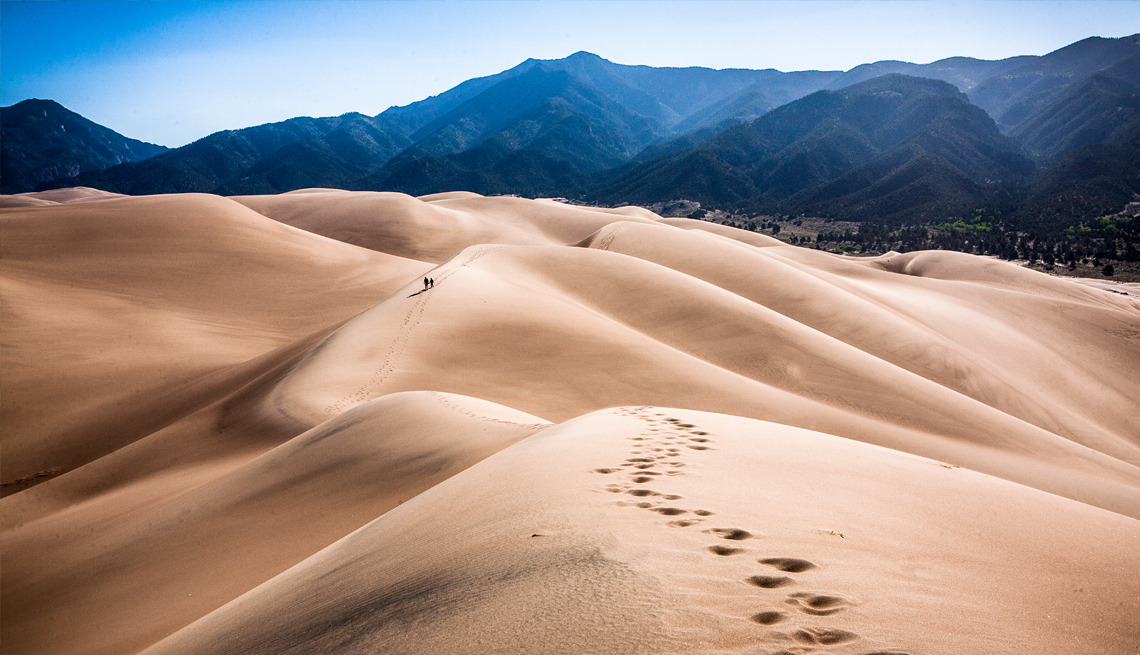
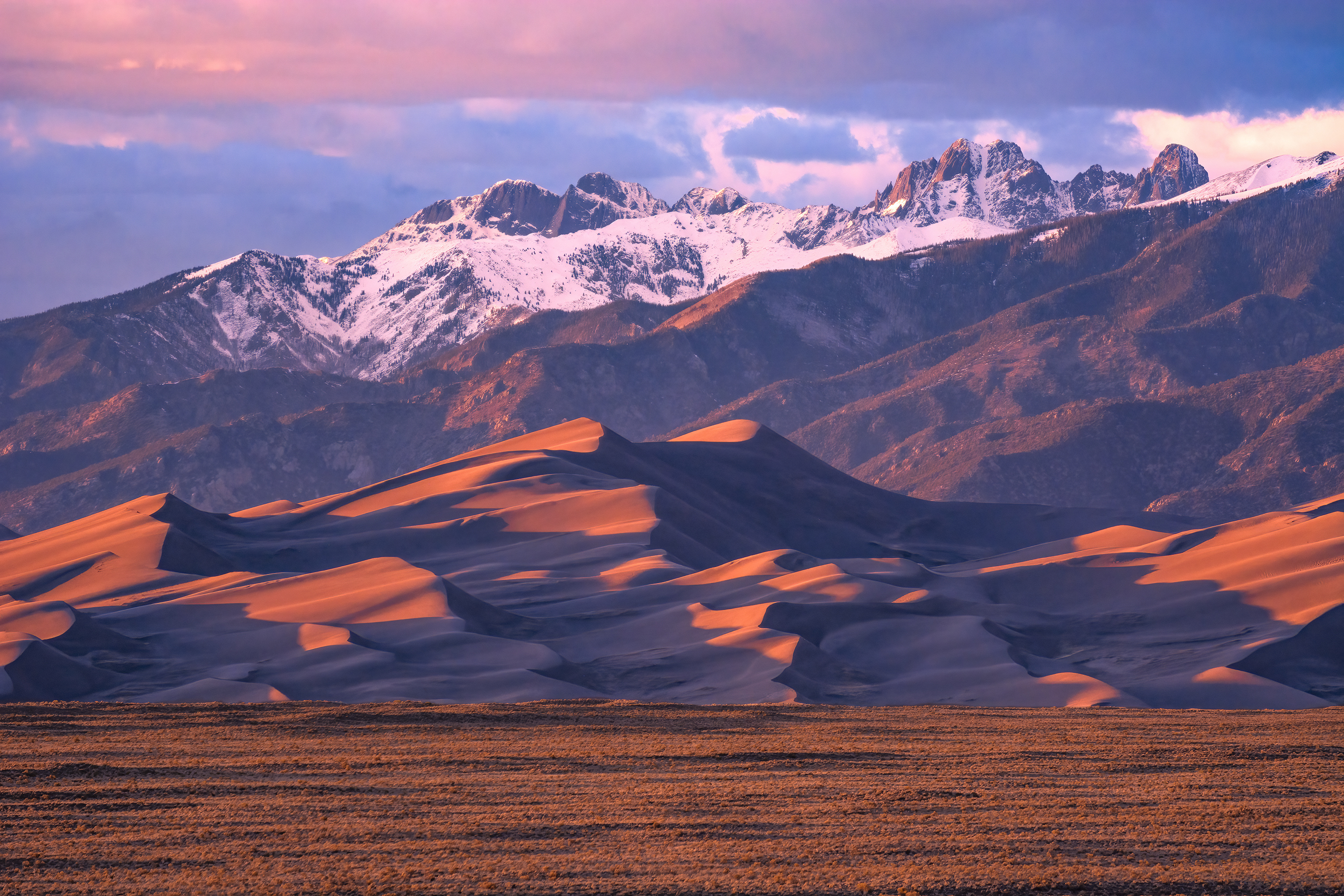
At an elevation that begins around 7,500 feet (2,286 meters) at the base of the dunes and climbs to over 13,000 feet (3,962 meters) at the summits of some of the peaks within the preserve, the park offers a striking contrast of environments. The vast expanse of sand covers about 30 square miles, with the tallest dune, known as Star Dune, towering over 750 feet (229 meters) from base to crest. The immediate landscape surrounding the dunes transitions from high desert shrubland to alpine forests and tundra at higher elevations in the Sangre de Cristo Mountains. This unique juxtaposition provides a breathtaking backdrop for all activities and offers incredible photographic opportunities, especially during sunrise and sunset when the shifting sands catch the light. The presence of snow-capped peaks in the distance, even in summer, adds to the surreal beauty of this Colorado destination.
Accessibility and Major Access Routes
Reaching the Great Sand Dunes National Park and Preserve typically involves a scenic drive through Colorado’s diverse landscapes. From Denver, the state capital, the park is roughly a 3.5 to 4-hour drive south, often via Highway US-285 S through the Rocky Mountains and the San Luis Valley. Travelers coming from Colorado Springs can expect a similar drive time, heading south on I-25 to Pueblo and then west on US-160 before connecting to Highway 150. For those traveling from the south, such as Santa Fe, New Mexico, the drive is approximately 3 hours north. While the park is relatively remote, the roads leading to it are well-maintained, making it accessible for most vehicles. However, a 4×4 vehicle is recommended if planning to explore the primitive Medano Pass Primitive Road, which offers access to additional hiking trails and backcountry camping within the preserve.
Exploring the Unique Ecosystem: More Than Just Sand
Beyond its impressive stature, the Great Sand Dunes are a living laboratory of natural forces and biodiversity, presenting an experience far richer than a typical desert landscape. The park safeguards not only the dunes themselves but also the surrounding grasslands, wetlands, forests, and alpine peaks, creating a mosaic of habitats. This intricate ecosystem is a testament to nature’s resilience and adaptability, offering visitors a chance to witness geological processes and diverse wildlife in action.
The Dynamic Dunes: Formation and Movement
The story of the Great Sand Dunes is one of wind, water, and time. For millions of years, prevailing southwesterly winds have carried sand and sediment across the San Luis Valley. When these winds encounter the formidable barrier of the Sangre de Cristo Mountains, they lose energy, depositing their sandy load at the base of the range. Rivers and streams, particularly Medano Creek and Sand Creek, play a crucial role by carrying sand from the mountains and valleys, only to have the wind pick it up again once it dries. This constant cycle of wind and water shapes the dunes, allowing them to grow vertically and creating unique features like reversing dunes and “ripple marks” that shift daily. This ongoing geological process means the dunes are never static, providing a dynamic and ever-changing landscape for explorers.
Diverse Flora and Fauna of the High Desert
Despite the seemingly harsh environment, the Great Sand Dunes support a surprising array of life, much of it specially adapted to the extreme conditions. The park is home to several endemic species, meaning they are found nowhere else on Earth. These include various insects like the Great Sand Dunes tiger beetle and various types of scorpions, often seen after dark. Beyond the sand, the riparian areas near Medano Creek and the pinon-juniper forests host larger mammals such as mule deer, elk, black bears, and even mountain lions. Birdwatchers can spot raptors, songbirds, and waterfowl, especially during migration seasons. The plant life also showcases resilience, with species like sand verbena and scurfpea stabilizing parts of the dunes. Exploring these diverse habitats offers a glimpse into how life thrives in a seemingly challenging environment, adding another layer of wonder to this travel destination.
Activities and Experiences: Making the Most of Your Visit
The Great Sand Dunes National Park and Preserve is an adventurer’s playground, offering a myriad of activities that cater to all ages and fitness levels. From thrilling descents down sandy slopes to serene nights under a blanket of stars, the park provides memorable experiences that leverage its unique landscape. Engaging with these activities allows travelers to fully immerse themselves in the wonder of Colorado’s extraordinary dunes.
Sandboarding and Sand Sledding Adventures
One of the most popular and exhilarating activities at the Great Sand Dunes is sandboarding and sand sledding. Imagine carving down a massive sand dune, feeling the rush of wind and sand, much like snowboarding or sledding on snow. Specialized equipment, including sandboards and sand sleds, is necessary for a successful and enjoyable experience, as regular snow sleds and plastic saucers often don’t glide well on sand. These can be rented from outfitters just outside the park entrance or in nearby Alamosa. The best time to engage in these activities is during the cooler parts of the day, such as early mornings or late afternoons, as the sand can become extremely hot in direct sunlight. Climbing the dunes is a workout in itself, but the thrill of sliding back down makes every step worth it.
Hiking Trails for All Skill Levels
Hiking at the Great Sand Dunes offers a variety of experiences. The most iconic hike is simply walking out onto the main dune field. There are no marked trails on the dunes themselves, allowing visitors the freedom to choose their own adventure, whether aiming for the crest of a smaller dune or attempting to conquer Star Dune. Be prepared for strenuous effort, as walking on sand is more challenging than solid ground, and remember that sand temperatures can be extreme. For those seeking traditional trails, the park offers several options in the surrounding diverse environments. The Montville Nature Trail provides an easy forested loop with views of the dunes. More challenging hikes include trails leading to Zapata Falls (just outside the park entrance), which requires navigating a stream, or the trails into the high country of the preserve, offering alpine scenery and solitude.
Stargazing and Night Sky Photography
The Great Sand Dunes National Park and Preserve boasts exceptionally dark night skies, making it an accredited International Dark Sky Park. This designation means it’s an ideal location for stargazing and astrophotography. Away from urban light pollution, visitors can witness the Milky Way stretching across the sky, identify constellations, and even spot satellites. On moonless nights, the experience of being under an expanse of countless stars, with the dark silhouettes of the dunes around you, is profoundly humbling and unforgettable. The park often hosts ranger-led night sky programs during peak seasons, providing telescopes and guidance for an enhanced viewing experience. Bringing a red-light headlamp is recommended to preserve night vision.
Medano Creek: A Seasonal Phenomenon
A truly unique and beloved aspect of the Great Sand Dunes experience is the ephemeral Medano Creek. Flowing at the base of the dunes, this creek is primarily fed by snowmelt from the Sangre de Cristo Mountains and typically surges from late April through June, varying each year based on snowpack and spring temperatures. During its peak flow, Medano Creek becomes a wide, shallow “beach” where families can splash, wade, and enjoy unique “surge flow” waves. These waves are caused by sand accumulating and then collapsing, sending mini-tsunamis across the creek bed—an extraordinary natural phenomenon found almost nowhere else. The seasonal nature of the creek makes timing your visit crucial if this experience is a priority.
Planning Your Trip: Essential Tips for Travelers
A successful and enjoyable visit to the Great Sand Dunes National Park and Preserve requires thoughtful planning and preparation. Given its remote location and unique environmental conditions, being well-informed will enhance your travel experience and ensure safety.
Best Time to Visit
The ideal time to visit the Great Sand Dunes largely depends on your desired activities.
- Spring (April to early June): Often considered the best time. Temperatures are pleasant for hiking, and Medano Creek is typically flowing, offering the surge flow phenomenon.
- Summer (June to August): Can be very hot, with sand temperatures reaching over 150°F (65°C) in the afternoon. Early mornings and evenings are best for dune activities. Thunderstorms are common in the afternoons.
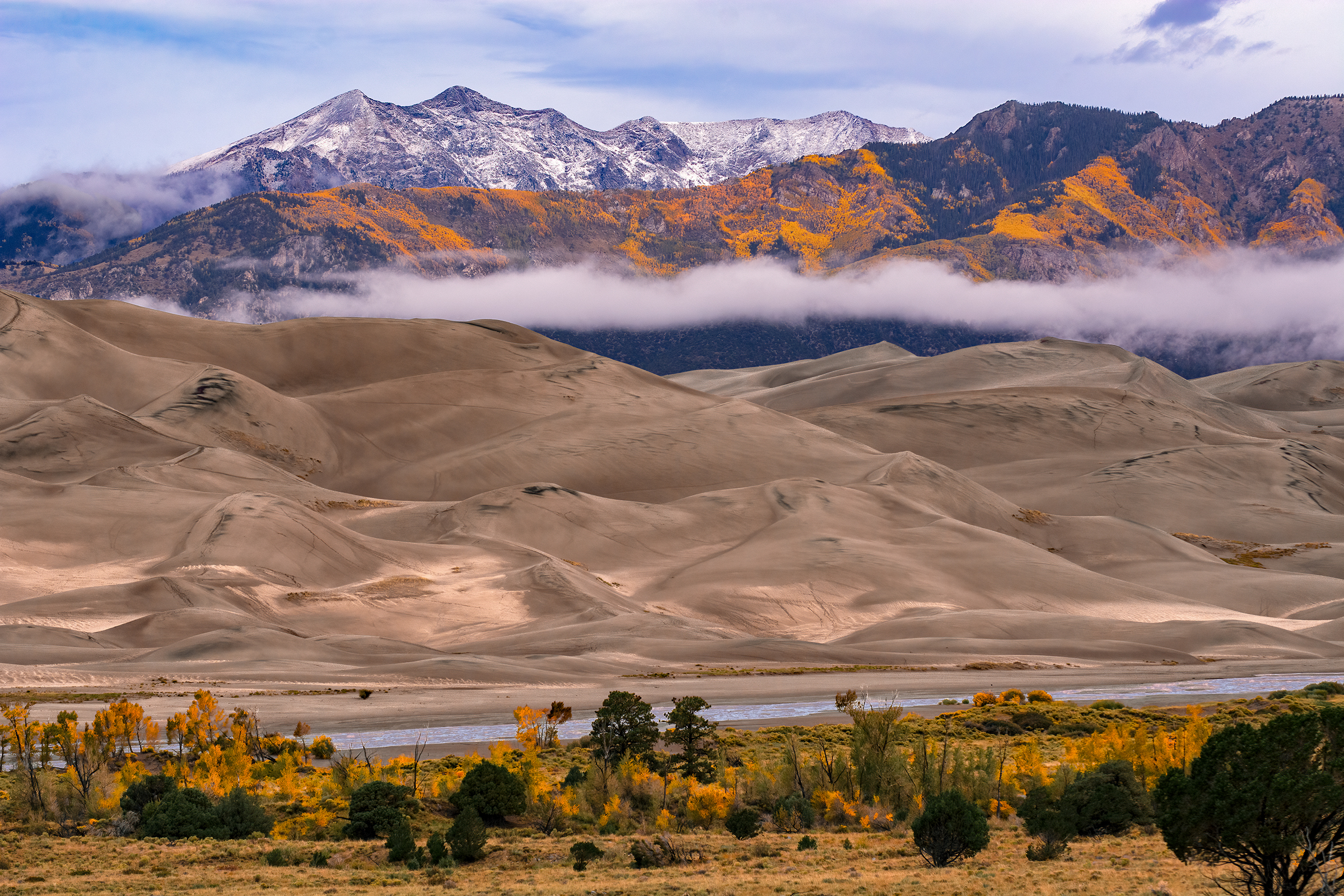
- Fall (September to October): Offers cooler temperatures, fewer crowds, and beautiful autumn colors in the surrounding mountains. Medano Creek is usually dry by this time.
- Winter (November to March): Cold, often snowy, but offers a unique, serene experience with snow-capped dunes. Requires appropriate winter gear. Crowd levels are at their lowest.
What to Pack and Prepare
Given the variable conditions and strenuous nature of some activities, packing strategically is key:
- Footwear: Closed-toe shoes are essential for hiking on the sand, even in summer when sand temperatures can be extreme. Hiking boots or sturdy sneakers are recommended.
- Water: Carry plenty of water, especially for dune hiking. There is no water on the dunes themselves.
- Sun Protection: Sunscreen, hats, and sunglasses are critical due to high altitude and reflective sand.
- Layers: Temperatures can fluctuate dramatically, so dress in layers.
- Sandboarding/Sledding Gear: Rent in advance or bring your own if you plan to try it.
- Headlamp/Flashlight: Essential for stargazing or late-day hiking.
- First Aid: A basic kit for minor scrapes or blisters.
- Navigation: While not extensive, having a map or GPS can be helpful, particularly for backcountry exploration.
Nearby Accommodation and Services
While the Great Sand Dunes National Park and Preserve offers primitive camping at Piñon Flats Campground (reservations highly recommended), many visitors opt for lodging in nearby towns. Alamosa, approximately 30 miles southwest, is the largest service hub in the San Luis Valley. It provides a range of hotels, motels, restaurants, and grocery stores. Smaller towns closer to the park, such as Mosca or Fort Garland, may offer limited lodging and dining options, often with a more rustic charm. It’s advisable to book accommodations in advance, particularly during peak seasons, to ensure a comfortable base for your Great Sand Dunes adventure. The park itself has a visitor center with restrooms, a gift shop, and ranger assistance.
LifeOutOfTheBox is a participant in the Amazon Services LLC Associates Program, an affiliate advertising program designed to provide a means for sites to earn advertising fees by advertising and linking to Amazon.com. Amazon, the Amazon logo, AmazonSupply, and the AmazonSupply logo are trademarks of Amazon.com, Inc. or its affiliates. As an Amazon Associate we earn affiliate commissions from qualifying purchases.