
For families navigating the complexities of separation or divorce in California, understanding the financial implications of child support is paramount. Beyond the emotional aspects, the economic realities profoundly shape the lifestyle of parents and children alike. A common question that arises, directly impacting household budgeting and long-term financial planning, is whether child support payments are considered taxable income or a tax-deductible expense. The answer to this question significantly influences how families structure their finances, manage their daily expenses, and plan for their future lifestyle, from educational pursuits to recreational activities and even considerations for a “Family Trip“.
Understanding Child Support in the California Lifestyle
Child support is more than just a legal obligation; it’s a fundamental pillar supporting the lifestyle and well-being of children after their parents separate. In California, the courts prioritize the child’s best interests, ensuring they maintain a standard of living comparable to what they would have enjoyed had the parents remained together. This financial provision aims to cover a wide range of expenses essential for a child’s quality of life, directly influencing the lifestyle choices and opportunities available to them.
The Financial Foundation for Family Well-being
Child support payments are designed to cover various aspects of a child’s life, from basic necessities to enrichment activities. This includes housing, food, clothing, medical care (including health insurance premiums), educational expenses (school supplies, tuition for private schools if applicable, tutoring), and extracurricular activities like sports, music lessons, or summer camps. For the custodial parent, these payments form a crucial part of their household budget, directly enabling them to provide a stable and enriching lifestyle for their children. Without this financial foundation, many families would struggle to maintain their children’s accustomed standard of living, impacting everything from their daily routines to their access to growth opportunities. Understanding the precise financial implications, particularly concerning taxation, is thus critical for effective lifestyle management and budgeting in single-parent or co-parenting households.
Legal Framework and Lifestyle Implications
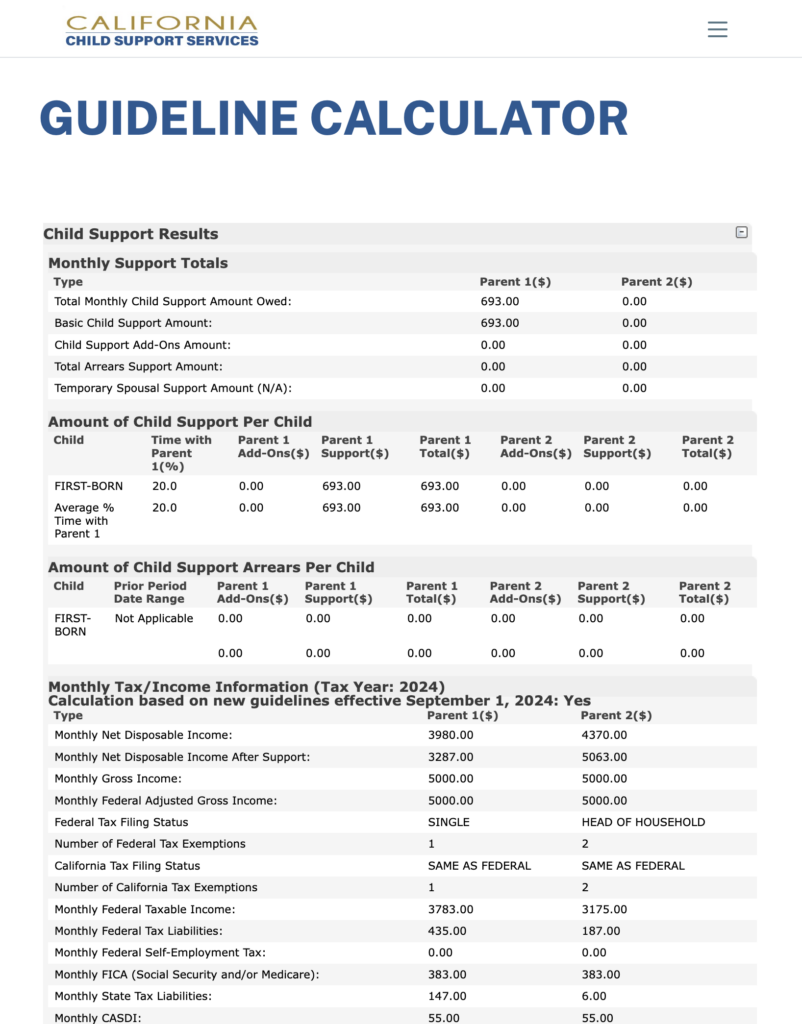
California employs a complex formula to calculate child support, primarily based on parents’ incomes and the amount of time each parent spends with the children. The statewide uniform guideline factors in gross income, tax deductions, and other elements to arrive at a fair support amount. This legal framework has direct lifestyle implications for both the paying and receiving parents. For the recipient, the consistent receipt of child support allows for predictable budgeting and planning, enabling them to make informed decisions about housing, education, and leisure activities for their children. For the payer, understanding their financial obligations helps them structure their own budget, ensuring they can meet their support responsibilities while maintaining their personal lifestyle. The predictability of tax treatment for these payments is therefore a cornerstone of effective long-term financial planning for all parties involved, influencing decisions from career choices to investment strategies.
The Definitive Tax Status: A Key to Lifestyle Budgeting
The question of whether child support is taxable or tax-deductible is a common source of confusion, yet its clarity is vital for accurate financial planning and lifestyle management. The definitive answer at both federal and California state levels is straightforward: child support payments are neither taxable income for the recipient nor tax-deductible for the payer. This specific tax treatment has significant implications for how families budget and plan their financial futures.
Federal and State Perspectives on Child Support Income
Under both U.S. federal tax law, as administered by the Internal Revenue Service (IRS), and California state tax law, child support payments are considered non-taxable events. This means that if you are the parent receiving child support, you do not need to report these payments as income on your federal or state income tax returns. Consequently, the full amount of child support received contributes directly to your household’s disposable income, which can then be allocated entirely towards your children’s needs and the enhancement of their lifestyle. Conversely, if you are the parent making child support payments, you cannot deduct these payments from your taxable income. They are paid with after-tax dollars and do not reduce your gross income for tax purposes. This consistent treatment across both federal and state jurisdictions simplifies tax reporting for co-parenting families and ensures that the financial provisions for children remain undiminished by income tax liabilities.
How Non-Taxability Impacts Household Finances
The non-taxable nature of child support profoundly impacts the financial planning and budgeting decisions of families in California. For the receiving parent, this means that every dollar of child support goes directly into the family budget, enabling them to provide for their children’s lifestyle without the concern of a portion being claimed by taxes. This predictability is invaluable for managing daily expenses, saving for future needs like college, or funding special experiences such as a “Family Trip”. For the paying parent, while the payments are not deductible, the clarity means they understand the exact net cost of their obligation. This allows them to factor it accurately into their personal budget and financial planning. This arrangement ensures that the support intended for the children’s welfare is maximized, aligning with the state’s priority to ensure children’s financial stability and lifestyle continuity post-separation. It allows both parents to plan their respective lifestyles with a clear understanding of their financial inflows and outflows related to child support.

Strategic Financial Planning for a Balanced California Lifestyle
Understanding the tax implications of child support is merely the first step. The true value lies in how this knowledge empowers families to engage in strategic financial planning, ensuring a balanced and fulfilling lifestyle for children in California. Effective planning allows parents to make the most of every dollar, optimize resources, and secure their children’s future, aligning financial decisions with desired lifestyle outcomes.
Maximizing the Value of Child Support for Children’s Lifestyle
Since child support is received tax-free, it represents a powerful financial tool for the custodial parent. This tax-free status allows families to maximize its impact on their children’s lifestyle. Strategic allocation can involve earmarking funds for essential needs, but also for enrichment opportunities that might otherwise be out of reach. For instance, a portion could be saved for higher education expenses, invested in educational trusts, or used to fund extracurricular activities that foster a child’s talents and interests. It can also contribute to creating memorable experiences, like a “Family Trip” or annual excursions to California’s many attractions. By treating child support as a dedicated resource for children’s development and well-being, parents can significantly enhance their quality of life, ensuring access to opportunities that support their physical, emotional, and intellectual growth. This thoughtful approach ensures the support translates directly into a richer, more stable lifestyle for the children.
Co-Parenting and Budget Synergy
Effective financial planning in co-parenting situations extends beyond individual budgets to encompass a synergistic approach where both parents collaboratively understand and optimize their financial contributions. When both parents are aware that child support is not taxable, it fosters transparency and can streamline discussions about budgeting for shared child-related expenses. For example, parents can agree on how to allocate the non-taxable child support towards specific lifestyle costs, such as orthodontics, private school tuition, or specialized summer camps. This understanding can reduce potential friction and facilitate open communication, leading to better financial outcomes for the children. By working together to leverage the tax-free nature of child support, parents can ensure that funds are consistently and efficiently directed to support the children’s lifestyle, fostering a sense of stability and predictability despite the separation. This collaborative effort demonstrates a shared commitment to the children’s long-term well-being and lifestyle.
Distinguishing Child Support from Alimony (Spousal Support)
A critical distinction for lifestyle financial planning in California is between child support and alimony, also known as spousal support. While child support is neither taxable for the recipient nor deductible for the payer, alimony operates under different tax rules. For divorce decrees executed before January 1, 2019, alimony payments are typically tax-deductible for the payer and taxable income for the recipient. For decrees executed on or after January 1, 2019, alimony payments are neither deductible for the payer nor taxable for the recipient at the federal level, aligning it more closely with child support’s tax treatment. However, California state law still allows for the deductibility of spousal support for the payer and taxability for the recipient, regardless of when the divorce decree was executed. This difference is crucial for comprehensive financial planning, as mischaracterizing payments can lead to significant tax liabilities or missed deductions. Understanding these nuances is essential for managing personal and family lifestyle budgets accurately, ensuring compliance with tax laws, and optimizing financial resources effectively.
Beyond Child Support: Other Lifestyle Financial Considerations in California
While child support plays a vital role in the financial landscape of families, a holistic approach to lifestyle financial planning in California requires consideration of other tax benefits and long-term strategies. These additional elements can further enhance a family’s financial stability, contributing to a robust and secure lifestyle for children.
Tax Credits and Deductions for California Families
Beyond the direct tax treatment of child support, California families should explore various federal and state tax credits and deductions that can positively impact their overall lifestyle budget. These may include the Child Tax Credit (federal), the Earned Income Tax Credit (EITC) at both federal and state levels, and the Dependent Care Credit for childcare expenses. Eligibility for these credits often depends on income levels and the number of qualifying children. For example, the parent who claims the child as a dependent for tax purposes is typically the one who can claim the Child Tax Credit. These credits can directly reduce a family’s tax liability, effectively freeing up more income for daily living, savings, or lifestyle enhancements like educational programs or recreational activities. Staying informed about these opportunities is a key component of savvy financial management for families striving for a stable lifestyle.

Estate Planning and Children’s Future Lifestyle
Considering the long-term implications of child support and overall family finances, estate planning becomes an integral part of securing a child’s future lifestyle. While child support payments typically cease upon a child reaching adulthood or other specific conditions, comprehensive estate planning can ensure that financial provisions for children extend beyond these milestones. This might involve setting up trusts, naming children as beneficiaries on life insurance policies, or designating funds for their education or future needs. Such planning provides peace of mind, knowing that even in unforeseen circumstances, a child’s desired lifestyle and opportunities, such as funding for higher education or seed money for future endeavors, are protected. For parents in California, integrating child support arrangements into a broader estate plan creates a robust financial safety net that underscores a lasting commitment to their children’s well-being and lifelong lifestyle.
LifeOutOfTheBox is a participant in the Amazon Services LLC Associates Program, an affiliate advertising program designed to provide a means for sites to earn advertising fees by advertising and linking to Amazon.com. Amazon, the Amazon logo, AmazonSupply, and the AmazonSupply logo are trademarks of Amazon.com, Inc. or its affiliates. As an Amazon Associate we earn affiliate commissions from qualifying purchases.