
The Rocky Mountains, an iconic symbol of American wilderness and grandeur, dominate the western landscape of North America, stretching over 3,000 miles from British Columbia in Canada down to New Mexico in the United States. Within this vast expanse, the state of Colorado proudly cradles some of the most spectacular, accessible, and highest reaches of this magnificent range. For many, Colorado is the Rocky Mountains, offering a breathtaking tapestry of towering peaks, alpine lakes, dense forests, and high-altitude plains that define the state’s identity and draw millions of visitors annually.
Understanding “where” the Rocky Mountains are in Colorado is more than just a geographical pinpoint; it’s an invitation to explore the very heart of the state’s natural beauty and recreational opportunities. The range effectively bisects Colorado from north to south, forming a majestic backbone that dictates climate, ecosystems, and human settlement patterns.

Colorado’s Majestic Spine: Defining The Rocky Mountains
Geographically, the Rocky Mountains occupy the central and western portions of Colorado. The easternmost edge of the Rockies in Colorado is famously known as the Front Range. This dramatic transition zone rises abruptly from the high plains, creating an unmistakable visual boundary that stretches from the northern border near Fort Collins down past Colorado Springs to the south. Along this Front Range lie Colorado’s largest cities, including the state capital, Denver, Boulder, and Colorado Springs, serving as crucial gateways to the higher elevations.
West of the Front Range, the landscape becomes an intricate maze of interconnected mountain ranges, valleys, and plateaus. This vast expanse includes numerous prominent sub-ranges, each with its unique character. The Continental Divide, the hydrological apex of North America, snakes its way through these mountains, determining whether precipitation ultimately flows east to the Atlantic Ocean or west to the Pacific Ocean. Colorado boasts 58 peaks over 14,000 feet, known as “Fourteeners,” more than any other state in the contiguous United States, including Mount Elbert, the state’s highest point at 14,439 feet. This intense concentration of high peaks and rugged terrain is what truly defines the Rockies in Colorado as a premier destination for adventurers and nature enthusiasts alike.
Gateway Cities And Entry Points To The Rockies
Accessing the heart of Colorado’s Rocky Mountains is relatively straightforward, thanks to well-maintained highways that penetrate the range from the major population centers.
The Front Range Metropolises
The metropolitan areas along the Front Range act as the primary launchpads for any mountain adventure. Denver, often dubbed the “Mile High City,” is perfectly positioned at the base of the Rockies. From Denver, Interstate 70 (I-70) is the main artery heading west, quickly climbing into the mountains and passing through historic towns like Golden and Georgetown before reaching popular ski areas and mountain communities. Similarly, Boulder, nestled against the iconic Flatirons, offers direct access to various trails and scenic drives via U.S. Highway 36, which leads to Rocky Mountain National Park. Colorado Springs, to the south, sits at the base of Pikes Peak and provides access to attractions like Garden of the Gods and the scenic U.S. Highway 24 heading west into the Collegiate Peaks region.
Major Mountain Passes And Scenic Byways
The mountains are crisscrossed by a network of roads and passes that offer breathtaking views and lead to countless destinations. Interstate 70 itself traverses several significant passes, including Eisenhower Tunnel (at over 11,000 feet) and Vail Pass. Other notable routes include Loveland Pass, Berthoud Pass, and Independence Pass (seasonal), which offer more intimate, high-alpine driving experiences. These routes aren’t merely transportation corridors; they are destinations in themselves, providing panoramic vistas and access to trailheads and viewpoints.
Iconic Destinations Within Colorado’s Rockies
Within the vast expanse of Colorado’s Rocky Mountains, certain locations stand out as quintessential travel experiences, each offering a unique glimpse into the region’s splendor.
Rocky Mountain National Park
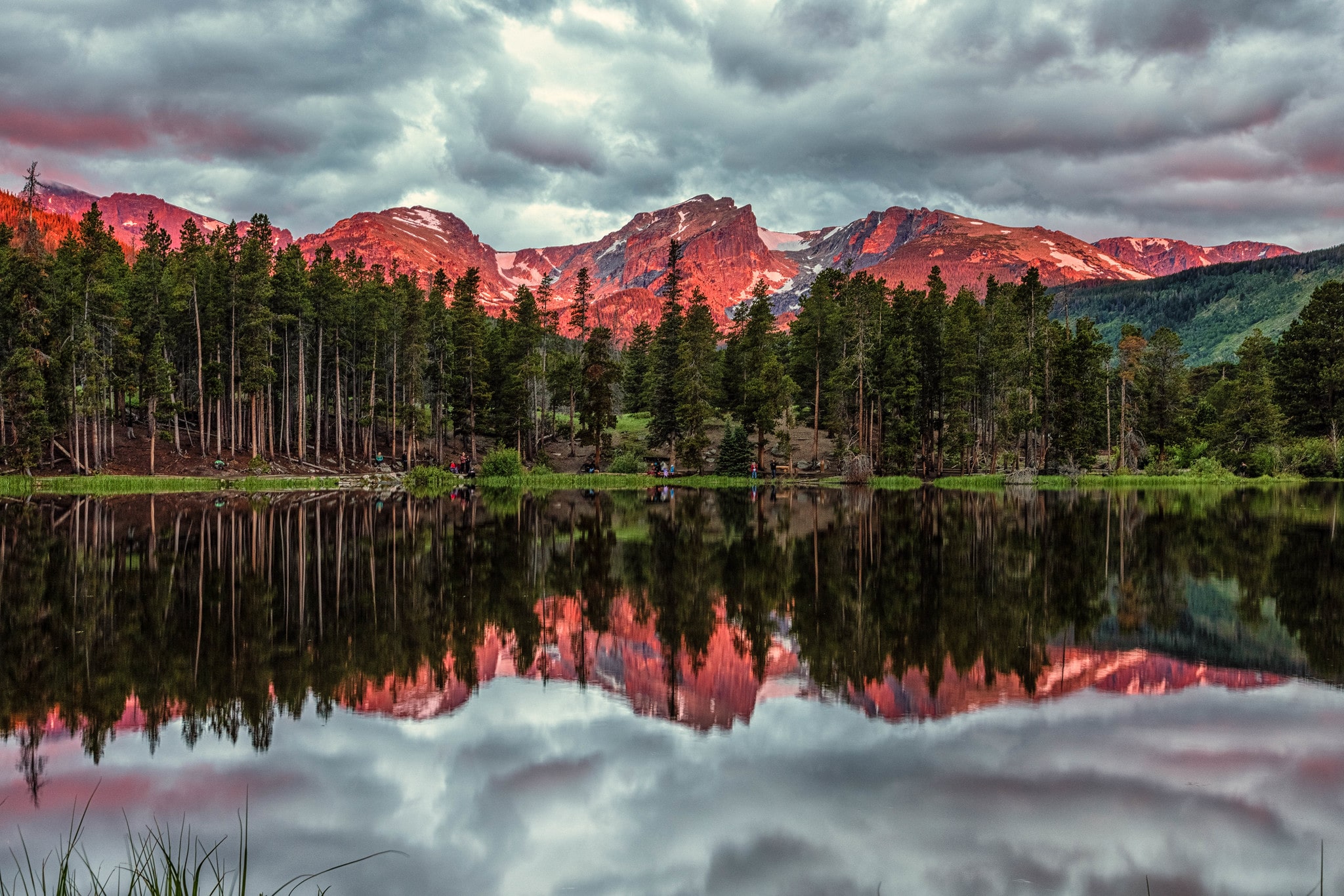
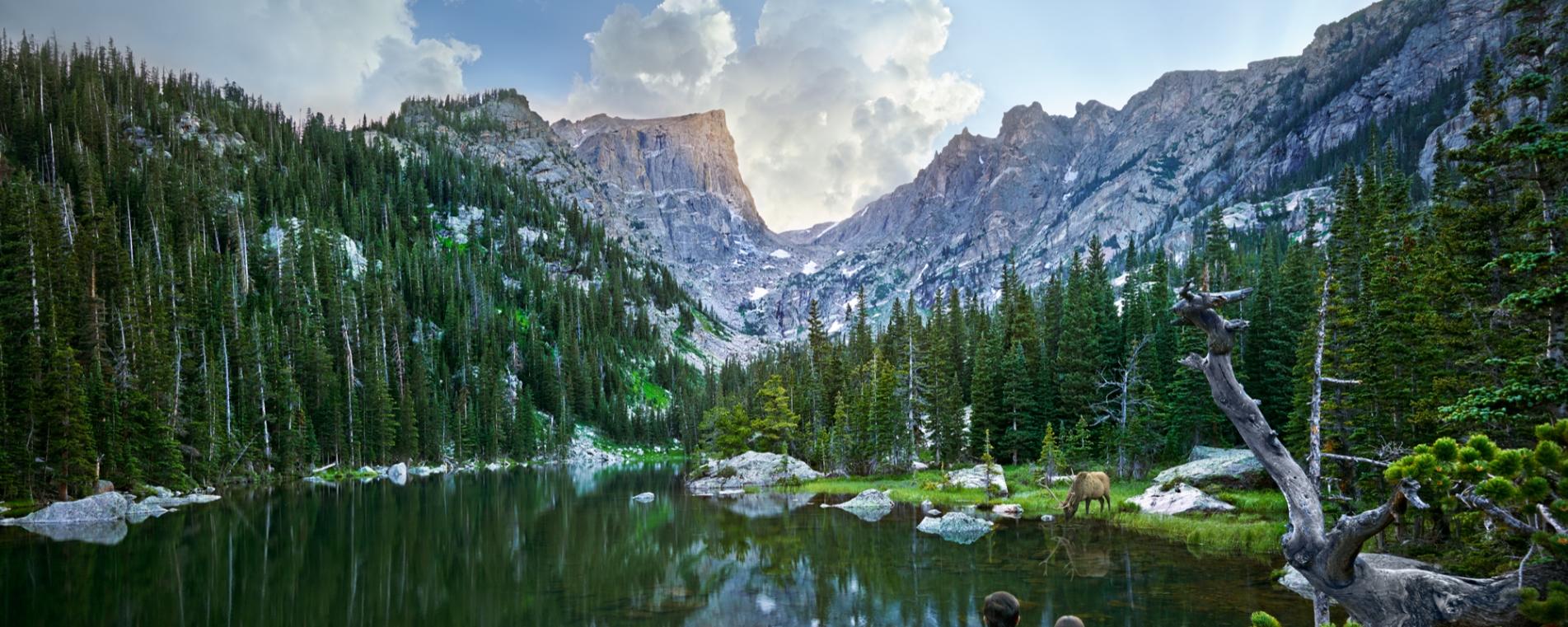
Perhaps the crown jewel of Colorado’s Rockies, Rocky Mountain National Park is located approximately 70 miles northwest of Denver. Accessible via the charming gateway towns of Estes Park on the east side and Grand Lake on the west, the park encapsulates the diverse beauty of the range. Here, visitors can drive along Trail Ridge Road, the highest continuous paved road in North America, which crosses the Continental Divide at over 12,000 feet, offering unparalleled tundra views. The park is home to majestic Longs Peak, a challenging fourteener, and provides extensive opportunities for hiking, wildlife viewing (elk, moose, bighorn sheep are common), and alpine photography.
Ski Resorts and Mountain Towns
Colorado is synonymous with world-class skiing and snowboarding, and its numerous mountain towns are vibrant destinations year-round. Resorts like Vail, Aspen, Breckenridge, and Steamboat Springs are clustered throughout the central and western Rockies, offering not just slopes but also charming downtowns, fine dining, and cultural events. Towns like Telluride in the southwest San Juan Mountains or Crested Butte in the Elk Mountains are renowned for their rugged beauty and abundant outdoor activities beyond skiing, including mountain biking, whitewater rafting, and fly-fishing in the warmer months. These towns serve as excellent bases for exploring the surrounding wilderness.
Wilderness Areas and Scenic Byways
Beyond the national park and resort towns, vast tracts of the Rocky Mountains in Colorado are protected as wilderness areas, offering pristine, untouched landscapes. The San Juan Mountains in the southwest, with their incredibly sharp peaks and deep valleys, are particularly dramatic, accessible via the famed Million Dollar Highway connecting Ouray and Durango. The Collegiate Peaks Wilderness, centered around the Arkansas River valley, boasts several fourteeners and is a hub for rafting and hiking. Driving the Mount Evans Scenic Byway, which ascends to over 14,100 feet, offers another opportunity to experience the high alpine environment close to Denver.
Experiencing The Rockies: Activities And Seasons
The “where” of the Rocky Mountains in Colorado is inextricably linked to “when” and “how” to experience them, as activities vary dramatically by season.
Summer (June-August)
Summer is peak season for hiking, backpacking, camping, and mountain biking. The snow has largely melted from lower and mid-elevation trails, opening up access to alpine lakes and wildflower meadows. Whitewater rafting on rivers like the Arkansas and Colorado Rivers is also popular. Temperatures are pleasant, though afternoon thunderstorms are common at higher elevations, requiring preparedness.
Fall (September-October)
As aspens turn golden, the Rockies transform into a vibrant spectacle. Fall foliage drives, particularly through areas like Aspen, Kebler Pass near Crested Butte, or along the Peak to Peak Scenic Byway, are incredibly popular. Wildlife viewing is also excellent as animals prepare for winter. While days are often clear and crisp, evenings can be cold, and snow can begin to fall at higher elevations.
Winter (November-April)
Winter in the Rocky Mountains means world-class skiing, snowboarding, snowshoeing, and cross-country skiing. Resorts like Vail, Breckenridge, and Winter Park come alive, drawing visitors from around the globe. Many high-elevation roads, including Trail Ridge Road and Independence Pass, close for the season, restricting access but preserving vast areas for winter sports and solitude.
Spring (May)
Spring is a transitional period, with snowmelt swelling rivers for exhilarating whitewater adventures and green emerging at lower elevations. Higher trails may still be snow-covered, but conditions are often ideal for wildlife viewing and early-season hiking in the foothills. This shoulder season offers fewer crowds and unique photographic opportunities as the landscape transitions from white to vibrant green.
Planning Your Colorado Rockies Adventure
When planning a trip to the Rocky Mountains in Colorado, consider the time of year, your desired activities, and the specific regions you wish to explore. Given the vastness and varied terrain, it’s wise to focus on one or two areas rather than trying to see everything.
Travelers should also be mindful of the high altitude, especially if coming from sea level. Acclimatization is key, so staying hydrated and taking it easy on the first day or two can help prevent altitude sickness. Always check weather conditions, as mountain weather can change rapidly and unexpectedly. Practicing Leave No Trace principles is crucial to preserve the pristine beauty of these natural treasures for future generations.
In essence, the Rocky Mountains in Colorado are not just a static geographic location; they are a dynamic, living landscape that invites exploration, challenge, and profound connection with nature. From the urban interface of the Front Range to the remote wilderness of the San Juan Mountains, the Rockies offer an unparalleled array of destinations and experiences that truly embody the spirit of adventure.
LifeOutOfTheBox is a participant in the Amazon Services LLC Associates Program, an affiliate advertising program designed to provide a means for sites to earn advertising fees by advertising and linking to Amazon.com. Amazon, the Amazon logo, AmazonSupply, and the AmazonSupply logo are trademarks of Amazon.com, Inc. or its affiliates. As an Amazon Associate we earn affiliate commissions from qualifying purchases.