
The question of who manages the New York Yankees is a query that resonates deeply within the hallowed grounds of baseball fandom. More than just a steward of the dugout, the manager of this storied franchise is a pivotal figure, tasked with navigating the complexities of a demanding season, fostering team chemistry, and upholding the immense legacy of Yankee Stadium. The role transcends mere strategic decision-making; it involves leadership, communication, and an intrinsic understanding of the club’s championship aspirations.
The Managerial Seat: A Legacy of Champions
The managerial position with the New York Yankees is one of the most scrutinized and celebrated in all of professional sports. Over the decades, the dugout has been occupied by individuals who have not only led teams to victory but have also become synonymous with the very identity of the franchise. These are not just baseball strategists; they are custodians of a culture, leaders who must inspire confidence in players, management, and a passionate fanbase that expects nothing less than a World Series title.

A Glimpse into Yankee History
The annals of New York Yankees history are replete with legendary managers who have left an indelible mark. From the stoic leadership of Joe Torre to the fiery passion of Billy Martin, each manager brought a unique approach to the dugout, yet all shared a common goal: bringing championships back to the Bronx. The expectations are immense, and the pressure is a constant companion. A successful tenure is measured not just in wins and losses, but in the ultimate prize – the Commissioner’s Trophy.
The Evolution of the Role
The modern baseball manager is a far cry from the figureheads of earlier eras. Today’s managers are expected to possess a sophisticated understanding of advanced analytics, player development, and the intricacies of a long, grueling season. They must also be adept communicators, capable of connecting with a diverse roster of players, each with their own unique personalities and motivations. The ability to adapt to new strategies and to consistently motivate a team through ups and downs is paramount.
The Current Steward: Aaron Boone
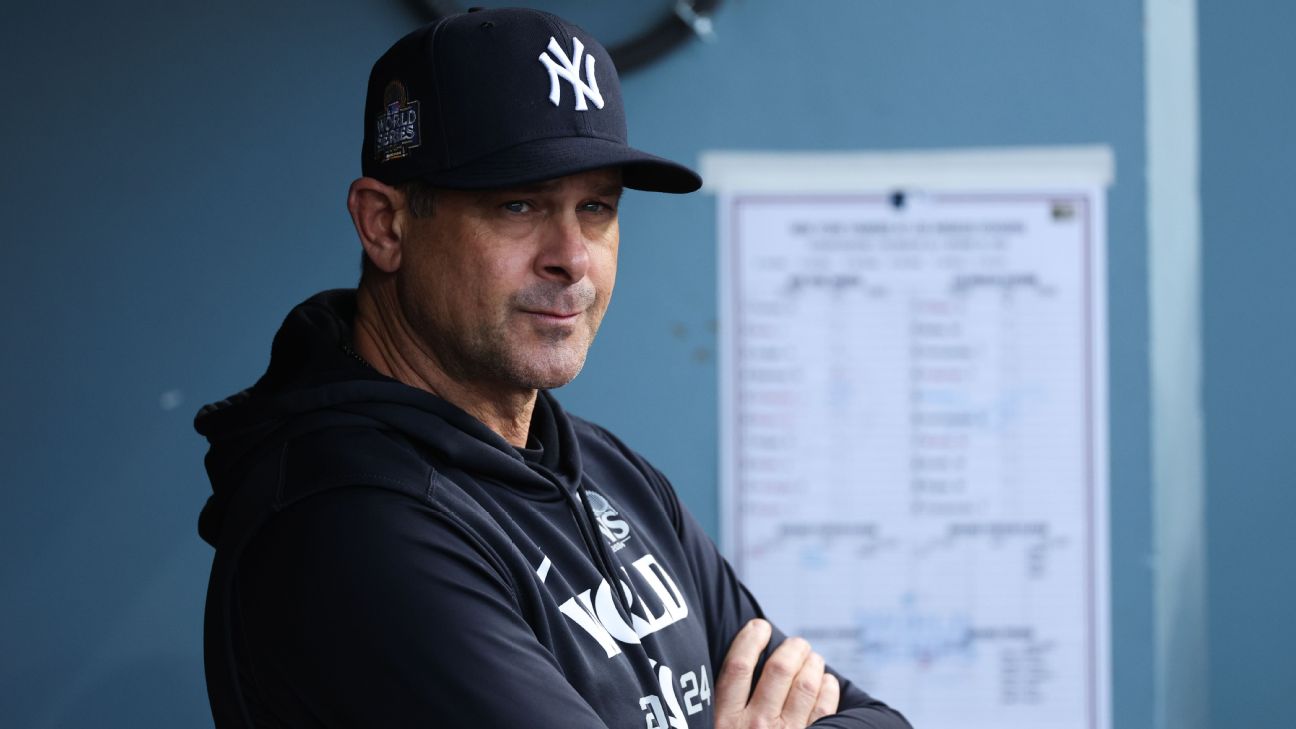
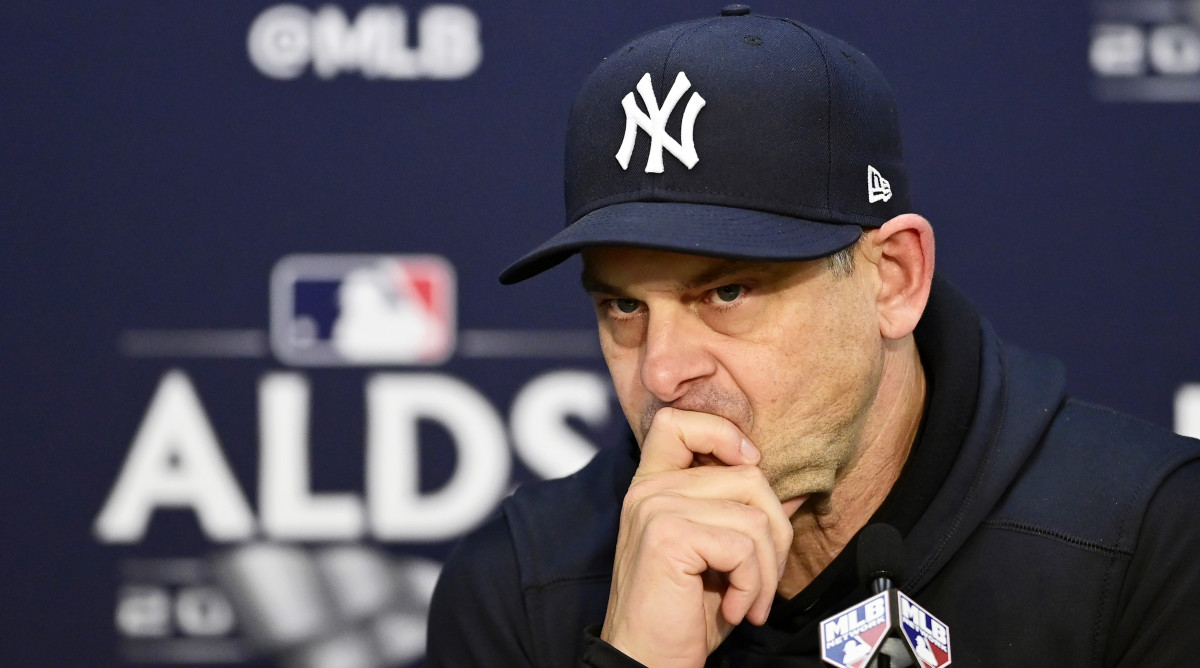
As of the current baseball season, the individual at the helm of the New York Yankees dugout is Aaron Boone. Stepping into such a prominent role is a significant undertaking, and Boone has faced the unique challenges that come with managing one of Major League Baseball’s most iconic franchises. His tenure has been marked by both periods of great success and moments of intense scrutiny, a testament to the high standards that define the Yankees organization.
Boone’s Playing Career and Transition to Management
Before donning the manager’s cap, Aaron Boone had a notable career as a player in Major League Baseball. His time in the game provided him with invaluable firsthand experience of the pressures and demands of professional baseball. After his playing days concluded, Boone transitioned into broadcasting, which further broadened his understanding of the sport from a different perspective. This blend of on-field experience and analytical insight provided him with a solid foundation for his managerial aspirations. His appointment as manager in 2017 signaled a new chapter for the team, one filled with anticipation for renewed success.
Navigating the Season: Strategy and Leadership
Boone’s managerial style is characterized by a blend of traditional baseball acumen and an embrace of modern analytics. He is known for his energetic presence in the dugout and his ability to connect with players. The daily grind of a 162-game season, coupled with the intensity of playoff runs, demands constant strategic adjustments. Boone’s role involves making crucial lineup decisions, managing pitching staffs effectively, and making in-game decisions that can often swing the momentum of a crucial contest.
In-Game Decisions and Tactical Nuances
The art of in-game management is a complex dance. Boone must decide when to call for a hit-and-run, when to employ defensive shifts, and how to best utilize his bullpen. Each decision carries weight, and the scrutiny from fans and media is relentless. The ability to stay calm under pressure and to make sound judgments in high-stakes situations is a hallmark of successful managers. Boone’s approach involves a deep understanding of his players’ strengths and weaknesses, allowing him to tailor strategies accordingly.
Player Development and Motivation
Beyond the tactical aspects of the game, a manager’s ability to foster player development and maintain team morale is crucial. Boone works closely with the coaching staff to ensure that players are improving and reaching their potential. The mental aspect of baseball is often overlooked, but a manager’s ability to motivate his team, to build confidence, and to keep spirits high during challenging stretches is as important as any strategic play. Boone’s leadership aims to cultivate a winning mentality within the clubhouse.
The Demands of Managing the New York Yankees
The managerial position with the New York Yankees is not for the faint of heart. It comes with an unparalleled level of expectation and public scrutiny that few other sports positions can match. The history of the franchise, its legendary status, and its unwavering pursuit of championships create a unique pressure cooker environment.
Fan Expectations and Media Scrutiny
Yankees fans are among the most passionate and demanding in the world. They expect success, and anything less than a deep playoff run, ideally a World Series championship, is often viewed as a disappointment. This unwavering expectation translates into intense media coverage, with every decision and every game outcome dissected and debated. Managers must develop a thick skin and learn to navigate this constant barrage of public opinion.
The Shadow of Pinstripe Legacy
The weight of the pinstripe legacy is a significant factor for any Yankees manager. The ghosts of legends past, the numerous championships won, and the iconic figures who have managed this team create an imposing standard. Managers are constantly measured against this rich history, and the pressure to add to that legacy is immense. It requires a deep respect for the past while simultaneously forging a path forward.
The Business of Baseball and Roster Management
Beyond the game itself, the manager operates within the broader business of Major League Baseball. While general managers and front office personnel handle player acquisitions and contract negotiations, the manager plays a vital role in communicating with and utilizing the roster provided. Understanding player roles, managing egos, and ensuring that the team performs optimally with the available talent are all critical functions that fall under the manager’s purview. This often involves tough decisions about playing time and strategic lineup construction.
The Future of Yankee Management
The quest for a championship is a perpetual endeavor for the New York Yankees. The managerial position is a crucial element in that pursuit, and the success of the franchise hinges significantly on the individual at the helm. Aaron Boone’s tenure, like those before him, will be judged by its ultimate outcomes, the championships won, and the enduring impact on the club’s storied history.
The Ongoing Pursuit of Excellence
Each season presents a new opportunity for the New York Yankees to assert their dominance in Major League Baseball. The manager’s role is to guide the team through the regular season, to build momentum heading into the postseason, and ultimately, to lead them to the promised land of a World Series victory. The commitment to excellence is a constant, and the manager is the embodiment of that pursuit on the field.
Adapting to a Changing Game
Baseball, like all sports, is continuously evolving. New technologies, analytical approaches, and strategic innovations are constantly emerging. The Yankees manager must remain at the forefront of these changes, adapting their strategies and leadership to the modern game. The ability to embrace innovation while respecting the traditions of baseball is a delicate balance that defines the successful managers of today and tomorrow. The future of Yankee management will undoubtedly be shaped by individuals who can navigate this dynamic landscape with skill, wisdom, and an unwavering dedication to victory.
LifeOutOfTheBox is a participant in the Amazon Services LLC Associates Program, an affiliate advertising program designed to provide a means for sites to earn advertising fees by advertising and linking to Amazon.com. Amazon, the Amazon logo, AmazonSupply, and the AmazonSupply logo are trademarks of Amazon.com, Inc. or its affiliates. As an Amazon Associate we earn affiliate commissions from qualifying purchases.