
For any traveler planning an adventure to the Golden State, understanding local time zones is as crucial as knowing your flight schedule or accommodation details. While California operates on its own distinct time, the concept of UTC, or Coordinated Universal Time, serves as the global benchmark from which all local times are derived. It’s the silent, invisible grid that orchestrates international travel, communication, and logistical planning. Delving into what UTC means for California is essential for a seamless and stress-free journey, ensuring you’re always in sync with your itinerary and the vibrant rhythm of the state.
Understanding Coordinated Universal Time (UTC)
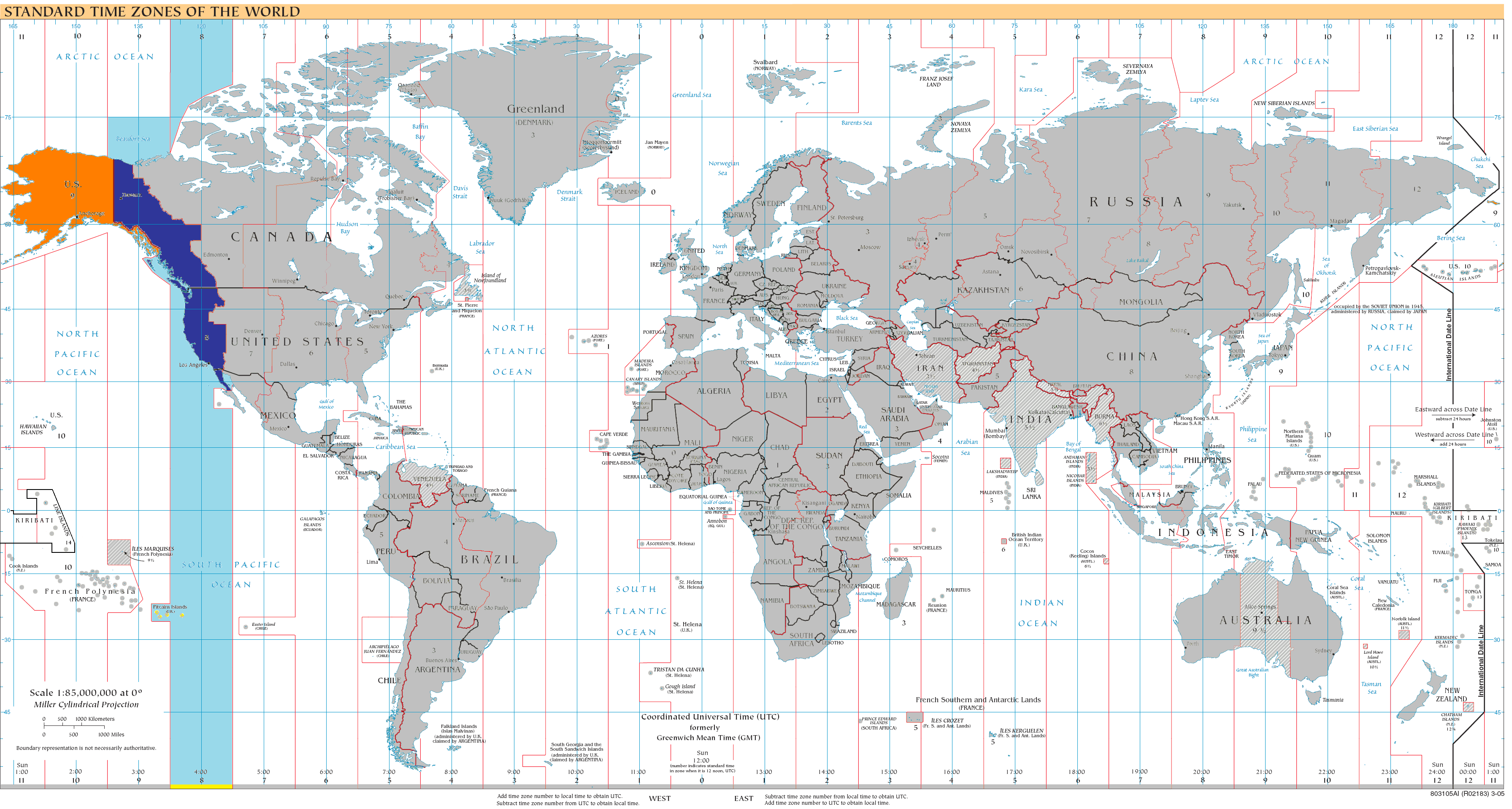
Before we pinpoint California’s position on the global clock, it’s vital to grasp the concept of UTC itself. Often misunderstood as a time zone, UTC is actually the primary time standard by which the world regulates clocks and time. It is, in essence, the modern successor to Greenwich Mean Time (GMT), maintaining consistency through highly precise atomic clocks around the world, rather than relying on the Earth’s rotation, which can be irregular.
UTC is not subject to Daylight Saving Time (DST), meaning it remains constant throughout the year. Every other time zone in the world is expressed as a positive or negative offset from UTC. For instance, a time zone might be UTC-5 or UTC+8, indicating it is 5 hours behind or 8 hours ahead of UTC, respectively. This universal reference point is invaluable for industries requiring precise time synchronization, such as aviation, meteorology, and global financial markets, and by extension, for international travelers navigating various locales.
California’s Time Zone: Pacific Time Explained
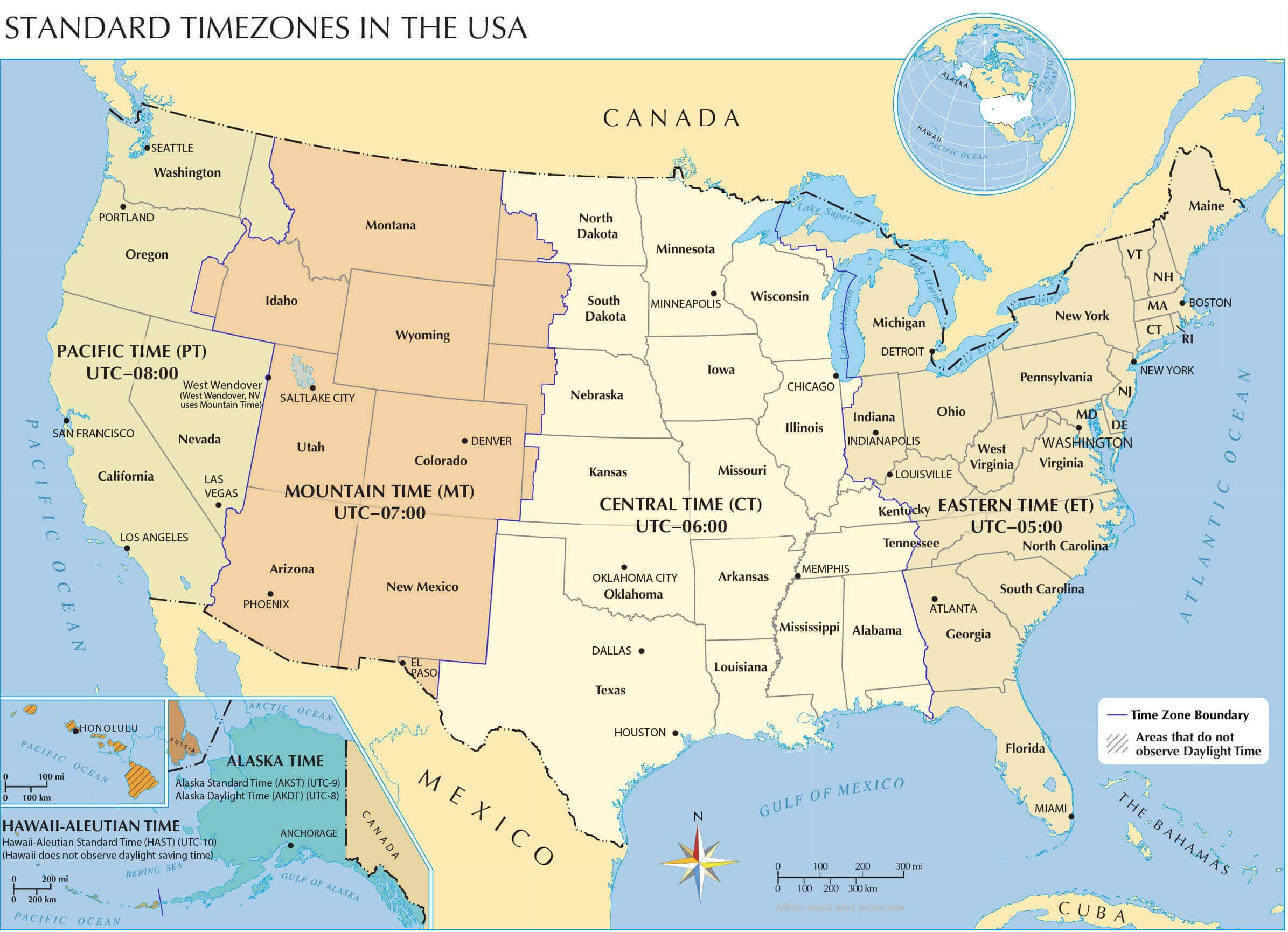
California adheres to the Pacific Time Zone, which observes two distinct settings throughout the year due to Daylight Saving Time. Understanding both is key to planning your visit, especially if your travel dates span the seasonal transition.
Pacific Standard Time (PST)
During the non-Daylight Saving period, typically from early November to mid-March, California operates on Pacific Standard Time (PST). This time zone is precisely UTC-8. This means that when it is 12:00 PM (UTC), it is 4:00 AM in California under PST. This eight-hour difference is significant for international calls, flight connections, and understanding arrival or departure times in relation to global standards.
Pacific Daylight Time (PDT)
When Daylight Saving Time is in effect, from mid-March to early November, California switches to Pacific Daylight Time (PDT). During this period, clocks are moved forward by one hour. Consequently, PDT is UTC-7. So, if it’s 12:00 PM (UTC), it would be 5:00 AM in California under PDT. The purpose of DST is to make better use of daylight, shifting an hour of daylight from the morning to the evening during warmer months. For travelers, this means a consistent shift in local time relative to UTC for a significant portion of the year.
When Does California Switch?
The transition between PST and PDT generally occurs on specific dates:
- Spring Forward: Clocks typically move forward one hour on the second Sunday in March, marking the beginning of PDT.
- Fall Back: Clocks typically move back one hour on the first Sunday in November, returning to PST.
It’s always wise for travelers to double-check these dates for the specific year of their travel, as minor adjustments can occasionally occur, though they are rare.
Practical Implications for Travelers to California
Understanding California’s time zone in relation to UTC is not merely an academic exercise; it has tangible impacts on virtually every aspect of your travel experience. Proper time management can prevent missed flights, botched reservations, and unnecessary stress.

Flight Schedules and Airport Operations
Aviation operates meticulously on UTC for international flights to avoid confusion across multiple time zones. However, your boarding pass and airport displays at destinations like Los Angeles International Airport (LAX) or San Francisco International Airport (SFO) will always show local time. When booking flights, especially those with connections or arriving from distant time zones, it is paramount to be aware of the shift. A flight arriving at “3:00 PM local time” in Los Angeles from New York means adjusting your internal clock by three hours (if New York is on EDT) or more if coming from international origins. Always confirm arrival and departure times in the local time of the airport.
Booking Accommodations and Activities
From checking into your hotel in San Francisco to reserving a tour in Hollywood or a dining experience in Napa Valley, all appointments will be scheduled in California’s local time. When making reservations from another time zone, a simple mistake in conversion can lead to booking an activity for the wrong day or time. For instance, booking a Disneyland tour at 9 AM UTC would translate to 1 AM PDT – hardly an ideal start to your day at the park. Always specify or confirm the local time zone when making bookings from afar.
Communication with Home and Business
For many travelers, staying connected with family, friends, or business associates back home is important. California’s UTC-7 or UTC-8 offset means significant differences, particularly with destinations on the East Coast of the United States or international locations. A quick call to someone in London (which is UTC or UTC+1 with DST) at 9:00 AM California time could mean waking them up in the late afternoon or evening. Utilizing a world clock or time zone converter is highly recommended to schedule calls and virtual meetings appropriately.
Jet Lag Management
The shift in time zones, especially for those traveling across many meridians, can induce jet lag. Understanding the UTC offset can help you mentally prepare for the time difference and strategize your sleep schedule. For instance, flying from New York to Los Angeles means moving three hours back. Adjusting your sleep patterns gradually before departure, hydrating during the flight, and exposing yourself to natural light upon arrival in California can mitigate the effects of jet lag, making your initial days more enjoyable.
Navigating Time Across California’s Diverse Destinations
One simplifying factor for travelers within California is that the entire state adheres to a single time zone. Whether you’re exploring the bustling streets of Los Angeles, the tech hubs of Silicon Valley, the capital city of Sacramento, the vineyards of Sonoma, the natural wonders of Yosemite National Park, or the sun-drenched beaches of San Diego, your watch will remain consistent with PST or PDT.
This uniformity eliminates the confusion that can arise in states with multiple time zones, like Florida or Texas. However, vigilance is still advised if your travel plans involve crossing state lines, particularly into neighboring Nevada or Arizona. Nevada generally follows Pacific Time, so cities like Las Vegas will be in sync. Arizona, on the other hand, largely observes Mountain Standard Time (MST), which is UTC-7, and famously does not observe Daylight Saving Time in most areas. This means that for part of the year, Arizona will be on the same time as California (during PDT), but during PST, Arizona will be one hour ahead. Always confirm the local time when near state borders to avoid scheduling mishaps.
Essential Time Zone Tips for Your California Trip
To ensure your California experience is as smooth as the Pacific coast highways, incorporate these time-savvy tips into your travel preparation:
- Set Your Devices to Automatic: Most smartphones and smartwatches automatically adjust to the local time zone when you arrive. Ensure this setting is enabled to avoid manual errors.
- Double-Check All Bookings: Before confirming any reservation, be it a flight, hotel, or activity, explicitly verify the time zone it refers to, especially if booking online from a different region.
- Utilize World Clock Apps: Keep a world clock application on your phone or computer to easily compare California’s time with your home time zone or any other relevant location.
- Adjust Gradually: If you’re coming from a significantly different time zone, try to adjust your sleep and meal schedule by an hour or two each day in the days leading up to your trip.
- Be Mindful of Daylight Saving: If your trip coincides with the “spring forward” or “fall back” dates, make a note to manually adjust any non-automatic clocks (like a traditional alarm clock) and confirm public transport schedules, which might be briefly affected.
By understanding California’s relationship to UTC and adopting these practical tips, you can navigate your travels with confidence, ensuring every moment of your Golden State adventure is perfectly timed.
LifeOutOfTheBox is a participant in the Amazon Services LLC Associates Program, an affiliate advertising program designed to provide a means for sites to earn advertising fees by advertising and linking to Amazon.com. Amazon, the Amazon logo, AmazonSupply, and the AmazonSupply logo are trademarks of Amazon.com, Inc. or its affiliates. As an Amazon Associate we earn affiliate commissions from qualifying purchases.