
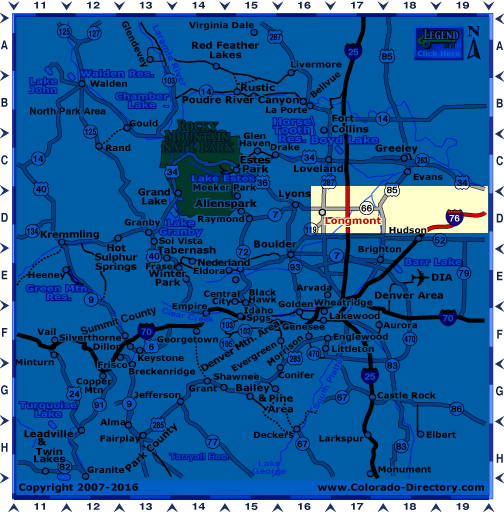
Longmont, Colorado is more than just a dot on the map; it’s a vibrant city nestled strategically along Colorado’s Front Range, perfectly positioned for both urban exploration and outdoor adventure. Located approximately 33 miles north-northwest of Denver and 16 miles northeast of Boulder, Longmont offers travelers a unique blend of easy accessibility to major metropolitan areas and immediate proximity to the breathtaking natural beauty of the Rocky Mountains. This prime location in Boulder County, Colorado, makes it an ideal base for those looking to experience the diverse offerings of the Centennial State without the overwhelming bustle of larger cities.
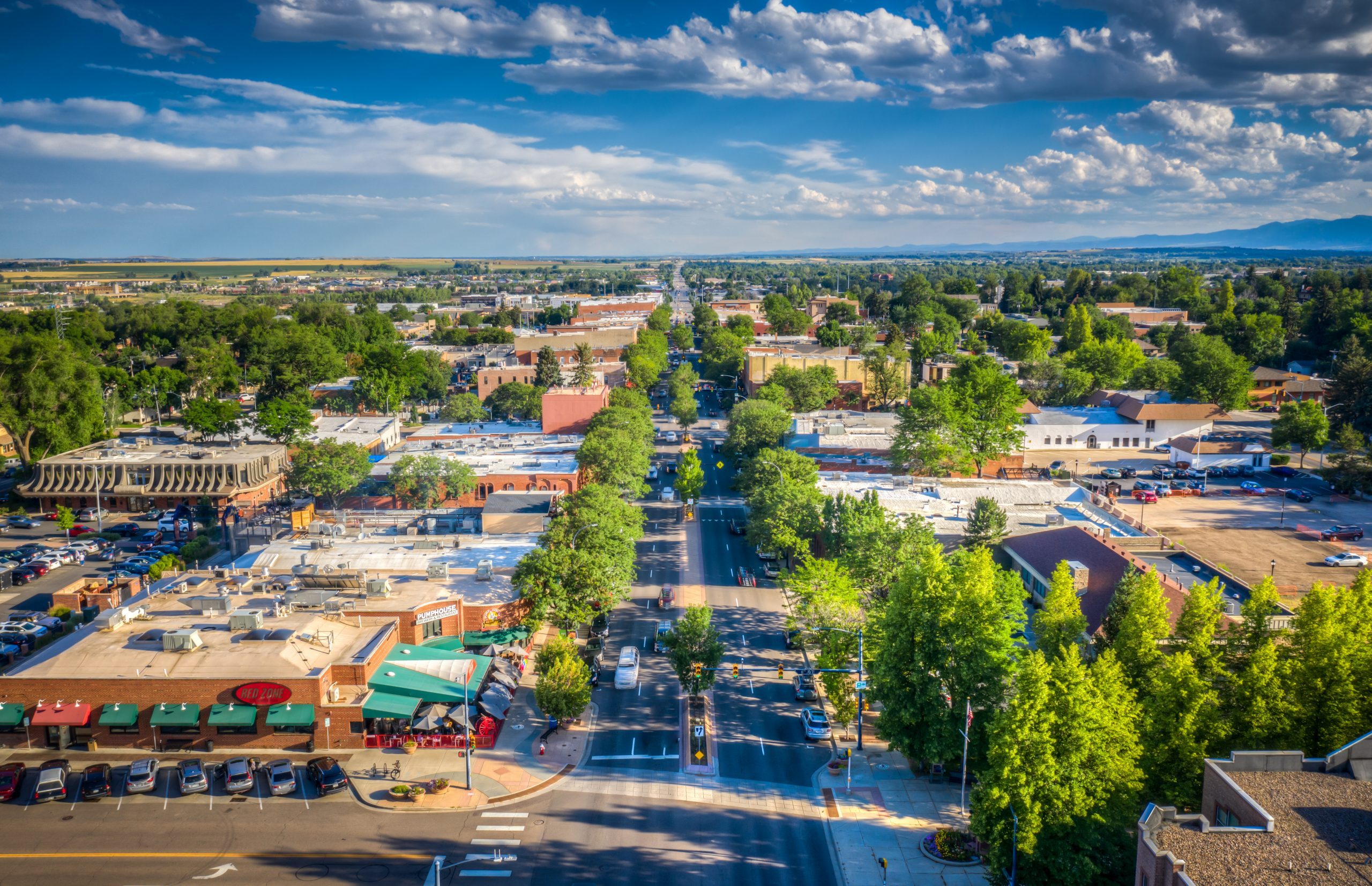
Discovering Longmont’s Strategic Location
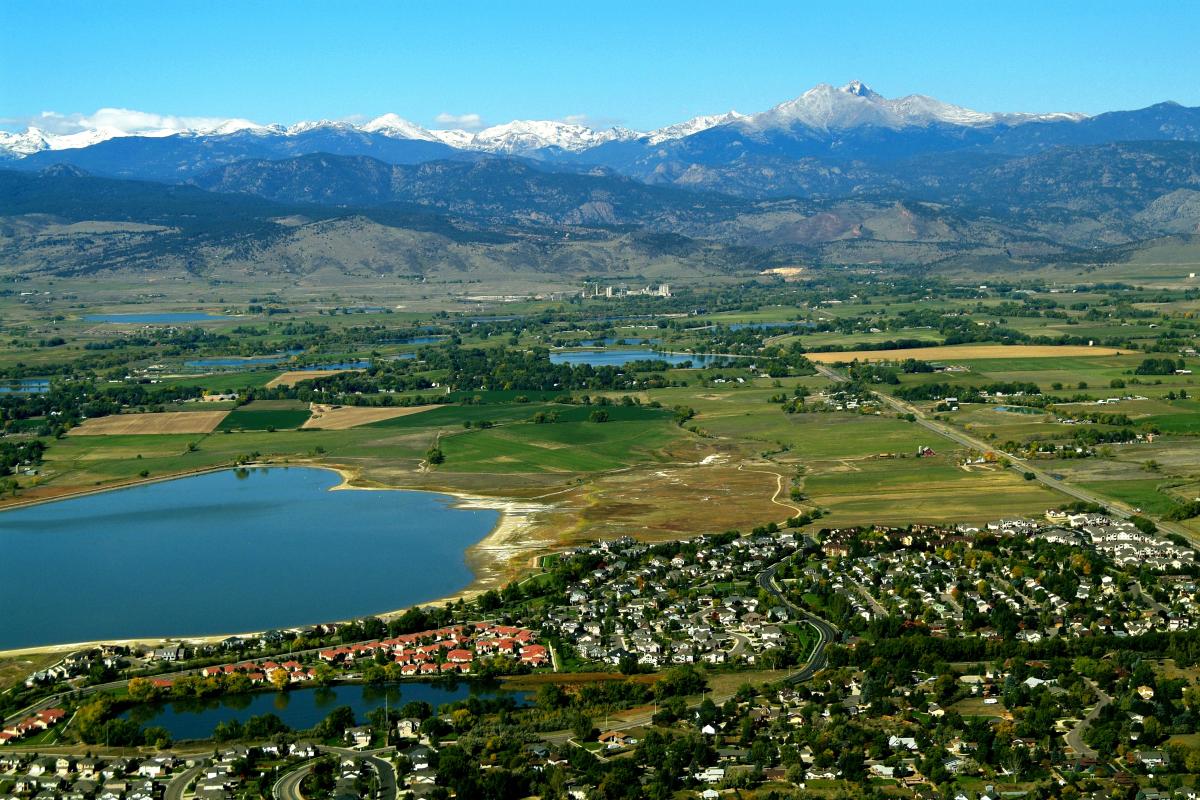
Longmont’s geographic placement is one of its most compelling attributes for travelers. Situated in the high plains at an elevation of about 4,979 feet (1,518 meters), the city enjoys clear views of the majestic Rockies to its west, providing a constant reminder of the outdoor playground that lies just a short drive away. This advantageous position means travelers can enjoy the convenience of modern amenities and a thriving local scene while simultaneously being on the doorstep of world-class hiking, skiing, and scenic drives.
Connectivity and Accessibility
Reaching Longmont is straightforward, thanks to its well-connected transportation network. For air travelers, Denver International Airport (DIA), a major international hub, is the primary gateway, located roughly 45 miles to the southeast. From DIA, visitors can easily rent a car, utilize ride-sharing services, or take shuttle services directly to Longmont. The drive typically takes between 45 minutes to an hour, depending on traffic.
By road, Longmont is easily accessible via several key highways. I-25, the main north-south interstate connecting Colorado’s major cities, runs just east of Longmont, providing excellent access from both the north (Fort Collins, Cheyenne) and the south (Denver, Colorado Springs). US-36, often referred to as the Boulder-Longmont Diagonal, offers a scenic and direct route from Boulder, making the commute between the two cities seamless. Additionally, smaller state highways like SH 119 connect Longmont to other nearby communities and attractions. The city itself is well-laid out with a grid system, making navigation by car intuitive for visitors. Public transportation through RTD (Regional Transportation District) also provides bus services connecting Longmont to Boulder, Denver, and other Front Range communities, offering an eco-friendly alternative for travelers.
Gateway to Mountain Adventures
Beyond its urban connectivity, Longmont’s location truly shines as a launchpad for exploring the Rocky Mountains. The city sits close enough to the foothills that the transition from plains to mountains is almost immediate. This proximity means less travel time to trailheads, scenic overlooks, and mountain resort towns, allowing for more time enjoying the natural beauty. Whether your interest lies in scaling a fourteener, fly-fishing in a pristine mountain stream, or simply enjoying a picnic with a breathtaking backdrop, Longmont’s position makes these experiences readily available. The clear air and frequent sunny days characteristic of this part of Colorado further enhance the appeal, providing optimal conditions for outdoor activities almost year-round.
The Allure of Longmont: A Unique Travel Destination
Longmont captivates travelers with its distinct charm, offering an authentic Colorado experience that balances small-town hospitality with the amenities of a growing city. It distinguishes itself from its larger neighbors by fostering a strong sense of community, a burgeoning arts scene, and an undeniable connection to its agricultural roots, all while being remarkably progressive and innovative. This unique blend makes it an appealing destination for a wide range of travelers, from families seeking a relaxed vacation to adventurers looking for their next thrill, and culture enthusiasts eager to discover local talent.
Outdoor Pursuits and Natural Wonders
For the outdoor enthusiast, Longmont serves as an exceptional base. The city itself boasts an impressive network of greenways and trails, perfect for walking, running, or cycling. The LoBo Trail, connecting Longmont to Boulder, is a popular choice for bikers seeking scenic routes. Water-based activities are also readily available at local spots like Union Reservoir, where visitors can enjoy paddleboarding, kayaking, fishing, and swimming, all with stunning mountain views. McIntosh Lake also offers beautiful walking paths and opportunities for non-motorized boating. For those seeking more pristine natural settings, Golden Ponds Park provides excellent birdwatching and tranquil fishing spots.
Just a short drive away, the possibilities expand exponentially. The iconic Rocky Mountain National Park is easily accessible, offering unparalleled hiking, wildlife viewing, and majestic landscapes. Closer to Longmont, St. Vrain State Park provides a more local option for camping, fishing, and nature observation. The region’s commitment to preserving open space, supported by organizations like Great Outdoors Colorado (GOCO), ensures that these natural wonders remain accessible and pristine for generations of travelers.
A Hub for Arts and Innovation
Longmont’s appeal extends beyond its natural beauty into its vibrant cultural and innovative spirit. The city’s historic Main Street is a testament to its past, lined with beautifully preserved buildings that now house eclectic boutiques, art galleries, and diverse restaurants. The Longmont Museum & Cultural Center serves as a cornerstone of the city’s cultural life, offering rotating exhibits, concerts, and educational programs that delve into local history, art, and science. The Dickens Opera House, a beautifully restored historic venue, regularly hosts live music, comedy shows, and theatrical performances, adding a touch of classic entertainment to the contemporary scene.
Longmont is also recognized for its burgeoning craft beverage industry, particularly its breweries. Establishments like Left Hand Brewing Company and Oskar Blues Grill & Brew have gained national recognition, drawing beer enthusiasts to sample their award-winning craft brews and experience the lively taproom culture. This blend of historic preservation and modern innovation creates a dynamic atmosphere that invites exploration and discovery, making Longmont a rewarding destination for travelers seeking both relaxation and stimulation.
Planning Your Trip: Getting to and Around Longmont
A well-planned itinerary can significantly enhance your travel experience in Longmont. Given its accessible location and diverse attractions, understanding how to arrive and navigate the area is crucial for making the most of your visit. Whether you prefer the independence of a rental car or the convenience of public transport, Longmont offers several viable options.
Arrival by Air and Road
As mentioned, Denver International Airport (DIA) is the primary air travel gateway. Upon arrival, travelers have multiple choices for reaching Longmont. Renting a car directly from DIA is often the most flexible option, especially if you plan to explore the surrounding mountain areas or take day trips. All major car rental companies operate at DIA. Alternatively, private shuttle services offer direct transportation from the airport to various locations in Longmont, providing a hassle-free transfer. Ride-sharing services like Uber and Lyft are also available, offering another convenient option for individuals or small groups. For those who prefer a smaller, regional airport, Vance Brand Airport in Longmont caters to general aviation, but commercial flights typically route through DIA.
If driving from other parts of Colorado or neighboring states, Longmont’s position on the Front Range makes it easily reachable. From the south, taking I-25 North and exiting onto SH 119 West (exit 240) will lead you directly into the city. From the north, I-25 South to SH 119 West is also a direct route. Travelers coming from Boulder can utilize US-36, the scenic Boulder-Longmont Diagonal, which offers stunning views of the plains meeting the mountains.
Navigating the City
Once in Longmont, getting around is relatively simple. The city’s grid system and well-maintained roads make driving straightforward. Parking is generally ample, especially outside of the busiest downtown areas. For those who prefer not to drive, Longmont offers robust public transportation options through RTD. Local bus routes cover much of the city, connecting residential areas with commercial centers, attractions, and transit hubs. Regional routes link Longmont to Boulder and other nearby cities, making it possible to explore the wider Front Range without a personal vehicle.
Cycling is another excellent way to navigate Longmont, particularly for accessing its extensive trail system. The city is bicycle-friendly, with dedicated bike lanes and pathways. Bike rental shops are available, providing an opportunity for visitors to explore the city and its surrounding natural areas on two wheels. Walking is also a pleasant way to experience downtown Longmont, allowing visitors to leisurely explore Main Street’s shops, restaurants, and historic architecture. The city’s compact downtown area is very walkable, making it easy to hop between various local businesses and cultural sites on foot.
Experiences Beyond the City Limits: Day Trips from Longmont
Longmont’s prime location isn’t just about its internal attractions; it’s also an exceptional springboard for exploring some of Colorado’s most iconic destinations. Travelers based in Longmont can easily embark on unforgettable day trips, transforming their visit into a comprehensive Front Range and mountain adventure. This strategic positioning allows visitors to experience diverse landscapes and activities, from towering peaks to charming mountain towns, all within a reasonable drive.
Majestic Mountain Escapes
Undoubtedly, one of the most compelling reasons to travel to Longmont is its proximity to Rocky Mountain National Park. Just over an hour’s drive to the west, the park offers unparalleled access to alpine tundra, pristine lakes, and abundant wildlife. Visitors can drive the famous Trail Ridge Road (seasonal), hike countless trails, or simply marvel at the panoramic views. The charming mountain town of Estes Park, the eastern gateway to the national park, is even closer and makes for a delightful stop with its unique shops, eateries, and the historic Stanley Hotel.
Beyond the national park, the vast Indian Peaks Wilderness area provides further opportunities for serious hikers and backpackers seeking solitude and challenging terrain. Many trailheads are accessible within an hour’s drive from Longmont, offering a less crowded but equally stunning mountain experience. During winter months, several ski resorts are within a two-hour drive, including Eldora Mountain Resort, making Longmont a convenient base for ski enthusiasts looking to hit the slopes.
Exploring the Front Range
For those interested in exploring more of Colorado’s diverse landscapes closer to the plains, Longmont is also ideally situated for day trips to other Front Range cities and natural areas. A quick 15-20 minute drive south on US-36 brings you to Boulder, famous for its vibrant pedestrian mall (Pearl Street), University of Colorado campus, and iconic Flatiron Mountains. Boulder offers a different urban experience with its focus on outdoor lifestyle, health, and a bustling arts scene.
Further afield, but still within a comfortable day trip, is Denver, approximately 45 minutes to an hour away. The state capital boasts world-class museums, professional sports, a thriving culinary scene, and lively entertainment districts like LoDo (Lower Downtown). Whether you’re interested in history, art, or simply experiencing a larger metropolitan atmosphere, Denver offers a wealth of options.
Closer to home, the fertile farmlands surrounding Longmont offer unique agritourism experiences, especially during harvest seasons. Many local farms host U-pick events, farmers’ markets, and festivals, providing a taste of Colorado’s agricultural heritage. The blend of high-altitude plains and mountain foothills ensures that every day trip from Longmont reveals a new facet of Colorado’s enchanting appeal.
When to Visit and What to Expect
Choosing the right time to visit Longmont significantly impacts the type of travel experience you’ll have, as Colorado’s seasons bring distinct changes to the landscape and available activities. Longmont generally enjoys over 300 days of sunshine annually, contributing to its appeal as a year-round destination, but each season offers unique highlights.
Seasonal Highlights for Travelers
Summer (June-August) is arguably the most popular time to visit. The weather is warm and sunny, perfect for hiking, biking, water sports at Union Reservoir or McIntosh Lake, and exploring Rocky Mountain National Park where all roads and trails are typically open. Longmont’s local breweries, outdoor patios, and various community festivals are in full swing, offering a lively atmosphere. Expect comfortable daytime temperatures averaging in the high 70s to low 90s Fahrenheit (24-35°C), with cooler evenings. This is also peak tourist season, so attractions can be more crowded, and accommodation prices might be higher.
Fall (September-October) is often considered the ‘secret season’ for many Colorado locals. The weather remains pleasant, with crisp air and fewer crowds. The real draw is the spectacular fall foliage, particularly the golden aspens in the mountains, which are a short drive from Longmont. Hiking and scenic drives are incredibly rewarding during this time. Temperatures are milder, ranging from the 50s to 70s Fahrenheit (10-24°C). It’s an ideal time for photography, outdoor dining, and enjoying the serene beauty of the region before winter sets in.
Winter (November-March) transforms the area into a snowy wonderland. While Longmont itself receives moderate snowfall, it serves as an excellent base for winter sports. Ski resorts like Eldora are within easy reach, and Rocky Mountain National Park offers opportunities for snowshoeing and cross-country skiing, though some roads close. The city embraces the festive season with holiday lights and local events. Temperatures average in the 20s and 30s Fahrenheit (-6 to 4°C), with occasional colder snaps. If you enjoy snow-covered landscapes and winter activities, this season offers a magical experience.
Spring (April-May) is a season of transition. Temperatures begin to warm, melting snow reveals budding flora, and migratory birds return. This can be a variable time, with sunny days interspersed with late-season snowstorms. It’s an excellent period for enjoying local parks and trails as they come back to life. Crowds are typically smaller than in summer, and it can be a good time to find deals on travel. Average temperatures range from the 40s to 60s Fahrenheit (4-18°C).
A Year-Round Destination
Regardless of the season, Longmont’s dry climate ensures many clear, sunny days. Travelers should always pack layers, as mountain weather can change rapidly, even within a single day. Sun protection is crucial year-round due to the high altitude. While summer is the busiest, and fall offers breathtaking scenery, Longmont remains a compelling travel destination throughout the year, each season revealing a different aspect of its charm and the stunning Colorado landscape. Its blend of accessible urban amenities and immediate access to nature truly makes it an enduring choice for travelers.
LifeOutOfTheBox is a participant in the Amazon Services LLC Associates Program, an affiliate advertising program designed to provide a means for sites to earn advertising fees by advertising and linking to Amazon.com. Amazon, the Amazon logo, AmazonSupply, and the AmazonSupply logo are trademarks of Amazon.com, Inc. or its affiliates. As an Amazon Associate we earn affiliate commissions from qualifying purchases.