
Uncovering the Elusive Presence of a Majestic Predator
The question of whether jaguars are native to Arizona stirs a profound sense of wonder and intrigue, touching upon the very essence of wildness within the American Southwest. While often associated with the dense rainforests of Central America and the Amazon, the historical and intermittent presence of the jaguar in Arizona paints a complex picture of ecological interconnectedness and the persistent resilience of nature. This is not merely an academic query; it is a gateway into understanding the natural heritage of a region that stretches far beyond its arid landscapes, revealing a tapestry woven with the tracks of one of the world’s most magnificent big cats.

The jaguar, scientifically known as Panthera onca, is the largest feline in the Americas and the third-largest in the world. Its iconic spotted coat, powerful build, and elusive nature have captivated human imagination for millennia. For much of the 20th century, the jaguar’s range was thought to have receded significantly from its historical boundaries, with populations largely confined to the more tropical and subtropical regions of its distribution. However, scientific research and anecdotal evidence have persistently challenged this notion, particularly concerning the borderlands of the United States and Mexico. The rugged, mountainous terrain and vast, sparsely populated wildernesses of Arizona provide a crucial, albeit fragile, connection to the jaguar’s broader ecological realm.
Historical Range and Modern Encounters
The historical range of the jaguar once extended far north into the United States, encompassing parts of Arizona, New Mexico, and even as far as the Grand Canyon and the southern tip of Texas. These were not established, breeding populations in the same sense as those in Latin America, but rather territories frequented by individuals, particularly males, who would disperse from their natal ranges in Mexico in search of new territories and mating opportunities. The dense riparian corridors, rugged mountain ranges, and vast tracts of desert wilderness offered sufficient habitat and prey to support these occasional visitors.
The decline of jaguar sightings in the United States throughout the 20th century was attributed to several factors, including habitat loss and fragmentation, persecution by ranchers, and a general decrease in prey species. By the late 20th century, jaguars were largely considered extirpated from the country, with sightings becoming exceedingly rare and often met with skepticism. This perceived absence solidified the narrative of the jaguar as a creature belonging to more distant, wilder lands.
However, the story began to shift in the late 1990s and early 2000s with the reappearance of jaguars in southern Arizona. These encounters were not fleeting glimpses but were documented through camera traps, scat analysis, and, most notably, the celebrated presence of a male jaguar known as “El Jefe.” El Jefe, identified through camera trap images, became a symbol of hope and a testament to the jaguar’s ability to reclaim territories and persist against considerable odds. His repeated presence in the Santa Rita Mountains and other areas of southern Arizona provided irrefutable evidence that jaguars were, indeed, returning.
Factors Influencing Jaguar Presence in Arizona
The re-emergence of jaguars in Arizona is a phenomenon influenced by a confluence of ecological and conservation factors. Understanding these elements is key to appreciating the delicate balance that allows such a majestic animal to exist, even intermittently, in this arid yet biologically rich landscape.
Habitat Connectivity and Dispersal Corridors

The most critical factor enabling jaguar presence in Arizona is the existence of functional dispersal corridors that connect the jaguar’s core populations in northern Mexico with the United States. These corridors are not necessarily vast, unbroken swathes of wilderness but rather a mosaic of interconnected habitats that allow for safe passage. Key among these are the riparian areas that follow river systems like the San Pedro River and the rugged mountain ranges, such as the Sky Island region, which includes the Santa Rita Mountains, Huachuca Mountains, and Chiricahua Mountains. These mountains act as ecological “islands” in the desert, fostering unique biodiversity and providing essential cover and prey for jaguars. The protection and restoration of these corridors are paramount for the continued, albeit transient, presence of jaguars in Arizona.
Prey Availability and Habitat Suitability
Jaguars are apex predators, and their presence is intrinsically linked to the availability of suitable prey. In Arizona, their diet would likely consist of white-tailed deer, javelina, coyotes, and other medium to large mammals. The diverse ecosystems of southern Arizona, from the desert scrub to the higher elevation pine-oak woodlands, support a variety of prey species that can sustain a jaguar. However, the carrying capacity of these habitats for jaguars is limited, which explains why the populations in Arizona are primarily comprised of dispersing individuals rather than established breeding prides. The quality and extent of these habitats, including the presence of water sources and sufficient cover, play a crucial role in determining how long an individual jaguar might remain in the area.
Conservation Efforts and Public Awareness
The documented return of the jaguar has spurred significant conservation efforts. Organizations like the Wildlands Network and the Center for Biological Diversity have been instrumental in advocating for habitat protection, promoting cross-border collaboration, and raising public awareness. The presence of jaguars, even as rare visitors, serves as a powerful indicator of the health of the ecosystem and the importance of preserving large, intact wild areas. Public engagement and support are vital in countering the historical antagonism towards large carnivores and fostering a landscape where jaguars can exist without fear of persecution. The narrative of “El Jefe” has played a particularly important role in galvanizing public interest and support for jaguar conservation in Arizona.
The Future of Jaguars in Arizona
The presence of jaguars in Arizona remains a tenuous but vital part of the region’s natural heritage. It is a testament to the enduring wildness of the Southwest and the remarkable adaptability of this magnificent species. While a self-sustaining breeding population may be a distant prospect, the continued dispersal of individuals from Mexico underscores the critical importance of maintaining habitat connectivity and fostering a landscape where these apex predators can thrive, even if only as temporary residents.
Challenges and Opportunities
The primary challenge to jaguar persistence in Arizona lies in the ongoing threats to their habitat, including development, agricultural expansion, and the fragmentation of natural landscapes by infrastructure such as roads and fences. The construction of border walls, in particular, has raised serious concerns among conservationists regarding its potential to disrupt critical dispersal corridors, isolating populations and hindering genetic exchange. Furthermore, the potential for human-wildlife conflict, though less prevalent in the sparsely populated borderlands, remains a persistent risk.
Conversely, the renewed awareness of jaguars in Arizona presents a unique opportunity for conservation and ecotourism. The allure of potentially glimpsing such a rare and powerful animal can drive support for land preservation and sustainable tourism initiatives that benefit local communities and bolster the protection of wild spaces. The success of conservation efforts hinges on robust international cooperation between the United States and Mexico, collaborative research, and a commitment to maintaining and enhancing the ecological integrity of the borderlands.
A Symbol of Wildness
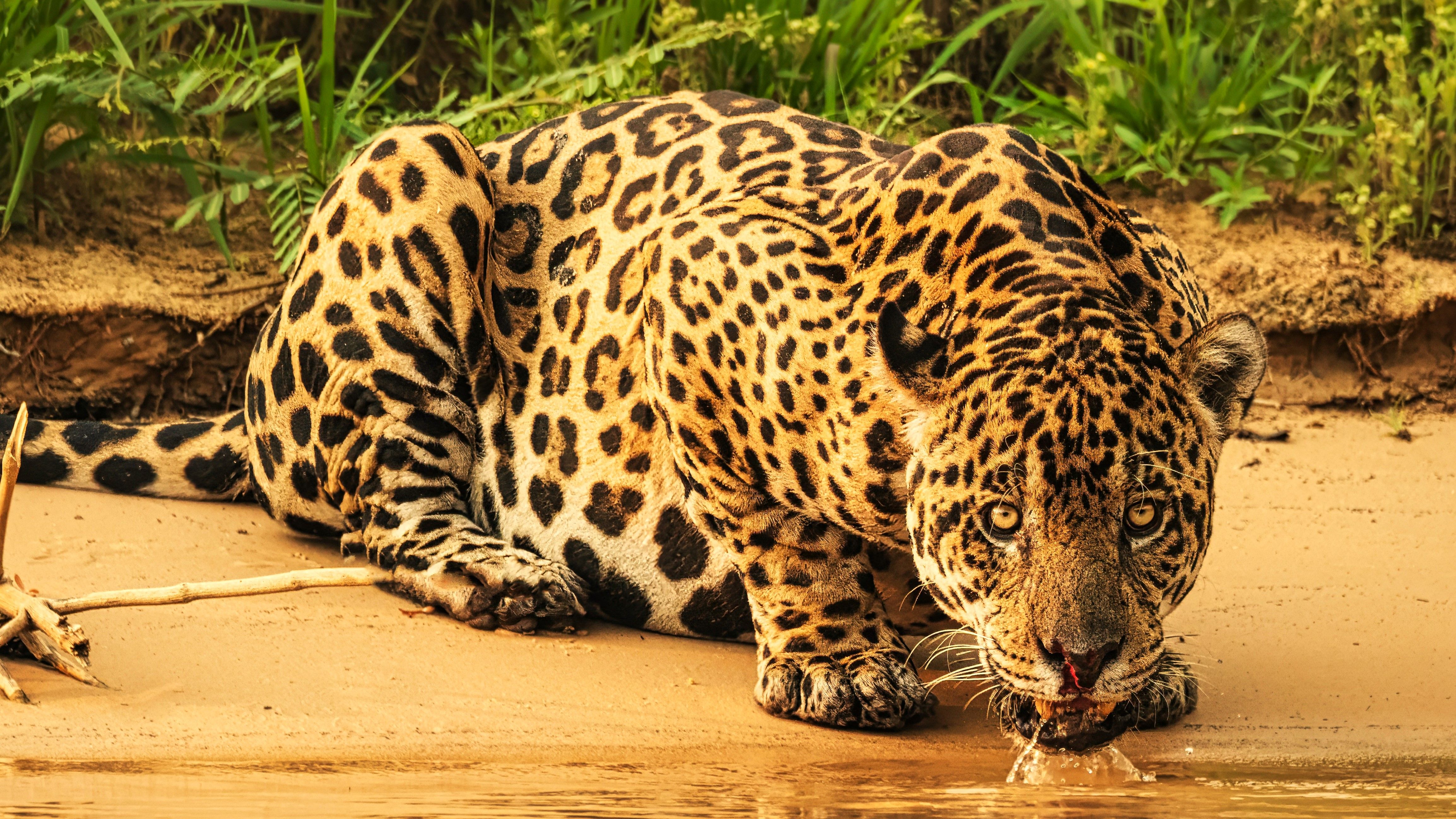
The jaguar in Arizona is more than just an animal; it is a symbol of the wild heart of the American Southwest. Its occasional passage through the mountains and deserts serves as a poignant reminder of what is at stake when we consider the future of our natural world. The question of whether jaguars are native to Arizona is answered with a resounding “yes,” not necessarily in terms of permanent residency, but as a vital part of their historical and dynamic range. Their presence, however fleeting, enriches the ecological tapestry of the region and calls for our continued vigilance in protecting the wild places that allow such extraordinary creatures to roam. The ongoing efforts to ensure their passage and survival are a testament to the enduring belief in the power of nature and the profound importance of preserving its most magnificent inhabitants.
LifeOutOfTheBox is a participant in the Amazon Services LLC Associates Program, an affiliate advertising program designed to provide a means for sites to earn advertising fees by advertising and linking to Amazon.com. Amazon, the Amazon logo, AmazonSupply, and the AmazonSupply logo are trademarks of Amazon.com, Inc. or its affiliates. As an Amazon Associate we earn affiliate commissions from qualifying purchases.