
The iconic musical Chicago is a scintillating spectacle of satire, scandal, and sensationalism, taking audiences on a thrilling journey back to the roaring Jazz Age of the 1920s. Far more than just a historical snapshot, it delves into the dark underbelly of celebrity culture, media manipulation, and the American justice system, all set against a backdrop of dazzling dance numbers and unforgettable songs. For travelers seeking an immersive cultural experience, understanding what Chicago is about isn’t just about the plot; it’s about appreciating a pivotal piece of theatrical history that continues to captivate audiences worldwide. Whether you’re planning a trip to the vibrant city of Chicago itself, aiming to catch a Broadway show in New York City, or exploring the cultural offerings of any major global destination, Chicago represents a pinnacle of musical theater that speaks to timeless themes. It’s a must-see attraction that offers a unique lens through which to explore aspects of American society, making it a compelling addition to any travel itinerary focused on arts, culture, and entertainment.
Unveiling the Scandalous Heart of Jazz Age Chicago
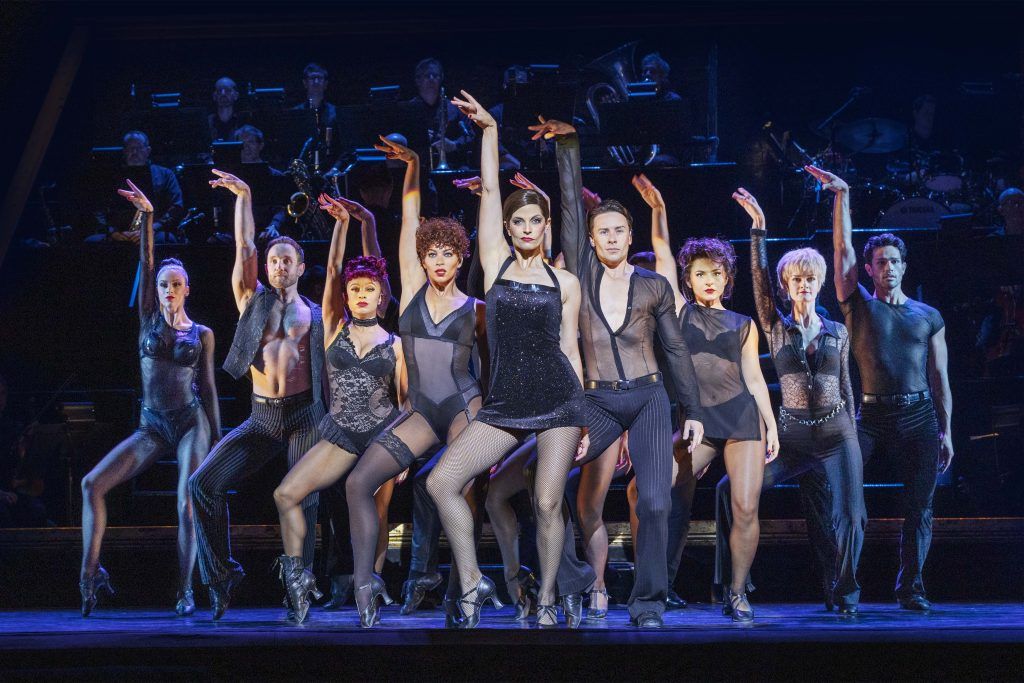
At its core, Chicago is a cautionary tale draped in the glittering allure of show business. It’s a cynical yet utterly entertaining exposé of how crime, particularly when committed by attractive women, can be spun into a lucrative commodity under the relentless glare of the media. The musical is renowned for its minimalist staging, its Bob Fosse-choreographed dance sequences, and a score that pulsates with the energy and cynicism of the era.
A Tale of Murder, Media, and Mayhem
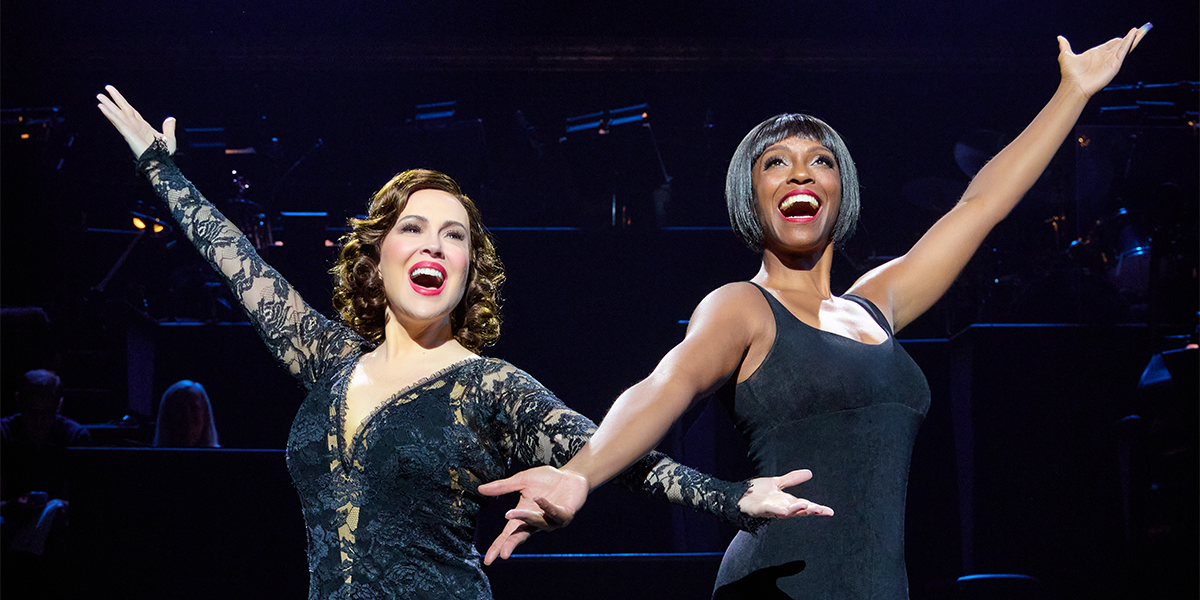
The story centers on two rival vaudevillian murderesses, Velma Kelly and Roxie Hart, who find themselves incarcerated in the Cook County Jail during the 1920s. Velma Kelly, a seasoned performer, is already a local celebrity, having murdered her husband and sister after catching them in bed together. She’s adept at navigating the murky waters of media attention and legal loopholes. Her reign as the “most sensational murderess” is threatened by the arrival of Roxie Hart, a chorus girl who shoots her lover after he tries to leave her.
Roxie Hart, initially distraught, quickly learns the ropes from Matron “Mama” Morton, the corrupt jailer who believes in “you scratch my back, and I’ll scratch yours.” Under Mama Morton’s tutelage, Roxie hires Billy Flynn, the slickest defense attorney in Chicago, known for his ability to transform scandalous criminals into sympathetic figures for the press. Billy Flynn masterfully manipulates public opinion through sensationalized newspaper headlines and carefully crafted narratives, turning Roxie’s sordid affair into a tragic tale of betrayal and self-defense.
As Roxie’s fame skyrockets, Velma finds her spotlight diminishing, leading to a bitter rivalry between the two women. The musical cleverly uses the concept of a vaudeville show, with each song presented as a separate act, to highlight the theatricality of the courtroom dramas and the performative nature of their quest for freedom and celebrity. Numbers like “All That Jazz,” “Cell Block Tango,” “Razzle Dazzle,” and “Nowadays” have become iconic, encapsulating the show’s dark humor and biting commentary on justice and fame. Ultimately, Chicago satirizes the American obsession with celebrity, the flawed nature of its legal system, and the cynical manipulation of truth by the media.

The Masterminds Behind the Musical
The genesis of Chicago is as intriguing as its plot. The musical is based on a 1926 play of the same name by reporter Maurine Dallas Watkins, who covered actual murder trials in Chicago during the Jazz Age. Her firsthand accounts of how female defendants manipulated the press to gain public sympathy provided the authentic, cynical foundation for the story.
Decades later, the creative genius of composer John Kander, lyricist Fred Ebb, and choreographer-director Bob Fosse brought Watkins‘ play to the musical stage. Kander and Ebb, already legendary for their work on Cabaret, injected the story with their signature blend of wit, cynicism, and show-stopping musical numbers. Bob Fosse’s distinctive choreographic style – characterized by isolated movements, slouching postures, and a sensual, often predatory energy – became synonymous with the show, defining its visual language and setting it apart. His vision transformed the stage into a seductive, smoky nightclub, where every movement and note served to underscore the musical’s themes of corruption and desire. The original 1975 Broadway production, though critically acclaimed, was overshadowed by the groundbreaking A Chorus Line. However, its 1996 Broadway revival, stripped down and intensified, became a global phenomenon, winning multiple Tony Awards and cementing its place as one of the longest-running and most influential musicals of all time.
Experiencing Chicago: Beyond the Stage Lights
For travelers and tourism enthusiasts, Chicago offers more than just a captivating story; it provides a unique entry point into the culture and history of the city it’s named after, as well as the broader world of live theater. Integrating a viewing of the musical into your travel plans can elevate a simple trip into a profound cultural experience, connecting you with the heart of entertainment and the vibrant spirit of urban exploration.
Integrating the Musical into Your Chicago Itinerary
If you’re journeying to Chicago, experiencing the musical (whether it’s on tour or a local production) can be an incredibly enriching complement to your visit. The musical captures the essence of the city’s Jazz Age reputation—a time of speakeasies, mobsters, and burgeoning modern culture. Attending a performance allows you to step directly into the atmosphere the musical so vividly portrays. It’s an attraction that provides context and flavor, much like visiting a historical landmark. Following a matinee performance, you might explore the city’s architectural wonders or delve into its culinary scene, perhaps even seeking out a jazz club to continue the immersive experience.
Beyond Chicago, the musical is a staple on Broadway in New York City and in the West End in London, making it a prime target for those on a travel itinerary focused on world-class theater. Seeing Chicago in the heart of the Theater District in New York City is an experience in itself, positioning you perfectly to explore other Broadway productions, renowned restaurants, and iconic landmarks like Times Square. It’s an activity that blends seamlessly into a travel guide for culture vultures and entertainment seekers.
Where to Stay: Hotels and Accommodation for Theater Lovers
When planning to see Chicago or any major theatrical production, choosing the right accommodation can significantly enhance your overall experience. For those attending a show on Broadway, staying in or near the Theater District in New York City offers unparalleled convenience. Options range from luxury resorts with opulent amenities to chic boutique hotels offering a more intimate stay. Consider the Marriott Marquis or the Times Square EDITION for top-tier experiences, or the CitizenM Times Square for a stylish yet budget-conscious choice. These hotels often have booking packages that include show tickets or dining credits, appealing to those seeking a full lifestyle experience.
In Chicago, the city’s vibrant Loop neighborhood is home to many theaters and offers a diverse array of hotels. The historic Palmer House Hilton provides a blend of grandeur and proximity, while the Godfrey Hotel Chicago offers a more contemporary and luxurious atmosphere. For families or longer stays, apartment-style accommodations or serviced residences can provide more space and amenities. Regardless of your destination, comparing hotels based on their proximity to the theater, reviews, and amenities (such as fine dining, spas, or easy access to public transport) is key to a seamless cultural getaway. Many travelers consider attending a Broadway or West End show a luxury travel experience, making premium hotel choices a natural fit.
Exploring Chicago’s Roaring Twenties Echoes
The musical Chicago is deeply rooted in the city’s tumultuous and fascinating past. Tourists visiting Chicago can take guided tours that explore the real-life locations and stories that inspired Maurine Dallas Watkins’ original play. Consider an “Untouchables” tour that delves into the city’s Prohibition-era history, infamous mobsters like Al Capone, and the speakeasies that defined the Jazz Age. While the specific Cook County Jail featured in the musical is fictionalized, understanding the city’s legal and political landscape of the era adds layers of appreciation to the show.
Beyond the criminal underworld, Chicago of the 1920s was a hub of architectural innovation and cultural flourishing. Architectural boat tours on the Chicago River offer a glimpse into the city’s historic skyline, some buildings dating back to the very period Chicago is set in. Visiting jazz clubs, many of which echo the style and spirit of the Prohibition era, can further immerse you in the musical’s atmosphere. Landmarks such as the Art Institute of Chicago and the Chicago Theatre offer glimpses into the city’s rich artistic and entertainment heritage. Connecting these real-world landmarks and activities to the narrative of Chicago the musical enriches your overall travel experience, transforming a simple sightseeing trip into a journey through history and culture.
The Global Phenomenon: Chicago’s Enduring Legacy
The musical’s universal appeal and timeless themes have solidified its status as a global phenomenon. Its story, characters, and iconic music transcend cultural boundaries, resonating with audiences in diverse locales around the world.
Broadway and Beyond: A Worldwide Sensation
Following its initial 1975 run, the 1996 Broadway revival of Chicago became a sensation, winning six Tony Awards, including Best Revival of a Musical. It has since become the longest-running American musical in Broadway history and the second longest-running show overall, a testament to its enduring power and relevance. The success extended across the Atlantic to London’s West End, where it also enjoyed immense popularity and critical acclaim.
Beyond these major theater hubs, Chicago has been performed in over 36 countries and translated into 12 languages, with countless national and international tours. From Tokyo to Berlin, Sydney to Rio de Janeiro, audiences have embraced the story of Roxie and Velma, proving that the allure of celebrity, the thirst for fame, and the corruption of justice are themes that resonate universally. The 2002 film adaptation, starring Renée Zellweger, Catherine Zeta-Jones, and Richard Gere, further broadened the musical’s reach, earning six Academy Awards, including Best Picture. This widespread success underscores Chicago‘s place not just as a theatrical production, but as a significant cultural landmark in its own right, influencing popular culture globally.
Why Chicago Resonates Today: Themes of Fame and Justice
The enduring appeal of Chicago lies in its satirical yet piercing exploration of themes that remain strikingly relevant in contemporary society. The musical’s critique of the media’s power to shape public perception and create instant celebrities out of criminals feels even more potent in the age of 24/7 news cycles, social media, and reality television. The transformation of Roxie Hart from a small-time chorus girl to a notorious media darling mirrors many modern narratives of overnight fame, regardless of the merit or morality of the acts that spawn it.
Furthermore, the show’s cynical portrayal of the justice system, where charisma and skillful legal manipulation can outweigh truth and innocence, continues to spark discussion. It challenges audiences to question the integrity of legal proceedings and the concept of justice itself, particularly when influenced by public opinion and a lawyer like Billy Flynn, whose only objective is to “razzle dazzle ’em.” These timeless themes ensure that Chicago is not merely a period piece but a sharp, witty, and profoundly insightful commentary on human nature and societal flaws that remain pertinent, making it an engaging experience for travelers interested in local culture and the larger human condition.
In conclusion, Chicago is a masterpiece of musical theater that skillfully blends entertainment with poignant social commentary. It’s a vibrant, exhilarating, and often unsettling reflection on the pursuit of fame, the manipulation of justice, and the seductive power of performance. For any traveler or tourism enthusiast, experiencing Chicago on stage offers a thrilling glimpse into the heart of Jazz Age America, wrapped in dazzling dance and unforgettable songs. Whether you’re planning a sophisticated luxury trip focused on cultural immersion or a budget-friendly adventure seeking authentic local experiences, incorporating Chicago into your itinerary provides an enriching and unforgettable journey into the world of one of theater’s greatest productions. It’s an essential experience that speaks to the very core of what it means to be captivated by a story, making it a pivotal highlight in any travel guide.
LifeOutOfTheBox is a participant in the Amazon Services LLC Associates Program, an affiliate advertising program designed to provide a means for sites to earn advertising fees by advertising and linking to Amazon.com. Amazon, the Amazon logo, AmazonSupply, and the AmazonSupply logo are trademarks of Amazon.com, Inc. or its affiliates. As an Amazon Associate we earn affiliate commissions from qualifying purchases.