
When planning a trip to the vast plains and stunning landscapes of North Dakota, many travelers envision serene prairies, rich historical sites, and vibrant communities. However, a common query, particularly for those unfamiliar with the region’s climate, often arises: does North Dakota experience tornadoes? The simple answer is yes, it does. Understanding the climatological realities of the “Flickertail State” is an essential aspect of responsible travel planning, ensuring visitors can enjoy their experience safely and knowledgeably. Far from being an insurmountable deterrent, recognizing the potential for severe weather allows for informed preparation, enabling a deeper appreciation of all North Dakota has to offer.
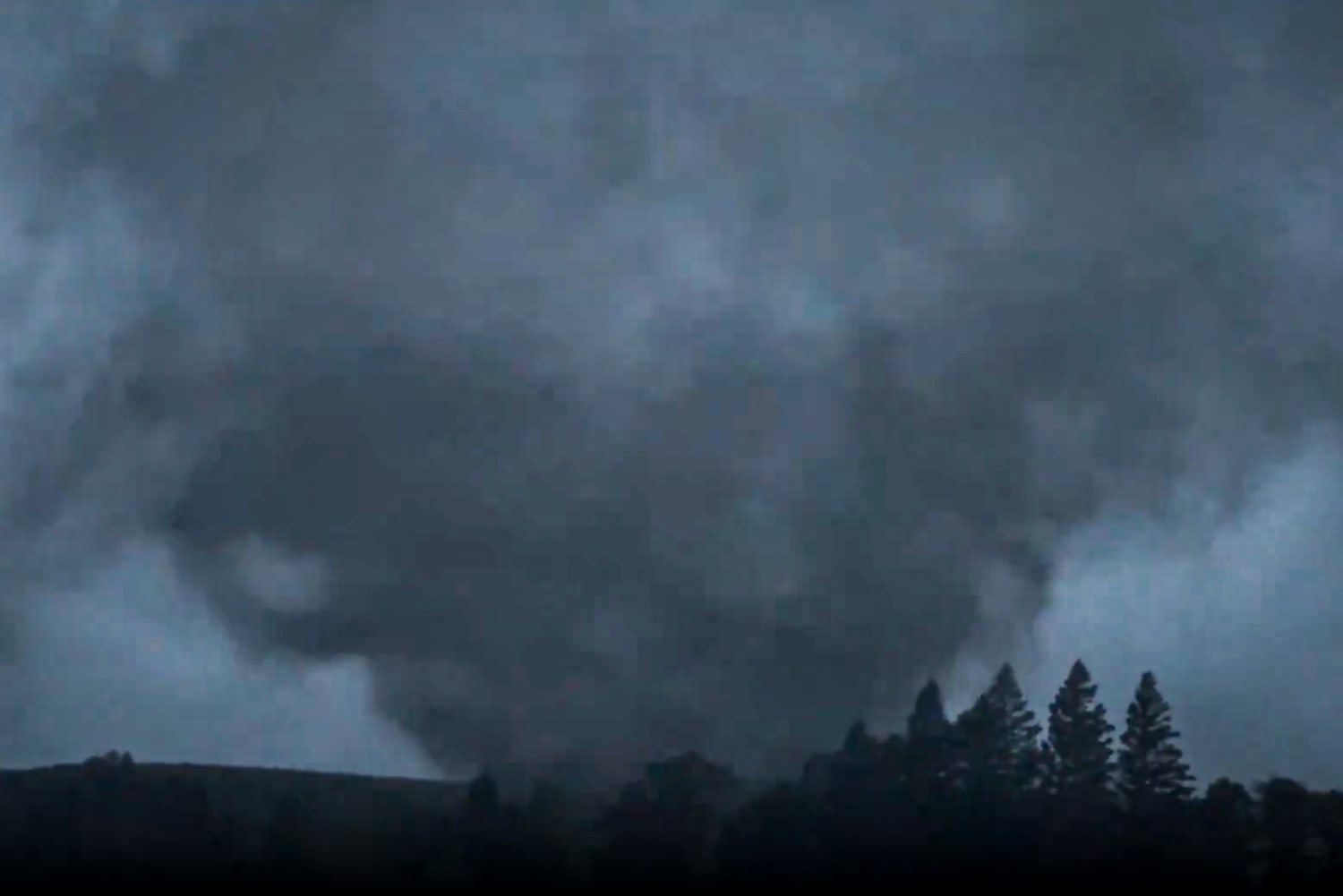
The Climatological Reality of Tornadoes in the Flickertail State
North Dakota, like much of the central United States, is situated within a geographic area conducive to the formation of severe thunderstorms, which can sometimes produce tornadoes. The state’s position in the northern plains means it experiences a unique blend of air masses – warm, moist air from the Gulf of Mexico clashing with cool, dry air from the Rocky Mountains and cold air from Canada. This interaction creates the atmospheric instability often required for tornadic activity. While not as frequently associated with “Tornado Alley” as states further south like Oklahoma or Kansas, North Dakota certainly has its share of severe weather events.
North Dakota’s Place in Tornado Alley
Historically, the classic definition of Tornado Alley encompassed a swath of states from Texas northwards through Oklahoma, Kansas, Nebraska, and parts of Iowa and Missouri. However, climatologists and meteorologists increasingly recognize that severe weather patterns, including tornado occurrences, are dynamic and can shift. The northern plains, including North Dakota, have long been acknowledged as part of a broader region susceptible to tornadoes, sometimes referred to as “Dixie Alley” or even an extension of Tornado Alley itself. The state typically ranks among the top half of U.S. states in terms of average annual tornado occurrences, demonstrating that while less famous for them than its southern counterparts, tornadoes are a definite, albeit infrequent, consideration for travelers. Cities like Fargo, Grand Forks, and Bismarck have all experienced significant tornado events in their histories, serving as reminders of this meteorological reality.
Seasonal Peaks and Geographical Tendencies
The primary tornado season in North Dakota generally runs from late spring through late summer, with a peak often observed in June and July. During these months, the atmospheric conditions are most favorable for severe thunderstorm development. While tornadoes can occur at any time of day, they are most common in the late afternoon and early evening hours, between 3 p.m. and 9 p.m. local time, when daytime heating is at its maximum, contributing to increased instability.
Geographically, tornadoes in North Dakota can occur anywhere across the state. However, the eastern half, particularly the Red River Valley region, is sometimes cited as having a slightly higher frequency due to its flatter topography and the influence of air masses from the Great Lakes and Gulf of Mexico. That said, visitors exploring the rugged Badlands in western North Dakota or the agricultural heartland in the central part of the state should remain equally vigilant and aware of weather forecasts, as no region is entirely immune.
Understanding Tornado Risk for Travelers
For any traveler, understanding the actual risk associated with natural phenomena like tornadoes is key to informed decision-making. It’s crucial to differentiate between the possibility of an event and the probability of being directly impacted. While tornadoes do occur in North Dakota, the likelihood of a traveler encountering one directly is statistically very low. However, being prepared for severe weather alerts and knowing how to react is a fundamental aspect of safe travel, especially for those venturing into outdoor areas or unfamiliar territories.
Dispelling Myths vs. Acknowledging Realities
One common myth is that tornadoes only strike mobile homes or specific types of buildings. The reality is that a powerful tornado can damage or destroy any structure in its path, regardless of construction. Another misconception is that one can outrun a tornado in a vehicle. While vehicles can be used to evacuate an area, seeking sturdy shelter is generally the safest course of action when a tornado is imminent, as visibility can be poor and debris can turn a car into a dangerous projectile.
The reality for travelers in North Dakota is that severe weather, including thunderstorms with high winds and hail, is more common than actual tornadoes. These storms, while not always tornadic, can still pose significant risks. Flash flooding, lightning, and strong straight-line winds can be just as dangerous. Travelers should acknowledge that severe weather is a part of the regional climate and integrate awareness into their travel plans, similar to how one might prepare for heavy snowfall in winter or intense heat in the desert.
Statistical Overview and Intensity
On average, North Dakota experiences around 30-40 tornadoes annually. Most of these are weaker, short-lived events (EF0 or EF1 on the Enhanced Fujita scale) that cause minimal damage or occur in sparsely populated areas. However, the state has recorded stronger tornadoes, including those classified as EF2, EF3, or even EF4, which can cause significant destruction. For instance, the infamous Fargo tornado of 1957 was an F5 (the predecessor to the EF scale) that caused widespread damage and fatalities. More recently, in 2010, an EF4 tornado struck the city of Bowman and an EF3 tornado impacted areas near Minot.
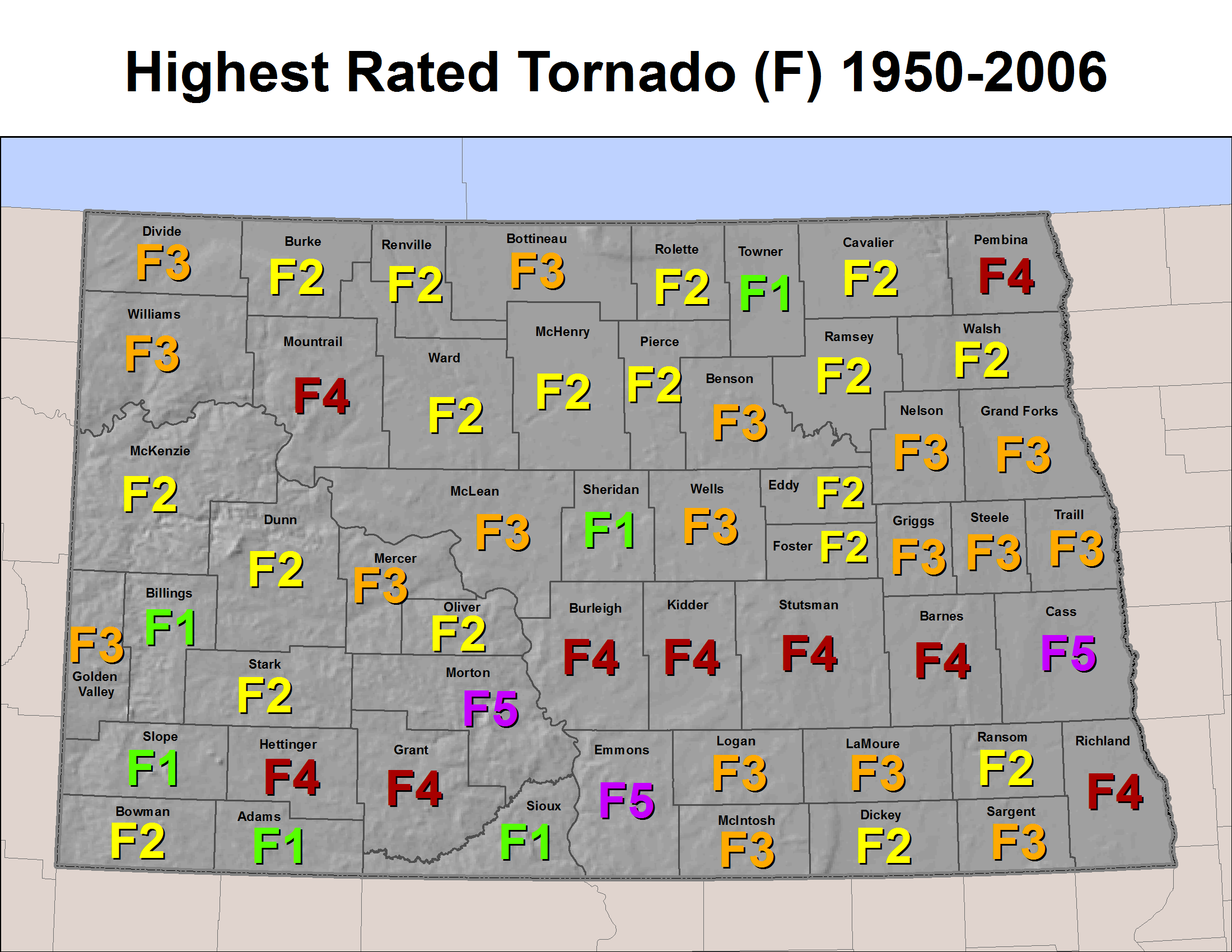
These statistics highlight the importance of not dismissing the threat, but rather approaching it with a balanced perspective. The vast majority of travelers to North Dakota will never encounter a tornado, but being informed about the possibilities ensures a safer and more confident exploration of the state’s many attractions.
Preparing for Severe Weather During Your North Dakota Travel
Being prepared for severe weather is not about living in fear, but about empowering yourself with knowledge and resources. For travelers to North Dakota, this means understanding how to stay informed, what actions to take, and how to select accommodations that offer peace of mind.
Essential Safety Tips and Resources
The cornerstone of severe weather preparedness is staying informed. Before and during your trip, make it a habit to check weather forecasts regularly, especially if you plan outdoor activities.
- Monitor Local Forecasts: Utilize reputable weather sources such as the National Weather Service (NWS) website or trusted local news channels for the specific areas you’ll be visiting. Many smartphone apps offer real-time weather alerts.
- Understand Alerts: Familiarize yourself with the difference between a “Tornado Watch” (conditions are favorable for tornadoes in and near the watch area) and a “Tornado Warning” (a tornado has been sighted or indicated by radar, posing an imminent threat). During a warning, immediate action is required.
- Have a Communication Plan: Ensure your cell phone is charged, and consider carrying a portable power bank. Have a way to receive emergency alerts, such as signing up for local emergency notifications if available, or using a weather radio.
- Identify Shelter: Upon arrival at any destination or accommodation, identify the safest place to take shelter in the event of a tornado. This is typically an interior room on the lowest floor of a sturdy building, away from windows. Basements or designated storm shelters are ideal.
- If Outdoors: If caught outdoors during a tornado warning, seek the lowest ground available (like a ditch or culvert) and lie flat, covering your head with your arms. Never try to hide under an overpass or bridge, as these offer no protection and can become wind tunnels.
Choosing Accommodations with Safety in Mind
When booking lodging in North Dakota, particularly during the severe weather season, it’s prudent to inquire about their severe weather protocols and shelter options. Many modern hotels and motels are constructed to higher standards and may have designated safe areas.
- Ask About Storm Shelters: When making reservations, ask if the property has a basement, a reinforced interior space, or a community storm shelter.
- Check Hotel Information: Upon check-in, review any emergency information provided by the hotel. Many properties will have instructions posted in rooms regarding what to do in case of a fire or severe weather.
- Consider Local Stays: If staying in a vacation rental or with locals, discuss their severe weather plan. Many North Dakota residents are well-versed in storm preparedness.
Beyond the Storm: Exploring North Dakota Safely
While understanding the potential for tornadoes is important, it should not overshadow the myriad of incredible experiences awaiting travelers in North Dakota. With sensible precautions and an informed approach, visitors can fully immerse themselves in the state’s unique charm, from its majestic natural parks to its vibrant cultural attractions.
Iconic Attractions and Outdoor Pursuits
North Dakota boasts a wealth of attractions perfect for adventurers and history buffs alike. Theodore Roosevelt National Park, with its stunning Badlands topography, is a must-visit for hiking, wildlife viewing, and scenic drives. The Maah Daah Hey Trail offers an epic journey for mountain bikers and hikers through some of the most remote and beautiful landscapes. For those interested in history, Fort Abraham Lincoln State Park near Mandan provides a glimpse into frontier life and Native American history. The expansive Lake Sakakawea is a paradise for fishing, boating, and water sports.
When enjoying these outdoor pursuits, always be mindful of changing weather conditions. Many parks and recreational areas have visitor centers that can provide up-to-date weather information and safety guidelines. Carrying a fully charged phone, water, and appropriate gear for varying conditions is always advisable.
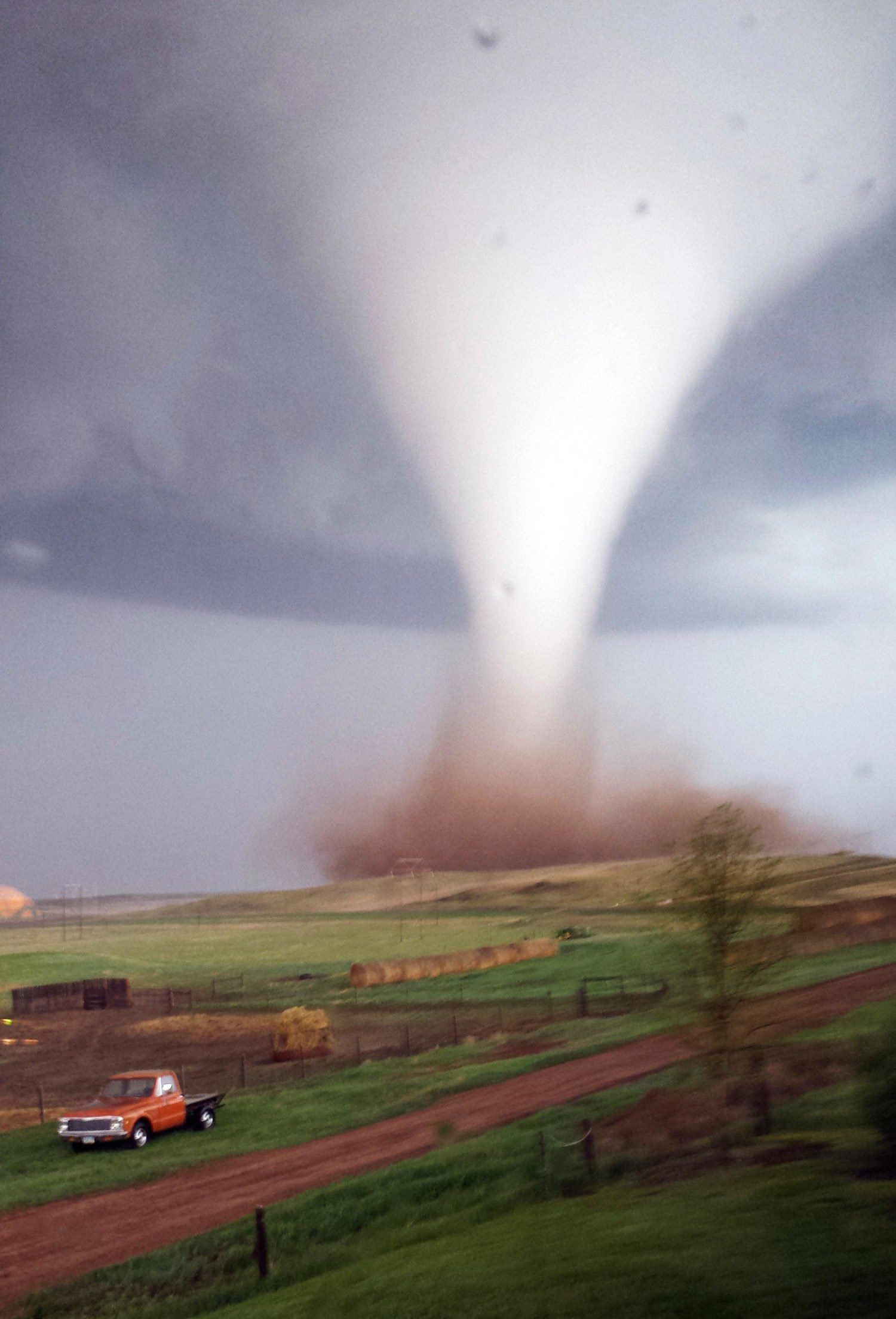
Embracing the Local Experience with Awareness
From exploring the vibrant downtowns of Fargo and Bismarck to experiencing the serene beauty of the International Peace Garden on the border with Canada, North Dakota offers a rich tapestry of cultural and recreational experiences. Enjoy a scenic ride on the Lewis & Clark Riverboat or delve into the state’s agricultural heritage at various museums and historical sites.
Locals in North Dakota are generally very aware of severe weather patterns and are often excellent sources of information and guidance. Don’t hesitate to ask hotel staff, park rangers, or residents for advice on local conditions or what to do in an emergency. Their insights can be invaluable. By combining a healthy respect for nature’s power with practical preparedness, travelers can confidently explore the vast, welcoming, and endlessly fascinating state of North Dakota, making memories that will last a lifetime, come rain or shine – or even the occasional tornado warning.
LifeOutOfTheBox is a participant in the Amazon Services LLC Associates Program, an affiliate advertising program designed to provide a means for sites to earn advertising fees by advertising and linking to Amazon.com. Amazon, the Amazon logo, AmazonSupply, and the AmazonSupply logo are trademarks of Amazon.com, Inc. or its affiliates. As an Amazon Associate we earn affiliate commissions from qualifying purchases.