
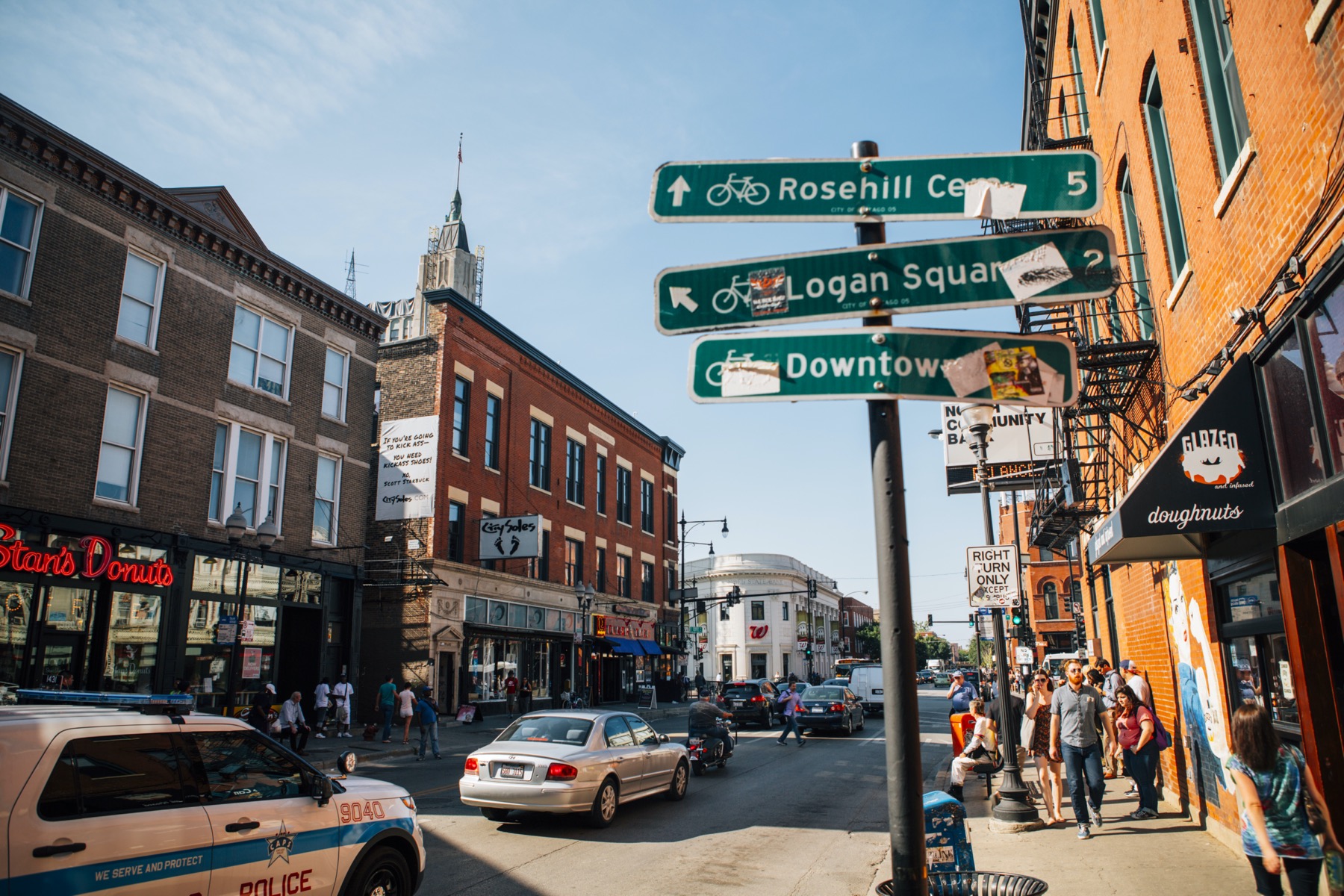
Wicker Park, a vibrant and historic neighborhood on the northwest side of Chicago, Illinois, has long been a magnet for artists, musicians, and young professionals. Known for its Victorian architecture, bustling nightlife, independent boutiques, and diverse dining scene, it offers a distinct urban experience that draws visitors from around the globe. However, for any traveler planning a visit, a fundamental question often arises: “Is Wicker Park safe?” This article delves into the various facets of safety in this dynamic area, providing insights for travelers to navigate and enjoy all it has to offer with confidence.
Understanding Wicker Park’s Appeal and Evolution
To assess the safety of Wicker Park, it’s essential to understand its context within Chicago and its ongoing evolution. Once a haven for working-class immigrants and later a bohemian enclave, Wicker Park has undergone significant gentrification over the past few decades. This transformation has brought both economic prosperity and increased scrutiny regarding its urban environment.
A Brief History and Vibe
The neighborhood’s roots trace back to the mid-19th century, when it became a favored residential area for wealthy German and Scandinavian immigrants, leaving behind a legacy of impressive mansions and wide boulevards. The iconic intersection known as “Six Corners” (where Milwaukee Avenue, Damen Avenue, and North Avenue converge) serves as the vibrant heart of the area, pulsating with shops, restaurants, and bars. Today, Wicker Park maintains its independent spirit while embracing a more polished, upscale identity. It’s a place where historic charm meets modern trends, creating a unique atmosphere that is undeniably alluring for travelers seeking an authentic Chicago experience beyond the typical tourist traps.
Demographics and Development
The demographic shift in Wicker Park has seen an influx of higher-income residents and businesses, contributing to cleaner streets, better infrastructure, and a general sense of investment in the community. This development often correlates with improved public safety, as engaged residents and thriving businesses tend to foster a more secure environment. The neighborhood is predominantly residential with commercial corridors, meaning there’s a constant presence of people, which can deter certain types of crime. Its proximity to other desirable neighborhoods like Bucktown and Logan Square also adds to its appeal and overall stability.
Safety Metrics and Perception
Evaluating the safety of any urban neighborhood requires looking beyond anecdotal evidence and considering both statistical data and local perception. While no major metropolitan area is entirely crime-free, understanding the types of incidents that occur and their frequency is crucial for travelers.
Crime Rates in Context
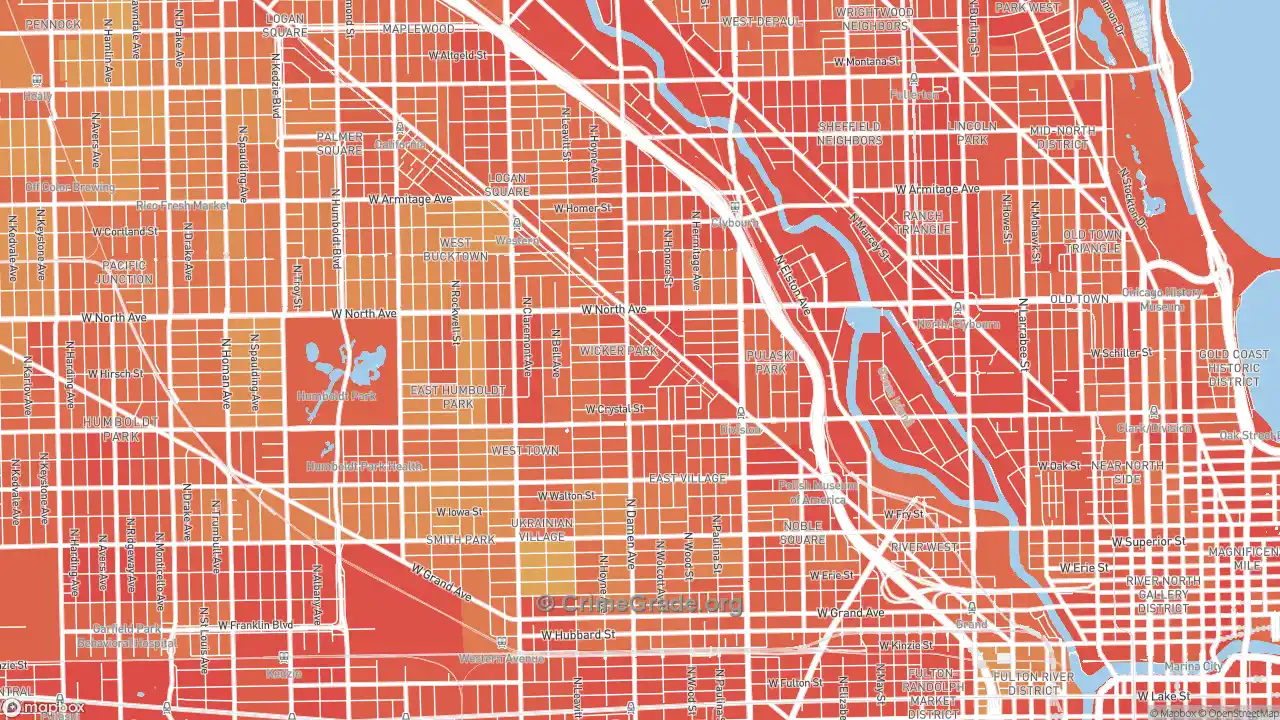
Compared to Chicago’s citywide averages, Wicker Park generally maintains a lower incidence of violent crime. Property crimes, such as theft, car break-ins, and burglaries, are more common, which is typical for affluent, bustling urban areas. These incidents often target opportunities (unlocked doors, visible valuables in cars) rather than individuals. The Chicago Police Department provides public access to crime statistics, and a review of data for the 14th District (which includes Wicker Park and Bucktown) reveals a relatively stable or decreasing trend in serious violent offenses over recent years. While incidents do occur, they are not typically random attacks on tourists.
Common Concerns for Visitors
Travelers’ primary concerns in Wicker Park often revolve around petty theft, especially during crowded evening hours or near public transportation hubs. Pickpocketing, particularly on the CTA Blue Line and at busy stations, is a possibility, as it is in any major city. Another concern might be late-night revelry and associated disturbances, as the area is popular for its bars and live music venues. While these incidents are generally not dangerous, they can contribute to a feeling of unease if one is not accustomed to urban nightlife.
Local Initiatives and Community Involvement
The residents and business owners in Wicker Park are actively involved in maintaining the neighborhood’s safety and quality of life. Various community organizations, such as the Wicker Park Committee and the Wicker Park Bucktown Chamber of Commerce, work closely with local police to address concerns, organize neighborhood watches, and promote community engagement. These initiatives contribute significantly to creating a safer environment, as a vigilant and organized community is often the best deterrent to crime. Enhanced lighting, surveillance cameras in commercial areas, and increased police patrols during peak times are also common efforts.
Practical Safety Tips for Travelers
While Wicker Park is generally safe, adopting smart travel practices can significantly enhance your experience and minimize any potential risks. These tips are applicable to any major city but are particularly relevant for enjoying Wicker Park’s unique characteristics.
Day vs. Night Exploration
During the day, Wicker Park is bustling with shoppers, diners, and families, making it feel very safe and inviting. Exploring its streets, parks, and boutiques during daylight hours poses minimal risk. At night, the commercial corridors (Milwaukee Avenue, Division Street, and Damen Avenue) remain lively and well-lit, with plenty of people around. However, residential side streets can become quiet and less lit. If walking alone at night, it’s advisable to stick to main thoroughfares or consider rideshares for longer distances, especially if returning from bars or venues. Travel in groups whenever possible.
Transportation and Awareness
Public transportation, particularly the CTA Blue Line, offers convenient access to and from Wicker Park, connecting it directly to O’Hare International Airport and downtown Chicago. When using public transit, especially during crowded periods, remain aware of your surroundings. Keep bags secured and close to your body, and avoid displaying expensive electronics or large amounts of cash. Rideshare services like Uber and Lyft are widely available and provide a safe alternative, particularly late at night. Always confirm your driver and vehicle details before entering. If driving, be mindful of parking regulations and avoid leaving valuables visible inside your car.
Protecting Valuables
As with any popular urban destination, opportunistic theft can occur. To protect your belongings:
- Be Mindful of Bags: Wear bags cross-body or keep backpacks in front of you in crowded areas. Avoid leaving bags unattended, even for a moment.
- Secure Wallets and Phones: Keep wallets in front pockets and phones out of sight when not in use. Avoid setting phones down on restaurant tables or bar counters.
- ATM Usage: Use ATMs during daylight hours in well-lit, public locations. Be aware of anyone loitering nearby.
- Travel Light: Consider carrying only essential documents and a limited amount of cash. Leave important documents and excess cash secured at your accommodation.
Exploring Wicker Park with Confidence
With a conscious approach to personal safety, travelers can fully immerse themselves in the rich experiences Wicker Park offers. The neighborhood is designed for exploration, from its tree-lined streets to its vibrant commercial hubs.
Popular Spots and How to Enjoy Them Safely
The intersection of Milwaukee Avenue, Damen Avenue, and North Avenue is the main pulse of Wicker Park. Here you’ll find an array of shops, cafes, and eateries. Walking these main streets is very safe, day or night, due to constant pedestrian traffic and commercial activity. Wicker Park’s eponymous park offers green space for relaxation; it’s generally safe during the day but, like all parks, should be avoided after dark. Enjoying the nightlife means exercising common sense: don’t over-consume alcohol, stay with your group, and ensure you have a safe way to get back to your lodging.
Neighboring Areas and Their Safety Profiles
Wicker Park’s location provides easy access to several other desirable neighborhoods, most of which share a similar safety profile or are even safer. Bucktown, directly north, is considered equally safe and features more upscale boutiques and restaurants. Logan Square, to the northwest, is also quite popular and generally safe, known for its boulevards and cultural attractions. West Town, to the east and south, also offers safe areas and a burgeoning arts scene. While exploring beyond Wicker Park’s immediate vicinity, always refer to local guides or crime statistics for specific areas if you have concerns, just as you would for any part of a major city. Areas far to the west or south of Wicker Park might present different safety considerations, so general urban awareness is always key.

The Verdict: Is Wicker Park Right for Your Trip?
For travelers seeking an authentic, vibrant, and culturally rich Chicago experience, Wicker Park is an excellent choice. It is, by and large, a safe neighborhood, particularly within its main commercial and residential corridors. Like any major urban area, it requires a degree of awareness and common sense, especially regarding property crime and late-night activities. By staying vigilant, being aware of your surroundings, and utilizing smart travel practices, visitors can confidently explore the unique charm, dining, shopping, and entertainment that Wicker Park proudly offers. Its combination of historic beauty, modern amenities, and a lively atmosphere makes it a compelling destination for any traveler, where safety concerns can be effectively managed with a proactive approach.
LifeOutOfTheBox is a participant in the Amazon Services LLC Associates Program, an affiliate advertising program designed to provide a means for sites to earn advertising fees by advertising and linking to Amazon.com. Amazon, the Amazon logo, AmazonSupply, and the AmazonSupply logo are trademarks of Amazon.com, Inc. or its affiliates. As an Amazon Associate we earn affiliate commissions from qualifying purchases.