
When planning a trip to a new destination, travelers often consider various factors beyond just the famous landmarks or culinary scene. The social and political climate, including local policies related to immigration, can sometimes influence perceptions of welcome, safety, and community integration. For those considering a visit to North Dakota, the question of whether it operates as a “sanctuary state” might arise, especially for travelers keen on understanding the local culture and community dynamics. Understanding a state’s official stance and its practical implications can offer a more complete picture of what to expect during your travels.
Understanding “Sanctuary State” Status in a Tourism Context
The term “sanctuary state” or “sanctuary city” typically refers to jurisdictions that have policies or laws designed to limit their cooperation with federal immigration enforcement agencies, primarily U.S. Immigration and Customs Enforcement (ICE). These policies often aim to protect undocumented immigrants from deportation by not using local resources to enforce federal immigration laws. From a tourism perspective, knowing a destination’s approach to such policies can hint at its broader philosophy on inclusivity, diversity, and community support, which in turn shapes the cultural atmosphere experienced by visitors.
Defining Sanctuary Policies
Generally, sanctuary policies manifest in several ways:
- Limiting Information Sharing: Local law enforcement agencies may not share information about individuals’ immigration status with federal authorities.
- Refusing Detainer Requests: They may decline requests from ICE to hold individuals in local custody beyond when they would otherwise be released.
- Non-Assistance with Raids: Local police might not assist ICE in immigration raids or enforcement actions.
It’s crucial to understand that these policies do not mean that federal immigration laws are not enforced within these jurisdictions, nor do they confer legal sanctuary in the traditional sense. Rather, they represent a conscious decision by local governments to prioritize local community trust and resource allocation over assisting federal immigration efforts.
North Dakota’s Official Stance
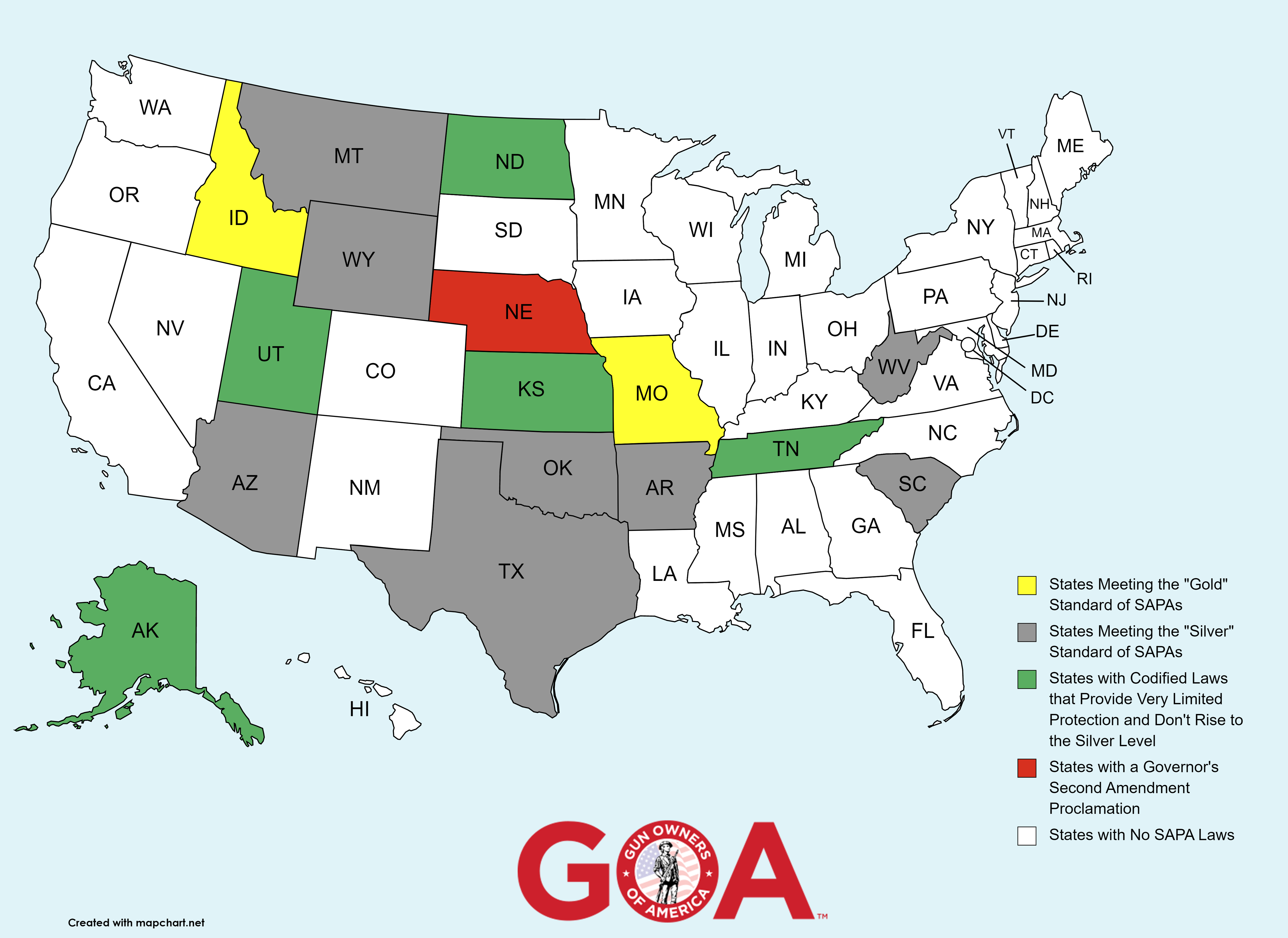
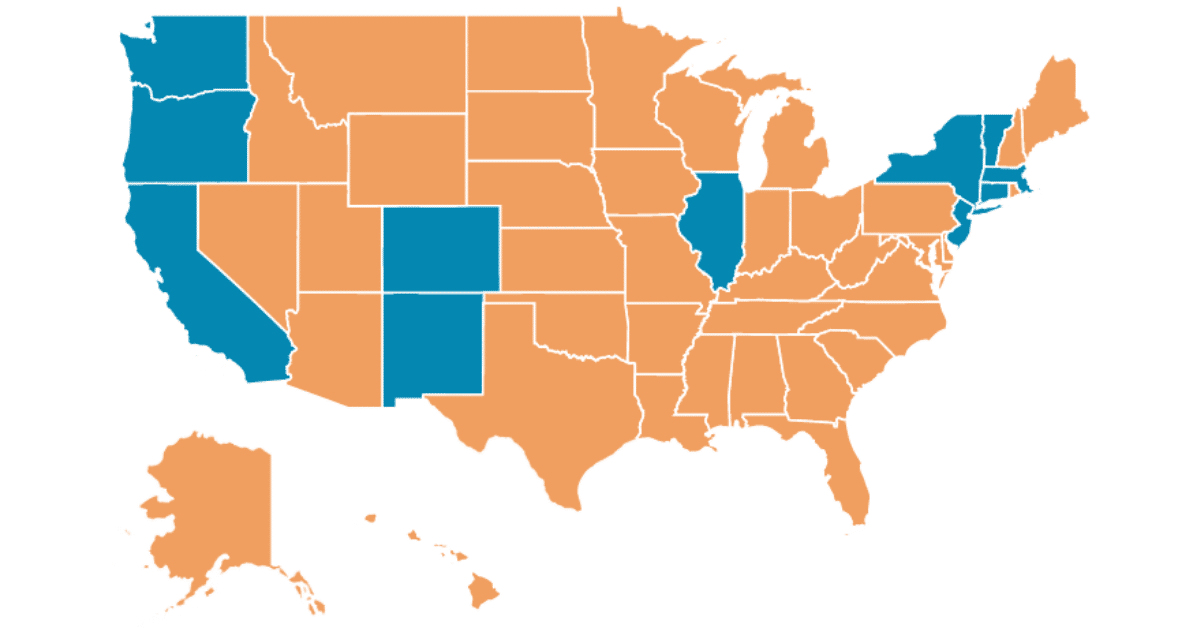
As of current legislation, North Dakota is not officially designated as a sanctuary state, nor does it have any cities that have formally adopted sanctuary policies. The state’s government and law enforcement agencies generally cooperate with federal immigration authorities. This means that local jurisdictions in North Dakota typically honor ICE detainer requests and share information regarding the immigration status of individuals encountered by local police.
For travelers, this official stance provides clarity. While the state adheres to federal immigration enforcement protocols, it’s important to differentiate this from the overall hospitality and cultural experience North Dakota offers. The lack of a “sanctuary” designation does not inherently define the warmth of its people or the diversity of its communities, which are often shaped by myriad other factors.
Cultural Nuances and Community Welcome for Visitors
Regardless of its official sanctuary status, a destination’s true welcome often lies in the disposition of its people, its local customs, and the vibrancy of its community life. North Dakota, often characterized by its expansive landscapes and resilient communities, offers a distinct cultural experience shaped by its pioneer heritage, agricultural roots, and a growing influx of diverse populations.
Demographic Landscape and Hospitality
North Dakota’s population, though smaller than many states, is a blend of long-standing European immigrant descendants, a significant Native American population residing on reservations, and more recently, an increasing number of international residents drawn by economic opportunities, particularly in industries like energy and agriculture. Cities like Fargo, Bismarck, and Grand Forks are seeing growing diversity, which enriches the local culture with new culinary traditions, languages, and perspectives.
The legendary “Midwestern nice” hospitality is often cited by visitors to North Dakota. Locals are generally known for being friendly, helpful, and welcoming to strangers. This inherent friendliness transcends specific political designations and is a fundamental aspect of the state’s cultural identity. Travelers, regardless of their background, can typically expect a warm reception, genuine interactions, and a helpful spirit from residents across the state.
Impact on Local Events and Festivals

North Dakota’s cultural calendar is punctuated by numerous events and festivals that celebrate its heritage and contemporary life. These gatherings are excellent opportunities for tourists to immerse themselves in local traditions and interact with residents.
- Norsk Høstfest in Minot: This massive Scandinavian festival celebrates the rich Nordic heritage prominent in the state. It’s a vibrant display of music, food, crafts, and traditional attire, attracting thousands annually.
- United Tribes International Powwow in Bismarck: Hosted by the United Tribes Technical College, this event is one of the largest and most respected powwows in the country, showcasing the profound cultural heritage of the various Native American tribes in the region, including dance, music, and art.
- Street Fair at the Red River Valley Fair in Fargo: While a more general community event, it highlights local businesses, food vendors, and entertainment, reflecting the community’s collective spirit.
These events exemplify the state’s diverse cultural fabric and its open invitation to all to participate and enjoy. The focus at these gatherings is on shared experience, celebration, and community, reinforcing a generally welcoming atmosphere for all visitors.
Exploring North Dakota’s Diverse Attractions
For tourists, North Dakota’s appeal lies in its unique natural beauty, rich history, and the tranquil escape it offers from bustling urban life. From rugged badlands to serene prairie lakes, there’s a breadth of experiences awaiting discovery.
From Badlands to Big Cities
- Theodore Roosevelt National Park: This iconic park in western North Dakota offers breathtaking badlands scenery, opportunities for wildlife viewing (bison, wild horses, prairie dogs), and stunning hiking trails like the Maah Daah Hey Trail. It’s a testament to the state’s commitment to preserving its natural wonders and providing access for all.
- Medora: Located at the south unit entrance of Theodore Roosevelt National Park, Medora is a historic town that transports visitors back to the Old West. Home to the popular Medora Musical, it’s a hub for entertainment, history, and family fun.
- Lewis and Clark Trail: History enthusiasts can trace the path of the famous explorers along the Missouri River, visiting sites like Fort Abraham Lincoln State Park near Mandan and the Knife River Indian Villages National Historic Site to learn about the interactions between the expedition and Native American tribes.
- International Peace Garden: Straddling the border between North Dakota and Manitoba, Canada, this unique garden symbolizes peace and friendship between the two nations, offering stunning botanical displays and a serene environment.
For those preferring urban exploration, cities like Fargo offer a vibrant arts scene, eclectic dining, and unique boutiques. Bismarck, the state capital, combines history with modern amenities, including the impressive North Dakota Heritage Center & State Museum.
Culinary Experiences and Local Flavors
North Dakota’s culinary scene, while perhaps not as widely publicized as other regions, offers authentic and hearty experiences. Reflecting its agricultural bounty and cultural influences, food forms a significant part of the local tourism experience.
- Steak and Bison: Given the state’s ranching heritage, high-quality beef and lean bison are staples on menus statewide. Many restaurants source locally, offering fresh, farm-to-table experiences.
- Knoephla Soup: A beloved German-Russian specialty, this creamy potato and dumpling soup is a must-try for its comforting, homemade taste, reflecting the strong German-Russian heritage in the state.
- Lefse: A traditional Norwegian flatbread, often served with butter and sugar, is another culinary testament to the state’s Scandinavian roots, especially popular during holidays and festivals.
- Craft Breweries and Distilleries: The craft beverage scene is growing, with local breweries and distilleries in cities like Fargo and Bismarck offering unique local flavors and a lively social atmosphere.
Exploring these culinary offerings allows travelers to taste the local culture and appreciate the historical influences that have shaped North Dakota’s identity.
Planning Your Trip: Practical Considerations
When planning a trip to North Dakota, practical considerations ensure a smooth and enjoyable visit. Understanding the general travel landscape, safety aspects, and how to respectfully engage with local communities are key.
Safety and General Travel Tips
North Dakota is generally considered a very safe state for travelers, with low crime rates. Like any destination, basic precautions are always advisable.
- Weather Preparedness: The weather can be extreme, with harsh winters and hot summers. Pack accordingly and check forecasts, especially if planning outdoor activities.
- Remote Areas: Many attractions are in rural or remote areas. Ensure your vehicle is in good condition, and carry essentials like water, snacks, and a full tank of gas. Cell service can be spotty in some regions.
- Road Conditions: Winter driving conditions can be challenging. Always check road reports before embarking on long drives during the colder months.
- Wildlife Awareness: Be mindful of wildlife, particularly in natural parks and rural areas. Maintain a safe distance from animals like bison and elk.
Engaging with Local Communities
Part of the richness of travel comes from connecting with the people and cultures of a destination. In North Dakota, this often means engaging with communities that value their heritage and natural environment.
- Respectful Interaction: Be respectful of local customs and traditions, particularly when visiting Native American reservations such as the Standing Rock Indian Reservation or attending cultural events. Always ask for permission before photographing individuals.
- Support Local Businesses: Patronizing local restaurants, shops, and tour operators contributes directly to the community’s well-being and allows you to experience authentic local offerings.
- Ask Questions: Most North Dakotans are proud of their state and happy to share insights and recommendations. Engaging in conversation can provide a deeper understanding of the local way of life.
While North Dakota may not be a sanctuary state in the political sense, its tourism landscape is one of warmth, natural beauty, and cultural depth. Travelers are likely to find a welcoming environment and a chance to experience the unique charm of the American prairies and its resilient communities. Focusing on the practical aspects of travel, embracing local culture, and exploring the diverse attractions will lead to a memorable and enriching visit to this often-overlooked gem of the Midwest.
LifeOutOfTheBox is a participant in the Amazon Services LLC Associates Program, an affiliate advertising program designed to provide a means for sites to earn advertising fees by advertising and linking to Amazon.com. Amazon, the Amazon logo, AmazonSupply, and the AmazonSupply logo are trademarks of Amazon.com, Inc. or its affiliates. As an Amazon Associate we earn affiliate commissions from qualifying purchases.