
Unveiling the Location: The Imperial Sand Dunes Recreation Area
The iconic Glamis Dunes, often simply referred to as “Glamis,” is not a standalone geographic feature but rather a popular access point and colloquial name for a vast expanse of shifting sands officially known as the Imperial Sand Dunes Recreation Area (ISDRA). This breathtaking natural wonder is nestled in the southeastern corner of California, stretching approximately 40 miles long and 5 miles wide, making it the largest mass of sand dunes in California and one of the most extensive dune systems in North America.
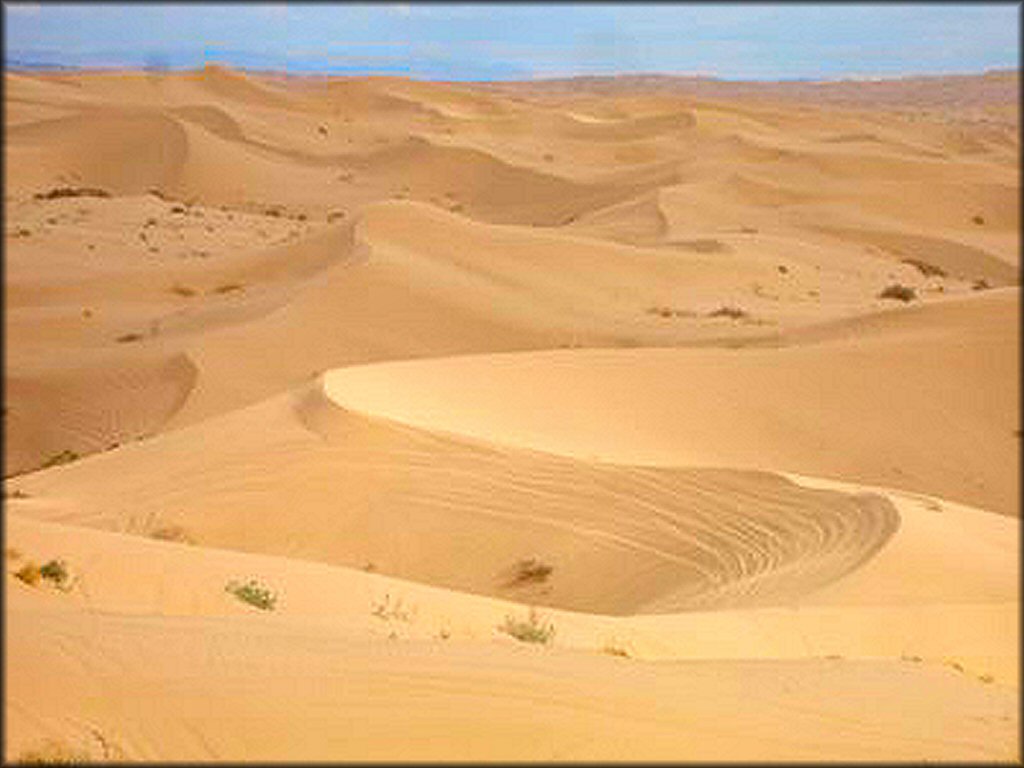
Geographically, the ISDRA is situated in the Sonoran Desert, specifically within the Colorado Desert subdivision. Its proximity to the Arizona border places it conveniently for enthusiasts coming from both states. The primary and most famous access point, Glamis, is located roughly 70 miles east of El Centro, California, and about 20 miles west of Yuma, Arizona.
Accessing this vast dune landscape is relatively straightforward, primarily via major highways. Travelers typically approach from Interstate 8 (I-8) or State Route 78. The main staging areas, including the namesake Glamis, are accessible directly off Highway 78, which cuts through the northern section of the dunes. For those coming from I-8, various exits lead to southern access points like Gordon’s Well and Buttercup. The sheer scale of the dunes means that while Glamis is the most recognized name, the entire recreation area offers multiple entry points, each with its own character and preferred activities, attracting hundreds of thousands of visitors annually.
The Allure of the Shifting Sands: What Makes Glamis Unique?
What elevates the Imperial Sand Dunes Recreation Area, or Glamis, beyond a mere geographical location is its profound appeal as a premier destination for Off-Highway Vehicle (OHV) recreation and its striking natural beauty. The dunes are a dynamic landscape, constantly sculpted by prevailing winds, creating an ever-changing tapestry of peaks and valleys that stretch to the horizon.
The natural beauty of Glamis is undeniably a major draw. The towering, golden sands, particularly at sunrise or sunset, offer a surreal and almost otherworldly experience. The light plays across the contours of the dunes, creating dramatic shadows and highlighting the stark yet beautiful simplicity of the desert. While seemingly barren, the area supports a unique ecosystem adapted to extreme conditions. Resilient flora and fauna, though often hidden, contribute to the fragile balance of this desert environment. Visitors might spot various desert critters, from insects to small mammals, especially during cooler hours.
However, the primary magnet for visitors to Glamis is its reputation as an OHV playground. Enthusiasts from across the globe converge here with their sand rails, ATVs, dirt bikes, and other specialized vehicles to conquer the massive dunes. The sensation of cresting a dune and looking out over an ocean of sand, or descending a steep bowl, provides an unparalleled thrill. The variety of terrain, from gentle slopes suitable for beginners to challenging, towering dunes like “Oldsmobile Hill” and “Competition Hill” for experienced riders, ensures there’s something for every skill level. This combination of vast, open space, dramatic scenery, and the freedom to explore makes Glamis a truly unique and exhilarating travel destination.
Planning Your Expedition: Navigating the Glamis Experience
Embarking on a trip to the Imperial Sand Dunes Recreation Area requires thoughtful planning to ensure a safe, enjoyable, and compliant experience. As a prominent travel destination, understanding the logistics is key to maximizing your time in the sand.
Best Time to Visit
The ideal time to visit Glamis is typically from late fall through spring (October to April). During these months, temperatures are considerably cooler and more conducive to outdoor activities. Daytime highs usually range from the 60s to 80s Fahrenheit, with nights dropping into the 40s or 50s. This period aligns with the peak season for OHV enthusiasts, especially around holidays like Thanksgiving, Christmas, and New Year’s, when the dunes transform into vibrant, temporary cities of campers and off-roaders. Conversely, visiting during the summer (May to September) is strongly discouraged due to extreme heat, with temperatures often exceeding 100-110 degrees Fahrenheit, posing significant health risks.
Permitting and Regulations
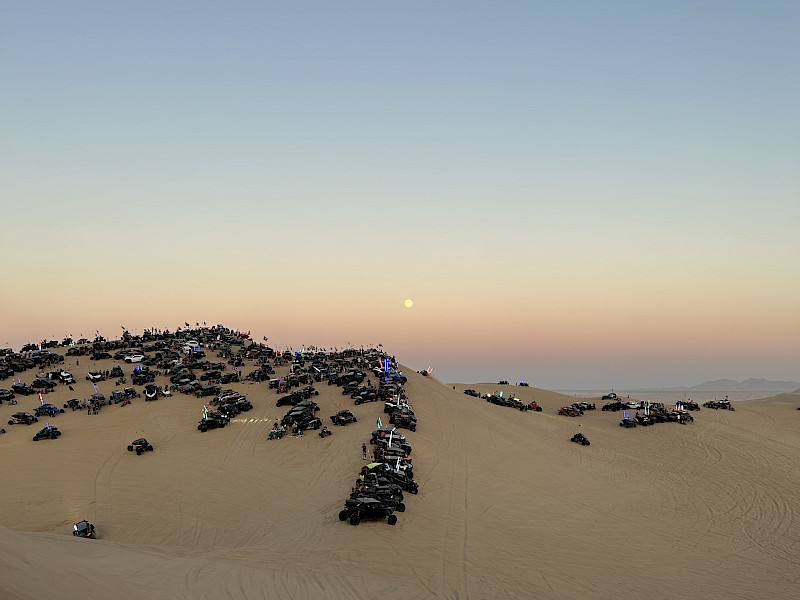
The ISDRA is managed by the Bureau of Land Management (BLM), and specific regulations are in place to ensure safety and preserve the delicate desert environment. All OHVs operating within the recreation area must display a valid California OHV Green Sticker or Red Sticker, or a non-resident OHV permit. These permits are crucial and can be purchased online or from vendors in nearby towns.
Safety regulations are paramount. All vehicles must be equipped with a whip flag (minimum 8 feet from the ground to the top of the flag) for visibility. Headlights and taillights are mandatory for night riding. Helmets are required for all riders under 18 on ATVs and dirt bikes. Environmental rules include staying on designated open areas and avoiding sensitive zones that protect wildlife. Respecting these rules not only ensures personal safety but also helps protect the precious landscape for future generations.
What to Bring
Preparation is key for any desert adventure. Essential items include an ample supply of water (far more than you think you’ll need), sun protection (hats, sunglasses, high-SPF sunscreen), and basic first-aid supplies. If you plan on riding, ensure your OHV is in excellent mechanical condition and bring essential tools, spare parts, and fuel. For overnight stays, camping gear such as tents, sleeping bags, and cooking equipment are necessary, as developed campsites with amenities are limited. Reliable communication devices, like satellite phones or two-way radios, are highly recommended, as cell service can be spotty.
Access Points and Camping
The ISDRA offers multiple access points, each serving slightly different needs. The main Glamis area, near Highway 78, is the most popular and often the most crowded, particularly at “Glamis North” and around Hugh T. Osborne Overlook. Southern access points like Buttercup and Gordon’s Well, off I-8, tend to be popular for larger RV setups and group gatherings. Mammoth Wash, further north, offers a slightly more secluded experience. Camping throughout the ISDRA is primarily dispersed, meaning you can set up camp almost anywhere within the designated open OHV areas, provided you adhere to BLM regulations. There are limited designated camping facilities with basic amenities at certain access points, but most visitors are self-sufficient.
Beyond the Dunes: Exploring the Surrounding Region
While the Glamis Dunes are undeniably the star attraction, the surrounding region offers additional points of interest and essential services that enhance the overall travel experience. Understanding these helps in fully preparing for and complementing your desert adventure.
Nearby Towns and Services
For supplies, fuel, and essential services, several towns are within a reasonable driving distance. Brawley and El Centro in California are the closest major cities, offering supermarkets, hardware stores, restaurants, and a range of accommodation options. These cities are vital for stocking up before heading into the dunes or for a comfortable night’s stay away from the desert elements. To the east, across the Arizona border, the city of Yuma provides an even broader array of amenities, including larger retail chains, diverse dining, and more extensive medical facilities. Smaller communities like Winterhaven, near Yuma, also offer basic services. It’s always advisable to fuel up and gather all necessary supplies before venturing deep into the dune area, as on-site facilities are scarce to non-existent.
Other Desert Adventures
The allure of the Sonoran Desert extends beyond the Glamis. While the ISDRA is primarily for OHV recreation, travelers can explore other facets of the desert. The nearby Salton Sea, though an ecological paradox, offers a unique historical and environmental perspective, showcasing a very different kind of desert landscape. For those interested in geological wonders, various sections of the Colorado Desert present opportunities for hiking, exploring unique rock formations, and birdwatching, especially in designated wilderness areas that prohibit motorized vehicles. Scenic drives through Anza-Borrego Desert State Park, though a bit further afield, provide stunning vistas and a chance to experience the desert’s diverse flora and fauna.
Local Events and Culture
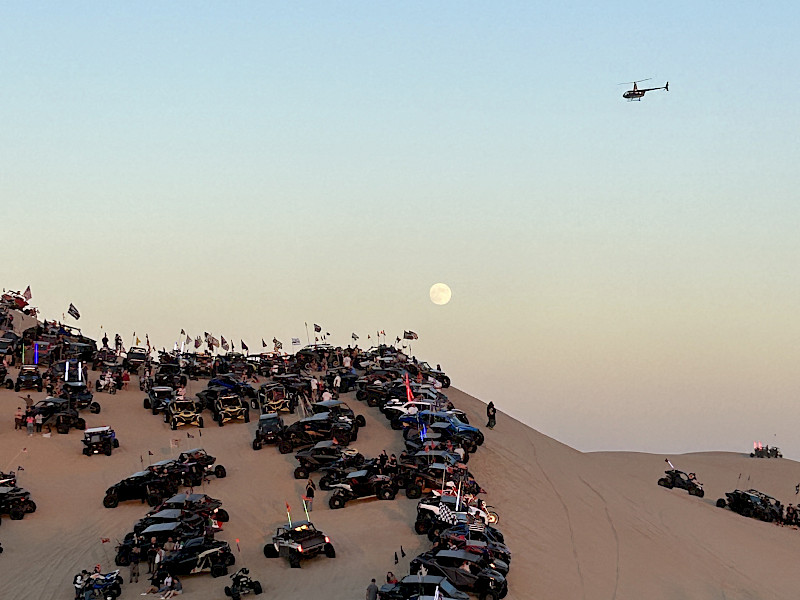
The Glamis experience is heavily influenced by its vibrant OHV culture. Throughout the peak season, especially on weekends and holidays, the dunes host informal gatherings, organized rides, and even professional races. The atmosphere is often festive, with large groups of friends and families camping together, creating a temporary community in the heart of the desert. While specific local cultural events outside of the OHV scene are limited directly within the dunes, the nearby towns often have small-town festivals or farmers’ markets that can offer a glimpse into the local California desert lifestyle. Engaging with fellow enthusiasts at Glamis itself is a significant part of the cultural experience, sharing tips, stories, and camaraderie amidst the sand.
LifeOutOfTheBox is a participant in the Amazon Services LLC Associates Program, an affiliate advertising program designed to provide a means for sites to earn advertising fees by advertising and linking to Amazon.com. Amazon, the Amazon logo, AmazonSupply, and the AmazonSupply logo are trademarks of Amazon.com, Inc. or its affiliates. As an Amazon Associate we earn affiliate commissions from qualifying purchases.