
Embarking on a journey to the heartland of America, particularly to South Dakota, offers an unparalleled blend of natural beauty, historical richness, and vibrant local culture. From the majestic faces of Mount Rushmore to the rugged wilderness of Badlands National Park, the state provides a diverse array of experiences for every type of traveler. However, like any destination, understanding the local economic landscape, especially regarding sales tax, is a crucial tip for managing your travel budget effectively and avoiding any unexpected surprises. For tourists, knowing what to expect can significantly enhance the overall experience, allowing for better financial planning as you explore the wonders of the Black Hills and beyond.

Understanding South Dakota’s Sales Tax Landscape
South Dakota operates with a relatively straightforward sales tax system compared to some other states. However, it’s the combination of state and local taxes, along with specific tourism-related levies, that can sometimes create confusion for visitors. Being well-informed about these rates is the first step in smart travel budgeting.
The State Sales Tax Rate
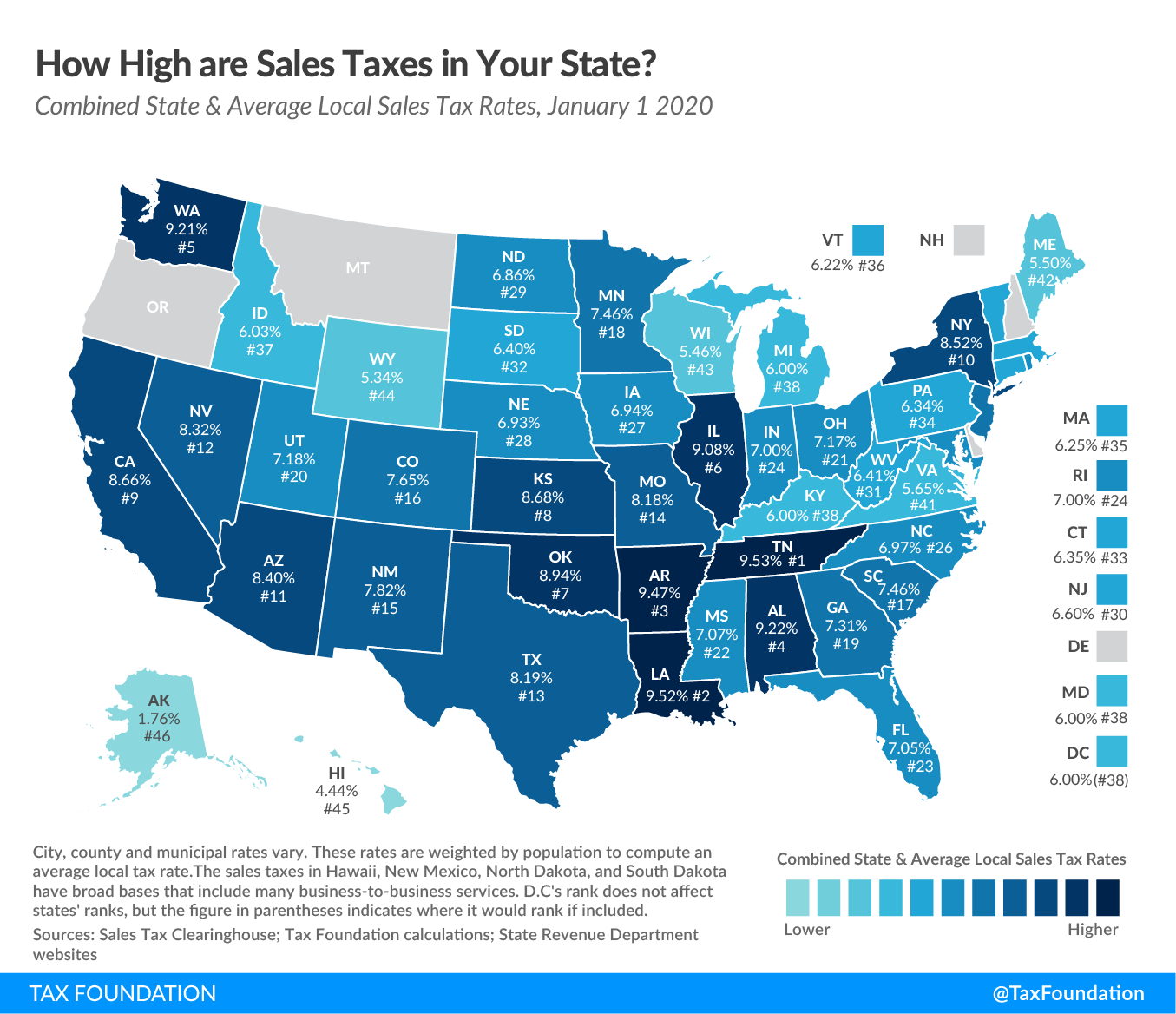
At the core of South Dakota’s tax structure is its state-wide sales tax. As of the most recent updates, the state sales tax rate stands at 4.2%. This rate applies to the vast majority of retail sales, services, and leases of tangible personal property within the state. This means that whether you’re purchasing souvenirs, dining at a restaurant, or paying for various services, this 4.2% will generally be added to your bill. It’s a foundational percentage that every tourist should factor into their spending calculations, as it directly impacts the final cost of almost everything you buy. Unlike some states that might exempt certain necessities like groceries, South Dakota’s sales tax broadly applies to many items that tourists frequently purchase, making it especially important to be aware of.
Local Sales and Tourism Taxes
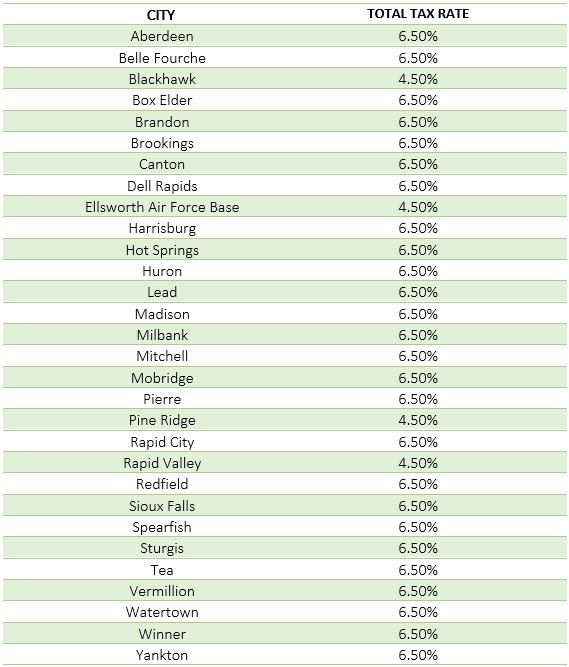
Beyond the state’s baseline, many cities and counties in South Dakota also impose their own local sales taxes. These local taxes are added on top of the state rate, leading to varying total sales tax percentages depending on your exact location within the state. For instance, a city like Sioux Falls, the largest city in South Dakota, might have a higher combined sales tax rate than a more rural area.
Furthermore, certain municipalities and popular tourist destinations, particularly those with a high volume of visitors, often levy additional tourism-related taxes. These can include:
- Municipal Sales Tax: Many cities across South Dakota add an additional municipal sales tax, typically ranging from 1% to 2%. This means that in a city like Rapid City, for example, you might face the state’s 4.2% plus an additional city sales tax, pushing the combined rate higher.
- Lodging Tax: This is a common tax specifically applied to hotel rooms, motels, and other temporary accommodations. South Dakota applies a state lodging tax, and many localities also impose their own additional lodging taxes. This can significantly increase the cost of your stay, especially in high-demand tourist areas. For example, a stay in Deadwood, a historic gambling town, might incur specific lodging and tourism promotion taxes designed to support local infrastructure and marketing efforts.
- Tourism Promotion Tax: Some areas implement specific taxes to fund tourism promotion and development. These are often small percentages but add to the overall cost of goods and services, particularly in areas heavily reliant on the visitor economy.
These local variations underscore the importance of checking the specific rates for the cities or regions you plan to visit within South Dakota. A quick search for “sales tax in Rapid City” or “lodging tax in Deadwood” before your trip can provide precise figures and help you fine-tune your budget.
How Sales Tax Impacts Your Tourist Budget
For the discerning traveler, understanding how sales tax applies to different categories of expenses is crucial for effective budgeting. In South Dakota, the tax implications vary across lodging, dining, retail, and services, each requiring specific consideration.
Lodging and Accommodation
One of the most significant expenditures for any tourist is accommodation. As mentioned, lodging in South Dakota is subject to both the state’s general sales tax and often an additional state lodging tax, along with any local lodging or tourism taxes. This means that a room advertised at $100 per night could easily end up costing $110 or more after all taxes are applied. For a multi-night stay, these additional charges can quickly add up. When booking hotels, motels, cabins in Custer State Park, or vacation rentals, always inquire about the total price including all taxes and fees to get an accurate picture of your expense. This is especially true in popular areas like around Mount Rushmore or within the Black Hills, where demand can already drive up base prices.
Dining and Groceries
Dining experiences are an integral part of travel, offering a taste of local culture. In South Dakota, meals purchased at restaurants, cafes, and diners are subject to the combined state and local sales tax. This includes everything from a quick coffee to a fine dining experience.
However, the treatment of groceries can differ slightly. While prepared foods and restaurant meals are fully taxed, most staple groceries purchased at supermarkets for home consumption are also subject to South Dakota’s sales tax. This is a key distinction from many other states that exempt groceries. Therefore, if you plan to self-cater or stock up on snacks for road trips through Badlands National Park, remember that these purchases will also incur sales tax. Budgeting for food should always include this additional percentage, whether you’re eating out or preparing your own meals.
Retail Purchases and Souvenirs
From cowboy boots to Native American crafts, South Dakota offers a unique array of retail therapy. Any tangible personal property purchased, including souvenirs, clothing, art, and gifts, will be subject to the combined state and local sales tax rates. This applies whether you’re shopping at a boutique in Deadwood, a general store in Wall, or a shopping mall in Sioux Falls. When you see a price tag, mentally add the appropriate sales tax to understand the final cost. This is crucial for avoiding overspending, especially if you’re planning on bringing home several mementos of your trip.
Services and Entertainment
Services such as car rentals, salon services (if applicable to your travel), amusement park admissions, or guided tours are also typically subject to sales tax. While specific exemptions can sometimes apply to certain types of services, the general rule of thumb for tourists is to expect sales tax to be added to the cost of most services and entertainment options. For example, admission to attractions, fees for guided fishing trips on the Missouri River, or tickets to a show might all have sales tax added. Always confirm the total price when booking activities or purchasing tickets to ensure your budget accurately reflects these additional charges.
Key Considerations for Tourists in South Dakota
Navigating the sales tax landscape can feel complex, but with a few key considerations, tourists can effortlessly integrate this knowledge into their travel plans for South Dakota.
Popular Tourist Destinations and Their Tax Impact
The total sales tax rate you pay will largely depend on your location. Here’s a brief overview of how this might look in popular tourist hubs:
- Sioux Falls: As the largest city, Sioux Falls generally has a higher combined sales tax rate due to its municipal sales tax. This applies to dining, shopping, and general services.
- Rapid City: Often a base camp for exploring the Black Hills and Mount Rushmore, Rapid City also has its own municipal sales tax, adding to the state rate on most purchases and lodging.
- Deadwood: This historic town, known for its casinos and Old West charm, frequently implements specific tourism-related taxes, including higher lodging taxes, to support its visitor economy.
- Custer State Park & Rural Areas: While still subject to the state sales tax, more rural areas or attractions directly within state parks might have lower or no additional local sales taxes, though specific fees for park entry or services may apply.
- Mitchell: Home to the unique Corn Palace, Mitchell will have its own municipal sales tax in addition to the state rate.
- Wall: Famous for Wall Drug, purchases here will also incur local sales tax on top of the state’s.
Always verify the specific tax rates for your chosen destination within South Dakota to get the most accurate budgeting figures.
Exemptions and Special Circumstances
While South Dakota’s sales tax is broad, there are some limited exemptions, though they are less common for typical tourist purchases. Generally, services directly related to interstate commerce or specific non-profit activities might be exempt. However, for the average traveler, it is safest to assume that most purchases of goods, lodging, and services will be taxed. There are no sales tax holidays like those seen in some other states. Understanding that South Dakota taxes most groceries is a significant point of differentiation that tourists should keep in mind.
Smart Budgeting Tips
To make your trip to South Dakota as smooth and enjoyable as possible, consider these budgeting tips related to sales tax:
- Build a Buffer: Always add a 10-15% buffer to your estimated spending for various items to account for combined sales and lodging taxes, especially if you haven’t researched exact local rates.
- Ask for Total Prices: When making significant purchases or booking accommodations, always ask for the “all-in” price, including all taxes and fees, before committing.
- Track Your Spending: Use a travel app or a simple notebook to keep a running tally of your expenses, including the tax, to stay within your budget.
- Focus on Experiences, Not Just Goods: While souvenirs are tempting, remember that experiences often leave a more lasting impression. Prioritize your spending on activities and attractions that offer unique value, factoring in their taxed cost.
Navigating Tax While Exploring South Dakota
Your adventure through South Dakota should be filled with discovery, not financial worries. By taking a proactive approach to understanding sales tax, you can maintain control over your budget and fully immerse yourself in the state’s offerings.
Tracking Your Expenses
Maintaining a clear record of your expenditures is perhaps the most effective way to manage your budget, particularly when dealing with variable sales tax rates. Keep all receipts. Many modern budgeting apps allow you to input purchases on the go, automatically categorizing them and providing a running total. This practice not only helps you stick to your financial plan but also provides a detailed breakdown of where your money is going, including the exact amount spent on sales tax. This can be particularly insightful for future travel planning, giving you a realistic picture of the true cost of items and services in different regions of South Dakota.
Resources for Visitors
For the most up-to-date and specific information on sales tax rates, especially for individual cities or counties, visitors can consult the official website of the South Dakota Department of Revenue. This resource will provide precise rates for state and local taxes, including any special district taxes that might apply. Additionally, local tourism boards and visitor centers in cities like Rapid City or Sioux Falls are excellent sources of information. They can often provide details on local taxes affecting popular tourist activities, dining, and lodging in their specific areas. Don’t hesitate to ask hotel staff or local business owners about the applicable tax rates; they are usually well-informed and happy to assist.
Understanding Reciprocity and Online Purchases
For travelers, it’s also worth noting the implications of sales tax on online purchases while in South Dakota. Generally, if you order items online for delivery to a South Dakota address, these purchases will also be subject to South Dakota sales tax, much like a brick-and-mortar purchase. The concept of sales tax reciprocity typically applies to sales tax collection for businesses operating across state lines, ensuring that sales tax is collected either in the origin or destination state. For the consumer, if an item is shipped to South Dakota, the state’s sales tax rules will apply. This is an important detail if you plan to have any goods shipped to your accommodation during your stay.
In conclusion, while the sales tax in South Dakota is a factor in your travel budget, it should not deter you from exploring this magnificent state. By understanding the basic state rate, being aware of potential local and tourism-specific taxes, and practicing smart budgeting, you can ensure your financial planning is as smooth as your journey through the scenic landscapes and historic towns of South Dakota. Enjoy your travels with the peace of mind that comes from being well-prepared.
LifeOutOfTheBox is a participant in the Amazon Services LLC Associates Program, an affiliate advertising program designed to provide a means for sites to earn advertising fees by advertising and linking to Amazon.com. Amazon, the Amazon logo, AmazonSupply, and the AmazonSupply logo are trademarks of Amazon.com, Inc. or its affiliates. As an Amazon Associate we earn affiliate commissions from qualifying purchases.