
Embarking on a career as a Certified Nursing Assistant (CNA) in California offers more than just a job; it presents a pathway to a fulfilling lifestyle characterized by meaningful work, consistent demand, and the opportunity to live and thrive in one of the most dynamic states in the nation. For those seeking a stable and impactful profession that supports a desired quality of life, becoming a CNA in California is an increasingly attractive option. The Golden State, with its diverse population and extensive healthcare infrastructure, continually seeks compassionate and skilled CNAs to support its growing elder care and general medical needs. This guide outlines the essential steps and considerations for individuals aspiring to join this vital profession, framing the journey not just as a career move, but as a strategic choice for building a rewarding lifestyle.
The Allure of a CNA Lifestyle in California
Choosing to pursue a CNA career in California is a decision that can significantly shape one’s personal and professional lifestyle. California offers a unique blend of professional opportunities and an unparalleled living environment. The demand for healthcare professionals, including CNAs, is consistently high across the state, from bustling urban centers like Los Angeles and San Francisco to the more serene coastal communities and inland regions. This robust job market translates into career stability and competitive compensation, crucial elements for building a comfortable and secure lifestyle.
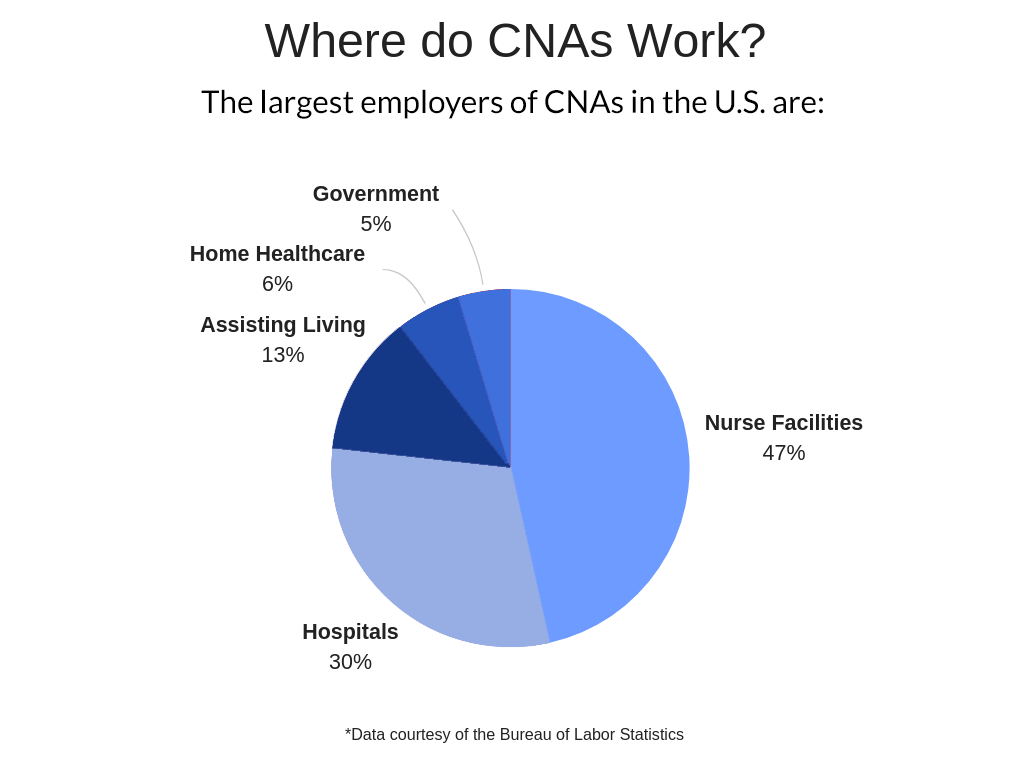
Moreover, the nature of CNA work—providing direct patient care, assisting with daily living activities, and offering emotional support—is inherently rewarding. It provides a sense of purpose and contribution that many professionals seek. For those who value human connection and making a tangible difference in people’s lives, a CNA role can be deeply satisfying. This emotional fulfillment, combined with financial stability, underpins a balanced and positive lifestyle. California’s diverse landscape also means that CNAs can find work in various settings, including hospitals, long-term care facilities, home health agencies, and even specialized clinics, allowing for flexibility in choosing a work environment that best fits individual preferences and lifestyle goals. The state’s vibrant culture, natural beauty, and leisure opportunities—from pristine beaches to majestic national parks—further enrich the lifestyle of those who choose to live and work here. A stable CNA career can provide the means and, often, the flexible scheduling to enjoy these aspects of California living, whether it’s weekend getaways, family excursions, or pursuing personal hobbies.
Essential Requirements for Your Journey
Before diving into training, prospective CNAs in California must meet a set of foundational requirements to ensure they are eligible for the program and, ultimately, for certification. These prerequisites are in place to safeguard patient well-being and maintain high standards within the healthcare industry.
Age and Education
To enroll in a state-approved CNA training program in California, applicants must typically be at least 16 years old, although some facilities may prefer candidates who are 18 or older, particularly for employment. A crucial educational requirement is the completion of at least an 8th-grade education. While a high school diploma or GED is often preferred by employers and some training programs, it is not always a mandatory state requirement for program entry. However, achieving a higher level of education can certainly enhance one’s prospects for both program admission and future career advancement.
Background Checks and Health Screenings
Given the sensitive nature of working directly with vulnerable populations, all aspiring CNAs in California are required to undergo a thorough background check. This usually involves fingerprinting for a criminal record check through the California Department of Justice and the Federal Bureau of Investigation. Individuals with certain criminal convictions, particularly those related to abuse, neglect, or theft, may be disqualified from becoming a CNA. It is essential for applicants to be transparent about their history to avoid delays or disqualification. In addition to criminal background checks, most training programs and future employers will require health screenings. These typically include a physical examination to ensure the candidate is fit for the demanding physical aspects of the job, such as lifting and assisting patients. Furthermore, proof of immunizations (e.g., Measles, Mumps, Rubella (MMR), Tetanus, Diphtheria, Pertussis (Tdap), Hepatitis B), and a negative Tuberculosis (TB) test are standard requirements to prevent the spread of infectious diseases in healthcare settings.
Other Qualities
Beyond formal requirements, successful CNAs possess a strong sense of empathy, patience, good communication skills, and a reliable work ethic. These soft skills are invaluable in patient care and contribute significantly to job satisfaction and career longevity, ultimately influencing the overall lifestyle one experiences as a CNA.
Navigating CNA Training Programs in California
Once the initial requirements are met, the next critical step is to enroll in and complete a state-approved CNA training program. These programs are designed to equip students with the essential knowledge and practical skills needed to excel in their roles.
Program Structure and Curriculum
In California, a CNA training program must be approved by the California Department of Public Health (CDPH). The curriculum is standardized to ensure all graduates meet a consistent level of competency. A typical program comprises two main components: classroom instruction and supervised clinical training.
The classroom portion covers a wide range of topics crucial for patient care. This includes fundamentals of nursing, medical terminology, anatomy and physiology, patient rights, communication skills, infection control, safety procedures, and basic nutrition. Students learn about different body systems, common diseases, and how to effectively interact with patients and their families. The theoretical knowledge gained in the classroom forms the foundation for practical application.
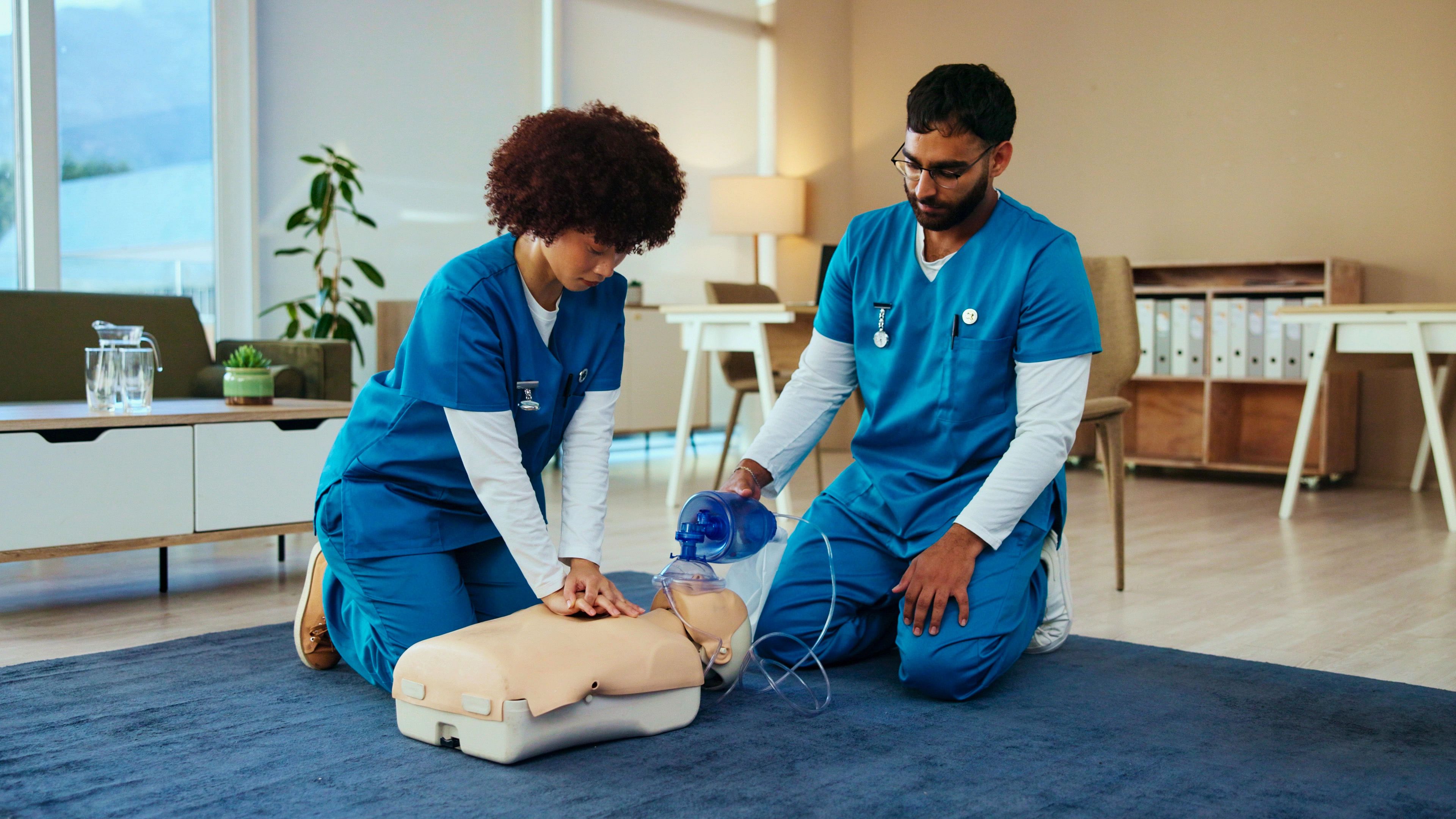
The clinical training component is hands-on and takes place in an actual healthcare setting, such as a skilled nursing facility or hospital. Under the direct supervision of a licensed nurse, students apply their classroom learning to real-life patient care scenarios. This includes assisting patients with activities of daily living (ADLs) such as bathing, dressing, grooming, feeding, and mobility. Students also learn to monitor vital signs, assist with personal hygiene, provide skin care, and observe and report changes in a patient’s condition. The supervised clinical experience is invaluable for developing confidence, refining practical skills, and understanding the day-to-day responsibilities of a CNA.
Program Length and Hours
California state regulations mandate that a CNA training program must consist of a minimum of 160 hours. This total is divided into at least 60 hours of classroom theory and a minimum of 100 hours of supervised clinical practice. The duration of programs can vary, with some accelerated programs completing in as little as 3-4 weeks for full-time students, while part-time or evening programs might extend over several months. Choosing a program that fits one’s schedule and lifestyle is an important consideration. For example, individuals managing family responsibilities or other commitments might find part-time options more suitable, allowing them to balance their education with their personal lives, contributing to a sustainable lifestyle choice.
Choosing an Approved Training Program
Selecting the right training program is a critical decision. Prospective students should ensure that any program they consider is officially approved by the California Department of Public Health. A list of approved programs can usually be found on the CDPH website. When evaluating programs, consider factors such as:
- Accreditation: While CDPH approval is mandatory, some programs may also have additional accreditation from bodies like the Accrediting Bureau of Health Education Schools (ABHES) or the Council on Occupational Education (COE), which can signify higher educational standards. Community colleges, vocational schools, and even some healthcare facilities offer these programs.
- Location and Schedule: Proximity to home and a schedule that aligns with personal commitments are practical considerations.
- Cost: Tuition fees, textbook costs, and supplies can vary. Investigate financial aid options if needed.
- Pass Rates: Inquire about the program’s success rate on the state certification exam. A high pass rate indicates effective teaching and preparation.
- Reputation and Resources: Research the school’s reputation, faculty experience, and the quality of clinical sites. Access to career services and job placement assistance can also be beneficial.
- The Bureau for Private Postsecondary Education (BPPE) also oversees private vocational schools in California, providing another layer of oversight for student protection.
Careful selection of a program lays a strong foundation for both passing the certification exam and establishing a successful and fulfilling career, directly contributing to the desired lifestyle outcomes.
The Certification Exam and Beyond
Successfully completing a state-approved CNA training program is a significant accomplishment, but the journey to becoming a certified professional culminates with passing the state certification exam. This final hurdle ensures that all aspiring CNAs possess the necessary knowledge and skills to provide safe and effective patient care.
The California CNA Competency Exam
After completing the required 160 hours of training, graduates are eligible to take the California Nurse Aide Competency Examination. This exam is administered by approved vendors on behalf of the California Department of Public Health. The exam consists of two main parts:
- Written (or Oral) Examination: This section assesses the candidate’s theoretical knowledge of nursing assistant concepts. It covers topics learned in the classroom, including patient rights, communication, infection control, safety, basic nursing skills, and restorative care. Candidates have the option to take this part of the exam in written English or, in some cases, orally.
- Skills Demonstration: This practical component requires candidates to perform a set of randomly selected nursing skills in front of an evaluator. The skills tested typically include tasks like handwashing, taking vital signs, assisting with feeding, transferring a patient, providing perineal care, or measuring urinary output. Candidates are evaluated on their ability to perform these skills accurately, safely, and with proper technique, demonstrating their competency in practical patient care.
Candidates must pass both the written and skills portions of the exam to become certified. Multiple attempts are usually allowed within a certain timeframe if one or both sections are not passed on the first try. It is crucial to review study materials and practice skills diligently to ensure readiness for the exam.
Listing on the California Nurse Aide Registry
Upon successful completion of both parts of the competency exam, individuals are officially listed on the California Nurse Aide Registry. This registry is maintained by the California Department of Public Health and serves as official proof of certification. Employers in California are required to verify a CNA’s certification status through this registry before employment. The registry includes important information such as the CNA’s name, certification number, and expiration date.
Maintaining Certification and Continuing Education
CNA certification in California is valid for a period of two years. To maintain an active status and remain on the California Nurse Aide Registry, CNAs must meet specific renewal requirements. These include:
- Work Hours: Completing at least 48 hours of paid in-service education or continuing education units (CEUs) during the two-year certification period. A minimum of 12 of these hours must be completed in each year of the certification period.
- Proof of Employment: Providing documentation of having worked at least one 8-hour shift, for pay, as a CNA under the supervision of a licensed health professional during the two-year certification period. This ensures that CNAs remain actively engaged in the profession and maintain their practical skills.
Meeting these renewal requirements is essential for uninterrupted employment and career progression. Many employers offer in-service education, making it convenient for CNAs to fulfill their continuing education obligations. Staying current with best practices and professional development not only ensures continued certification but also enhances a CNA’s skills and marketability, contributing to a dynamic and evolving career lifestyle.
Building a Fulfilling CNA Career and Lifestyle
The journey to becoming a Certified Nursing Assistant in California is a strategic step towards building a stable and personally enriching lifestyle. With certification in hand, CNAs are well-positioned to embark on a career that offers both immediate job security and long-term potential for growth and specialization.
Diverse Work Environments and Flexibility
One of the significant advantages of a CNA career in California is the wide array of work environments available. CNAs can choose to work in:
- Hospitals: Providing acute care, assisting patients recovering from surgery or illness.
- Skilled Nursing Facilities (SNFs) / Long-Term Care Facilities: Caring for elderly or chronically ill residents, assisting with daily needs, and providing companionship.
- Home Health Agencies: Offering personalized care to patients in their private residences, allowing for more independent work and direct patient interaction.
- Assisted Living Facilities: Supporting residents with activities of daily living in a less intensive setting than SNFs.
- Hospices: Providing compassionate end-of-life care and support to patients and their families.
This diversity means that CNAs can select an environment that best aligns with their personal preferences, desired patient population, and work-life balance goals. Many facilities offer flexible scheduling options, including part-time, full-time, day, evening, and night shifts. This flexibility can be particularly beneficial for individuals balancing family commitments, pursuing further education, or managing personal interests, thereby supporting a desired lifestyle. For example, a CNA working part-time might have more opportunities for travel or engaging in community activities, enriching their overall life experience in California.
Career Advancement and Specialization
Becoming a CNA is often a springboard for further career advancement in the healthcare field. Many CNAs choose to pursue additional education to become Licensed Vocational Nurses (LVNs) or Registered Nurses (RNs). The practical experience gained as a CNA provides an invaluable foundation for these higher-level roles, offering a clear path for professional growth and increased earning potential. Furthermore, CNAs can specialize in various areas, such as:
- Geriatric Care: Focusing on the unique needs of older adults.
- Dementia Care: Working with patients experiencing cognitive decline.
- Rehabilitative Care: Assisting patients in regaining independence after injury or illness.
- Phlebotomy or Electrocardiogram (ECG) Technician: With additional certifications, CNAs can expand their skill set and take on specialized tasks.
These specializations can lead to higher wages, more focused work, and greater job satisfaction, enhancing the overall professional lifestyle. California’s robust healthcare system supports continuous learning and professional development, ensuring that CNAs have ample opportunities to evolve their careers.

Contributing to a Desirable California Lifestyle
Ultimately, becoming a CNA in California is about more than just securing employment; it’s about building a sustainable and rewarding lifestyle. The stable demand for CNAs ensures consistent income, which is crucial for living comfortably in a state with a higher cost of living. The fulfilling nature of the work provides a sense of purpose and contribution, fostering mental and emotional well-being. Coupled with the flexibility often found in healthcare schedules, CNAs can carve out a life that allows them to enjoy California’s stunning natural beauty, vibrant cultural scene, and diverse recreational activities. Whether it’s hiking in the Sierra Nevada, exploring the beaches of San Diego, or experiencing the culinary delights of Napa Valley, a stable CNA career can provide the means and the time to truly embrace the Golden State’s offerings. By choosing this career path, individuals are not just finding a job; they are investing in a future where professional fulfillment and personal aspirations coalesce to create a genuinely desirable California lifestyle.
LifeOutOfTheBox is a participant in the Amazon Services LLC Associates Program, an affiliate advertising program designed to provide a means for sites to earn advertising fees by advertising and linking to Amazon.com. Amazon, the Amazon logo, AmazonSupply, and the AmazonSupply logo are trademarks of Amazon.com, Inc. or its affiliates. As an Amazon Associate we earn affiliate commissions from qualifying purchases.