
Navigating the diverse landscapes of South Dakota offers an unforgettable journey, but for many travelers, a subtle yet significant detail can emerge: the state’s internal time zone boundary. Unlike many states that firmly sit within a single time zone, South Dakota is split, presenting a unique logistical consideration for those planning an itinerary that traverses its beautiful expanse. Understanding where this change occurs is paramount for seamless travel, ensuring appointments are met, attractions are visited on schedule, and no precious moments are lost to confusion.
Understanding South Dakota’s Time Zone Divide
South Dakota is one of a handful of states in the United States that observes two distinct time zones. This geographical demarcation primarily aligns with the state’s natural and historical divisions, roughly following the course of the Missouri River, which effectively bisects the state. Travelers venturing from one side to the other will experience an hour’s shift, a detail that, while seemingly minor, can have substantial impacts on travel plans.
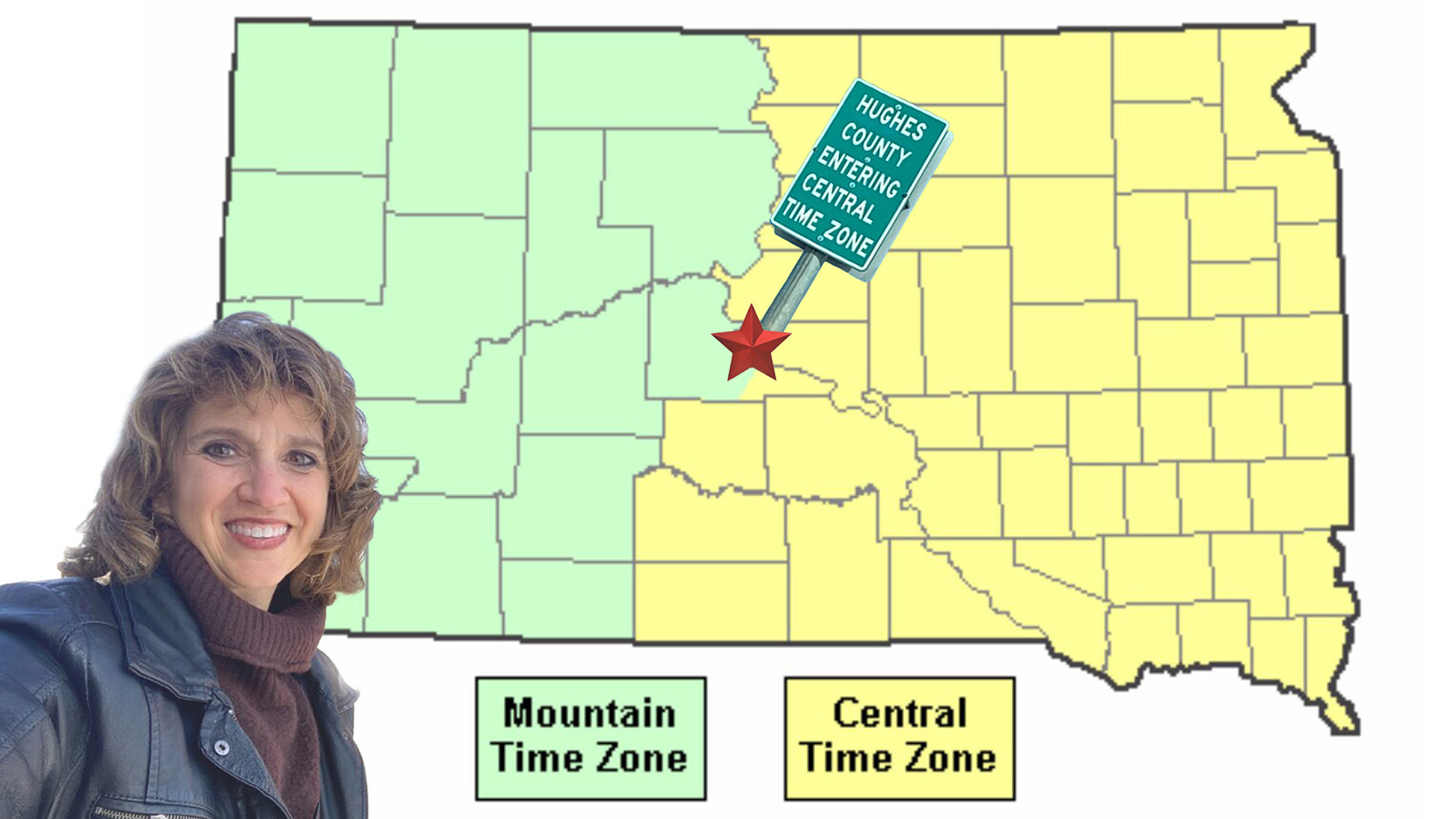
Mountain Time Zone: The Western Half
The western portion of South Dakota operates on Mountain Time Zone (MT), which is UTC-7 during standard time and UTC-6 during Daylight Saving Time. This region encompasses some of the state’s most iconic natural attractions and historic towns, drawing visitors seeking adventure and a glimpse into the American West. The Black Hills region, including Rapid City, Keystone, and Deadwood, falls squarely within this time zone. Anyone arriving at Rapid City Regional Airport will find themselves operating on Mountain Time. This area’s time adherence often aligns with neighboring western states like Wyoming and Montana, making cross-state travel planning somewhat intuitive within the broader region.
Central Time Zone: The Eastern Expanse
The larger, eastern segment of South Dakota observes Central Time Zone (CT), which is UTC-6 during standard time and UTC-5 during Daylight Saving Time. This includes the state’s capital, Pierre, and its largest city, Sioux Falls, along with other significant urban centers like Aberdeen, Watertown, and Brookings. The eastern border of South Dakota is shared with Iowa and Minnesota, both of which also observe Central Time, facilitating travel into these neighboring states. The transition point between the two zones is generally accepted to be the Missouri River, although some counties along the river may have historical or practical reasons for opting into one zone or the other, adding a layer of localized complexity that astute travelers should verify.
The Practical Impact on Travelers
For those exploring South Dakota, failing to account for the time zone change can lead to missed reservations, inconvenient delays, or even the closure of attractions. The difference of an hour can significantly alter a day’s schedule, especially when traveling long distances across the state.
Planning Your Itinerary Across Zones
When constructing an itinerary that spans both eastern and western South Dakota, it is crucial to explicitly note the time zone for each major stop. For example, if you plan to visit Mount Rushmore in the morning and then drive towards Badlands National Park and then further east towards Wall Drug Store or Mitchell, you’ll be starting in Mountain Time and potentially ending your day in Central Time. This means an 8 AM reservation in Rapid City (MT) would require an earlier start for someone driving from Pierre (CT), effectively making it a 7 AM start from their perspective. Always confirm opening and closing times with the local time zone in mind for the specific attraction or service.
Navigating Local Schedules and Appointments
Beyond tourist attractions, daily operations like gas stations, restaurants, banks, and post offices will adhere strictly to their local time zones. If you have pre-booked tours, hotel check-ins, or dining reservations, double-check the time zone specified on your confirmation. Miscalculating this could mean missing a unique experience or even losing a deposit. For business travelers, conference calls or meetings planned across the state demand careful synchronization, clearly stating whether the time provided is Mountain Time or Central Time to avoid misunderstandings. Modern smartphones and GPS devices typically update automatically, but it is always wise to manually confirm, especially in rural areas where signal can be intermittent.
Key Locations and Their Time Zones
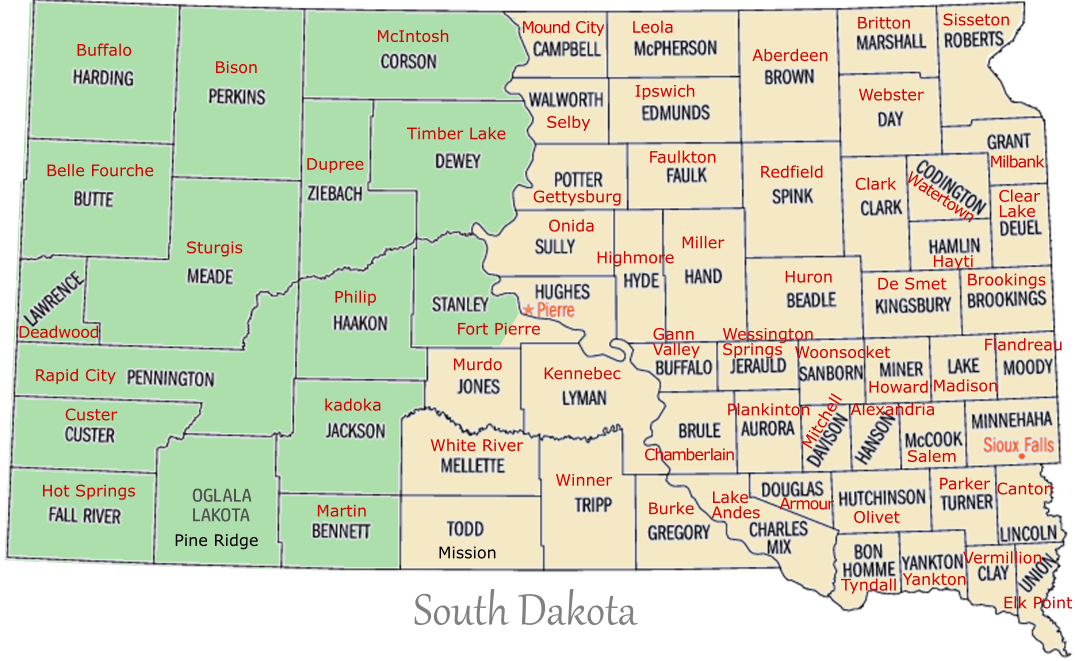
To provide clarity for travelers, here’s a breakdown of some prominent South Dakota destinations and their respective time zones.
Iconic Destinations in Mountain Time
The vast majority of South Dakota’s renowned natural wonders and historical sites are nestled within the Mountain Time Zone.
- Rapid City: The gateway to the Black Hills and often the starting point for western South Dakota adventures.
- Mount Rushmore National Memorial: This iconic landmark is a must-see, operating on Mountain Time.
- Badlands National Park: While parts of the park extend east, the primary visitor centers and most accessible areas are in Mountain Time.
- Custer State Park: Home to the Needles Highway and abundant wildlife, firmly in Mountain Time.
- Crazy Horse Memorial: The massive mountain carving project operates on Mountain Time.
- Deadwood: The historic gold rush town and gambling hub uses Mountain Time.
Major Cities in Central Time
The more populous eastern region of South Dakota adheres to the Central Time Zone.
- Sioux Falls: The state’s largest city and economic hub, featuring the picturesque Falls Park.
- Pierre: The state capital, situated on the Missouri River.
- Aberdeen: A significant city in the northeastern part of the state.
- Watertown: Known for its lakes and outdoor recreation.
- Brookings: Home to South Dakota State University.
- Mitchell: Famous for the World’s Only Corn Palace.
The actual dividing line, as established by federal law and local county ordinances, runs along county boundaries, often but not exclusively following the Missouri River. Specifically, counties west of the Missouri River generally observe Mountain Time, with a few exceptions. For instance, some northern counties directly west of the river, like Dewey and Corson, have historically opted for Central Time to align with their eastern neighbors. Always cross-reference with a reliable map or local information when traveling close to the time zone border.
Historical Context and Local Nuances
The split in South Dakota’s time zones is not arbitrary but rooted in geographical, historical, and economic factors.
Why the Split?
The division largely stems from the historical settlement patterns and economic ties of the different parts of the state. Western South Dakota, with its rugged terrain and mining history, naturally aligned with states further west, participating in industries and daily rhythms that made Mountain Time more practical. The eastern plains, however, were settled more densely by agricultural communities with stronger ties to Midwestern economic centers like Minneapolis and Omaha, leading to the adoption of Central Time. The Missouri River served as a convenient and natural boundary for this division, creating a clear geographical separation.
Community Adaptations and Considerations
Local communities along the time zone boundary often demonstrate a heightened awareness of the shift. Road signs frequently indicate the upcoming time zone change, and local businesses are accustomed to clarifying their operating hours. While most modern devices adjust automatically, the human element of remembering the change remains vital. Visitors should also be aware that communities might occasionally petition for a change in their time zone for economic or social reasons, so checking the most current local information is always a good practice, especially in border counties. This flexibility underscores the importance of local alignment over rigid federal guidelines in some instances.

Tips for a Seamless South Dakota Journey
To ensure your South Dakota adventure unfolds without a hitch due to time zone differences, consider these practical tips:
- Map Your Journey: Before you leave, trace your route and identify where you will cross the Missouri River or any other known time zone boundary. Note the time zone for each destination on your itinerary.
- Confirm Appointments Locally: For all pre-booked activities, tours, and accommodations, explicitly confirm the time zone with the vendor or venue. A quick call can save significant hassle.
- Trust, But Verify Your Devices: While smartphones generally update automatically, cross-reference with a reliable local clock or a known time source (e.g., local radio station) when you enter a new zone, especially in areas with spotty signal.
- Allow Buffer Time: When driving across the time zone, build in an extra hour of buffer time around the change. This allows for unexpected delays and ensures you arrive refreshed and on schedule.
- Look for Road Signs: South Dakota often has clear signage indicating time zone changes, particularly on major highways. Keep an eye out for these alerts.
- Inform Fellow Travelers: If you’re traveling in a group, ensure everyone is aware of the time zone changes to avoid individual confusion or missed plans.
By understanding and planning for South Dakota’s dual time zones, you can ensure your trip is efficient, enjoyable, and free from logistical headaches, allowing you to fully immerse yourself in the rich history and breathtaking natural beauty this incredible state has to offer.
LifeOutOfTheBox is a participant in the Amazon Services LLC Associates Program, an affiliate advertising program designed to provide a means for sites to earn advertising fees by advertising and linking to Amazon.com. Amazon, the Amazon logo, AmazonSupply, and the AmazonSupply logo are trademarks of Amazon.com, Inc. or its affiliates. As an Amazon Associate we earn affiliate commissions from qualifying purchases.