
Understanding sunset times is an often-overlooked yet critical detail for any traveler planning an itinerary in Colorado. The state, renowned for its majestic mountains, vast plains, and vibrant cities, offers some of the most spectacular sunsets in North America. However, the precise moment the sun dips below the horizon can significantly impact your travel experience, dictating everything from photography schedules to the timing of outdoor activities and even dinner reservations. For those seeking to capture the ethereal glow on a mountain peak or simply unwind with a panoramic vista, knowing the exact sunset time is not just a preference—it’s a travel essential.

The Dynamic Nature of Colorado Sunsets: Why Timing Matters for Travelers
The exact time of sunset in Colorado is not a fixed phenomenon; it’s a dynamic interplay of several factors, primarily the time of year, your specific location within the state, and even the local topography. For travelers, this variability holds significant implications.
Seasonal Shifts and Their Impact
The most prominent factor influencing sunset times is the season. During the height of summer, typically June and July, Colorado experiences its latest sunsets, often occurring after 8:30 PM MDT (Mountain Daylight Time) in many areas. This extended daylight offers generous evenings for hiking, sightseeing, and enjoying al fresco dining against a painted sky. Conversely, the winter months, especially December and January, bring the earliest sunsets, sometimes before 4:45 PM MST (Mountain Standard Time). While this means shorter days for outdoor exploration, it also provides opportunities for dramatic, crisp twilight views and a cozy ambiance. Spring and autumn offer transitional periods, with sunset times gradually shifting, often providing comfortable temperatures for evening excursions.
Geographical Nuances Across the Centennial State
Colorado’s vast geographical expanse means that sunset times can vary noticeably from east to west. Locations on the eastern plains, such as Lamar or Burlington, will experience sunset slightly earlier than mountainous regions or cities further west, like Grand Junction or Telluride. This difference, though often only a few minutes, can be crucial for photographers chasing the perfect golden hour light or hikers planning to be off the trails before dark. Furthermore, deep valleys and high peaks can locally obscure the horizon earlier than astronomical sunset, creating a ‘practical’ sunset that occurs sooner than the official time, a detail particularly relevant for those venturing into Rocky Mountain National Park or the San Juan Mountains.
Planning for Golden Hour and Twilight
For photographers, understanding sunset timing is paramount for capturing the coveted “golden hour”—the period shortly before sunset when the light is soft, warm, and ideal for photography. This window typically lasts for about an hour, requiring travelers to be at their chosen vantage point well in advance. Equally important is the “blue hour,” the twilight period after sunset and before complete darkness, which offers its own unique, cool-toned aesthetic. Knowing the precise sunset time allows travelers to maximize these magical periods, ensuring they don’t miss out on capturing Colorado’s beauty.
Seasonal Sunset Timings and Planning Your Colorado Adventure
The seasonal rhythm profoundly influences when the sun sets across Colorado, shaping the character of your travel experience. Planning around these shifts is key to making the most of your visit.
Summer Sunsets: Long Evenings for Exploration
During the peak summer months of June, July, and August, Colorado basks in long daylight hours. Sunset in cities like Denver or Colorado Springs typically ranges from 8:25 PM to 8:40 PM MDT. This extended period of daylight is perfect for evening hikes, leisurely drives along scenic routes like Trail Ridge Road in Rocky Mountain National Park, or dining outdoors at a rooftop patio. Travelers can comfortably enjoy activities well into the evening, with ample time to return to their accommodation before darkness sets in. Consider booking late-evening wildlife tours or planning a picnic dinner with a mountain backdrop, knowing you have plenty of natural light.
Autumn’s Golden Glow: Earlier Evenings and Vibrant Hues
As September and October arrive, bringing cooler temperatures and spectacular fall foliage, sunset times begin to recede. By late September, sunset in central Colorado might be closer to 7:00 PM MDT, further shifting to around 6:00 PM MDT or earlier as October progresses and the clocks eventually fall back to MST. This earlier sunset creates opportunities for capturing the golden light on aspen groves. It also means that afternoon hikes need to be planned with sufficient time to descend before twilight. Many popular areas, such as the Maroon Bells near Aspen or Kebler Pass near Crested Butte, are particularly stunning as the low-angle sun illuminates the vibrant reds and golds.
Winter’s Short Days: Early Sunsets and Crisp Views
Winter transforms Colorado into a snowy wonderland, but it also brings the earliest sunsets. From November through February, sunset can occur between 4:30 PM and 5:30 PM MST. This means that ski resorts like Vail or Breckenridge will see the sun disappear behind the peaks while slopes are still open. Travelers should plan their daytime activities, such as skiing, snowboarding, or snowshoeing, to conclude before darkness. However, these early sunsets also create unique opportunities for breathtaking alpenglow on snow-capped mountains and stargazing in pristine dark skies soon after dinner.
Spring’s Awakening: Lengthening Days and Mild Evenings
March, April, and May witness the lengthening of days as spring takes hold. Sunset times gradually push later, moving from around 6:00 PM MST in early March to well past 7:30 PM MDT by late May. This period offers a fantastic balance for travelers: comfortable temperatures for outdoor activities and increasingly long evenings to enjoy them. It’s an ideal time for exploring lower-elevation trails, visiting state parks like Eldorado Canyon State Park, or enjoying the thawing landscapes.
Prime Locations for Watching a Colorado Sunset
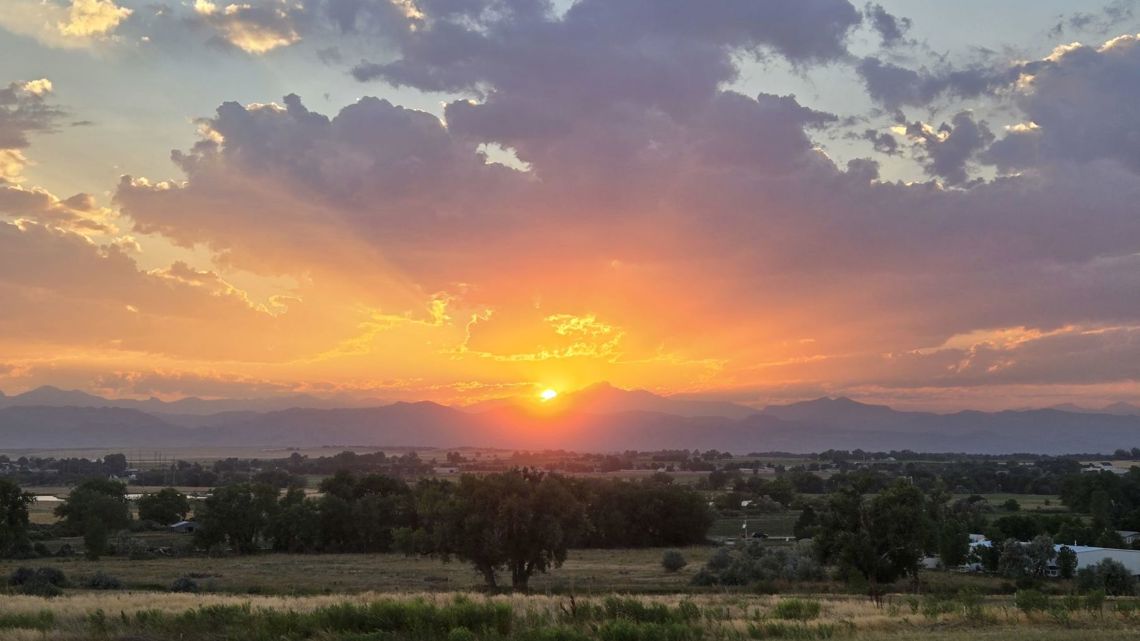
Colorado’s diverse topography provides an array of spectacular venues for witnessing the daily spectacle of sunset. Each offers a unique perspective, from sweeping mountain panoramas to intimate desert vistas.
Mountain Majesty: Rocky Mountain National Park
Rocky Mountain National Park is arguably one of the most iconic places to watch the sunset. Along Trail Ridge Road, particularly at viewpoints like Many Parks Curve or Forest Canyon Overlook, the expansive views of the Continental Divide bathed in golden and crimson hues are unforgettable. Arrive early to secure a parking spot and find your perfect vantage point. The crisp mountain air and the possibility of spotting wildlife add to the allure.
Red Rock Rhapsody: Garden of the Gods and Red Rocks
In Colorado Springs, the Garden of the Gods offers a dramatic display as the setting sun ignites the towering red sandstone formations. The contrast of the vibrant rocks against the changing sky is a photographer’s dream. Similarly, just west of Denver, Red Rocks Park and Amphitheatre provides stunning sunset views with the city skyline shimmering in the distance. Even without a concert, the park itself is a popular spot for locals and tourists alike to enjoy the evening light.
Desert Dramatics: Great Sand Dunes and Mesa Verde
For a unique sunset experience, head to Great Sand Dunes National Park and Preserve. As the sun dips, the shadows play across the immense dunes, creating ever-changing patterns, and the sand glows with an otherworldly light. It’s also an International Dark Sky Park, promising incredible stargazing once the last light fades. Further southwest, Mesa Verde National Park offers sunsets that cast a golden glow on ancient cliff dwellings, blending natural beauty with profound historical significance.
Urban Panoramas: Denver’s Overlooks
Even in the bustling capital city, spectacular sunset views are accessible. City Park in Denver provides iconic views of the city skyline silhouetted against the Front Range as the sun sets. Rooftop bars and restaurants downtown also offer sophisticated settings to enjoy the transition from day to night. For a slightly elevated perspective, drive up to Lookout Mountain near Golden for expansive views of the plains and the city lights coming alive.
Essential Tips for a Memorable Colorado Sunset Adventure
To ensure your Colorado sunset experience is as enchanting as possible, consider these practical tips designed to enhance your adventure and address common traveler needs.
Confirming Local Sunset Times
Never rely on generalized sunset times for the entire state. The most accurate information will come from local weather apps, reputable astronomical websites, or a quick search for “[sunset time] [your specific Colorado location today]”. This precision is especially important when traveling across different longitudes within Colorado or when planning around the distinct ‘practical’ sunset in deep valleys or behind high peaks. Always check the day before or the morning of your planned outing.
Arrive Early and Stay Awhile
The magic of a Colorado sunset isn’t just about the moment the sun disappears. The ‘golden hour’ leading up to sunset and the ‘blue hour’ immediately following it offer distinct photographic opportunities and ethereal light. Arriving an hour or more before the official sunset time allows you to scout the best viewing spot, set up equipment, and simply soak in the evolving landscape. Staying for 15-30 minutes after sunset often reveals the most vibrant colors in the sky, known as the “afterglow,” and, in some locations, the onset of incredible stargazing.
Dress in Layers, Regardless of Season
Even on a warm summer day, temperatures in [Colorado](https://lifeoutoutofbox.com/colorado] can drop significantly as soon as the sun goes down, especially at higher elevations. Always pack extra layers, including a warm jacket, hat, and gloves, particularly if you plan to be stationary at a viewpoint for an extended period. Wind chill can make the evening air feel much colder than anticipated.
Mind Wildlife and Park Regulations
Dawn and dusk are prime times for wildlife activity. While seeing elk, deer, or bighorn sheep can be a highlight, always maintain a safe distance and never approach or feed wild animals. Be aware of park-specific regulations, especially concerning closing times, off-limit areas after dark, and any requirements for permits or fees. Some popular sunset spots may require reservations or timed entry, so check official park websites in advance.
Photography Preparedness
For aspiring photographers, a tripod is essential for sharp, low-light images. A wide-angle lens can help capture the vastness of the Colorado landscape and sky. Consider a remote shutter release to avoid camera shake. Don’t forget extra batteries, as cold temperatures can drain them faster. Experiment with different compositions, foreground elements, and exposures to capture the full spectrum of colors.

Leave No Trace Principles
Always practice Leave No Trace principles. Pack out everything you pack in, including all trash. Stay on designated trails and viewpoints to protect fragile ecosystems. Respect the natural environment and fellow visitors to preserve [Colorado](https://lifeoutoutofbox.com/colorado]’s beauty for everyone.
By keeping these tips in mind, travelers can ensure their pursuit of a Colorado sunset is not only successful but also a safe, respectful, and deeply enriching part of their adventure.
LifeOutOfTheBox is a participant in the Amazon Services LLC Associates Program, an affiliate advertising program designed to provide a means for sites to earn advertising fees by advertising and linking to Amazon.com. Amazon, the Amazon logo, AmazonSupply, and the AmazonSupply logo are trademarks of Amazon.com, Inc. or its affiliates. As an Amazon Associate we earn affiliate commissions from qualifying purchases.