
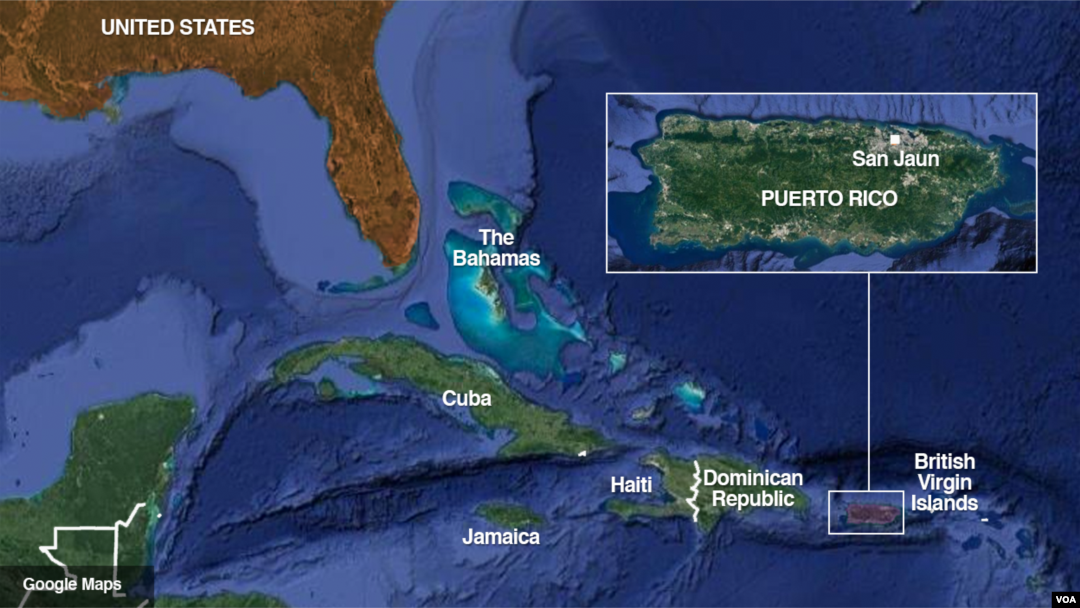
Puerto Rico’s status as a U.S. territory is a complex and enduring aspect of its identity, profoundly shaping its relationship with the mainland United States and influencing the experiences of visitors who explore its vibrant shores. Understanding this unique political standing is crucial for appreciating the island’s history, culture, and the nuances of travel within its borders. It’s a story woven from historical treaties, evolving political aspirations, and the very fabric of American expansion.
A Legacy of Conquest and Cession
The journey of Puerto Rico from Spanish colony to U.S. territory is rooted in the dramatic geopolitical shifts of the late 19th century. For over four centuries, the island was under Spanish dominion, a period that left an indelible mark on its language, architecture, and traditions. However, the winds of change blew fiercely with the advent of the Spanish-American War in 1898.

The Spanish-American War and the Treaty of Paris
The conflict between the United States and Spain, though brief, had far-reaching consequences for both nations and their overseas possessions. During the war, U.S. forces invaded Puerto Rico, encountering relatively little resistance. Following Spain’s defeat, the Treaty of Paris was signed on December 10, 1898, officially ending the war. Under the terms of this treaty, Spain ceded Cuba, Puerto Rico, and Guam to the United States.
This cession marked a pivotal moment in Puerto Rico’s history. The island, which had been a Spanish possession since Christopher Columbus first landed in 1493, now found itself under American control. The initial U.S. military occupation was followed by a period of governmental transition.
The Foraker Act of 1900
In 1900, the U.S. Congress passed the Foraker Act (also known as the Organic Act of 1900). This legislation established a civilian government in Puerto Rico and officially declared it an unincorporated territory of the United States. This designation is key to understanding the island’s current status. An unincorporated territory means that the U.S. Constitution does not apply to it fully, and its residents, while U.S. citizens since 1917, do not have full voting rights in federal elections or representation in the U.S. Congress.
This distinction between incorporated and unincorporated territories has significant implications. Incorporated territories, like Hawaii before its statehood, are considered to be on a path to statehood, with the expectation that the Constitution will eventually be fully extended to them. Unincorporated territories, on the other hand, are not necessarily viewed as destined for statehood, and their relationship with the U.S. is determined by Congressional acts, not by the full application of constitutional law.
Evolving Political Status and Aspirations
Over the decades, Puerto Rico’s political status has been a subject of ongoing debate and varying aspirations among its residents. While the U.S. territory status has remained, the island has seen different forms of governance and has expressed desires for change.
The Jones-Shafroth Act of 1917
Another significant piece of legislation affecting Puerto Rico was the Jones-Shafroth Act of 1917. This act granted statutory U.S. citizenship to the people of Puerto Rico. This was a monumental step, formally recognizing Puerto Ricans as citizens of the United States, although with the aforementioned limitations on political rights. The act also established a bill of rights for the island and a popularly elected Senate.
Commonwealth Status and its Nuances

In 1950, the U.S. Congress passed Public Law 600, authorizing Puerto Rico to draft its own constitution. This led to the establishment of the Commonwealth of Puerto Rico in 1952, which was approved by Congress. The term “Commonwealth” itself is a point of discussion, as its exact legal meaning in this context is debated. Some interpret it as a more autonomous status, while others see it as a continuation of the territorial framework, albeit with a locally crafted constitution.
The Commonwealth status grants Puerto Rico a significant degree of self-governance. It has its own governor, legislature, and judicial system. However, ultimate sovereignty remains with the U.S. Congress, which retains the authority to legislate on matters concerning the island. This dynamic creates a unique situation where the island has considerable internal autonomy but is still subject to federal laws and decisions.
Referendums and Ongoing Debates
Throughout its history, Puerto Rico has held numerous referendums to gauge public opinion on its political status. These votes have often reflected a divided populace, with significant support for statehood, continued commonwealth status, and independence. Each option presents its own set of advantages and challenges, and the debate is far from settled.
- Statehood: Proponents of statehood envision Puerto Rico becoming the 51st state, which would grant its residents full voting rights in federal elections and equal representation in Congress. It would also mean full application of federal laws and funding, potentially boosting the island’s economy. However, concerns exist about the potential impact on Puerto Rican culture and the economic viability of full integration.
- Commonwealth: Those who favor maintaining or enhancing the current commonwealth status often point to the island’s unique cultural identity and desire for greater autonomy without full assimilation. They argue that the current system allows for a distinct Puerto Rican identity while still maintaining ties to the U.S.
- Independence: A smaller but vocal segment advocates for full independence, seeking to establish Puerto Rico as a sovereign nation. This would grant complete self-determination but would also mean severing political ties with the U.S. and navigating a new relationship with the global community.
The U.S. Congress has the final say on any change to Puerto Rico’s status, and despite the island’s votes, no definitive action has been taken to alter its territorial status. This ongoing uncertainty continues to shape the island’s political landscape and its future trajectory.
Implications for Travel and Tourism
Puerto Rico’s status as a U.S. territory has profound implications for travelers and the tourism industry, offering a blend of familiar American conveniences with a distinct Caribbean flair.
Ease of Travel and Familiarity
For U.S. citizens, traveling to Puerto Rico is remarkably seamless. No passports are required, and the currency is the U.S. dollar, eliminating the need for currency exchange. Domestic flight rules apply, making air travel straightforward. This ease of access and familiarity is a significant draw for many American tourists who can experience an exotic destination without the usual complexities of international travel.
The presence of U.S. federal laws and regulations also means that many familiar American businesses and services are readily available. From major hotel chains to fast-food restaurants and familiar retail brands, visitors often find a comforting level of accessibility.
Cultural Richness and Unique Experiences
Despite the political ties, Puerto Rico boasts an incredibly rich and distinct culture that is a primary attraction for visitors. The island’s history, influenced by Taíno, Spanish, African, and American traditions, has created a vibrant tapestry of customs, music, dance, and cuisine.
- Old San Juan: The historic capital, Old San Juan, is a UNESCO World Heritage site, captivating visitors with its colonial architecture, colorful buildings, cobblestone streets, and imposing fortifications like Castillo San Felipe del Morro and Castillo de San Cristóbal.
- Bioluminescent Bays: Puerto Rico is home to some of the brightest bioluminescent bays in the world, such as Mosquito Bay in Vieques, offering a magical nighttime experience.
- Beaches and Natural Beauty: From the white sands of Flamenco Beach in Culebra to the rugged coastline of the north, Puerto Rico’s beaches are world-renowned. The island also boasts lush rainforests like the El Yunque National Forest, offering hiking trails and stunning biodiversity.
- Cuisine: Puerto Rican food is a delicious fusion of influences. Visitors can savor dishes like mofongo (mashed plantains), lechón (roast pig), arroz con gandules (rice with pigeon peas), and tembleque (coconut pudding). The vibrant bar scene, especially for the iconic piña colada, is also a major draw.
Economic Considerations and Tourism Development
Puerto Rico’s territorial status has also influenced its economic development, with tourism playing a vital role. The island actively promotes itself as a tourist destination, with infrastructure and services designed to accommodate visitors. However, economic challenges, partly attributed to its political status and debt crisis, have also impacted the island. Despite these hurdles, the resilience of the Puerto Rican people and the allure of its natural and cultural attractions continue to draw millions of tourists each year, making it a crucial sector for the island’s economy. Understanding the island’s political context enriches the travel experience, offering a deeper appreciation for its unique history and the enduring spirit of its people.
LifeOutOfTheBox is a participant in the Amazon Services LLC Associates Program, an affiliate advertising program designed to provide a means for sites to earn advertising fees by advertising and linking to Amazon.com. Amazon, the Amazon logo, AmazonSupply, and the AmazonSupply logo are trademarks of Amazon.com, Inc. or its affiliates. As an Amazon Associate we earn affiliate commissions from qualifying purchases.