
The Proximity and Practicalities of Travel Between Dearborn and Detroit
Understanding the distance and travel dynamics between Dearborn and Detroit is fundamental for anyone planning to navigate this vibrant corner of Michigan. These two cities, while distinct in character and offerings, share a close geographical relationship, making travel between them exceptionally convenient for residents and visitors alike. The proximity fosters a symbiotic relationship, allowing individuals to easily experience the unique cultural, historical, and economic facets of both locales within a single visit or commute. Far from being isolated entities, Dearborn often serves as a vital extension of the broader Detroit metropolitan area, providing a different perspective on the region’s rich tapestry.

Understanding the Geographic Relationship
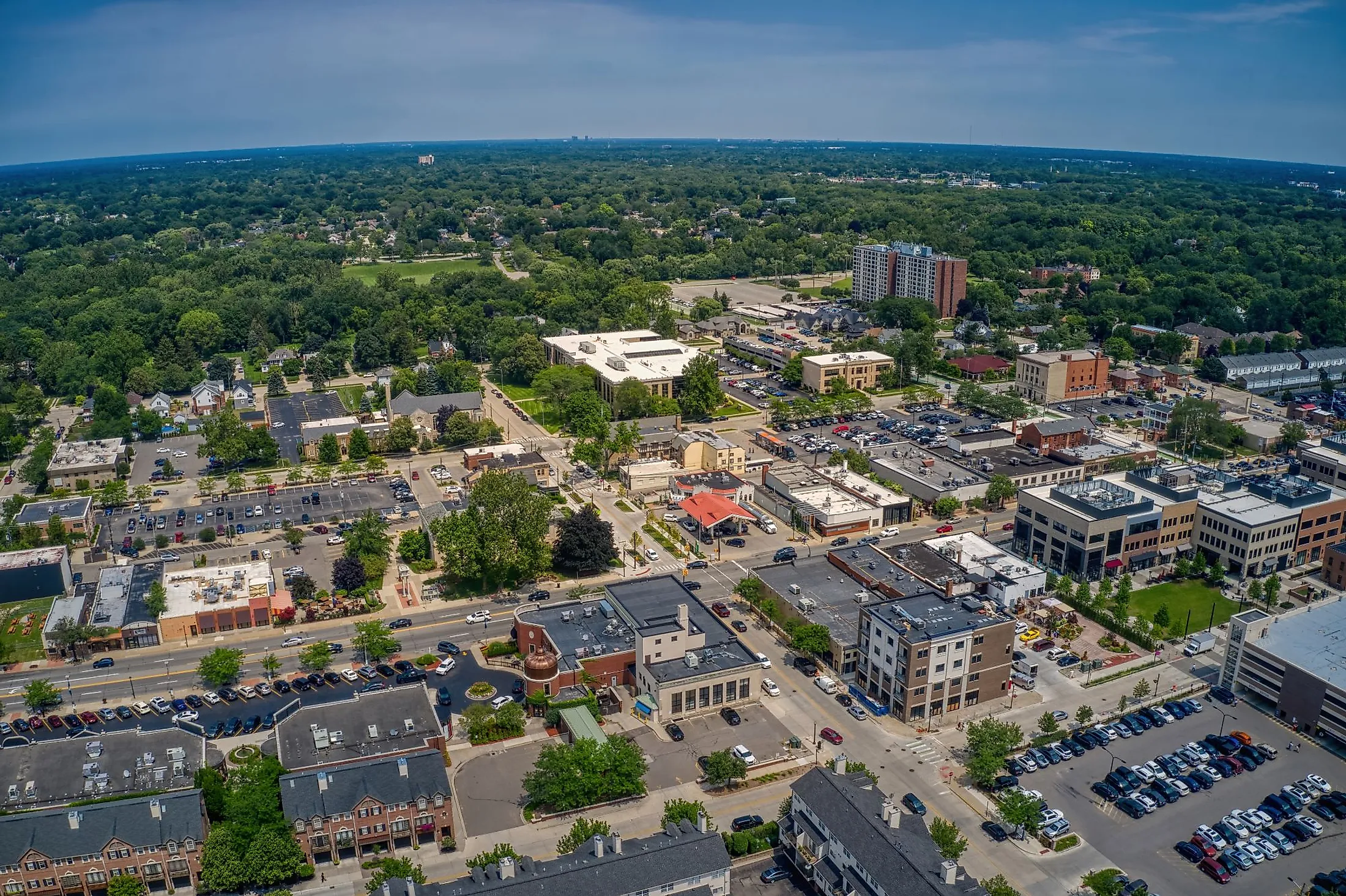
Dearborn is situated directly to the west of Detroit, effectively nestled as a significant suburb within the sprawling urban landscape of Southeast Michigan. This placement means that the two cities are not separated by vast rural stretches or difficult terrain but rather blend into a continuous urban and suburban fabric. The distinction is often more administrative and cultural than purely geographical, with well-maintained road networks facilitating smooth transitions between the two. This intimate connection highlights the integrated nature of the region, where a short drive can transport travelers from Detroit’s bustling downtown core to Dearborn’s historically significant avenues.
Typical Travel Times and Distances
The distance between the heart of Dearborn and downtown Detroit is remarkably short, typically ranging from 10 to 15 miles, depending on the specific starting and ending points within each city. This translates to a relatively quick drive, usually taking between 15 to 25 minutes under normal traffic conditions. During peak commuter hours, such as morning and evening rush, this travel time can extend to 30-40 minutes, but rarely much longer due to the efficient highway system connecting the two. For travelers, this means that exploring both cities in a single day or even a half-day is not just feasible but highly recommended, allowing for a comprehensive experience of what the region has to offer. The ease of travel eliminates the need for extensive planning around transit, freeing up more time for exploration and enjoyment.
Key Routes and Commuter Information
The primary arteries connecting Dearborn and Detroit are Interstate 94 (I-94), Michigan Avenue (US-12), and Ford Road (M-153). I-94 offers the quickest route, a multi-lane highway that bypasses local traffic and provides direct access to Detroit’s central business district and cultural institutions. Michigan Avenue, on the other hand, provides a more scenic and historical drive, cutting straight through various neighborhoods and offering glimpses into the diverse communities that comprise the metropolitan area. This route is excellent for those who prefer to avoid highway speeds and enjoy the local scenery. Ford Road serves as another significant east-west corridor, particularly useful for accessing northern parts of Dearborn and connecting to other major routes. Commuters often utilize a combination of these roads, adapting their choice based on destination and current traffic patterns, which are readily available via navigation apps.
Navigating the Journey: Transportation Options
Traveling between Dearborn and Detroit is a straightforward affair, with several reliable transportation options available to suit different preferences and budgets. The region’s infrastructure is well-equipped to handle the flow of traffic, making the commute or casual journey stress-free.
Driving: The Most Common Method
For most visitors and residents, driving remains the preferred and most practical way to travel between Dearborn and Detroit. The aforementioned highways and arterial roads provide excellent connectivity, and parking is generally available in both cities, though it can be metered or require payment in popular downtown Detroit areas. Renting a car is highly recommended for tourists who wish to explore the broader Detroit metropolitan area at their own pace, as it offers the greatest flexibility. Travelers should be mindful of traffic during peak hours, typically between 7 AM – 9 AM and 4 PM – 6 PM on weekdays.
Public Transportation: Exploring Alternatives
While not as extensive as in some other major metropolitan areas, public transportation options do exist. The Detroit Department of Transportation (DDOT) and SMART (Suburban Mobility Authority for Regional Transportation) operate bus routes that connect Dearborn to Detroit. SMART buses primarily serve the suburban areas, including Dearborn, and connect to key transfer points within Detroit where riders can switch to DDOT routes. While more time-consuming than driving, public transit is a cost-effective option and allows travelers to avoid the hassle of parking. Planning trips using transit apps or websites is advisable to ascertain the most efficient routes and schedules.
Ride-Sharing and Taxis
Services like Uber and Lyft are readily available in both Dearborn and Detroit, offering a convenient door-to-door service. This can be an excellent option for those who prefer not to drive or navigate public transport, especially when traveling in a small group. Taxi services also operate throughout the region. Fares will vary based on distance, time of day, and traffic conditions, but typically offer a predictable cost for the journey. For an average 15-mile trip, ride-sharing costs usually range from $20-$35, making it a viable option for direct travel.
Experiencing Each Destination: What to See and Do
The close proximity of Dearborn and Detroit means that a visit to one seamlessly opens the door to the other. Each city boasts a unique array of attractions, offering diverse experiences from historical deep dives to modern urban exploration.
Discovering Dearborn’s Unique Charms
Dearborn is renowned for its rich history, particularly its ties to Henry Ford and the automotive industry, as well as its significant Arab American community.
- The Henry Ford Museum and Greenfield Village: This expansive complex is a must-see. The Henry Ford Museum showcases American innovation, from historical vehicles and machinery to iconic artifacts like the Rosa Parks bus and Abraham Lincoln’s chair. Greenfield Village offers a living history experience, with historic buildings, working farms, and costumed interpreters demonstrating life in early America.
- Ford Rouge Factory Tour: Get a behind-the-scenes look at a modern working automotive factory. This tour provides an insightful perspective into Ford Motor Company’s manufacturing process, culminating in a panoramic view of the assembly line.
- Arab American National Museum: As the first and only museum in the United States dedicated to chronicling the Arab American experience, it offers profound insights into the community’s history, culture, and contributions.
Exploring Detroit’s Vibrant Renaissance
Detroit, often called the “Motor City,” is a city on the rise, boasting a dynamic arts scene, revitalized downtown, and a deep musical heritage.
- Motown Museum: Visit “Hitsville U.S.A.,” the original headquarters of Motown Records. This iconic museum takes visitors back to where legendary artists like The Supremes and Marvin Gaye recorded their timeless hits.
- Detroit Institute of Arts (DIA): Home to one of the largest and most significant art collections in the United States, the DIA features masterpieces from around the globe, including the famous “Detroit Industry Murals” by Diego Rivera.
- Campus Martius Park: A central gathering place in downtown Detroit, offering seasonal attractions like an ice-skating rink in winter and a beach in summer, surrounded by vibrant restaurants and entertainment.
- Eastern Market: One of the oldest and largest historic public markets in the United States, Eastern Market is a bustling hub for fresh produce, local foods, art, and unique goods, especially lively on Saturdays.
- Detroit Riverwalk: A beautifully redeveloped waterfront promenade offering stunning views of the Detroit River and Canada, perfect for walking, biking, or simply relaxing.
Planning Your Trip: Tips for a Seamless Experience
Making the most of your travel between Dearborn and Detroit involves a few key considerations to ensure a smooth and enjoyable experience.
Best Times to Travel
The spring (April to June) and fall (September to October) months generally offer the most pleasant weather for visiting Southeast Michigan, with comfortable temperatures ideal for walking and outdoor activities. Summers can be hot and humid, while winters can be very cold with significant snowfall, impacting travel comfort, though both seasons have their unique charm, such as holiday festivities in winter or vibrant festivals in summer. Weekdays generally see more traffic during rush hours, so weekend travel or off-peak weekday hours are best for quicker transit times.
Combining Visits for a Fuller Experience
Given their close proximity, it’s highly recommended to combine visits to Dearborn and Detroit into a single itinerary. Many travelers choose to dedicate a full day to The Henry Ford Museum and Greenfield Village in Dearborn, and then spend another day or two exploring Detroit’s downtown, museums, and cultural sites. Alternatively, one could spend a morning in Dearborn visiting a specific museum, then head to Detroit for an afternoon of exploring the DIA or Motown Museum, followed by dinner and evening entertainment. This integrated approach maximizes the travel experience, showcasing the diverse appeal of the region.

Essential Travel Tips
- Check traffic: Always consult a reliable navigation app (like Google Maps or Waze) before driving to get real-time traffic updates and estimated travel times.
- Parking: Research parking options and costs in advance, especially for popular attractions in downtown Detroit. Many hotels offer parking, and there are numerous parking garages and lots.
- Public transit apps: If planning to use buses, download the relevant transit apps for DDOT and SMART to access schedules and route information easily.
- Accommodation: Consider staying in either Dearborn or Detroit. Dearborn offers a quieter, family-friendly atmosphere with convenient access to its historical attractions, while Detroit puts you in the heart of the city’s vibrant nightlife, restaurants, and sports venues.
- Dress for the weather: Michigan’s weather can be unpredictable. Layering is always a good idea, and be prepared for rain or sudden temperature drops, especially during shoulder seasons.
- Explore local cuisine: Don’t miss out on the diverse culinary scenes in both cities. From authentic Middle Eastern fare in Dearborn to Detroit’s iconic deep-dish pizza and burgeoning farm-to-table restaurants, there’s a taste for every palate.
In essence, the question “How far is Dearborn from Detroit?” is best answered not just in miles and minutes, but in the seamless access it provides to a wealth of experiences. The journey between these two dynamic cities is not a barrier but an invitation to explore a region rich in history, innovation, and culture.
LifeOutOfTheBox is a participant in the Amazon Services LLC Associates Program, an affiliate advertising program designed to provide a means for sites to earn advertising fees by advertising and linking to Amazon.com. Amazon, the Amazon logo, AmazonSupply, and the AmazonSupply logo are trademarks of Amazon.com, Inc. or its affiliates. As an Amazon Associate we earn affiliate commissions from qualifying purchases.