
Exploring the vibrant landscapes, iconic cities, and world-renowned attractions of California is an unforgettable experience for any traveler. From the sun-kissed beaches of San Diego to the bustling streets of Los Angeles and the picturesque vineyards of Napa Valley, the Golden State offers a diverse array of activities and cultural experiences. For tourists planning to indulge in California’s renowned culinary scene, enjoy its nightlife, or sample its exquisite wines, understanding the state’s legal drinking limits and alcohol laws is paramount. This knowledge is not just about avoiding legal trouble; it’s about ensuring a safe, responsible, and truly enjoyable visit within the local culture.
Understanding California’s BAC Limits for Visitors
The primary legal drinking limit in California is defined by one’s Blood Alcohol Content (BAC). This measure indicates the percentage of alcohol in a person’s bloodstream. While the legal drinking age in the United States, including California, is 21, the permissible BAC varies significantly depending on whether you are driving and your age or occupation. For tourists, understanding these distinctions is crucial, particularly if you plan on renting a car or exploring the state’s expansive attractions independently.
General Public and Drivers Over 21
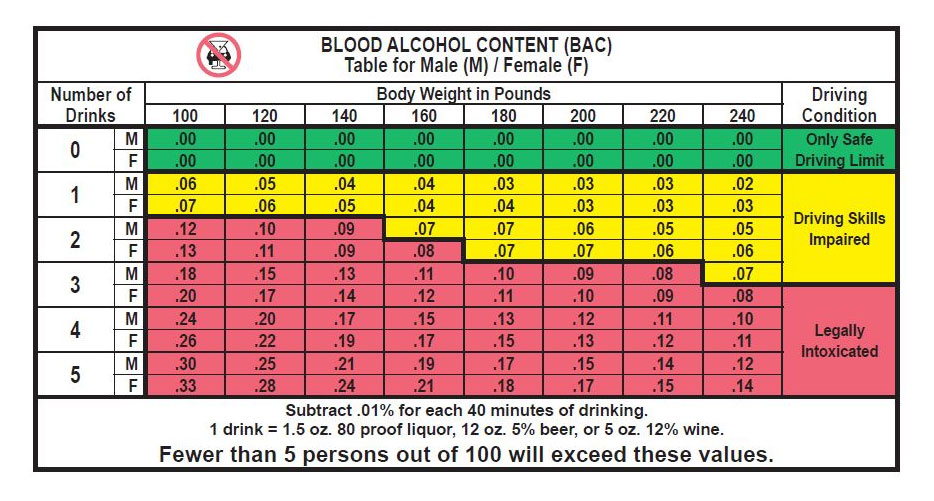
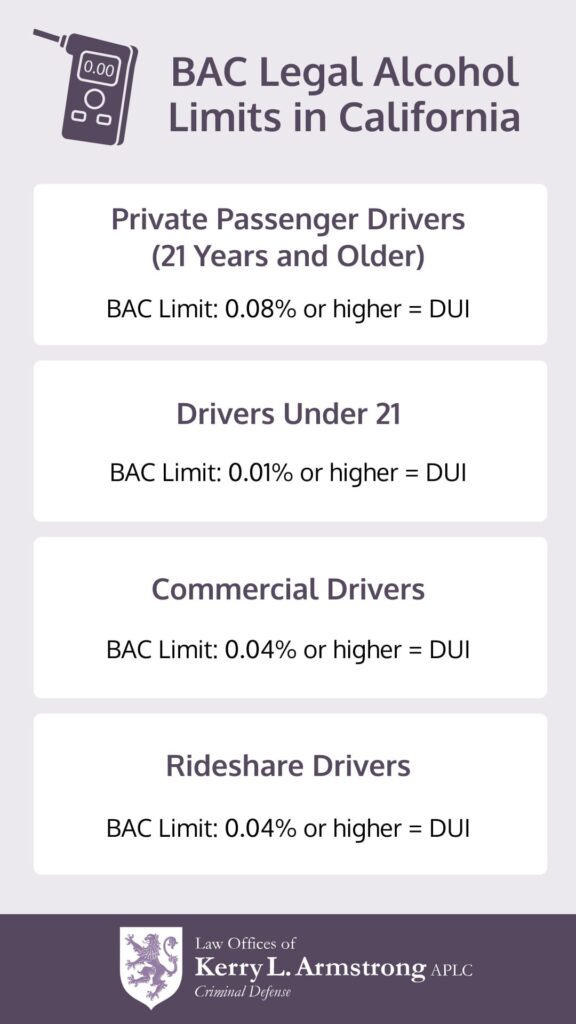
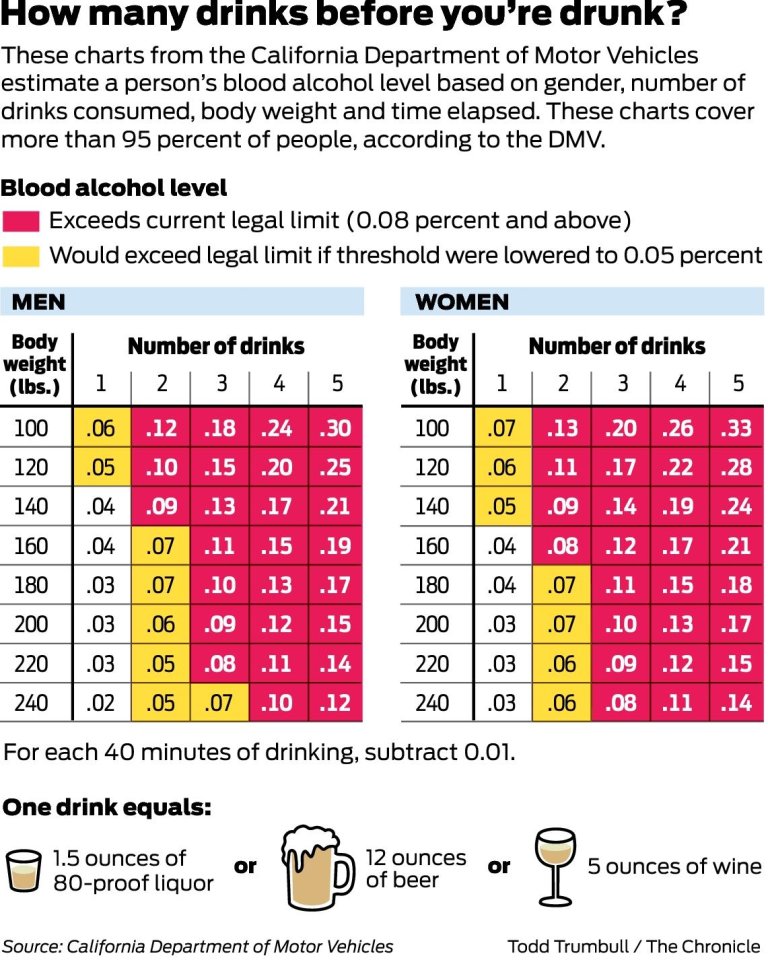
For most tourists over the age of 21, the legal BAC limit for operating a motor vehicle is 0.08%. This means that if you are pulled over by law enforcement and your BAC is determined to be 0.08% or higher, you are considered to be driving under the influence (DUI). It’s important to remember that impairment can begin at much lower BAC levels, and individual tolerance to alcohol varies greatly based on factors such as body weight, metabolism, gender, and how much food has been consumed. Even if you feel capable of driving, a BAC of 0.08% or above will result in a DUI charge, which carries severe penalties including fines, license suspension (even for out-of-state or international licenses), mandatory alcohol education programs, and potentially jail time. The impact on a travel itinerary and future international travel can be significant, making it imperative for visitors to exercise extreme caution.
Commercial Drivers and Younger Drivers
California imposes stricter BAC limits for certain groups. Commercial drivers, such as those operating tour buses, trucks, or ride-sharing services, are held to a much lower standard. Their legal BAC limit is 0.04%. This distinction highlights the state’s commitment to public safety, especially when individuals are responsible for transporting others or large vehicles. Tourists utilizing such services can be confident in the stricter regulations governing their drivers.
Furthermore, drivers under the age of 21 are subject to “Zero Tolerance” laws, which are even more stringent.
The “Zero Tolerance” Law
For any driver under the age of 21, California’s “Zero Tolerance” law dictates that driving with a BAC of 0.01% or higher is illegal. This effectively means that any detectable amount of alcohol in a minor’s system while driving can lead to legal consequences. This law aims to prevent underage drinking and driving altogether. Tourists who are under 21 and considering driving, even if they have consumed only a small amount of alcohol, must be aware of this strict regulation. Violating this law can lead to immediate license suspension and other penalties, severely impacting a trip to popular attractions like Disneyland or Universal Studios Hollywood if personal transport is relied upon.
Beyond the Limit: Public Consumption and Open Container Laws
While BAC limits primarily pertain to driving, California also has laws governing where and how alcohol can be consumed, particularly in public spaces. These “open container” laws are important for tourists to understand, whether enjoying a picnic by the Golden Gate Bridge or strolling through a vibrant city park.
Public Places and Transportation
In general, it is illegal to possess an open container of alcohol in public places in California. This includes sidewalks, streets, parks, beaches, and other public areas. The definition of an “open container” typically means any bottle, can, or other receptacle containing any alcoholic beverage that is open, or has a broken seal, or the contents of which have been partially removed. This law applies even if you are not driving. For example, enjoying a beer on a San Francisco street corner or a glass of wine on a Santa Monica beach could lead to a citation.
The same rules apply to vehicles. It is illegal for any person to have an open container of alcohol in a motor vehicle, whether the vehicle is moving or parked. This applies to both the driver and passengers. The only exception is if the container is stored in the trunk of the vehicle or in an area not readily accessible to the driver or passengers, such as behind the last row of seats in a van or SUV if there is no trunk. Violating open container laws can result in fines and other penalties, which can quickly detract from a relaxing vacation.
The Open Container Exception: Restaurants and Wineries
There are specific exceptions to the open container laws that visitors often encounter. In licensed establishments such as restaurants, bars, and wineries, open containers of alcohol are, of course, permitted. Many California restaurants offer “corkage fees,” allowing patrons to bring their own bottles of wine to enjoy with their meal, provided the establishment is licensed to serve alcohol. If you don’t finish a bottle of wine at a restaurant, some establishments are permitted to re-cork it for you to take home, but it must be transported in the trunk or a non-passenger area of your vehicle to comply with open container laws.
Similarly, in Napa Valley, Sonoma County, and other wine regions, sampling at wineries is a key part of the tourism experience. While you can enjoy wine on the premises, purchased bottles meant for off-site consumption must remain sealed until you reach a private location where open containers are allowed. Understanding these nuances helps tourists fully appreciate California’s celebrated wine culture responsibly.
Legal Age and ID Requirements
The legal drinking age in California, as throughout the United States, is 21. This law is strictly enforced across all establishments selling or serving alcoholic beverages, from high-end restaurants in Beverly Hills to casual beachside bars and grocery stores. For tourists, particularly those from countries where the legal drinking age is lower, this is a critical point to remember.
Strict Enforcement for Minors
Any person under the age of 21 found purchasing, possessing, or consuming alcohol can face significant legal consequences, including fines, community service, and suspension of driving privileges. Establishments serving alcohol are also subject to severe penalties if they serve minors, including fines, license suspension, and even revocation. Therefore, bartenders, servers, and store clerks are highly vigilant about checking identification. Attempting to use a fake ID or an ID belonging to another person is a serious offense that can lead to arrest and charges for both the individual attempting to use it and potentially the person whose ID was used.
Acceptable Forms of Identification
When purchasing alcohol or entering venues that serve alcohol, visitors should always be prepared to present valid, government-issued identification that clearly shows their photo, name, and date of birth. For U.S. citizens, this typically includes a state driver’s license, a state identification card, or a U.S. passport.
International tourists should carry their passport or a valid foreign driver’s license with an accompanying International Driving Permit. While some establishments might accept foreign driver’s licenses, a passport is universally recognized and is often the preferred form of identification for international visitors, especially in tourist-heavy areas like Hollywood or Downtown San Francisco. It is always advisable to carry a photocopy of your passport separately and keep the original secure, but be prepared to present the original if required.
Navigating California’s Alcohol Culture Responsibly
For a seamless and enjoyable tourism experience in California, integrating an understanding of alcohol laws into your travel plans is essential. The state offers incredible opportunities to enjoy fine dining, vibrant nightlife, and world-class wine and craft beer scenes, all of which can be responsibly explored.
Designated Drivers and Ride-Sharing Services
If your itinerary includes visiting wineries, breweries, or enjoying evening entertainment where alcohol will be consumed, planning for safe transportation is paramount. California has a strong infrastructure for ride-sharing services like Uber and Lyft, which are widely available in major cities and even in many wine country regions. Taxis are also readily available. Pre-booking a shuttle service or a private car for winery tours in Sonoma or Paso Robles is a popular and recommended option, allowing everyone in your group to partake in tastings without worry. Appointing a designated driver within your group is another excellent way to ensure everyone’s safety and adherence to the law. Many restaurants and bars also offer non-alcoholic options, emphasizing responsible enjoyment.
Exploring California’s Wine Country and Breweries
California’s reputation for exceptional wine and craft beer is well-deserved, with regions like Napa Valley, Sonoma County, and Temecula Valley attracting millions of tourists annually. When visiting these areas, remember that tasting rooms are designed for sampling, not excessive consumption. Pacing yourself, drinking water between tastings, and eating food are wise practices to manage your alcohol intake. Many tours offer insights into the winemaking process and the history of the regions, providing a cultural experience that goes beyond just the tasting. Similarly, the craft brewery scene in cities like San Diego and Portland, Oregon (though Oregon is outside California, it shares a similar responsible drinking culture) encourages exploration of diverse flavors.
Consequences of Violating Alcohol Laws
Understanding the legal drinking limits and related laws is not just a formality; it directly impacts the quality and safety of your trip. Violations, even minor ones like an open container citation, can lead to immediate fines, court appearances, and significant disruption to your travel plans. More serious offenses, such as a DUI, can result in arrests, vehicle impoundment, substantial legal fees, increased insurance rates, and potential impacts on future international travel dueances. For tourists, these consequences are magnified, adding stress and expense to what should be a relaxing vacation. By being informed and making responsible choices, visitors can fully immerse themselves in California’s rich culture and diverse offerings, ensuring their memories are filled with joy, not legal complications. Always prioritize safety, respect local laws, and enjoy the Golden State responsibly.
LifeOutOfTheBox is a participant in the Amazon Services LLC Associates Program, an affiliate advertising program designed to provide a means for sites to earn advertising fees by advertising and linking to Amazon.com. Amazon, the Amazon logo, AmazonSupply, and the AmazonSupply logo are trademarks of Amazon.com, Inc. or its affiliates. As an Amazon Associate we earn affiliate commissions from qualifying purchases.