
The Detroit River, a vital artery connecting Lake St. Clair to Lake Erie within the majestic Great Lakes system, is a cornerstone of regional identity for both Michigan and Ontario. Stretching approximately 24 nautical miles, it serves as an international border, a major shipping channel, and a cherished natural resource. For visitors and locals alike, its allure is undeniable, offering scenic beauty, recreational opportunities, and a rich historical tapestry. However, beneath its often tranquil surface lies a complex array of factors that can indeed render the Detroit River dangerous if not approached with proper knowledge and respect. Understanding these inherent risks is paramount for anyone looking to experience this dynamic waterway safely, whether for fishing, boating, or simply enjoying its shores.
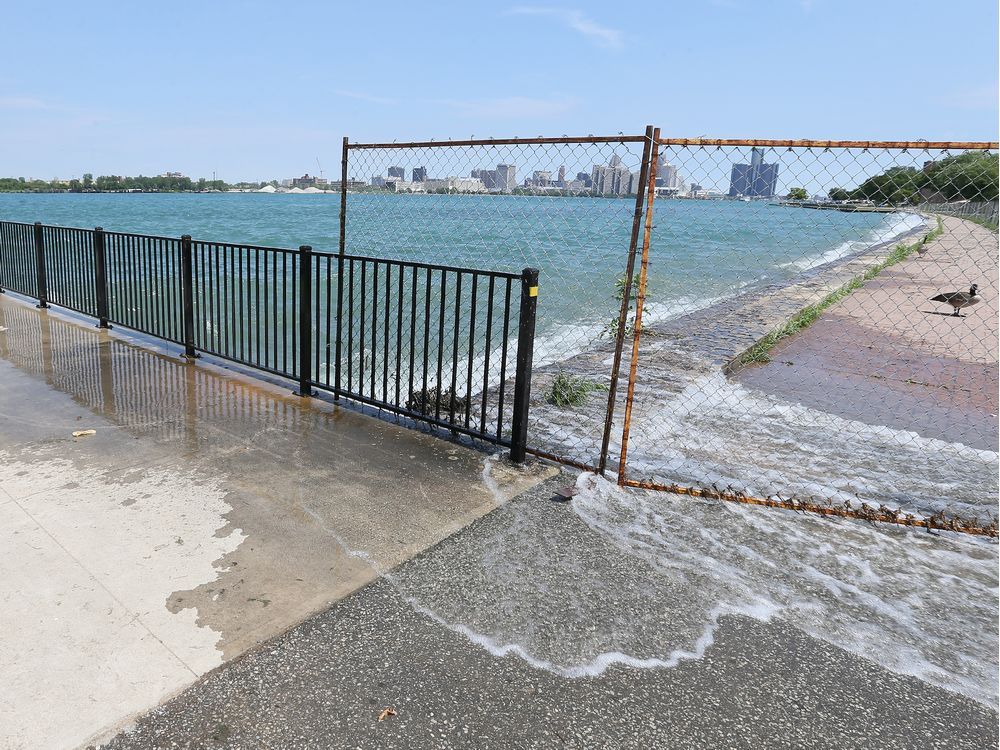
Understanding the Currents and Navigation Challenges
One of the primary dangers of the Detroit River stems from its powerful natural dynamics, particularly its currents and the sheer volume of maritime traffic it accommodates. These elements combine to create conditions that demand constant vigilance from all who venture onto or near its waters.
Powerful Undercurrents
Despite its relatively calm appearance in many areas, the Detroit River is a powerful, free-flowing strait with significant undercurrents. It acts as a primary outflow for the upper Great Lakes basin, channeling a massive volume of water towards Lake Erie. These currents can be deceptively strong, especially in the main shipping channels and around obstructions like bridge pylons or submerged structures. For swimmers, even strong ones, these currents can make it incredibly difficult to return to shore or stay in a desired area, leading to exhaustion and potential drowning. Boaters, particularly those in smaller vessels, must also be acutely aware of these forces, as they can quickly pull an inexperienced operator off course or create hazardous conditions when maneuvering. The current’s strength can fluctuate based on weather patterns, lake levels, and even wind direction, adding an unpredictable element to its otherwise consistent southward flow.
High Vessel Traffic
Beyond natural forces, the Detroit River is one of the busiest waterways in North America, serving as a critical shipping lane for immense cargo vessels, known as “lakers” and “salties,” carrying goods across the Great Lakes and to international ports. These massive ships, which can be hundreds of feet long, operate within clearly defined shipping channels. While recreational boaters have their designated areas, the sheer size and limited maneuverability of commercial vessels pose a significant threat. They create substantial wakes that can capsize smaller boats and cannot stop or turn quickly to avoid collision. Furthermore, visibility can be impaired by fog or at night, increasing the risk of accidents. For tourists engaging in activities like kayaking or paddleboarding, understanding and respecting these shipping lanes, adhering to navigation rules, and maintaining a safe distance from commercial traffic are non-negotiable safety measures. The hustle and bustle of freighters, tugboats, and ferries add a layer of complexity that recreational users must navigate with extreme caution.
Environmental Legacy and Water Quality
For decades, the Detroit River faced severe environmental degradation due to heavy industrialization along its banks in cities like Detroit and Windsor. While significant progress has been made, the lingering effects and ongoing efforts to restore its health still pose certain dangers, particularly regarding water quality and sediment contamination.
Historical Industrial Pollution
Historically, the river was a dumping ground for industrial waste, untreated sewage, and agricultural runoff. Manufacturing plants, steel mills, and chemical companies released pollutants directly into the water, leading to severe contamination of sediments and the water column. This legacy includes heavy metals, PCBs, dioxins, and other toxic chemicals that bioaccumulated in the food chain, impacting fish and wildlife populations. While the most egregious forms of direct discharge have been largely stopped thanks to environmental regulations and cleanup efforts, the riverbed still holds a substantial amount of these contaminants. Disturbing these sediments, whether through dredging, anchoring, or even intense recreational activity, can release these toxins back into the water, posing risks to aquatic life and potentially to humans through direct contact or consumption of contaminated fish. Tourists engaging in activities where water contact is frequent, or those considering fishing, should be aware of advisories related to water quality and fish consumption.
Ongoing Remediation Efforts

Recognizing the severe historical damage, extensive bi-national remediation efforts have been underway for decades to restore the Detroit River ecosystem. Designated as an Area of Concern (AOC) under the Great Lakes Water Quality Agreement, significant investments have been made in wastewater treatment upgrades, habitat restoration, and targeted sediment cleanups. These efforts have led to remarkable improvements in water quality, a resurgence of fish species, and the return of bald eagles and other wildlife. However, “ongoing remediation” also implies that the river is still in recovery. While much safer than in previous decades, sporadic advisories may still be issued, especially after heavy rainfall events when stormwater runoff can temporarily impact water quality. Visitors should always check local government or environmental agency websites for the latest water quality reports and advisories before engaging in water-based activities. The journey to full ecological health is a marathon, not a sprint, and vigilance remains key for responsible tourism.
Recreational Risks and Safety Measures
The Detroit River offers a multitude of recreational activities, from fishing and boating to kayaking and even swimming in designated areas. However, without adherence to safety protocols and awareness of specific hazards, these enjoyable pursuits can quickly turn dangerous.
Swimming and Boating Hazards
For swimmers, the combination of strong currents, cold water temperatures (even in summer), and potential submerged debris creates significant risks. Public swimming is generally discouraged outside of monitored, designated beach areas such as those found on Belle Isle. Even in these areas, lifeguards and clearly marked swimming zones are crucial. Boaters face challenges beyond just commercial traffic and currents. Rapidly changing weather conditions can quickly whip up choppy waters, especially in wider sections of the river. Unexpected mechanical failures, lack of proper safety equipment (life jackets, flares, communication devices), and operating under the influence are perennial dangers. Furthermore, navigating unfamiliar waters at night without proper lighting and knowledge of aids to navigation can be perilous. For anglers, while the fishing has vastly improved, awareness of fish consumption advisories remains important to ensure health. Tourists planning to boat or fish should ensure their vessel is properly equipped, that all occupants wear life jackets, and that they are familiar with the river’s navigation rules and local regulations.
Ice Safety in Winter
During the colder months, the Detroit River can partially or fully freeze over, presenting a unique set of dangers. While ice fishing and snowmobiling can be popular activities, the ice cover on a flowing river is notoriously unpredictable and can vary wildly in thickness. Strong undercurrents can erode ice from below, creating thin spots that are invisible from the surface. Large commercial vessels breaking through the ice can also create dangerous open leads or unstable ice floes. For this reason, authorities strongly advise against venturing onto the ice of the Detroit River unless explicit, current information from local officials confirms it is safe, which is a rare occurrence given the river’s active flow. Tourists should always prioritize official warnings and avoid assuming that frozen appearance equals safety, as the consequences of falling through thin ice in a strong current can be fatal.
The River’s Resurgence and Tourist Appeal
Despite the inherent dangers and historical challenges, the Detroit River has undergone a remarkable transformation, shedding much of its perilous image to become a vibrant hub for tourism and recreation. Its renewed health makes it an attractive destination, but always with a caveat for safety.
Ecotourism and Wildlife
The extensive conservation and rehabilitation efforts have borne fruit, turning the Detroit River into an ecological success story. It is now home to the only international wildlife refuge in North America, the Detroit River International Wildlife Refuge, a testament to its recovering biodiversity. The river and its surrounding wetlands serve as a critical migratory corridor for birds, attracting birdwatchers and nature enthusiasts from around the globe. Fish populations, including walleye and muskellunge, have rebounded significantly, making it a prime destination for sport fishing. Kayaking and canoeing along protected tributaries or calmer sections offer unparalleled opportunities for wildlife viewing, from bald eagles soaring overhead to various waterfowl and even muskrats and otters along the banks. This ecotourism boom highlights the river’s natural beauty and importance, offering educational and engaging experiences for visitors who respect its ecosystem and adhere to safety guidelines.
Safe Exploration and Enjoyment
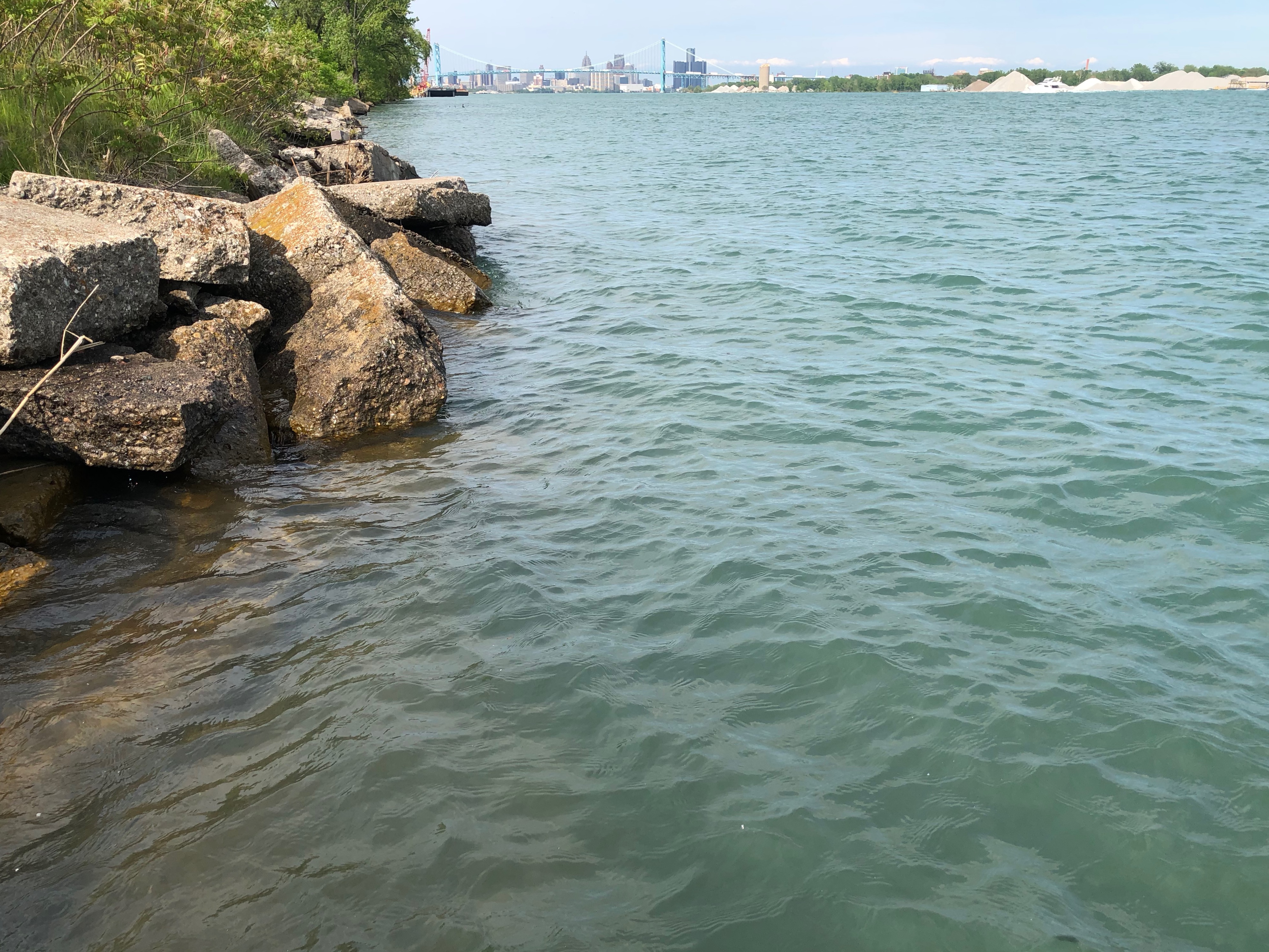
Exploring the Detroit River safely means being informed, prepared, and respectful of its power and regulations. For land-based tourism, the riverwalks in Detroit and Windsor offer stunning views, access to parks, and a safe way to experience the river’s majesty without direct water contact risks. Guided boat tours provide an excellent opportunity to learn about the river’s history, ecology, and significance from experienced operators, minimizing personal risk. For those venturing onto the water in their own craft, thorough planning is essential: check weather forecasts, current advisories, water quality reports, and navigation charts. Ensure all safety equipment is on board and functional, and inform others of your itinerary. By understanding why the Detroit River can be dangerous and taking appropriate precautions, tourists can fully appreciate its beauty, ecological value, and the vital role it plays in the region’s cultural and natural heritage, ensuring a memorable and safe experience.
LifeOutOfTheBox is a participant in the Amazon Services LLC Associates Program, an affiliate advertising program designed to provide a means for sites to earn advertising fees by advertising and linking to Amazon.com. Amazon, the Amazon logo, AmazonSupply, and the AmazonSupply logo are trademarks of Amazon.com, Inc. or its affiliates. As an Amazon Associate we earn affiliate commissions from qualifying purchases.