
Florida, often dubbed the Sunshine State, has long been a beacon for those seeking long-term accommodation, whether for permanent relocation, seasonal residency, or investment opportunities. Its allure, encompassing beautiful beaches, a vibrant job market, and a favorable tax environment, has historically driven robust demand for housing. However, recent economic shifts and market corrections have prompted many to question the sustained upward trajectory of home prices. The simple answer to whether home prices are dropping in Florida is nuanced: while the frenetic pace of appreciation seen during the pandemic era has undoubtedly cooled, the market is experiencing a recalibration rather than a widespread collapse. Certain areas are witnessing price adjustments, while others maintain surprising resilience, a critical distinction for anyone considering long-term accommodation in the state.
The Post-Pandemic Market Correction: A Broad Overview
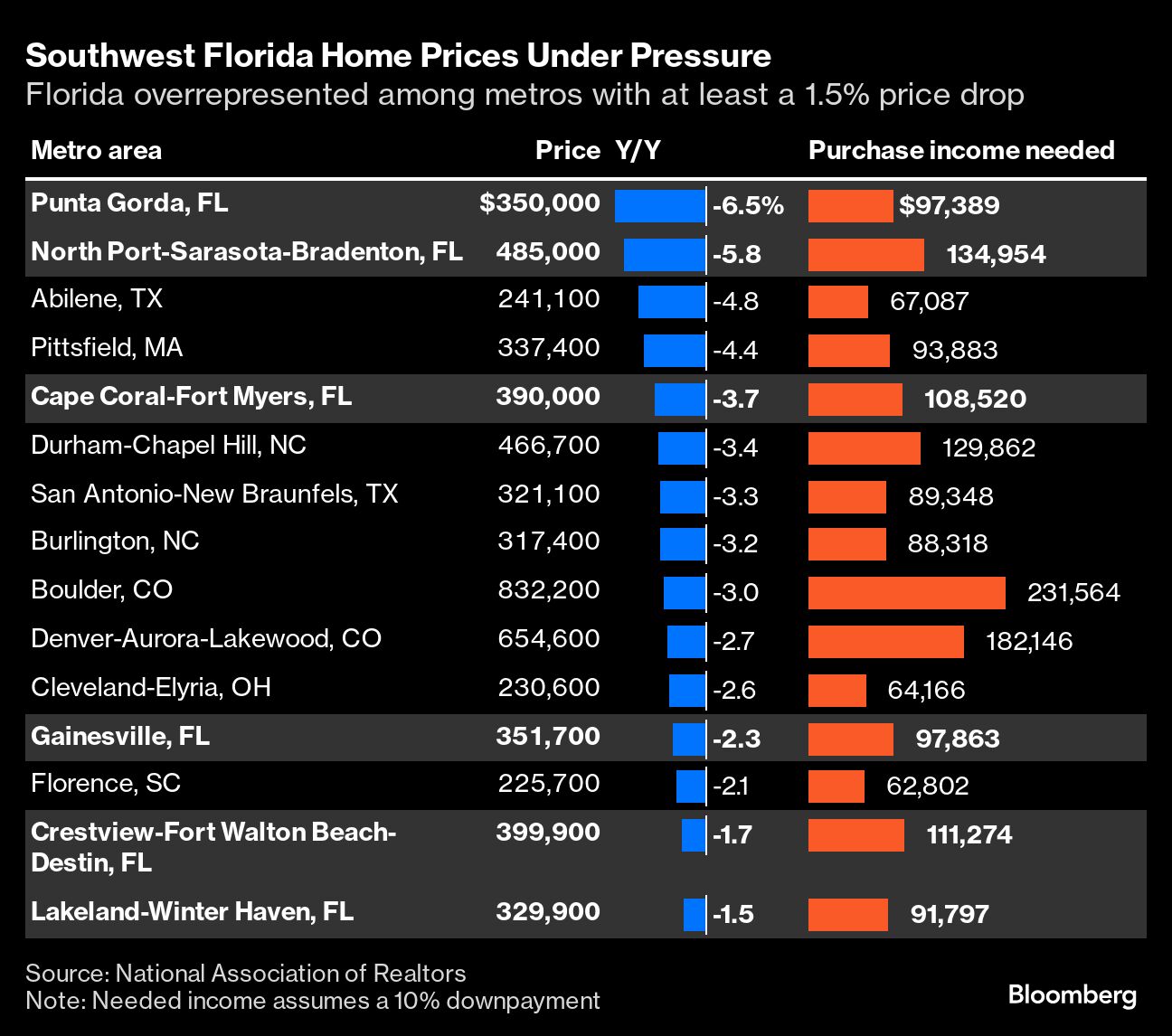
Following an unprecedented surge in demand and prices from late 2020 through early 2022, the Florida housing market has entered a period of stabilization, and in some segments, a modest decline. The primary catalyst for this shift has been the aggressive interest rate hikes by the Federal Reserve. Higher mortgage rates have significantly eroded buyer affordability, reducing the pool of eligible purchasers and tempering bidding wars that were once commonplace. Data from reputable real estate platforms and associations indicate that while median sales prices are still elevated compared to pre-pandemic levels, the rate of annual appreciation has slowed dramatically. Some areas are indeed reporting month-over-month or quarter-over-quarter price decreases, particularly for properties that were aggressively priced at the peak of the market. This cooling trend is generally perceived as a healthy market correction, allowing supply and demand to rebalance and creating a more sustainable environment for long-term accommodation.
Factors Influencing the Shift in Home Prices
Several key dynamics are contributing to the current state of Florida’s housing market:
- Interest Rate Impact: The most significant factor has been the rise in mortgage interest rates. A 30-year fixed-rate mortgage has seen substantial increases, drastically raising monthly housing costs for prospective buyers. This has led to a noticeable drop in sales volume and an increase in time on market for properties, forcing some sellers to adjust their price expectations.
- Inventory Levels: After prolonged periods of critically low housing inventory, particularly in popular metropolitan areas, new listings are gradually increasing. This expanded supply offers buyers more choices and reduces the intense competition that characterized the market, leading to less upward pressure on prices.
- Migration Patterns: While Florida continues to attract a significant influx of new residents from other states, the pace of this migration has somewhat moderated. Economic uncertainties and the rising cost of living, including property insurance, are beginning to influence relocation decisions.
- Property Insurance Costs: Florida’s unique geographical position makes it susceptible to natural disasters, leading to some of the highest and rapidly increasing property insurance premiums in the nation. These soaring costs add a substantial burden to homeownership, impacting affordability and dampening buyer enthusiasm. This factor is particularly relevant for those considering long-term accommodation, as it significantly affects the overall cost of living.
- Economic Outlook: Broader economic concerns, including inflation and the potential for a recession, are making buyers more cautious. This uncertainty translates into reduced purchasing power and a more conservative approach to real estate investments, including properties intended for long-term stays or rental income.
Regional Variations Across Florida’s Housing Market
It is crucial to recognize that Florida’s real estate market is not monolithic. Price trends can vary significantly from one region to another, depending on local economic conditions, population growth, and specific market dynamics. What might be true for Miami might not apply to Gainesville, and understanding these regional differences is vital for informed accommodation decisions.
Resilient Markets
Several regions continue to demonstrate remarkable resilience, often experiencing modest price appreciation or stable values, even as other areas cool.
- Southwest Florida (e.g., Naples, Sarasota): These areas, popular with retirees and second-home buyers, have historically maintained strong demand due to their desirable lifestyle and limited buildable land. While they have seen a slowdown, significant price drops have been less common, primarily due to continued inbound migration of affluent buyers and persistent demand for luxury accommodation.
- Central Florida (e.g., Orlando): Buoyed by the tourism industry and a growing tech sector, Orlando‘s market remains robust. The steady influx of residents and workers, coupled with a strong rental market for both short-term vacation stays and long-term accommodation, helps stabilize home values, though the pace of growth has certainly moderated from its peak.
- Certain Coastal Pockets: Highly desirable beachfront or waterfront communities across the state often command premium prices that are less susceptible to broader market fluctuations. The intrinsic value of such locations for long-term enjoyment and investment tends to buffer against significant depreciation.
Markets Showing Price Adjustments
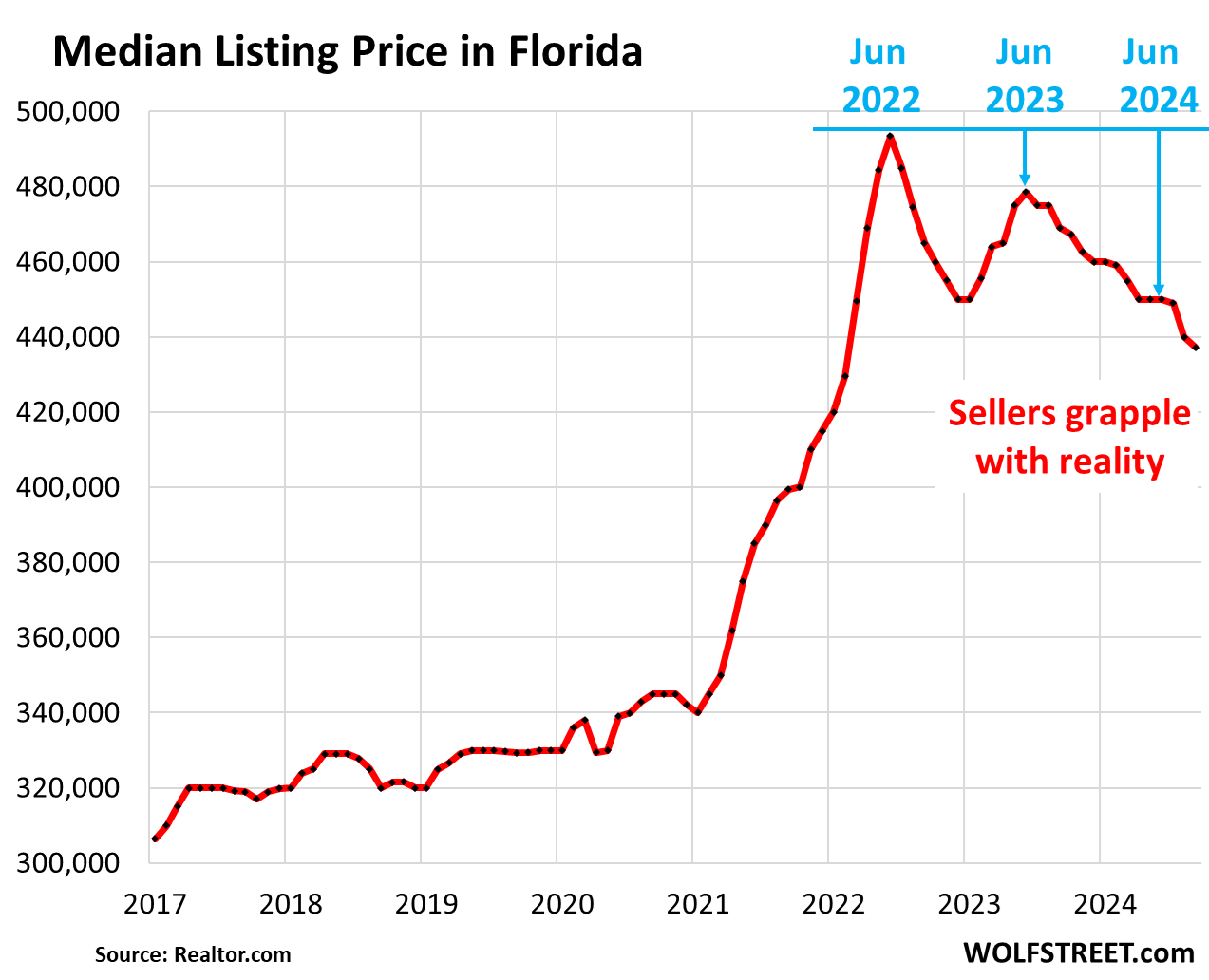
Other areas are experiencing more noticeable price corrections, offering potential opportunities for those seeking more affordable long-term accommodation.
- South Florida Metropolitan Areas (e.g., Miami, Fort Lauderdale): While luxury segments in Miami can remain strong, the broader market, particularly for entry-level and mid-range homes, has seen some price adjustments. The sheer volume of transactions and previous rapid appreciation made these markets ripe for correction as affordability became a significant challenge. Some reports suggest that seller concessions are becoming more common, a clear sign of shifting market power.
- Segments of the Tampa Bay Area: After explosive growth, some parts of the Tampa metro area are experiencing a cooling phase. While still a highly desirable destination for relocation and long-term stays, the market is absorbing increased inventory, leading to more competitive pricing.
- Inland and Developing Communities: Areas further inland or those that saw rapid development during the boom, which may have previously lacked strong foundational demand, are often more susceptible to price declines as buyer interest wanes.
Implications for Accommodation Seekers and Investors
For those considering long-term accommodation in Florida, whether as a permanent residence, a seasonal home, or an investment property, the current market climate presents both challenges and opportunities.
For Prospective Homebuyers
- Increased Negotiating Power: The shift from a red-hot seller’s market to a more balanced or even buyer-friendly environment means prospective homebuyers have more leverage. Sellers are often more willing to negotiate on price, offer concessions (like covering closing costs or repairs), and accept contingencies that were unthinkable a year or two ago.
- More Choices and Less Rushing: With increased inventory and longer days on market, buyers have the luxury of time to explore options, conduct thorough due diligence, and avoid making rushed decisions. This is particularly beneficial for those seeking specific long-term accommodation features or investment criteria.
- Affordability Concerns Persist: Despite potential price drops, higher interest rates mean that the overall monthly cost of homeownership might still be substantial. Buyers should meticulously calculate their total housing budget, including mortgage payments, property taxes, insurance, and HOA fees, before committing to a long-term stay.
For Long-Term Rental Property Investors
- Potential for Better Entry Points: If prices do indeed soften in certain areas, investors might find more attractive entry points for purchasing rental properties. A well-timed acquisition could lead to stronger returns over the long run, especially if rental demand remains robust.
- Strong Rental Demand: Florida continues to experience strong rental demand, driven by population growth and the increasing difficulty of homeownership for many. This can provide a stable income stream for investors in long-term accommodation.
- Consider Operating Costs: Investors must factor in rising property insurance, property management fees, and potential repair costs when calculating potential profitability. These can significantly impact the net yield of a rental property.
For Existing Homeowners
- Equity Still Strong (Generally): Most homeowners who purchased before 2020 still possess significant equity gains, even with recent price adjustments. While the paper value of their homes may have plateaued or slightly decreased, a substantial cushion typically remains.
- Challenges for Recent Buyers: Those who purchased at the peak of the market in 2021 or early 2022 might find themselves with less equity than anticipated or, in rare cases, even underwater if their local market has seen significant declines. This could affect their ability to refinance or relocate.

The Outlook for Florida’s Housing Market
While the headline “Are Home Prices Dropping In Florida?” suggests a straightforward answer, the reality is a dynamic market undergoing a significant recalibration. Most experts predict a continued cooling trend rather than a crash, with modest single-digit price adjustments in some areas and continued stability or slight growth in others. The long-term appeal of Florida for accommodation, driven by its climate, lack of state income tax, and continued population growth, suggests that any downturns are likely to be temporary and localized.
The market is shifting from one driven by fervent demand and low rates to one where affordability, inventory levels, and interest rates play a more dominant role. For those seeking long-term accommodation, this presents a window of opportunity to enter a less competitive market, provided they approach it with careful research, a clear understanding of regional nuances, and a realistic assessment of all associated costs. Engaging with local real estate professionals who understand the specific dynamics of regions like Jacksonville, Tallahassee, or Key West is paramount to navigating this evolving landscape and securing the right long-term accommodation solution.
LifeOutOfTheBox is a participant in the Amazon Services LLC Associates Program, an affiliate advertising program designed to provide a means for sites to earn advertising fees by advertising and linking to Amazon.com. Amazon, the Amazon logo, AmazonSupply, and the AmazonSupply logo are trademarks of Amazon.com, Inc. or its affiliates. As an Amazon Associate we earn affiliate commissions from qualifying purchases.