
Understanding the civic landscape of any destination is a fundamental aspect of truly immersing oneself in its lifestyle. For those considering a long-term stay, relocation, or simply keen on comprehending the socio-political fabric of the United States, particularly a vibrant state like Florida, questions about civic participation are paramount. Among the more nuanced aspects of civic life in Florida is the voting eligibility of individuals with prior felony convictions. This topic isn’t merely a legal technicality; it profoundly shapes the democratic lifestyle of the state, influencing everything from local elections to presidential races and reflecting evolving societal values.

A Shifting Civic Landscape: The Journey of Restoration
For decades, Florida maintained one of the most restrictive policies in the United States regarding felon voting rights, effectively disenfranchising a significant portion of its population. Historically, a felony conviction in Florida resulted in a lifetime ban from voting, a policy that dated back to the Reconstruction era. This meant that individuals who had completed their sentences, including parole or probation, still could not participate in elections, presidential or otherwise. The only avenue for restoration was a lengthy and often arbitrary clemency process, which involved petitions to the governor and cabinet. This system was widely criticized for its discretionary nature and for creating an insurmountable barrier for many seeking to fully reintegrate into civic life.
The push for reform gained considerable momentum in the early 21st century, culminating in a historic change that redefined the civic lifestyle for hundreds of thousands of Florida residents. This journey wasn’t just about amending a law; it was about shifting the narrative around rehabilitation, redemption, and democratic inclusion, profoundly impacting the social and political lifestyle of the state.
The Landmark Passage of Amendment 4
In 2018, Florida voters overwhelmingly approved Amendment 4, a ballot initiative that automatically restored voting rights to most felons upon completion of their sentences, including parole or probation. This was a monumental shift, impacting an estimated 1.4 million people and instantly transforming Florida’s electorate. The approval of Amendment 4 reflected a significant public desire to embrace a more inclusive civic lifestyle, recognizing that individuals who have paid their debt to society should have the opportunity to participate fully in the democratic process.
The amendment explicitly excluded individuals convicted of murder or felony sexual offenses, who would still require the traditional clemency process for rights restoration. For all other felony convictions, the path to the ballot box appeared clear. This change not only promised a new era of civic engagement but also brought Florida more in line with the majority of other U.S. states that have less restrictive felon voting laws. The immediate aftermath saw a surge in voter registration drives, with organizations like the Florida Rights Restoration Coalition (FRRC) leading efforts to educate and register newly eligible voters, embodying a reinvigorated sense of community and civic purpose.
The Financial Implication: A New Hurdle to Participation
While Amendment 4 was passed with broad public support and seemingly clear language, its implementation quickly became mired in legal and legislative challenges. The heart of the contention revolved around the definition of “completion of sentence.” Shortly after the amendment’s passage, the Florida Legislature passed Senate Bill 7066, which clarified that “completion of sentence” included the payment of all financial obligations associated with the conviction, such as fines, fees, and restitution. This legislative interpretation introduced a significant hurdle for many, effectively re-disenfranchising hundreds of thousands of people who could not afford to pay these often substantial debts.
This legislative maneuver immediately drew criticism from civil rights advocates and voting rights organizations, who argued it undermined the spirit and intent of Amendment 4 and created a “pay-to-vote” system. They contended that linking voting rights to financial capacity disproportionately affected low-income individuals and communities of color, thereby perpetuating a class-based barrier to civic participation. The ensuing legal battles highlighted the tension between legislative interpretation and constitutional amendments, becoming a defining feature of Florida’s contemporary civic lifestyle.

Legal Battles and Court Rulings
The constitutionality of requiring the payment of fines and fees as a prerequisite for voting was swiftly challenged in federal courts. Lawsuits were filed by organizations such as the American Civil Liberties Union (ACLU) and the Brennan Center for Justice, arguing that the legislative interpretation amounted to an unconstitutional poll tax. These legal challenges sought to restore the broader intent of Amendment 4, emphasizing an inclusive civic lifestyle free from financial barriers.
Initially, a federal district judge ruled in favor of the plaintiffs, stating that the state could not bar felons from voting solely because they were unable to pay their fines and fees. This ruling offered a glimmer of hope for hundreds of thousands of Florida residents, suggesting that their path to voting in presidential elections might be clearer. However, this decision was appealed by the state of Florida.
Ultimately, in September 2020, the U.S. Court of Appeals for the Eleventh Circuit reversed the district court’s decision, upholding the state law that required felons to pay all financial obligations related to their sentence before regaining the right to vote. The Florida Supreme Court had also previously advised Governor Ron DeSantis and the Florida Legislature that “all terms of sentence” included financial obligations, setting a precedent that further solidified the state’s position. This final ruling meant that for the vast majority of felons in Florida, the ability to vote for president, or in any other election, was contingent not just on completing incarceration or supervision, but also on settling all financial debts owed to the state. This outcome reshaped the civic lifestyle once again, creating a dual system where financial capacity became a determinant of full citizenship.
The Current State of Affairs: Eligibility for Presidential Voting
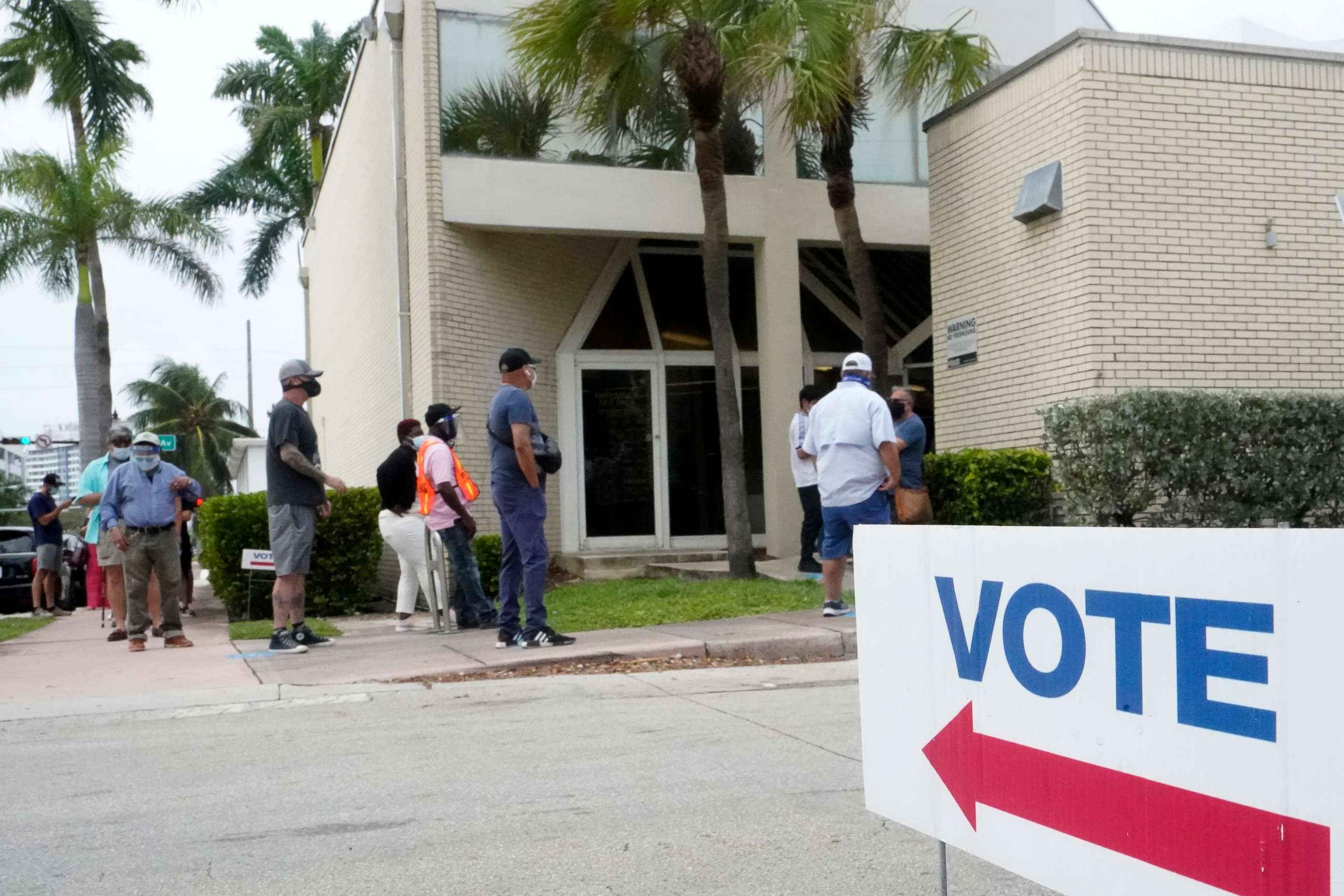
So, can felons vote for president in Florida? The answer is yes, but with a significant caveat. As of the latest rulings, individuals with felony convictions in Florida can vote for president, and in all other elections, provided they have completed all terms of their sentence, which critically includes the payment of all fines, fees, and restitution ordered as part of their conviction.
There are specific exceptions to Amendment 4’s automatic restoration: individuals convicted of murder or felony sexual offenses are permanently excluded from automatic rights restoration and must seek clemency from the governor and cabinet. For everyone else, the path to voting rights restoration is directly tied to their financial obligations.
This current framework creates a unique aspect of Florida’s lifestyle. For those who have successfully navigated this complex system, including clearing their financial debts, the ability to vote represents a profound personal and civic milestone. It allows them to fully participate in the democratic process, contributing their voice to local, state, and national decisions, including the presidential election.
Navigating the System and Future Outlook
For individuals with past felony convictions in Florida seeking to vote, the first step is to determine the exact amount of outstanding financial obligations. This can be a challenging process, often requiring navigating various court records and county clerks’ offices. Organizations like the Florida Rights Restoration Coalition (FRRC), led by figures like Desmond Meade, have been instrumental in helping individuals identify these amounts and providing financial assistance through fundraising initiatives. Their work highlights the ongoing efforts within Florida to support a more inclusive civic lifestyle, despite the legal barriers.
The conversation around felon voting rights in Florida is far from over. Advocates continue to push for legislative changes that would remove the financial barrier, arguing that it undermines the democratic principles of the state and the restorative justice goals Amendment 4 originally sought to achieve. The evolving legal landscape and public discourse around this issue will continue to define an important facet of Florida’s civic lifestyle for years to come. For anyone interested in the dynamic and sometimes complex “lifestyle” of civic participation in Florida, understanding these nuances is essential. It provides insight into the values and challenges that shape the lives of its residents and the broader democratic experience within the Sunshine State.
LifeOutOfTheBox is a participant in the Amazon Services LLC Associates Program, an affiliate advertising program designed to provide a means for sites to earn advertising fees by advertising and linking to Amazon.com. Amazon, the Amazon logo, AmazonSupply, and the AmazonSupply logo are trademarks of Amazon.com, Inc. or its affiliates. As an Amazon Associate we earn affiliate commissions from qualifying purchases.