
Navigating Culinary Choices While Expecting: The Tourist’s Dilemma
Embarking on a journey, whether it’s exploring the bustling markets of Marrakech or savoring the serene coastal views of the Amalfi Coast, is an enriching experience. For expectant mothers, however, the joy of discovery often intertwines with a layer of caution, especially concerning local cuisine. The question of what’s safe to eat becomes paramount, transforming a simple meal into a carefully considered decision. This is particularly true when encountering dishes that might contain raw or unfamiliar ingredients. The diverse culinary landscape of global tourism presents both exciting opportunities and potential pitfalls for pregnant travelers, from unpasteurized dairy in France to raw seafood delicacies in Japan. Understanding the components of popular dishes, such as the ubiquitous California Roll, is crucial for making informed choices that prioritize both the mother’s and baby’s well-being. This guide aims to demystify one such popular item, offering clarity and peace of mind for those navigating their pregnancy journey while indulging in the world’s diverse flavors.
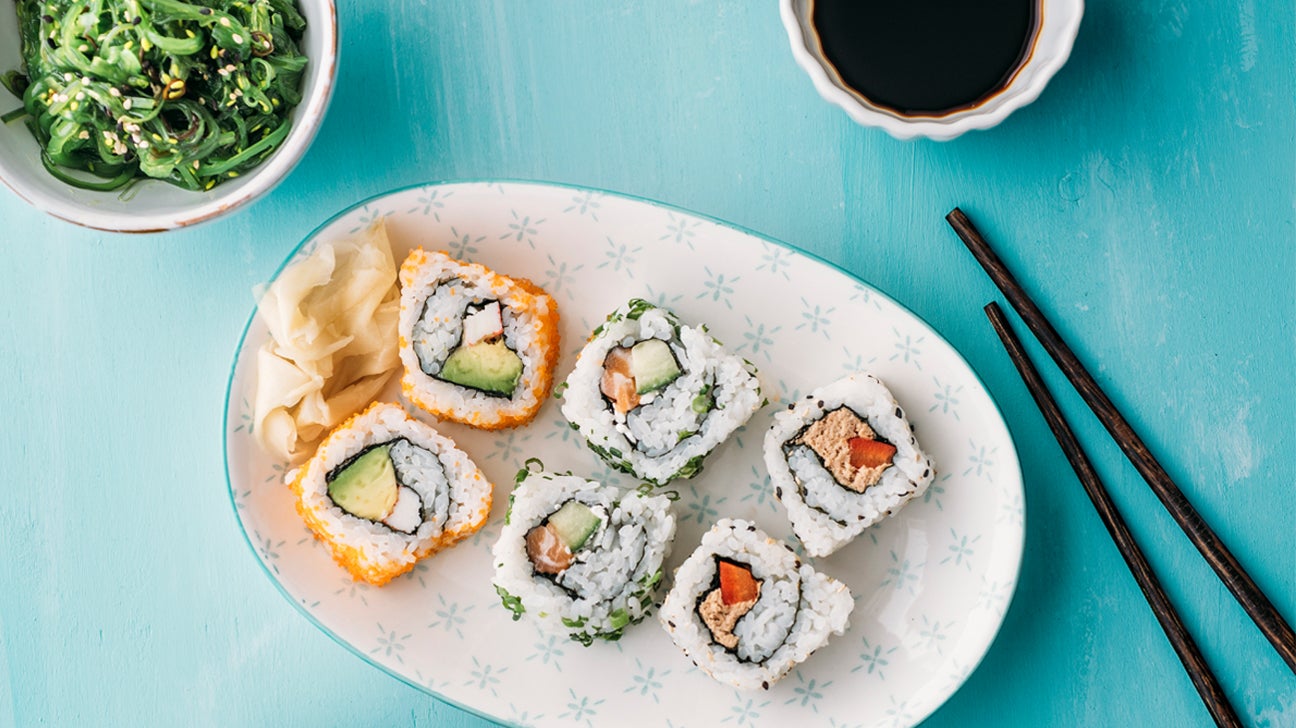
Deconstructing the California Roll: What’s Inside?
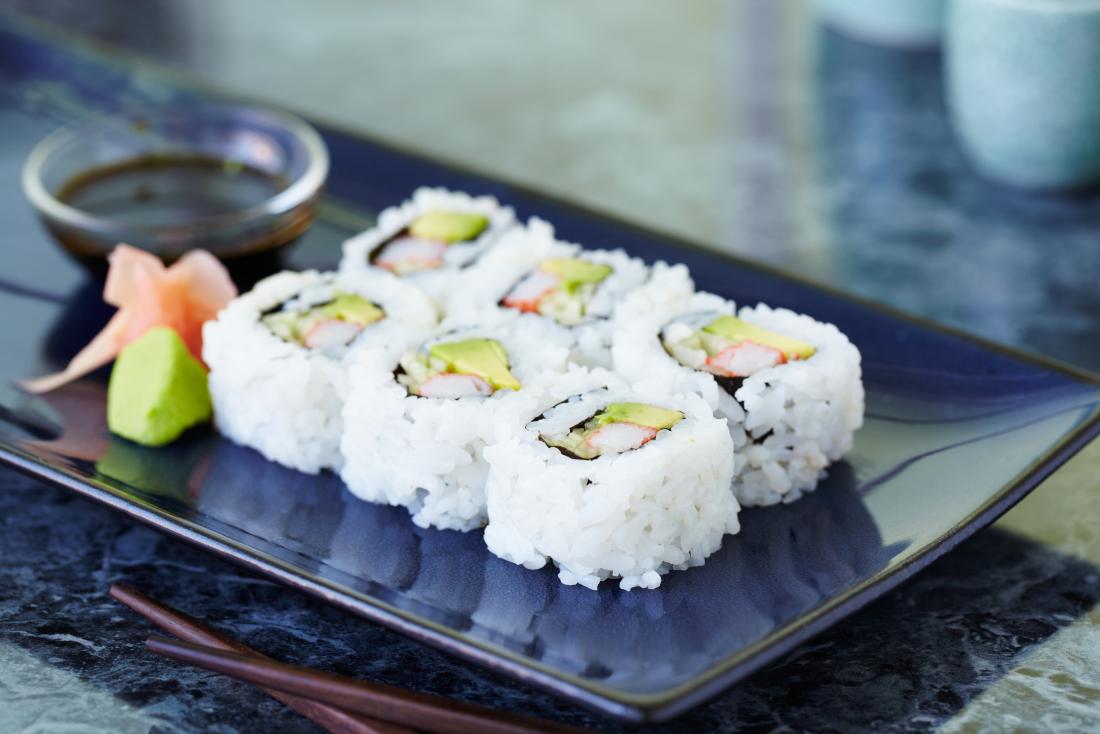
The California Roll stands as a testament to culinary fusion, a sushi staple that emerged in California and quickly gained global popularity. Its widespread acceptance is partly due to its accessible flavor profile and, significantly for expectant mothers, its typically cooked ingredients. Unlike traditional Japanese sushi, which often features raw fish, the California Roll was designed to appeal to palates less accustomed to raw seafood. Understanding its core components is key to assessing its safety during pregnancy.
Nori and Rice: The Staples
At its foundation, a California Roll consists of seasoned sushi rice and a sheet of nori (dried seaweed). Both of these ingredients are generally considered safe for consumption during pregnancy. Sushi rice is cooked, and nori is a processed, dried product, both posing no inherent risks in terms of bacteria or parasites typically associated with raw foods. Nori even offers beneficial minerals like iodine, which can be advantageous.
Imitation Crab (Surimi): A Cooked Protein
One of the defining ingredients of a California Roll is imitation crab meat, also known as surimi. This component is crucial for its safety profile for pregnant individuals. Surimi is made from various types of white-fleshed fish, such as pollock, that have been deboned, minced, washed, and then combined with other ingredients like starch, egg whites, salt, and flavorings. Critically, surimi is fully cooked and pasteurized during its manufacturing process. Therefore, the imitation crab in a California Roll does not carry the same risks as raw seafood, making it a safe protein choice.
Cucumber and Avocado: Fresh & Wholesome
The refreshing crunch of cucumber and the creamy texture of avocado are essential to the California Roll’s appeal. Both are fresh vegetables and fruits, respectively, offering a host of vitamins and healthy fats. As long as they are properly washed and prepared in a hygienic environment, these ingredients are perfectly safe and, in fact, highly beneficial for pregnant women. They contribute fiber, vitamins, and minerals vital for a healthy pregnancy.
Mayonnaise and Sesame Seeds: Common Condiments
Often, a small amount of mayonnaise (or a spicy mayo blend) and a sprinkle of toasted sesame seeds adorn the California Roll. Commercial mayonnaise in most regions, especially in establishments catering to tourists in places like London or New York City, is made with pasteurized eggs, eliminating the risk of salmonella. Toasted sesame seeds, being a cooked product, are also safe. However, it’s always prudent for pregnant individuals to inquire about the type of mayonnaise used, especially in smaller, independent eateries or when traveling to regions with different food safety standards.
The Raw vs. Cooked Debate: A Pregnant Traveler’s Guide to Sushi
The culinary world offers an incredible array of sushi, from delicate sashimi to hearty futomaki. For pregnant travelers, discerning between safe and potentially risky options requires an understanding of what constitutes “raw” and “cooked” in the context of sushi preparation, and the specific concerns associated with each.
Understanding the Risks of Raw Fish
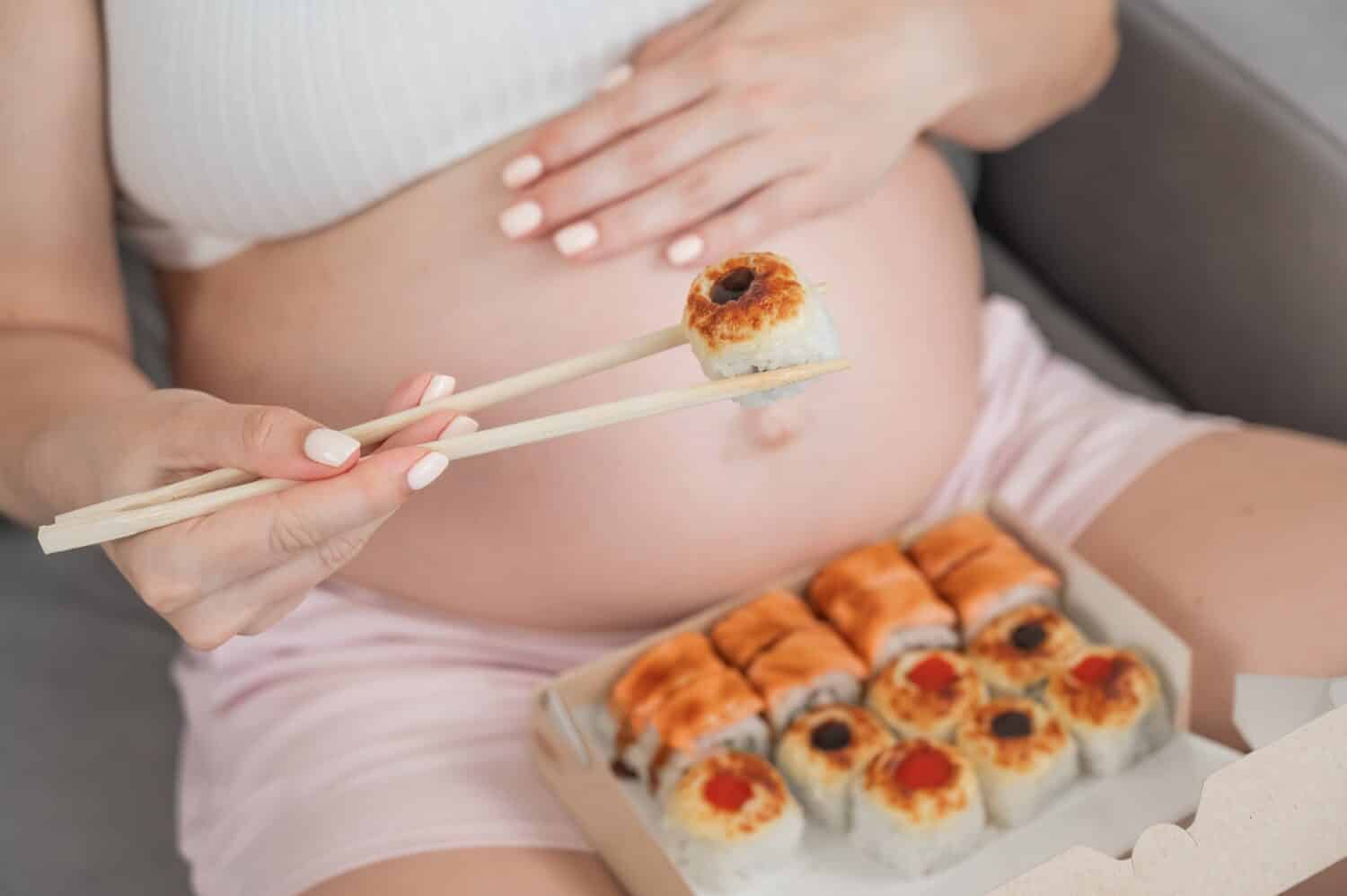
The primary concern with consuming raw or undercooked fish during pregnancy stems from the potential presence of bacteria, such as Listeria monocytogenes, and parasites like Anisakis. Listeria can cause listeriosis, an infection that, while rare, can lead to serious complications for both mother and baby, including miscarriage, premature birth, and severe illness in the newborn. Parasites, though generally less severe, can cause gastrointestinal distress.
Beyond microbial risks, certain types of fish contain high levels of mercury, a neurotoxin that can harm a developing baby’s brain and nervous system. Pregnant women are typically advised to avoid high-mercury fish such as swordfish, king mackerel, shark, and tilefish. Even moderate-mercury fish like tuna should be consumed in limited quantities. This concern applies regardless of whether the fish is raw or cooked.
The California Roll’s Advantage
The good news for expectant mothers craving sushi is that the California Roll largely sidesteps these raw fish and mercury concerns. As established, its core “seafood” component, imitation crab, is fully cooked. This eliminates the risk of bacteria and parasites associated with raw fish. Furthermore, imitation crab typically consists of low-mercury fish, making it a safer option from a mercury perspective as well. Therefore, when dining in a reputable establishment, a California Roll is generally considered a safe choice during pregnancy. This stands in stark contrast to items like raw tuna nigiri or salmon sashimi, which should be avoided.
Sourcing and Preparation: Key Considerations
While the ingredients of a California Roll are inherently safer, the overall hygiene of the establishment and the freshness of its components remain paramount, especially for pregnant tourists. When traveling, it’s always wise to:
- Choose Reputable Eateries: Opt for restaurants with high foot traffic, good reviews, and clear food safety practices. In destinations like Singapore or Hong Kong, many establishments proudly display their hygiene ratings.
- Observe Cleanliness: A clean dining area, visible kitchen, and attentive staff are good indicators of an establishment’s commitment to hygiene.
- Ask Questions: Don’t hesitate to inquire about ingredients or preparation methods, especially if you have concerns. Many chefs and servers in tourist-friendly locales are accustomed to dietary restrictions and are happy to assist.
- Freshness of Produce: Ensure that the cucumber and avocado appear fresh and vibrant, not discolored or bruised, indicating proper storage and handling.
Beyond the Roll: General Food Safety Tips for Expecting Tourists
Travel and pregnancy can go hand-in-hand with careful planning. While a California Roll might be a safe culinary delight, pregnant tourists must extend their vigilance to all food and drink choices, especially when exploring destinations with varied sanitation standards, from the bustling street food scenes of Bangkok to the rural charm of Tuscany.
Prioritizing Freshness and Hygiene
- Cooked Food is Key: Always opt for food that is thoroughly cooked and served hot. Avoid lukewarm dishes, as this temperature range is ideal for bacterial growth. This includes meats, poultry, and eggs.
- Avoid Unpasteurized Products: Steer clear of unpasteurized milk, cheeses (like soft cheeses such as feta, brie, camembert, or blue cheese unless confirmed pasteurized), and fruit juices. These can harbor harmful bacteria.
- Safe Fruits and Vegetables: Consume fruits and vegetables that you can peel yourself (e.g., bananas, oranges) or that have been thoroughly washed with clean, safe water. Avoid pre-cut fruits or salads from unknown sources, particularly in areas where water quality might be questionable.
- Street Food Caution: While a vibrant part of local culture in many places like Mexico City or Hanoi, street food poses higher risks. If you do indulge, choose vendors with long lines, high turnover, and visible cooking processes that ensure food is cooked fresh and hot.
Staying Hydrated Safely
Hydration is crucial during pregnancy, but the source of water demands attention.
- Bottled Water: Stick to sealed bottled water, especially when visiting countries where tap water safety cannot be guaranteed. Always check that the seal is unbroken.
- Boiled or Filtered Water: If bottled water isn’t available, consume water that has been boiled vigorously for at least one minute or use a reliable water filter designed to remove bacteria and viruses.
- Avoid Ice: Unless you are certain it’s made from bottled or purified water, avoid ice in drinks. The freezing process doesn’t kill all harmful pathogens.
Listening to Your Body and Consulting Professionals
Ultimately, the best guide is your own body and, when in doubt, professional medical advice.
- If Unsure, Don’t Eat It: If a food item looks suspicious, smells off, or you have any doubts about its preparation, it’s always best to err on the side of caution and avoid it.
- Carry Snacks: Pack safe, non-perishable snacks like granola bars, dried fruit, or crackers. This helps prevent hunger-induced risky food choices and can be a lifesaver during long travel days.
- Consult Your Doctor: Before traveling, discuss your itinerary and any specific dietary concerns with your obstetrician. They can provide personalized advice and potentially recommend local medical resources in your destination.
Enjoying Your Culinary Journey Responsibly
Traveling while pregnant offers a unique opportunity to create lasting memories, and exploring local cuisines is often a highlight. The good news is that enjoying a California Roll can almost certainly be part of that delightful experience, given its cooked components and fresh vegetables. By understanding the ingredients, choosing reputable dining establishments, and adhering to general food safety guidelines, expectant mothers can confidently navigate the culinary landscapes of the world. With informed choices and a touch of planning, your journey can be as delicious as it is memorable, ensuring both your safety and the health of your baby as you explore new horizons.
LifeOutOfTheBox is a participant in the Amazon Services LLC Associates Program, an affiliate advertising program designed to provide a means for sites to earn advertising fees by advertising and linking to Amazon.com. Amazon, the Amazon logo, AmazonSupply, and the AmazonSupply logo are trademarks of Amazon.com, Inc. or its affiliates. As an Amazon Associate we earn affiliate commissions from qualifying purchases.