
The notion of cultivating fragrant lavender amidst the tropical warmth of Florida often sparks curiosity among travelers and residents alike. Known for its picturesque fields in cooler climates, lavender presents a unique horticultural challenge in the Sunshine State. While not traditionally considered a native or easily grown plant in Florida’s humid subtropical environment, the dream of a purple-hued, aromatic garden is not entirely out of reach. For those exploring Florida as a destination—whether for relocation, extended stays, or simply to understand its unique ecological landscape—delving into the possibilities of growing lavender offers an insightful glimpse into the state’s diverse botanical character and the innovative spirit of its green-thumbed inhabitants. This guide explores the feasibility, challenges, and successful strategies for bringing a touch of Provence to the peninsula, transforming a seemingly impossible gardening feat into a rewarding Florida experience.
The Allure of Lavender in the Sunshine State
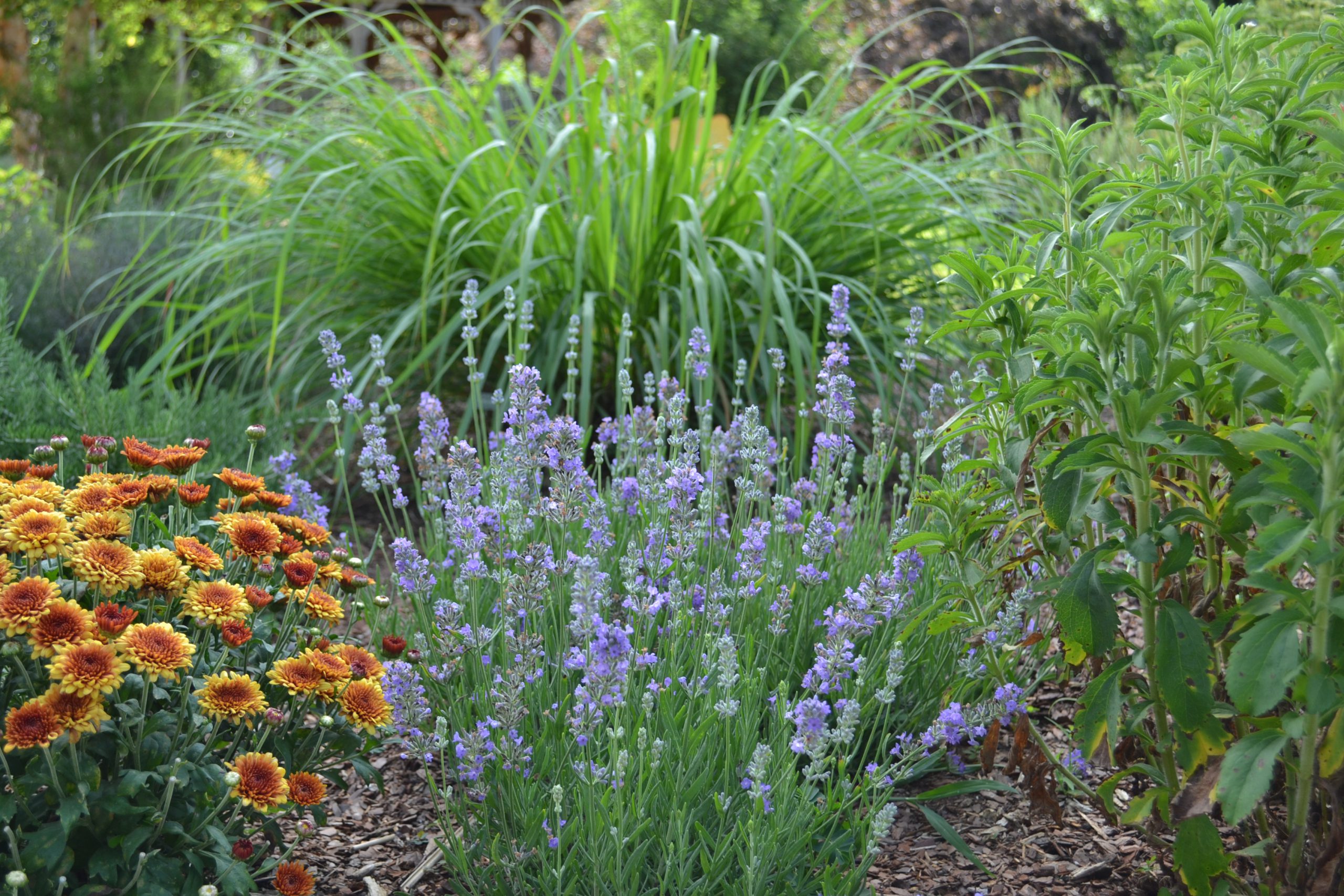
Lavender, with its calming scent and beautiful violet blooms, evokes images of tranquil European landscapes and endless sunny days. Its appeal is universal, prompting many to wonder if this beloved herb can thrive in the distinct climate of Florida. For visitors and new residents arriving in destinations across Florida, the desire to recreate familiar comforts or explore new gardening endeavors often leads to questions about what specific plants can flourish here. While Florida boasts an incredible array of tropical and subtropical flora, lavender typically prefers arid, temperate zones. The challenge of growing it in Florida is significant, primarily due to the state’s pervasive heat and high humidity. Yet, with careful planning and the right approach, cultivating certain lavender varieties can become a rewarding project, offering a unique personal attraction for those dedicated to understanding and adapting to Florida’s horticultural nuances. It’s an experience that speaks to the adaptability not just of the plant, but of the gardener engaging with the destination’s natural conditions.
Understanding Florida’s Unique Climate for Horticultural Success
Successfully growing lavender in Florida hinges on a deep understanding of the state’s climate and how it deviates from lavender’s preferred environment. This insight is crucial for anyone looking to undertake gardening projects within this distinct destination.
Heat and Humidity: The Primary Adversaries
Lavender, particularly the popular English varieties, thrives in dry heat, tolerating temperatures up to 80°F (27°C) with low humidity. Florida, however, is characterized by prolonged periods of intense heat and extremely high humidity, often exceeding 90°F (32°C) with 70-90% humidity for months on end. These conditions are detrimental to most lavender types for several reasons:
- Fungal Diseases: High humidity creates a perfect breeding ground for fungal pathogens like root rot, powdery mildew, and botrytis. Lavender roots and foliage are particularly susceptible to rotting when exposed to constant moisture.
- Stress: Continuous heat without a cool down period stresses the plant, inhibiting growth, reducing oil production (which contributes to scent), and ultimately leading to decline.
- Lack of Dormancy: Many lavender varieties require a period of cold dormancy to reset and prepare for the next growing season, which is largely absent in most of Florida.
Soil Composition and pH Levels
The native soil across much of Florida presents another significant hurdle. Often sandy and fast-draining, this might seem ideal initially, but it typically lacks the consistent organic matter that promotes robust root systems while still ensuring drainage. More importantly, Florida’s soil can vary significantly in pH, sometimes leaning acidic, but often alkaline due to underlying limestone. Lavender prefers a slightly alkaline to neutral pH (6.5 to 7.5) and, critically, extremely well-drained conditions. Any soil that holds excess moisture will inevitably lead to root rot in lavender, a common demise for the plant in this region. This makes soil amendment and selection a top priority for successful cultivation, especially for travelers establishing a temporary or permanent garden.
Sunlight Requirements in a Tropical Environment
Lavender is a sun-loving plant, requiring at least six to eight hours of direct sunlight daily. While Florida certainly delivers on abundant sunshine, the intensity of the tropical sun can be a double-edged sword. In the peak summer months, the scorching afternoon sun can be too harsh even for heat-tolerant varieties, leading to leaf scorch and further plant stress. Therefore, strategic placement that provides morning sun and some afternoon shade becomes paramount for protecting lavender from the most punishing rays, mimicking the conditions of its native Mediterranean climate. This consideration is vital for any traveler or resident planning an outdoor experience centered around specific flora.
Strategies for Cultivating Lavender in Florida
Despite the formidable challenges posed by Florida’s climate, cultivating lavender can be achieved with strategic planning and a commitment to providing optimal growing conditions. This section serves as a practical guide for those seeking to incorporate lavender into their Florida experience, transforming a challenging task into a rewarding achievement.
Choosing the Right Lavender Varieties
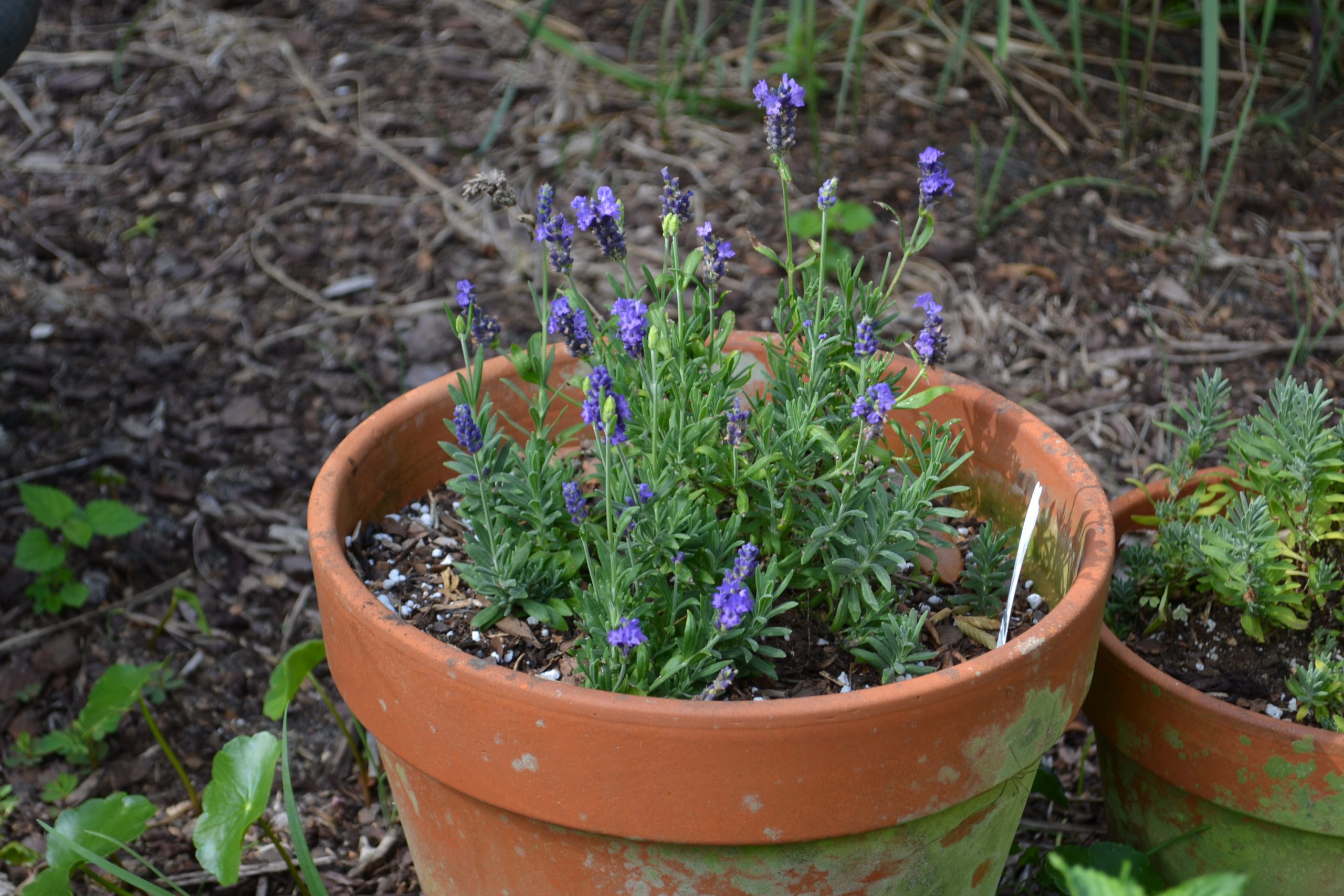
The most crucial step is selecting heat- and humidity-tolerant lavender varieties. Forget the traditional English lavenders; they simply won’t survive. Instead, focus on these resilient types:
- Lavandula dentata (French Lavender): Recognizable by its serrated, toothed leaves, Lavandula dentata is one of the most successful lavenders in Florida. It tolerates heat and humidity much better than its English counterparts and offers a pleasant, if slightly less intense, fragrance.
- Lavandula stoechas (Spanish Lavender): Known for its distinctive “bunny ear” petals, Lavandula stoechas also exhibits good heat tolerance. While its scent is more camphorous than sweet, its unique appearance makes it a popular choice.
- Lavandula multifida (Fernleaf Lavender): This lesser-known variety boasts fern-like foliage and small blue flowers. It’s highly tolerant of heat and humidity and can be a fantastic, albeit less traditional, option for Florida gardens.
When purchasing, look for healthy plants from local nurseries in Florida that may already have experience with these varieties. Nurseries in areas like Gainesville or Central Florida often have selections better suited to the regional climate.
Mastering Soil and Drainage
Excellent drainage is non-negotiable for lavender in Florida.
- Container Gardening: This is often the most successful method. Use large pots (at least 12-18 inches in diameter) with multiple drainage holes. This allows for control over soil composition and ensures roots don’t sit in soggy conditions.
- Soil Mix: Create a custom well-draining mix. A good formula includes 50% potting mix, 25% perlite or coarse sand, and 25% small gravel or pine bark fines. Avoid heavy garden soil or mixes with excessive peat moss, which retains too much moisture.
- Raised Beds: For in-ground planting, raised beds are highly recommended. Fill them with an amended soil mix similar to the container formula. Raised beds elevate the root zone, improving drainage and air circulation around the plants.
- Soil pH: Test your soil pH. If it’s too acidic, amend with a small amount of horticultural lime to bring it into the slightly alkaline range.
Strategic Planting and Location
Where you plant your lavender in your Florida garden or patio significantly impacts its survival.
- Sun Exposure: Aim for a spot that receives full morning sun (at least 6 hours) but is protected from the intense, scorching afternoon sun. This could be near a tall fence, under the dappled shade of a high-canopied tree, or on the east side of a building.
- Air Circulation: Ensure good air movement around the plants to help dry foliage quickly after rain or irrigation, minimizing fungal issues. Avoid planting too close to other dense vegetation.
- Elevation: Planting on a slight mound or elevated spot further aids drainage, especially in areas prone to standing water.
Watering Wisely and Pest Management
Overwatering is the quickest way to kill lavender in Florida.
- Watering Schedule: Water deeply but infrequently. Allow the soil to dry out completely between waterings. Stick your finger an inch or two into the soil; if it’s dry, it’s time to water. In containers, this might be every few days during the dry season, but much less often, or not at all, during the rainy season.
- Mulching: Apply a thin layer of light-colored gravel or pine bark mulch around the base of the plant to suppress weeds and regulate soil temperature, but ensure it doesn’t touch the stem directly, which can promote rot.
- Pruning: Regular light pruning helps maintain plant shape, encourages new growth, and improves air circulation, which is vital in humid conditions. Prune after flowering and in late winter/early spring.
- Pest and Disease Monitoring: Be vigilant for signs of fungal spots or root rot, especially during prolonged humid periods. Good air circulation and proper watering are the best preventative measures.

Experiencing Lavender in Florida: Beyond the Garden
For travelers and those embracing the Florida lifestyle, the pursuit of growing lavender isn’t just about horticulture; it’s an enriching experience that deepens one’s connection to this unique destination. Even if achieving vast lavender fields remains a dream, the satisfaction of successfully cultivating a few thriving plants is immense. It transforms a common perception of what Florida can sustain, adding a personal triumph to one’s journey or residence here.
Beyond personal gardening endeavors, the interest in lavender hints at a broader appreciation for diverse flora within Florida’s rich ecosystem. As a traveler, you might seek out specialized nurseries in regions like Gainesville or Central Florida that stock the recommended heat-tolerant varieties, gaining expert advice from local growers who understand the state’s specific conditions. These visits can become mini-expeditions, offering insights into Florida’s agricultural adaptivity.
While large-scale lavender farms akin to those in France are rare, the dedicated efforts of home gardeners and smaller specialty farms are contributing to a growing understanding of what can flourish here. For those visiting or settling in Florida, encountering a flourishing lavender plant in an unexpected garden can be a delightful surprise, showcasing the resilience of nature and the ingenuity of local green thumbs. It adds another layer to the “experiences” that define a Florida trip, proving that even a plant renowned for cooler climes can, with care and knowledge, find a home under the Florida sun, enriching the sensory landscape of this vibrant destination.
LifeOutOfTheBox is a participant in the Amazon Services LLC Associates Program, an affiliate advertising program designed to provide a means for sites to earn advertising fees by advertising and linking to Amazon.com. Amazon, the Amazon logo, AmazonSupply, and the AmazonSupply logo are trademarks of Amazon.com, Inc. or its affiliates. As an Amazon Associate we earn affiliate commissions from qualifying purchases.