
Navigating the regulations surrounding vehicle modifications can be a perplexing endeavor, especially when it comes to enhancing your driving experience through automotive enhancements. For residents and visitors of the Lone Star State, a common question arises: “Can you tint your windshield in Texas?” The answer, like many legal matters, is nuanced, hinging on specific restrictions and allowances designed to balance personal preference with public safety. Understanding these rules is crucial for avoiding costly citations and ensuring your vehicle complies with state law.
Texas Window Tint Laws: A Comprehensive Overview
Texas has specific statutes governing the application of window tint, codified under the Texas Transportation Code. These laws are primarily concerned with maintaining visibility for the driver and law enforcement officers, while also allowing for a degree of customization. The core principle is to prevent tint from obstructing the driver’s view of the road or the interior of the vehicle.
Windshield Tinting: The Specifics
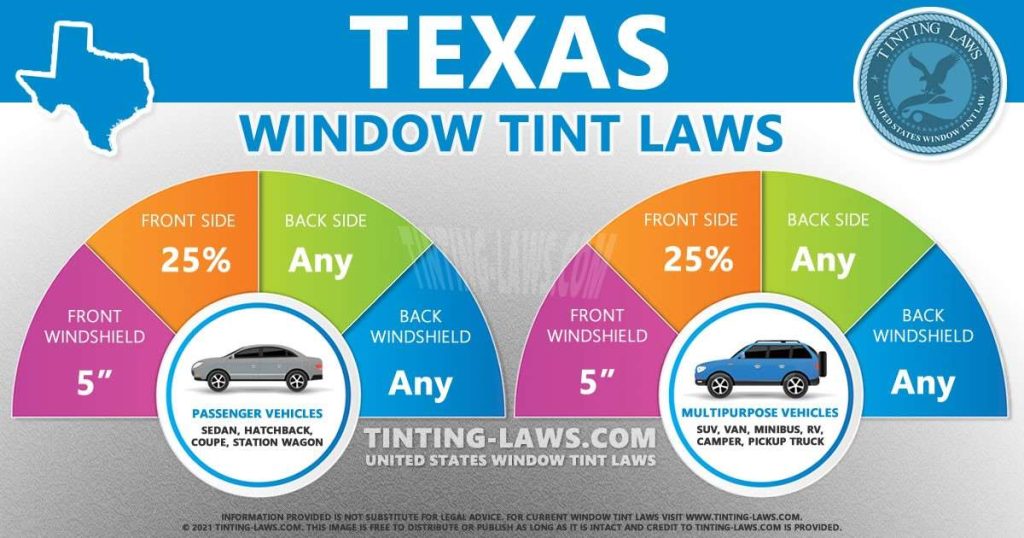
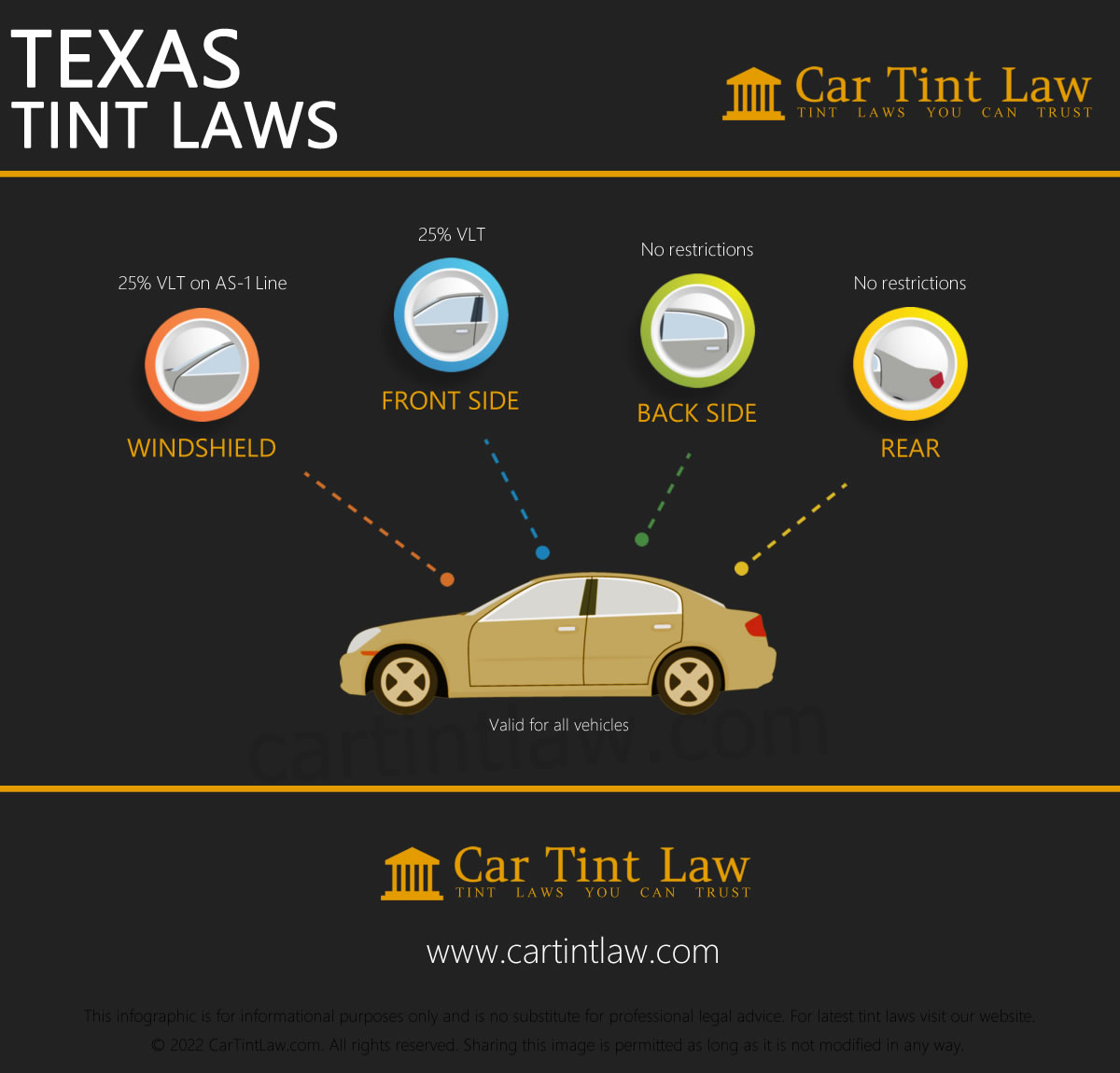
The most pertinent question for many is about the windshield. In Texas, non-reflective tint is permitted on the top edge of the windshield. The crucial limitation is that this tint must not extend below the AS-1 line, which is a standard marking found on most windshields indicating the uppermost limit for legal tint. The AS-1 line is typically located about 5.5 inches from the bottom of the windshield for sedans and about 7 inches from the top for vans and larger vehicles.
It’s vital to understand that this allowance is for non-reflective material only. Highly reflective tints can cause glare, particularly in the bright Texas sun, which can be hazardous to other drivers and even the driver of the tinted vehicle. The purpose of this allowance is often to reduce glare from the sun, thereby improving driver comfort and safety, especially during long drives across the vast expanses of Texas.
Side and Rear Window Tinting
While the windshield has a very specific and limited allowance, the rules for side and rear windows are more permissive, though still regulated.
Front Side Windows
For the front driver and passenger side windows, Texas law dictates that the tint must allow at least a 30% light transmission. This means that at least 30% of the light must be able to pass through the window. In simpler terms, the tint cannot be too dark. This is a critical safety measure, allowing law enforcement officers to easily see inside the vehicle during traffic stops and ensuring the driver has adequate visibility of their surroundings.
Rear Side Windows and Rear Windshield
The tinting restrictions are more relaxed for the rear side windows and the rear windshield. In Texas, any darkness is permitted for these windows, provided the vehicle has dual side mirrors. This means you must have a mirror on both the driver’s and passenger’s side of the vehicle. The rationale here is that the driver can still maintain adequate visibility of their blind spots and rearward environment through these mirrors, even with heavily tinted rear windows.
Medical Exemptions
Texas law does recognize that some individuals may require darker window tint for medical reasons. A person with a documented medical condition, such as lupus or photosensitivity, may be eligible for a medical exemption. To obtain this exemption, a physician licensed in Texas must certify that the tint is medically necessary. This certification must be carried by the driver at all times, along with the vehicle’s registration. The exemption typically allows for darker tint than standard regulations permit.
Why These Laws Exist: Safety and Enforcement
The primary motivation behind Texas window tint laws is public safety. Darkened windows can obscure the view of the driver, making it difficult to see pedestrians, cyclists, or other vehicles, especially in low-light conditions or adverse weather. Furthermore, excessively dark tint can hinder law enforcement’s ability to observe the occupants of a vehicle during a traffic stop, posing a potential safety risk to officers.
Visibility and Road Safety
The 30% light transmission requirement for front side windows is a direct measure to ensure that the driver’s field of vision is not compromised. This is particularly important in a state like Texas, with its diverse driving conditions, from busy urban centers like Dallas and Houston to the open highways stretching across the state. Maintaining clear visibility is paramount for preventing accidents.
Law Enforcement Perspective
From a law enforcement standpoint, being able to see into a vehicle is a fundamental aspect of conducting traffic stops safely and effectively. It allows officers to assess the situation inside the vehicle, identify potential threats, and ensure the safety of both themselves and the public. The AS-1 line on the windshield, and the restrictions on front side windows, are designed to facilitate this necessary visibility.
Consequences of Non-Compliance
Failing to adhere to Texas window tint laws can result in citations and fines. The penalties can vary depending on the specific violation and the discretion of the law enforcement officer. A common consequence is a “fix-it ticket,” which requires the owner to remove the non-compliant tint within a specified timeframe to avoid further penalties. However, repeat offenses or more egregious violations could lead to more substantial fines.
Avoiding Citations
To avoid potential issues, it’s advisable to:
- Know the Law: Familiarize yourself with the precise percentages and restrictions for each type of window.
- Professional Installation: Opt for reputable tint shops that are knowledgeable about Texas tint laws. They can advise on legal tint levels and ensure proper installation.
- Keep Documentation: If you have a medical exemption, ensure you have the necessary physician’s certification readily available.
- Regular Vehicle Inspections: Ensure your vehicle passes state safety inspections, which may include checks for window tint compliance.
Impact on Resale Value and Vehicle Inspections
Non-compliant window tint can also present challenges when selling a vehicle or during state safety inspections. A vehicle with illegal tint may fail inspection, requiring the owner to rectify the issue before it can be registered or legally operated. This can add unexpected costs and inconvenience.
Professional Tinting Services in Texas
When considering tinting your vehicle’s windows in Texas, choosing a professional and experienced installer is paramount. These professionals are well-versed in the nuances of Texas tint laws and can guide you through the options that meet legal requirements while also providing the desired aesthetic and functional benefits.
Choosing a Reputable Installer
A reputable tint shop will:
- Educate You: Explain the legal tint percentages for each window type in Texas.
- Offer Quality Products: Use high-quality tint films that come with warranties and offer UV protection and heat rejection.
- Ensure Proper Application: Install the tint smoothly and without bubbles or imperfections, adhering to the AS-1 line on the windshield.
- Provide Documentation: Offer receipts or certificates that may be helpful if questioned by law enforcement, especially regarding product specifications.
Many professional tinting companies operate across major Texas cities, serving communities from the Rio Grande Valley to the Panhandle. They often employ certified technicians who understand the intricate details of state regulations.
Types of Tint and Their Benefits
While adhering to the law, you can still benefit from tinting. Modern tint films offer significant advantages:
- UV Protection: Most high-quality tints block over 99% of harmful ultraviolet (UV) rays, protecting your skin and preventing your car’s interior from fading and cracking.
- Heat Rejection: Tint significantly reduces the amount of solar heat that enters your vehicle, making your car cooler and more comfortable, especially during the sweltering Texas summers. This can also lead to improved fuel efficiency as your air conditioning system works less.
- Glare Reduction: Tint reduces the intensity of sunlight, improving visibility and reducing eye strain for the driver.
- Privacy and Security: While not the primary legal consideration, tint does offer a degree of privacy for vehicle occupants and can make it more difficult for thieves to see valuables inside the car.

Conclusion: Tinting Your Windshield Legally in Texas
In summary, while you can tint your windshield in Texas, the permissibility is strictly limited to the top edge with non-reflective material, not extending below the AS-1 line. The front side windows must allow at least 30% light transmission, and the rear side and rear windshields can be any darkness, provided dual side mirrors are present. Always prioritize compliance with these regulations to ensure safe driving, avoid legal issues, and enjoy the benefits of professional window tinting. Consulting with a qualified tint installer is the best approach to guarantee your vehicle meets all Texas requirements.
LifeOutOfTheBox is a participant in the Amazon Services LLC Associates Program, an affiliate advertising program designed to provide a means for sites to earn advertising fees by advertising and linking to Amazon.com. Amazon, the Amazon logo, AmazonSupply, and the AmazonSupply logo are trademarks of Amazon.com, Inc. or its affiliates. As an Amazon Associate we earn affiliate commissions from qualifying purchases.