
The question of when Oklahoma officially joined the ranks of the United States is more than just a trivia point; it’s a gateway into understanding the unique history and cultural tapestry of the Sooner State. The journey to statehood was a complex and often arduous one, shaped by federal policies, Indigenous resilience, and the relentless westward expansion that defined much of American history in the late 19th and early 20th centuries. Understanding this pivotal year provides crucial context for appreciating the landmarks, attractions, and local culture that define Oklahoma today.
The Crucible of Statehood: From Territories to Union
The path to Oklahoma’s statehood was not a singular event but rather a culmination of decades of policy and demographic shifts. The region that would become Oklahoma was historically inhabited by numerous Indigenous tribes. The Indian Removal Act of 1830, a deeply controversial piece of legislation, led to the forced relocation of tribes from the southeastern United States to the land designated as Indian Territory. This included the “Five Civilized Tribes” – the Cherokee, Chickasaw, Choctaw, Creek, and Seminole – who were forcibly moved along the infamous Trail of Tears.

Indian Territory and the Dawes Act
For decades, Indian Territory remained largely self-governing, with its own laws, governments, and distinct cultural practices. However, the increasing influx of non-Indigenous settlers, coupled with a national desire to open up western lands for settlement and development, put immense pressure on the federal government to alter the status of Indian Territory. The passage of the Dawes Act (also known as the General Allotment Act) in 1887 marked a significant turning point. This act aimed to break up communally held tribal lands into individual allotments, with the intention of assimilating Indigenous peoples into mainstream American society and opening any “surplus” land for white settlement.
The Dawes Act had profound and often devastating consequences for Native American tribes, dismantling their traditional land ownership systems and leading to the loss of millions of acres. It also set the stage for the eventual merging of Indian Territory and the Oklahoma Territory, which had been established in 1890 from the western portion of the former Indian lands.
The Push for a Unified State
As the 20th century dawned, the idea of a single, unified Oklahoma state gained momentum. Proponents argued that a single state would be more politically and economically viable, offering better representation and more streamlined governance. However, the process was fraught with challenges, particularly concerning the rights and representation of Indigenous citizens who had been allocated land under the Dawes Act.
The Enabling Act of 1906 was the critical piece of federal legislation that paved the way for statehood. It authorized the residents of both Indian Territory and Oklahoma Territory to draft a constitution and elect state officials, with the ultimate goal of admission into the Union. This act laid out the framework for the unification of the two distinct territories, a process that required careful negotiation and compromise.
The Moment of Birth: November 16, 1907
The question of “What year did Oklahoma become a state?” finds its definitive answer in 1907. Specifically, on November 16, 1907, President Theodore Roosevelt signed the proclamation admitting Oklahoma as the 46th state in the Union. This date is celebrated annually as Oklahoma Statehood Day, a significant holiday marking the culmination of a long and complex historical journey.
The establishment of the state was a pivotal moment, transforming Indian Territory and Oklahoma Territory into a single political entity. The unification brought about new administrative structures, legal frameworks, and economic opportunities, forever changing the landscape and identity of the region. The drafting of the state constitution was a monumental undertaking, reflecting the unique blend of Indigenous heritage and frontier spirit that characterized the area.
A Constitution Forged in Compromise
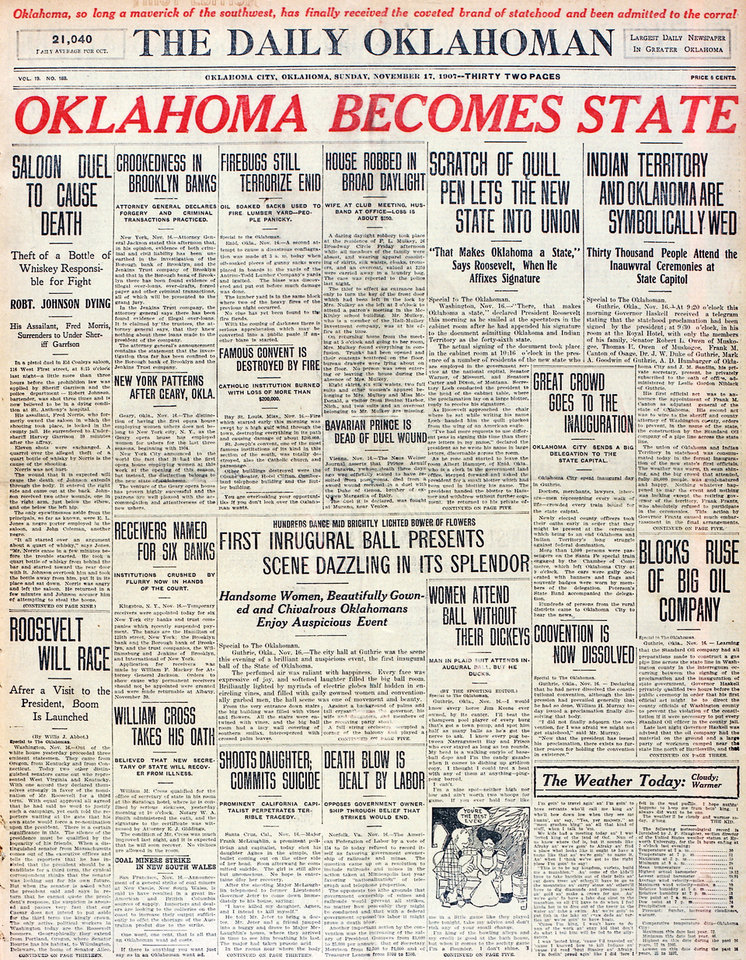
The creation of Oklahoma’s state constitution was a testament to the diverse interests and historical forces at play. It was one of the longest and most detailed constitutions in the United States at the time, reflecting the concerns of both the settled agricultural communities and the burgeoning oil industry. Key issues addressed included land ownership, resource management, and the rights of all its citizens, though the legacy of Indigenous disenfranchisement would continue to be a complex challenge for the new state.
The drafting process involved delegates from both territories, each bringing their own perspectives and priorities. The resulting document was a blend of progressive ideals and conservative pragmatism, an attempt to balance the needs of a diverse population and a rapidly changing economic landscape.
The Sooner State’s Identity Emerges
With statehood achieved, Oklahoma began to forge its own distinct identity. The nickname “Sooner State” itself harks back to the Land Runs of the late 19th century, where settlers rushed to claim newly opened lands, often jumping the gun and becoming “Sooners.” This spirit of pioneering, of claiming opportunity, became deeply ingrained in the state’s narrative.
The early years of statehood saw significant growth, driven by agriculture and the rapidly expanding oil and gas industry. Cities like Oklahoma City and Tulsa began to flourish, becoming centers of commerce and culture. The state’s unique geographical position, bridging the Great Plains and the Southwest, contributed to a rich and varied cultural heritage, a blend of traditions from Native American, Southern, and Western influences.
Navigating the Legacy: Statehood and Its Implications
The year Oklahoma became a state is a crucial point of reference for understanding its present-day characteristics. The historical context of its formation, particularly the intricate relationship between Indigenous sovereignty and federal policy, continues to shape the state’s social, political, and economic landscape.
Economic Transformations Post-Statehood
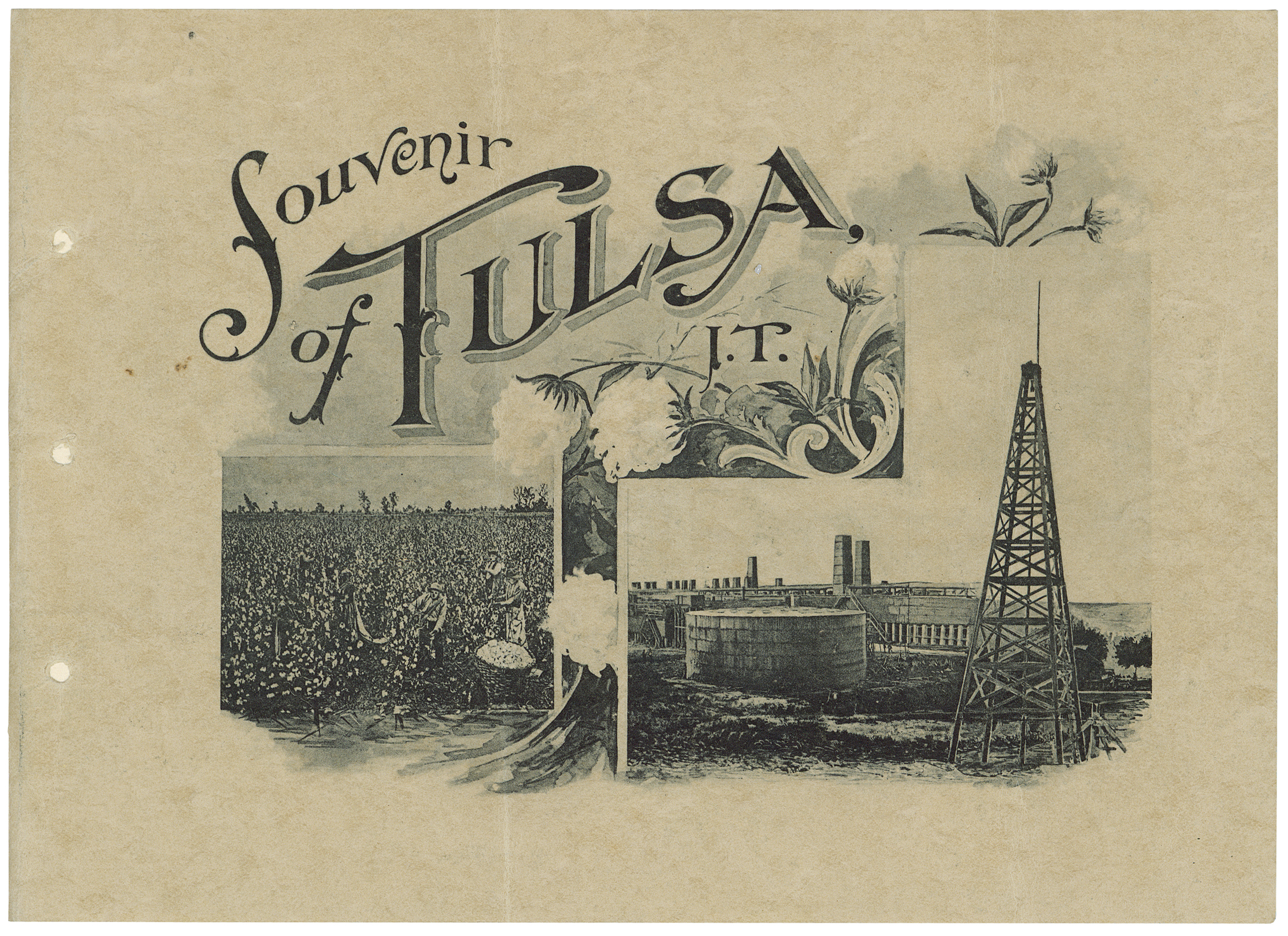
Upon joining the Union, Oklahoma became eligible for federal funding and programs, which helped to accelerate infrastructure development and public services. The state’s rich natural resources, especially oil and gas, became a major driver of its economy. The boom and bust cycles of the petroleum industry have significantly impacted Oklahoma’s economic trajectory throughout its history as a state. The early 20th century saw unprecedented wealth generated from oil discoveries, leading to rapid urbanization and the construction of impressive Art Deco architecture, particularly in Tulsa.
Cultural Milestones and Contributions
The rich cultural heritage of Oklahoma is deeply rooted in its complex history. The state is home to a vibrant Indigenous population, with many tribes maintaining distinct cultural practices, languages, and traditions. These communities have played an integral role in shaping Oklahoma’s identity.
Beyond its Indigenous roots, Oklahoma has also made significant contributions to American music, literature, and art. The state is renowned as the birthplace of country music legend Garth Brooks and the setting for John Steinbeck’s iconic novel, The Grapes of Wrath, which vividly depicted the struggles of Dust Bowl migrants. The cowboy culture, inextricably linked to the American West, also finds a strong presence in Oklahoma, evident in its rodeos and western heritage attractions.
Modern-Day Oklahoma
Today, Oklahoma stands as a testament to the resilience and adaptability of its people. While grappling with historical challenges, the state continues to evolve, fostering innovation in sectors like aerospace, energy, and biosciences. Its diverse landscapes, from the rolling hills of the Ouachita Mountains to the vast plains, offer a range of attractions for visitors interested in history, nature, and local culture. Understanding the year Oklahoma became a state is not just about recalling a date; it’s about appreciating the intricate narrative of its creation and the enduring spirit of its people.
LifeOutOfTheBox is a participant in the Amazon Services LLC Associates Program, an affiliate advertising program designed to provide a means for sites to earn advertising fees by advertising and linking to Amazon.com. Amazon, the Amazon logo, AmazonSupply, and the AmazonSupply logo are trademarks of Amazon.com, Inc. or its affiliates. As an Amazon Associate we earn affiliate commissions from qualifying purchases.