
Navigating the correctional system to locate an individual can be a complex and often stressful process. Whether you are searching for a family member, a friend, or a client, understanding the correct procedures and available resources is crucial. In California, inmates may be held in various facilities, including county jails, state prisons, or federal correctional institutions, each with its own search protocols. This comprehensive guide outlines the most effective methods for locating an inmate within the Golden State, providing insights into the systems in place and offering practical steps to streamline your search.

Understanding the California Correctional System
Before initiating your search, it’s vital to grasp the distinctions between the different types of correctional facilities in California, as this will dictate which search method you need to employ. The state operates a decentralized system, meaning that arrests and initial detentions typically occur at the local level, while long-term sentences for more serious crimes are often served in state or federal institutions.
California Department of Corrections and Rehabilitation (CDCR)
The California Department of Corrections and Rehabilitation (CDCR) is responsible for managing all state prisons and facilities that house individuals convicted of felonies and sentenced to state prison terms. These are distinct from county jails and typically hold inmates for longer durations. The CDCR system is vast, comprising dozens of institutions across the state.
County Jails vs. State Prisons
A common point of confusion is the difference between county jails and state prisons. County jails are operated by local sheriff’s departments and primarily hold individuals who are:
- Awaiting trial or sentencing.
- Serving short sentences (typically less than one year) for misdemeanors or some felonies.
- Awaiting transfer to a state prison or other facility.
- Held on parole or probation violations.
State prisons, managed by the CDCR, house individuals who have been convicted of more serious crimes and sentenced to longer terms. If a person has been sentenced and transferred out of a county jail, they will likely be found within the state prison system.
Federal Facilities
In addition to state and county facilities, some inmates in California may be held in federal prisons. These institutions are under the jurisdiction of the Federal Bureau of Prisons (BOP) and house individuals convicted of federal crimes, such as drug trafficking across state lines, federal tax evasion, or immigration offenses. If the crime was federal, your search will need to focus on federal resources.
Online Resources for Inmate Search
The most efficient starting point for locating an inmate in California is typically through online search tools. These databases are regularly updated and provide quick access to information, provided you have sufficient identifying details.
CDCR Inmate Locator
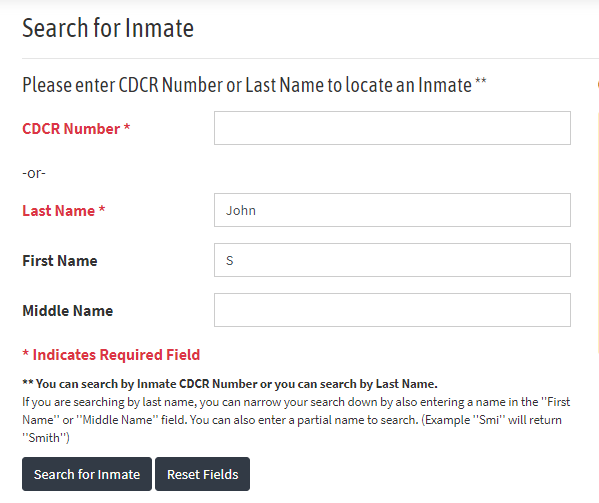
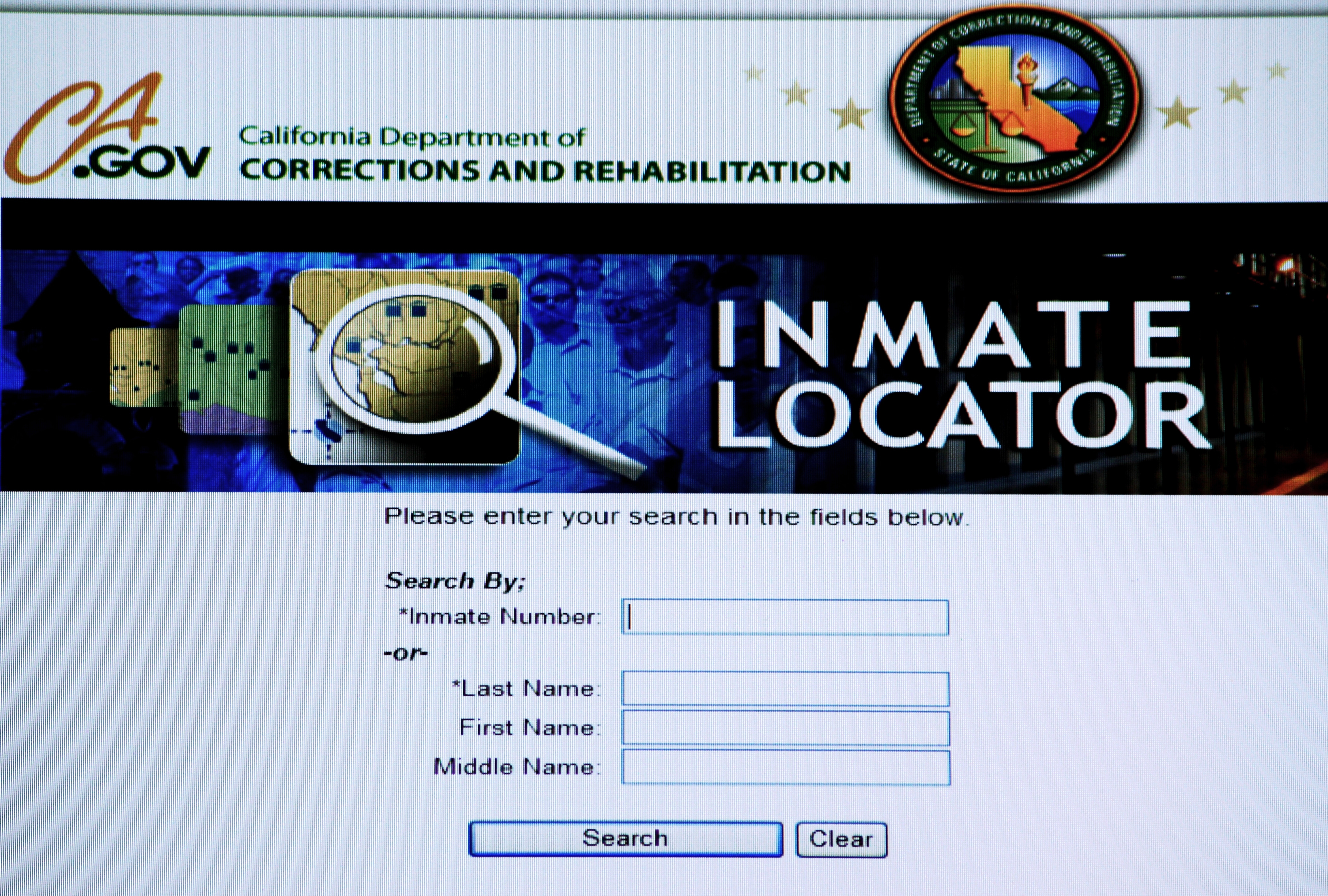
For individuals believed to be in a state prison, the CDCR offers a robust online Inmate Locator tool. This system allows you to search for inmates currently incarcerated in California state prisons, as well as those who have been released.
- How to Use It: You will generally need the inmate’s full legal name and, if available, their CDCR identification number. Providing the CDCR number significantly narrows the search and yields more accurate results.
- Information Provided: The locator typically provides the inmate’s name, CDCR number, current facility location, and sometimes their projected release date. It’s important to note that specific details about their conviction or sensitive personal information are not publicly accessible for privacy reasons.
County Sheriff’s Department Websites
If the individual was recently arrested, is awaiting trial, or is serving a short sentence, they are likely in a county jail. Each of California’s 58 counties has its own sheriff’s department, which operates the county jails and typically maintains an online inmate search portal.
- Specific Examples:
- The Los Angeles County Sheriff’s Department provides an Inmate Information Center for individuals booked into their county jails.
- The San Diego County Sheriff’s Department offers a similar online inmate search function.
- The Orange County Sheriff’s Department also has an online inmate information system.
- Other major counties like Alameda County Sheriff’s Office, Riverside County Sheriff’s Department, Santa Clara County Sheriff’s Office, and Sacramento County Sheriff’s Office provide comparable resources on their respective websites.
- Variations in Search Tools: While the core function is the same, the exact search parameters and information displayed can vary slightly between county websites. Most require at least a last name, and some allow searches by booking number or date of birth.
Federal Bureau of Prisons (BOP) Inmate Locator
For inmates incarcerated for federal offenses, the Federal Bureau of Prisons (BOP) maintains an online inmate locator. This tool is essential if you suspect the individual is in a federal institution, which could be located anywhere in the United States, not just California.
- How to Use It: You can search by name or by their BOP register number.
- Information Provided: The BOP locator will indicate the inmate’s current facility, their age, race, and sex, and their projected release date.
Offline and Alternative Search Methods
While online tools are highly effective, there are situations where they may not yield immediate results. In such cases, alternative methods become necessary.
Contacting Facilities Directly
If online searches prove unsuccessful, or if you have specific reasons to believe the individual is in a particular facility, contacting the institution directly is a viable option.
- When to Use This Method: This is often useful if the individual was recently arrested and has not yet been processed into the online system, or if they have been transferred and the online records are not yet updated.
- Information Needed: When calling, be prepared to provide the inmate’s full legal name and date of birth. Facility staff are limited in the information they can disclose due to privacy regulations, but they can usually confirm if an individual is in their custody.
- Privacy Considerations: Understand that facilities cannot release detailed information to just anyone. They can typically only confirm presence or absence.
Legal Counsel and Bail Bondsmen
If you are working with legal counsel or a bail bondsman, they often have direct access to inmate information systems and can expedite the search process.
- Their Role in Locating Individuals: Attorneys have privileged access to certain information and can often contact specific departments or courts to ascertain an individual’s whereabouts. Bail bondsmen, as part of their business, need to know where individuals are held and frequently have direct lines of communication with jail booking departments.
Victim Information and Notification Everyday (VINE) Program
The Victim Information and Notification Everyday (VINE) program is a free, confidential service that provides victims of crime with information about criminal cases and the custody status of offenders.
- How VINE Works: VINE allows users to register to receive automated notifications by phone, email, or TTY when an offender’s custody status changes, such as release, transfer, or escape.
- Scope (Jails and Prisons): The VINE program covers most county jails and state prisons in California. While primarily designed for victims, it can sometimes be a resource for others seeking information, especially concerning custody status changes.
Essential Information for Your Search
The success of your inmate search hinges on the quality and accuracy of the information you possess. Having the right details at hand will significantly improve your chances of locating the individual swiftly.
Required Details for an Effective Search
- Full Legal Name: This is the most critical piece of information. Ensure you have the correct spelling, including any middle names or initials. Variations in spelling can lead to failed searches.
- Date of Birth: This helps to differentiate between individuals with similar names and is often a mandatory field in online search portals.
- Inmate ID Number (if known): If you have a CDCR number, booking number, or BOP register number, this will provide the most direct and accurate search result.
- Last Known Location or Arresting Agency: Knowing where the individual was last seen or arrested can narrow down your search to specific county jails or police departments.
Understanding Different Custody Levels and Transfers
Inmates can be transferred between facilities for various reasons, including security, medical needs, overcrowding, or progression through the judicial system.
- Why an Inmate Might Not Be Found Easily: Recent transfers might mean that an inmate’s record has not yet been updated in the online databases of their new facility. Sometimes, an inmate might be temporarily housed in a processing center before being assigned to a long-term institution.
- Importance of Checking Regularly: If an initial search is unsuccessful, it’s advisable to recheck the online systems periodically. Inmate populations are dynamic, and records are continuously updated.
Next Steps After Locating an Inmate
Once you have successfully located an inmate, you’ll likely want to establish communication or provide support. Each facility has strict rules governing these interactions.
Communication Protocols (Mail, Phone, Visits)
- General Rules and Regulations: All mail sent to inmates is typically inspected, and there are specific guidelines for what can and cannot be sent. Phone calls from inmates are usually collect calls or require an account to be set up through an approved third-party provider. Visits require prior scheduling, and visitors must often pass a background check and adhere to strict dress codes and conduct rules.
- Importance of Facility-Specific Guidelines: It is paramount to check the specific guidelines for the facility where the inmate is housed. Each county jail, state prison, and federal facility will have its own detailed policies regarding mail, phone calls, and visitation. These can be found on their respective official websites.
Sending Money and Care Packages
- Sending Money: Most correctional facilities allow money to be sent to inmates for use at the commissary. This is typically done through approved third-party services, mail (money orders), or sometimes through kiosks at the facility.
- Care Packages: Policies on care packages vary widely. Many facilities only allow inmates to receive approved items directly from specific vendors or through their commissary. Unauthorized items sent directly to the inmate can be confiscated and may lead to disciplinary action.
Legal and Support Resources
Beyond communication, you might need to connect the inmate with legal aid or other support services.
- Legal Aid: Organizations offering pro bono legal services or low-cost representation can be crucial for inmates navigating their cases or appeals.
- Support Groups: Families and friends of incarcerated individuals can find support and guidance through various non-profit organizations dedicated to criminal justice reform and inmate welfare.
Locating an inmate in California requires patience and a systematic approach. By utilizing the appropriate online databases and understanding the different types of correctional facilities, you can navigate this process effectively. Remember to always respect privacy regulations and adhere to facility-specific rules once the inmate is located.
LifeOutOfTheBox is a participant in the Amazon Services LLC Associates Program, an affiliate advertising program designed to provide a means for sites to earn advertising fees by advertising and linking to Amazon.com. Amazon, the Amazon logo, AmazonSupply, and the AmazonSupply logo are trademarks of Amazon.com, Inc. or its affiliates. As an Amazon Associate we earn affiliate commissions from qualifying purchases.