
Securing long-term accommodation in Florida presents a unique set of considerations, paramount among them being protection against the state’s prevalent natural hazards. Among these, the threat of flooding stands out, demanding careful attention to insurance provisions. The short answer to whether you can get flood insurance in Florida is unequivocally yes, but understanding the nuances of how and why it’s essential for anyone establishing a permanent residence in the Sunshine State is crucial. Standard homeowner insurance policies notoriously exclude damage caused by floods, leaving property owners exposed to immense financial devastation without specific flood coverage. For those committing to a long-term stay, whether through homeownership or extended rental, navigating the complexities of flood insurance is not merely a formality but a fundamental aspect of responsible property management and financial security.
Understanding Florida’s Flood Risk and the Need for Coverage
Florida’s geography renders it exceptionally vulnerable to various forms of flooding. Its extensive coastline, low elevation, porous limestone bedrock, and susceptibility to tropical storms and hurricanes mean that water intrusion from various sources—coastal storm surge, overflowing rivers, heavy rainfall, and even rising groundwater—is a persistent threat. This inherent risk underscores why flood insurance is not just an optional add-on but a critical component of any comprehensive plan for long-term accommodation in the state.
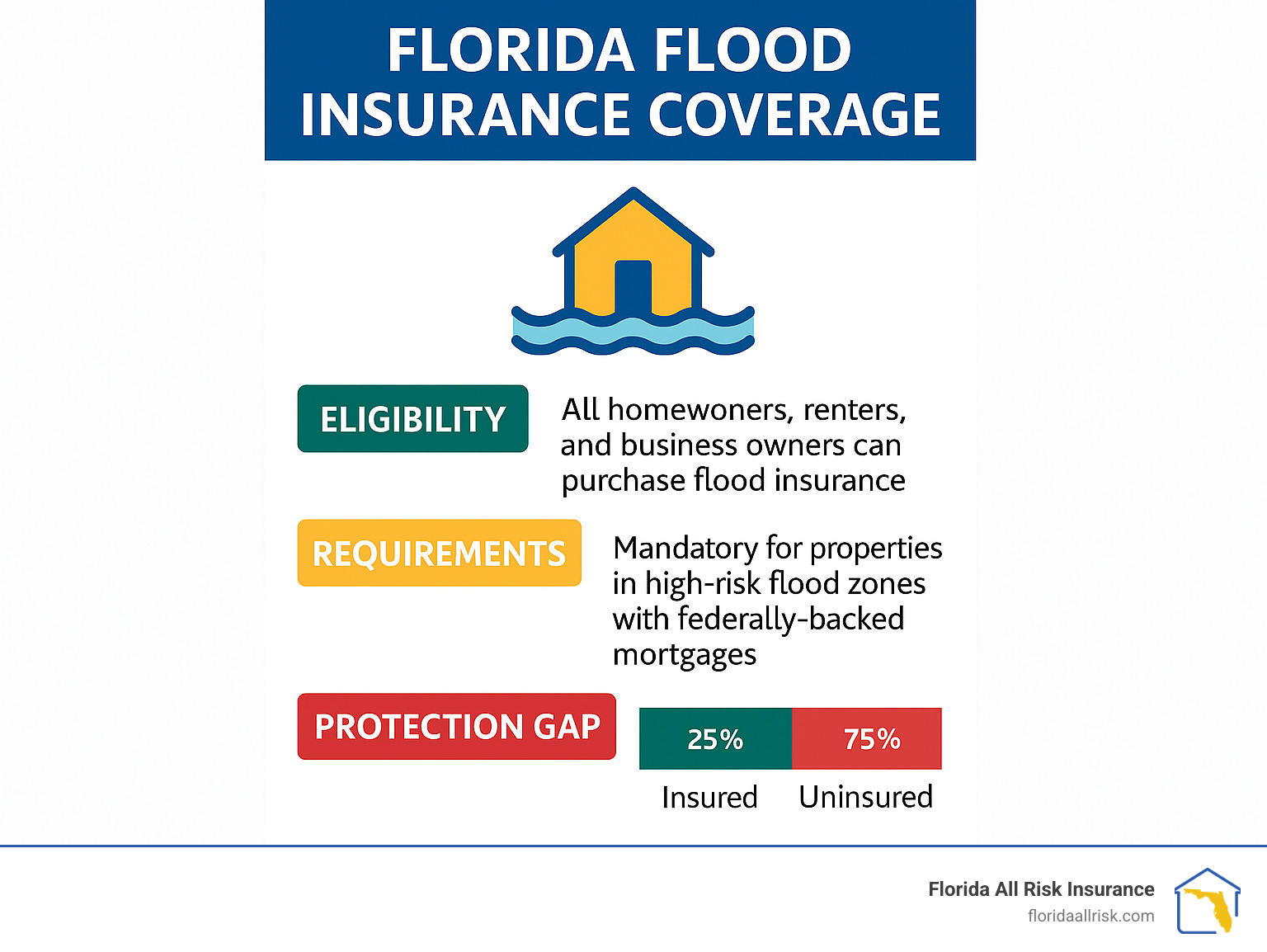
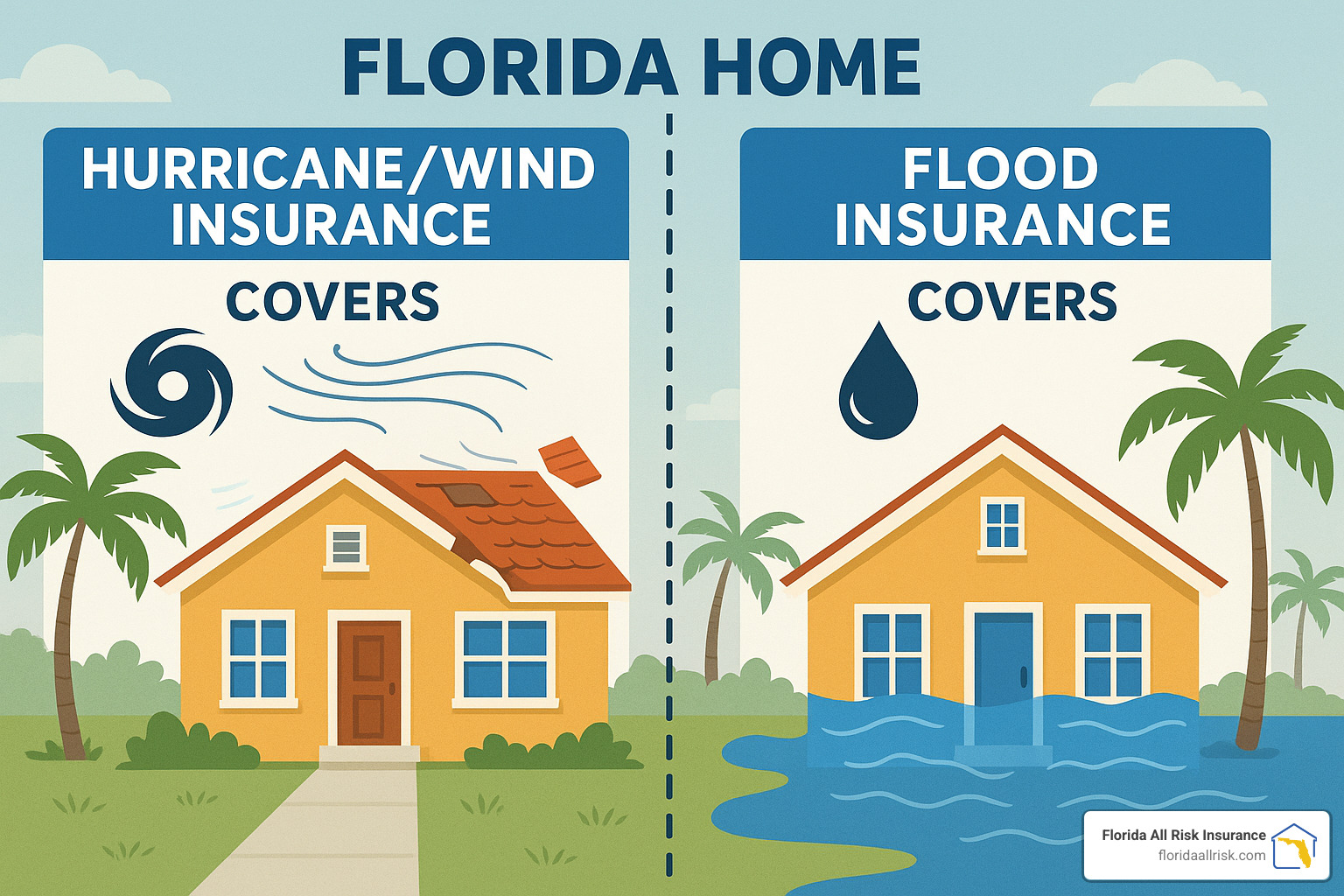
Many prospective homeowners or long-term renters might assume their standard dwelling policy offers sufficient protection. However, a crucial distinction must be made: “flood” is typically defined as water that covers at least two acres of land that is usually dry or that inundates two or more properties. Water damage from a burst pipe or a leaky roof might be covered by a standard homeowner’s policy, but damage from a natural flood event is not. Without dedicated flood insurance, the costs to repair or rebuild a damaged home, replace cherished belongings, or manage temporary relocation can quickly escalate into hundreds of thousands of dollars, threatening the financial stability of a long-term resident.
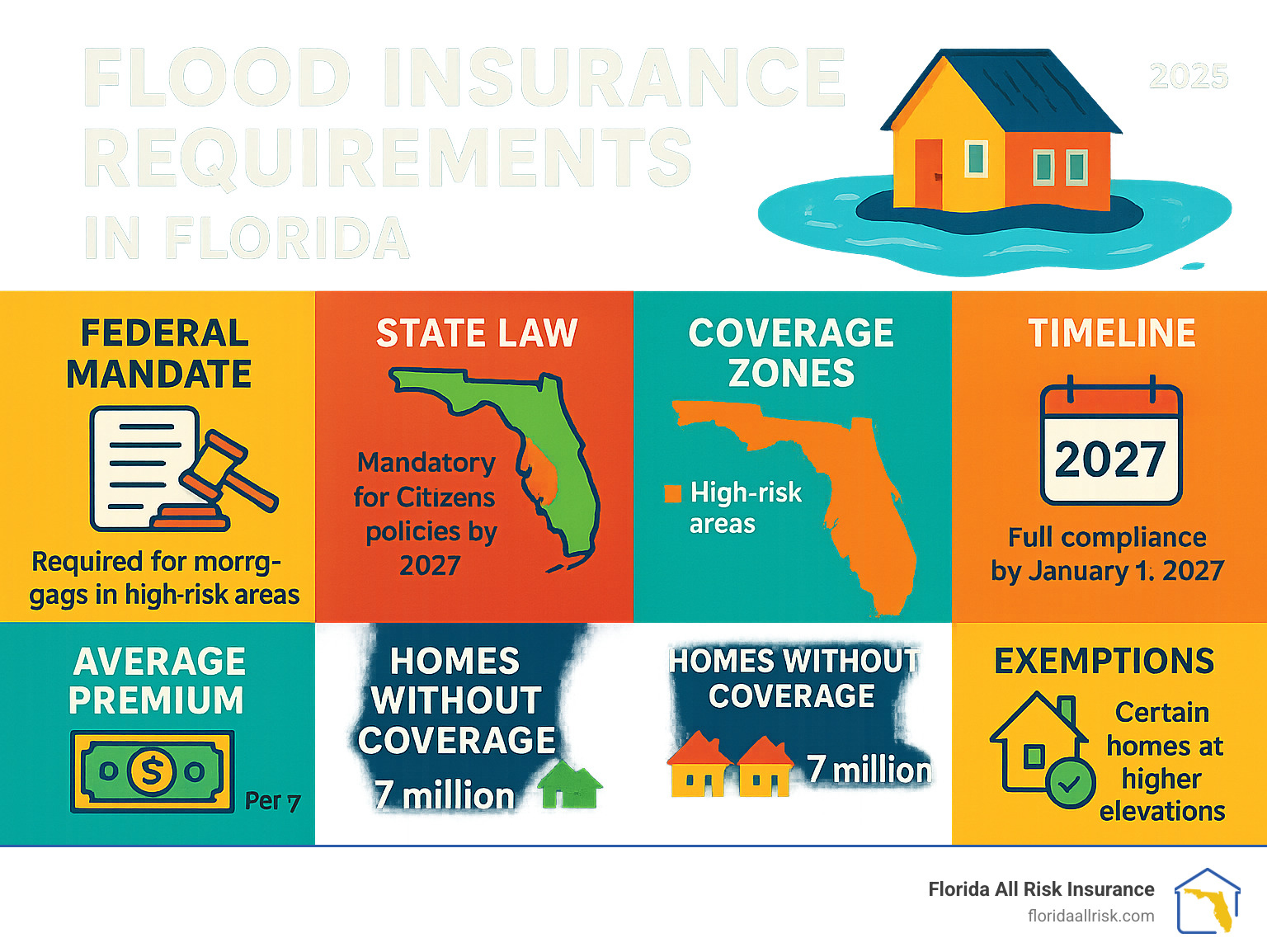
For those with federally-backed mortgages, flood insurance is often a mandatory requirement if their property is located in a Special Flood Hazard Area (SFHA), as designated by the Federal Emergency Management Agency (FEMA). Even if a property falls outside an SFHA, known as a moderate-to-low risk zone, flooding can still occur. In fact, over 20% of National Flood Insurance Program (NFIP) claims come from these supposedly lower-risk areas. For anyone looking to establish a secure long-term residence in Florida, understanding this pervasive risk and proactively seeking coverage is paramount.
Navigating the National Flood Insurance Program (NFIP)
For decades, the National Flood Insurance Program (NFIP), administered by FEMA, has been the primary source of flood insurance for property owners across the United States, including Florida. The program works by partnering with private insurance companies that sell and service flood insurance policies under the NFIP name. This means that while you purchase the policy from a local agent, the coverage itself is backed by the federal government.
An NFIP policy typically offers two main types of coverage:
- Building Coverage: This protects the insured building and its foundation, electrical and plumbing systems, furnaces, water heaters, central air conditioners, permanently installed carpeting, and more. The maximum coverage limit for residential buildings is typically $250,000.
- Contents Coverage: This protects personal belongings such as clothing, furniture, electronics, and other movable items. The maximum coverage limit for contents is typically $100,000. It’s important to note that contents coverage is usually optional and must be purchased separately.
One critical aspect of NFIP policies is the waiting period. Generally, there’s a 30-day waiting period from the date of purchase before the policy becomes effective. This prevents individuals from buying coverage only when a flood threat is imminent. There are exceptions, such as when coverage is required due to a loan closing.
Flood zone maps, developed by FEMA, play a significant role in determining NFIP premiums. Properties in high-risk zones (SFHAs) generally face higher premiums due to the increased likelihood of flooding. However, FEMA’s recent overhaul of the premium calculation methodology, known as Risk Rating 2.0, has introduced a more equitable system that considers a property’s unique flood risk, including its specific elevation, foundation type, and proximity to water, rather than just broad flood zone designations. While this aims to more accurately reflect individual risk, it has also led to significant premium adjustments for many Florida properties, requiring long-term residents to re-evaluate their coverage costs.
Exploring Private Flood Insurance Options
While the NFIP has historically been the cornerstone of flood protection, a robust private flood insurance market has emerged and expanded significantly in Florida. This growth offers homeowners and long-term renters more choices and, in some cases, greater flexibility in coverage.
Private flood insurance policies are offered by various private carriers and operate outside the federal program. They can often provide several advantages:
- Higher Coverage Limits: Private policies frequently offer coverage limits exceeding the NFIP’s maximums, which can be particularly beneficial for high-value properties or those with extensive personal belongings.
- Broader Coverage: Some private policies may include additional coverages not typically found in NFIP policies, such as loss of use (for temporary living expenses), basement contents coverage, or lower deductibles.
- Potentially Lower Premiums: Depending on the specific property’s risk profile and market competition, private flood insurance can sometimes be more affordable than NFIP policies, especially for properties that have mitigated their flood risk or are not in the highest-risk zones.
- Shorter Waiting Periods: While not universally true, many private insurers offer shorter waiting periods, sometimes as little as 7 to 14 days, compared to the NFIP’s standard 30 days.
However, opting for private flood insurance also requires careful consideration. The stability and claims-paying ability of the private carrier are crucial. It’s essential to research the insurer’s financial ratings and track record. Additionally, private policies may not be available in all areas or for all types of properties. The pricing and availability in the private market are dynamic, influenced by reinsurance markets and the frequency of significant weather events in Florida. Comparing quotes from both the NFIP and multiple private insurers is highly recommended to find the most suitable and cost-effective long-term protection for your accommodation.
Key Considerations for Securing Long-Term Accommodation in Florida
For anyone establishing a long-term residence in Florida, understanding the intricacies of flood insurance is integral to responsible accommodation planning. This goes beyond simply meeting a mortgage requirement; it’s about protecting one of life’s most significant investments and ensuring financial resilience in the face of natural disasters.
- Homeowners: For homeowners, flood insurance directly safeguards the equity and structural integrity of their primary residence. It ensures that after a flood event, resources are available to rebuild, repair, and restore the home, preventing financial ruin. Without it, the burden of recovery falls entirely on the homeowner, potentially leading to foreclosure or forced relocation.
- Renters: Even if you rent your long-term accommodation, your personal belongings are still at risk. A renter’s flood insurance policy, separate from a landlord’s building policy, can provide crucial coverage for your furniture, electronics, clothing, and other valuables up to specified limits. This is a vital yet often overlooked aspect of securing rented long-term accommodation.
- Pre-Purchase Due Diligence: Before purchasing any property in Florida, prospective buyers should meticulously review FEMA flood maps for the specific address. Sellers are often required to disclose past flood damage and whether the property is in a flood zone. Understanding the flood risk upfront allows for informed decisions about insurance costs and potential mitigation strategies. An elevation certificate can also be invaluable, as it provides detailed information about a property’s elevation relative to the base flood elevation, directly impacting insurance premiums.
- Mitigation Efforts: Investing in flood mitigation measures can not only reduce a property’s risk of damage but also potentially lower insurance premiums. Actions like elevating the home, installing flood vents, maintaining proper drainage, or landscaping with flood-resistant plants can make a significant difference. Discussing these options with a qualified builder or flood mitigation specialist is advisable for long-term residents.
- Understanding Policy Specifics: Regardless of whether you choose NFIP or private coverage, it’s paramount to understand the policy’s fine print. Pay close attention to deductibles (which can be separate for building and contents), exclusions (e.g., loss of profits, emotional distress, damage from moisture/mildew that could have been avoided), and whether coverage is based on replacement cost value (RCV) or actual cash value (ACV). RCV pays to replace damaged items with new ones, while ACV factors in depreciation, often resulting in a lower payout.
Making an Informed Decision for Your Florida Home
The journey to securing adequate flood insurance for your long-term accommodation in Florida can seem daunting, but it is a critical investment in your financial future and peace of mind. The most effective approach involves consulting with experienced insurance agents who specialize in flood coverage in Florida. These professionals can assess your property’s specific risk profile, explain the nuances of both NFIP and private market options, and help you compare quotes.
Do not wait until a storm is approaching to seek coverage, as the waiting periods for policies can leave you unprotected precisely when you need it most. Proactive research, comparison shopping, and a thorough understanding of your chosen policy are essential. Ultimately, while flood insurance may seem like an additional expense, it is an indispensable component of responsible homeownership and long-term residency in Florida. It represents a vital safeguard, ensuring that should the waters rise, your long-term accommodation and financial stability remain protected.
LifeOutOfTheBox is a participant in the Amazon Services LLC Associates Program, an affiliate advertising program designed to provide a means for sites to earn advertising fees by advertising and linking to Amazon.com. Amazon, the Amazon logo, AmazonSupply, and the AmazonSupply logo are trademarks of Amazon.com, Inc. or its affiliates. As an Amazon Associate we earn affiliate commissions from qualifying purchases.