
For many visitors and potential residents considering the diverse and vibrant atmosphere of Florida, understanding local nuances extends beyond pristine beaches and theme parks. It often involves delving into the unique aspects of its environment, including its abundant wildlife. Among the most commonly sighted native creatures is the raccoon, an animal whose charming, masked appearance might lead some to ponder the possibility of welcoming one into their home as a pet. However, the legal and practical realities of owning a pet raccoon in the Sunshine State are complex, deeply rooted in conservation efforts, public health concerns, and responsible wildlife management. Navigating these regulations is a crucial tip for anyone looking to fully immerse themselves in or reside within Florida’s distinctive local culture.
The Legal Landscape: Permits and Prohibitions in Florida
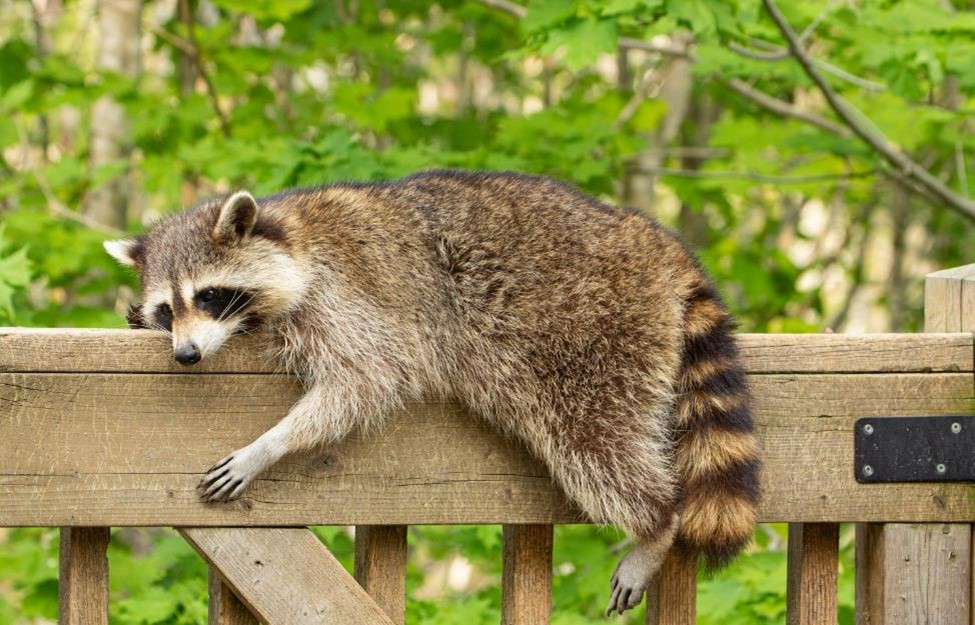
The question of pet raccoons in Florida isn’t a simple yes or no; it’s governed by the Florida Fish and Wildlife Conservation Commission (FWC), the primary agency responsible for managing the state’s fish and wildlife resources. The FWC categorizes wildlife based on risk levels to native species, habitats, and public safety. Raccoons, being native wildlife, fall under specific regulations designed to prevent ecological disruption and the spread of disease.
Under Florida law, raccoons are classified as Class III wildlife. This designation means that while it is not outright illegal to possess them, owning a raccoon requires a permit from the FWC. This isn’t a casual application process; it’s a stringent evaluation to ensure that prospective owners can provide an appropriate and safe environment for both the animal and the public. The intent behind these regulations is to deter impulse acquisitions and ensure that individuals who do obtain these animals are fully prepared for the significant responsibilities involved. These permits are not designed for the average pet owner but rather for individuals with specialized knowledge and facilities, reflecting a commitment to the animal’s welfare and public safety. Ignoring these regulations can lead to substantial fines, confiscation of the animal, and even criminal charges, making understanding these rules a critical tip for visitors and residents alike.
Understanding the FWC Permit Requirements
Obtaining an FWC permit for Class III wildlife like a raccoon is a rigorous undertaking. Applicants must demonstrate a thorough understanding of the species’ natural history, dietary needs, behavioral patterns, and specific caging requirements. The FWC mandates specific enclosure standards that mimic a natural habitat while ensuring the animal’s containment and safety. These enclosures are often far larger and more complex than typical household pet accommodations, requiring significant space and resources.
Furthermore, applicants are typically required to show proof of prior experience in handling similar species or complete specialized training. This isn’t merely a bureaucratic hurdle; it acknowledges that raccoons are not domesticated animals. Despite being raised by humans, they retain strong wild instincts, which can manifest in unpredictable behavior, aggression, and destructive tendencies. The FWC’s strict criteria serve as a protective measure, both for the individual hoping to own the animal and for the raccoon itself, preventing it from being placed in an unsuitable environment. For many, the practicalities and costs associated with meeting these requirements often outweigh the desire to own such an unconventional pet, highlighting a key aspect of Florida’s approach to wildlife.
Public Health and Safety Concerns
Beyond the legal framework, a significant reason for Florida’s stringent regulations on pet raccoons stems from paramount public health and safety concerns. Raccoons are known carriers of several diseases and parasites that can be transmitted to humans and other animals, posing serious risks that extend far beyond the individual owner. Understanding these risks is vital for anyone engaging with Florida’s natural environment.
Rabies: A Primary Concern
Perhaps the most significant health risk associated with raccoons is rabies. Raccoons are one of the primary terrestrial carriers of the rabies virus in the United States. This deadly viral disease affects the central nervous system and is almost always fatal once symptoms appear. While vaccinations exist for domesticated animals, vaccinating a wild animal like a raccoon for rabies is not as straightforward or universally effective as it is for dogs and cats, and the efficacy in wild animals can be debated among veterinary professionals.
A raccoon bite or scratch from an infected animal could necessitate a painful and costly post-exposure prophylaxis treatment for humans. The presence of a pet raccoon, even if seemingly healthy, introduces an unnecessary risk into a household and community. This risk is amplified in Florida, a state with a high population of raccoons and an active wildlife management program focused on rabies surveillance and control. The Centers for Disease Control and Prevention (CDC) consistently advises against contact with wild animals, especially those exhibiting unusual behavior, reinforcing the state’s cautious approach.
Other Zoonotic Diseases and Parasites
Raccoons can also carry a host of other zoonotic diseases and parasites that pose risks to human health. These include:
- Raccoon Roundworm (Baylisascaris procyonis): This parasite’s eggs are shed in raccoon feces and can be accidentally ingested by humans. Once ingested, the larvae can migrate to the brain, eyes, and other organs, causing severe neurological damage, blindness, or even death. The eggs are incredibly resilient and can survive in the environment for years, making contamination of living spaces a long-term hazard.
- Leptospirosis: A bacterial disease that can affect both animals and humans, leading to kidney damage, meningitis, liver failure, and respiratory distress. It is spread through contact with the urine of infected animals, often through contaminated water or soil.
- Salmonellosis and Giardiasis: These are common gastrointestinal illnesses that can be transmitted from raccoons to humans through fecal contamination, causing symptoms like diarrhea, vomiting, and abdominal pain.
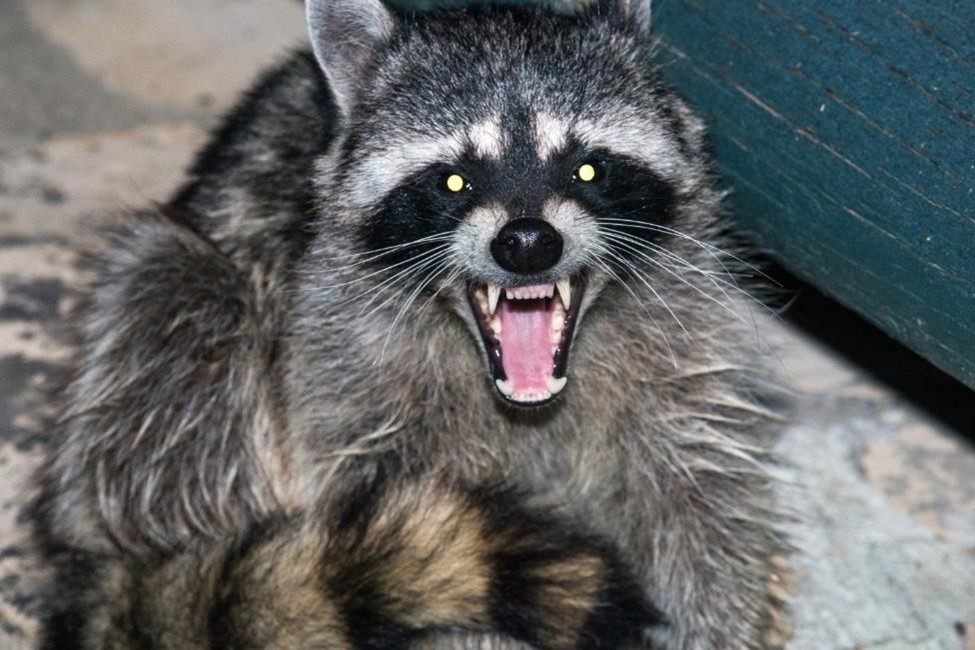
These health risks underscore why public health officials and wildlife agencies strongly discourage the private ownership of raccoons. The potential for disease transmission is not only a danger to the owner but also to family members, other pets, and the broader community, adding another layer of complexity to Florida’s approach to exotic and native pet ownership.
The Ethical Dilemma and Welfare Considerations
Beyond legalities and public health, there’s a significant ethical dimension to consider when it comes to pet raccoons. Raccoons are wild animals, and their welfare in a domestic setting is often compromised, regardless of an owner’s best intentions. This perspective is a crucial element of responsible tourism and living within a community that values its natural heritage.
Undomesticated Nature
Unlike dogs or cats, raccoons have not undergone generations of selective breeding to live harmoniously with humans. They lack the inherent domestication that makes traditional pets suitable companions. Even when raised from a young age, raccoons retain their wild instincts, which can manifest in ways incompatible with a typical household. They are nocturnal, curious, and incredibly destructive. Their strong paws and sharp claws are designed for foraging and climbing in the wild, not for navigating human homes. They will open cabinets, tear up upholstery, and explore every nook and cranny, often causing significant damage.
Their complex social structures and need for vast territories cannot be replicated in a home environment. Confining them, even in large enclosures, can lead to stress, boredom, and behavioral issues. This can result in increased aggression, fear, and a reduced quality of life for the animal. Many “pet” raccoons eventually become too challenging for their owners to handle, leading to abandonment or euthanasia, neither of which is a desirable outcome. The concept of “pet” often projects human desires onto an animal that is fundamentally unsuited for such a role.
Impact on Local Ecosystems
Florida is home to a fragile and diverse ecosystem. The illegal release of unwanted pet raccoons poses a serious threat to this delicate balance. Raccoons released into the wild after being accustomed to humans may struggle to fend for themselves, having lost crucial survival skills. More alarmingly, they can introduce diseases from domestic settings to wild populations, potentially devastating native wildlife. Conversely, they might also carry diseases acquired during their time in captivity that could spread to other wildlife or even humans.
The FWC’s regulations reflect a broader commitment to protecting Florida’s natural heritage. These rules are in place not just for public safety but also to maintain the ecological integrity of the state. For tourists and residents, understanding this commitment to conservation is part of appreciating Florida’s unique character and contributing positively to its future.
Alternatives and Responsible Engagement with Wildlife
For those fascinated by raccoons and other wildlife, there are numerous responsible and ethical ways to appreciate them without attempting to make them pets. Florida offers abundant opportunities for wildlife viewing and education, aligning perfectly with a respectful approach to local culture and environment.
Wildlife Viewing and Sanctuaries
Instead of attempting to own a raccoon, consider visiting one of Florida’s many nature preserves, parks, or wildlife sanctuaries. Places like the Everglades National Park or various state parks offer opportunities to observe raccoons and other native wildlife in their natural habitats from a safe and respectful distance. These experiences provide genuine insights into their behavior and ecological roles without the associated risks or ethical concerns of private ownership.
Many accredited wildlife rehabilitation centers and educational facilities also house raccoons that cannot be returned to the wild due to injury or habituation. Supporting these organizations through donations or volunteering allows individuals to contribute to animal welfare and learn more about these fascinating creatures from experts. This approach ensures that the animals receive proper care and that the public can learn about them responsibly.

Education and Awareness
A crucial tip for anyone visiting or living in Florida is to educate themselves about local wildlife and the importance of respecting their boundaries. Understanding the “Leave No Trace” principles and knowing how to safely observe wildlife without disturbing them is fundamental to being a responsible visitor or resident. Resources from the FWC provide invaluable guidance on coexisting with raccoons and other native species, emphasizing precautions like securing trash cans, not feeding wild animals, and knowing who to contact in case of an injured or distressed animal.
In conclusion, while the idea of a pet raccoon might seem appealing to some, the answer to “Can you have a pet raccoon in Florida?” is complicated by stringent legal requirements, significant public health risks, and profound ethical considerations for animal welfare. The state’s regulations are a testament to its dedication to protecting both its citizens and its precious natural environment. For those who love wildlife, the most responsible and rewarding path lies in appreciating raccoons in their natural setting or supporting organizations dedicated to their care and conservation.
LifeOutOfTheBox is a participant in the Amazon Services LLC Associates Program, an affiliate advertising program designed to provide a means for sites to earn advertising fees by advertising and linking to Amazon.com. Amazon, the Amazon logo, AmazonSupply, and the AmazonSupply logo are trademarks of Amazon.com, Inc. or its affiliates. As an Amazon Associate we earn affiliate commissions from qualifying purchases.