
Navigating the polling booth is a fundamental aspect of civic engagement, and for many, personal expression is an integral part of that experience. In the state of Texas, like many others, questions arise regarding what is permissible when it comes to attire, particularly when it carries political messages. Understanding the regulations surrounding political clothing on Election Day is crucial for ensuring a smooth and lawful voting process. This guide delves into the specifics of Texas law and the common interpretations that shape voter experience at the polls.
Understanding Texas Election Laws on Political Attire
The right to vote is sacred, and so is the right to express oneself. However, the intersection of these two principles, especially in a public setting like a polling place, is often subject to legal frameworks designed to maintain order and prevent undue influence. In Texas, the primary concern for election officials is to ensure that the voting process remains free from coercion or intimidation.

The General Rule: No “Electioneering” Within a Certain Distance
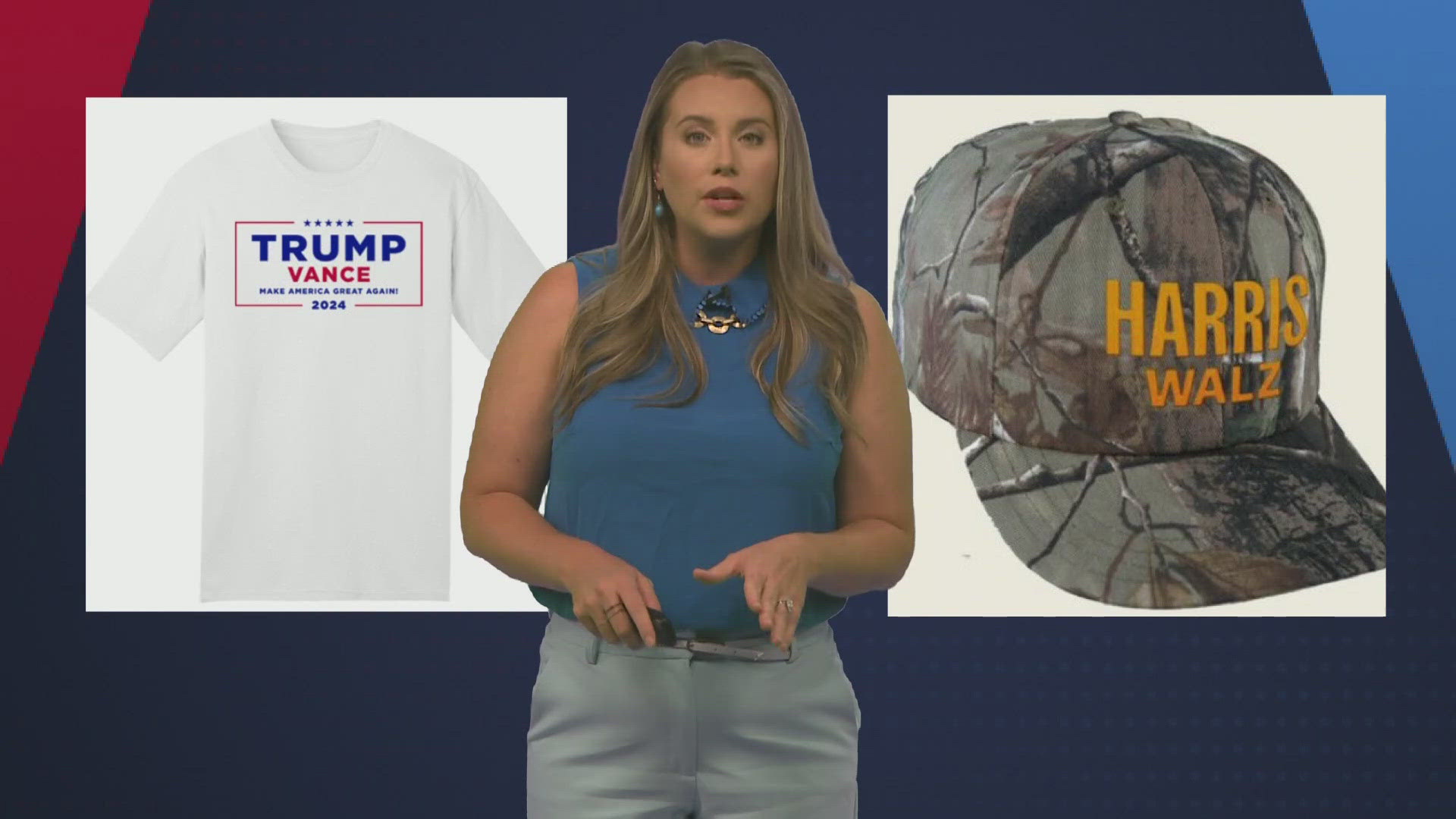
Texas Election Code, specifically Section 253.002, prohibits “electioneering” within 100 feet of a polling place. Electioneering is broadly defined as engaging in any activity intended to influence the outcome of an election. This includes displaying campaign materials, soliciting votes, or wearing clothing that prominently displays partisan messages that could be interpreted as an attempt to sway other voters.
The distance rule is critical. While you are free to wear your preferred political attire as you travel to the polling station, upon entering the 100-foot exclusion zone, the message on your clothing could be deemed an act of electioneering. This is not to say that every t-shirt with a candidate’s name is automatically illegal, but rather that its display within this restricted area is where the scrutiny lies.
What Constitutes “Electioneering” via Clothing?
The interpretation of what constitutes “electioneering” through clothing can be nuanced. Generally, it refers to apparel that:
- Explicitly endorses a candidate or a specific ballot measure: This includes t-shirts, hats, or buttons featuring candidate names, party logos, or slogans directly advocating for or against a proposition.
- Carries overtly partisan political messages: Statements that are clearly designed to persuade undecided voters or rally support for a particular side of a political debate fall into this category.
- Is intended to provoke or intimidate: While less common, clothing with aggressive or inflammatory political messages could be seen as an attempt to disrupt the voting process.
It’s important to note that not all political statements on clothing are prohibited. A shirt with a general statement about a political issue, or one that expresses a philosophical stance without directly naming a candidate or ballot proposition, might be permissible. The key is the intent and the directness of the message in influencing votes within the prohibited zone.
Voter Discretion and Election Official Authority
While the law provides a framework, the practical application often involves the discretion of poll workers and election officials. They are tasked with upholding the integrity of the election and have the authority to ask individuals to cover or remove clothing that is deemed to be in violation of the electioneering statute. This is typically done politely, with the goal of resolving the issue without disrupting the voter’s ability to cast their ballot.
In most instances, if a voter is asked to cover their political attire, they are given the option to do so. This might involve wearing a jacket over a t-shirt or removing a button. If a voter refuses to comply, they could potentially be denied the right to vote at that polling place. However, such a measure is usually a last resort, and officials strive for a peaceful resolution.
Navigating Polling Place Etiquette: Practical Advice
Beyond the strict legalities, there are practical considerations that voters in Texas can take to ensure a positive and compliant voting experience, regardless of their political leanings. The goal is to express your civic duty and your convictions without inadvertently creating an issue.
When in Doubt, Err on the Side of Caution
If you are planning to wear clothing with a political message, consider the nature of the message and its potential impact within the 100-foot boundary of the polling place. Ask yourself:
- Does this message directly advocate for a candidate or ballot measure?
- Could this message be interpreted as an attempt to influence undecided voters?
- Is this message inflammatory or potentially disruptive?
If the answer to any of these questions is a strong “yes,” it might be prudent to choose alternative attire for your trip to the polls. Wearing a neutral outfit or a garment that can easily be covered can prevent any potential misunderstandings.
Covering Up: A Simple Solution
One of the simplest and most effective ways to avoid any issues is to bring a non-political outer layer, such as a jacket or a sweater, to wear over your politically charged clothing once you are close to the polling location. This allows you to express your political views in your personal space and commute, while respecting the election laws at the polling site itself. It’s a small step that demonstrates your commitment to upholding the electoral process.
Focus on the Vote, Not the Statement
While your attire can be a form of personal expression, remember that the primary purpose of being at the polling place is to cast your vote. Focusing on the act of voting, ensuring your ballot is correctly marked, and maintaining a respectful demeanor towards election officials and fellow voters are paramount. Your right to vote is a powerful statement in itself.
The Broader Context: Protecting the Democratic Process
The rules surrounding political clothing at polling places are not designed to stifle free speech but rather to protect the sanctity of the democratic process. The principle of allowing voters to cast their ballot free from pressure, manipulation, or intimidation is a cornerstone of a healthy democracy.
Preventing Undue Influence
The 100-foot rule and the restrictions on electioneering are in place to prevent situations where voters might feel pressured or coerced into voting a certain way. Imagine a scenario where individuals are actively campaigning or displaying overtly partisan messages directly outside the entrance to a polling station. This could create an environment of discomfort and potentially sway the decisions of vulnerable voters. By limiting such activities, Texas aims to ensure that each vote is cast based on an individual’s informed choice, not external pressure.
Maintaining a Neutral and Respectful Environment
Polling places are intended to be neutral zones where every citizen can exercise their right to vote without distraction or intimidation. Political attire, especially if it is aggressive or highly partisan, can inadvertently create a divisive atmosphere. Election officials are trained to manage these spaces to ensure they remain respectful and conducive to the voting process for everyone.
The Role of Non-Partisan Organizations and Election Officials
Organizations like the League of Women Voters often provide non-partisan information about voting rights and procedures. They advocate for clear communication and education to help voters understand the rules. Similarly, election officials at the county and state levels are dedicated to running fair and accessible elections. Their role includes interpreting and enforcing these regulations with fairness and consistency.
Ultimately, the question of whether you can wear political clothing to vote in Texas hinges on a balance between personal expression and the legal requirements designed to safeguard the integrity of the election process. By understanding the laws, exercising good judgment, and being prepared to comply with reasonable requests from election officials, voters can confidently exercise their civic duty while respecting the rules of the polling place. The freedom to vote and the freedom of expression are both vital, and navigating their intersection thoughtfully ensures a stronger democracy for all.
LifeOutOfTheBox is a participant in the Amazon Services LLC Associates Program, an affiliate advertising program designed to provide a means for sites to earn advertising fees by advertising and linking to Amazon.com. Amazon, the Amazon logo, AmazonSupply, and the AmazonSupply logo are trademarks of Amazon.com, Inc. or its affiliates. As an Amazon Associate we earn affiliate commissions from qualifying purchases.