
Florida, widely known as the Sunshine State, conjures images of pristine beaches, vibrant theme parks, and year-round warmth. For many prospective travelers, especially those hailing from colder climates, the idea of snow gracing the palm-lined landscapes of Florida seems almost paradoxical. This prevalent query speaks to the state’s powerful branding as a sun-drenched escape. While the notion of a white Christmas in Florida is largely a whimsical fantasy, the reality is a bit more nuanced than a simple “no.” Understanding Florida’s unique climate zones and historical weather patterns is key to setting appropriate expectations for any visit.

The Sunshine State’s Climate Reality
Florida’s geographic position, almost entirely surrounded by the Atlantic Ocean and the Gulf of Mexico, significantly influences its climate. The state is primarily divided into two major climate zones: subtropical in the northern and central regions, and tropical in the southern parts, including the Florida Keys. This distinction is crucial in understanding the improbability of snow.
Tropical vs. Subtropical Zones
In the tropical zone, which encompasses cities like Miami, Fort Lauderdale, and Key West, temperatures rarely dip below freezing. The presence of the warm waters of the Gulf of Mexico and the Atlantic Ocean acts as a natural insulator, maintaining consistently high temperatures even during winter months. This region is characterized by hot, humid summers and warm, dry winters.
The subtropical zone, stretching from the northernmost reaches of Florida down to areas around Orlando and Tampa, experiences more variability. While still predominantly warm, these areas can see occasional cold fronts, particularly from November through March. These fronts can bring temperatures that drop into the 30s Fahrenheit (around 0-4 degrees Celsius) for brief periods, especially overnight. However, for snow to form and accumulate, a specific set of atmospheric conditions — including freezing temperatures at ground level and throughout the entire column of air where precipitation is falling — must align, a rare occurrence in Florida.
Average Winter Temperatures
Travelers planning a winter escape to Florida can generally expect pleasant, mild weather. In South Florida, average daytime temperatures in January often hover in the low 70s Fahrenheit (21-23°C), with nights in the 50s and 60s (10-18°C). Central Florida, home to popular attractions like Walt Disney World Resort and Universal Studios Florida, typically sees daytime highs in the mid-60s to low 70s (18-23°C) and nighttime lows in the 40s and 50s (4-15°C). The Florida Panhandle, bordering Alabama and Georgia, experiences the coolest winters, with daytime temperatures usually in the 50s and 60s (10-18°C) and nighttime lows frequently dipping into the 30s and 40s (0-10°C). While frost is common in this region during winter, snow remains an anomaly.
Rare Occurrences: When Snow Touches Florida
Despite its reputation, Florida has, on extremely rare occasions, witnessed snowfall. These events are so infrequent and often so fleeting that they become historical footnotes rather than anticipated seasonal phenomena.
Historical Snow Events
The earliest recorded snowfall in Florida dates back to January 1800, affecting parts of the northern region. One of the most significant and widespread snow events occurred on February 13, 1899, during a massive cold wave that swept across the eastern United States. This event brought measurable snow to many parts of the state, with Jacksonville recording 2 inches (5 cm). It remains the deepest snowfall recorded in a major Florida city.
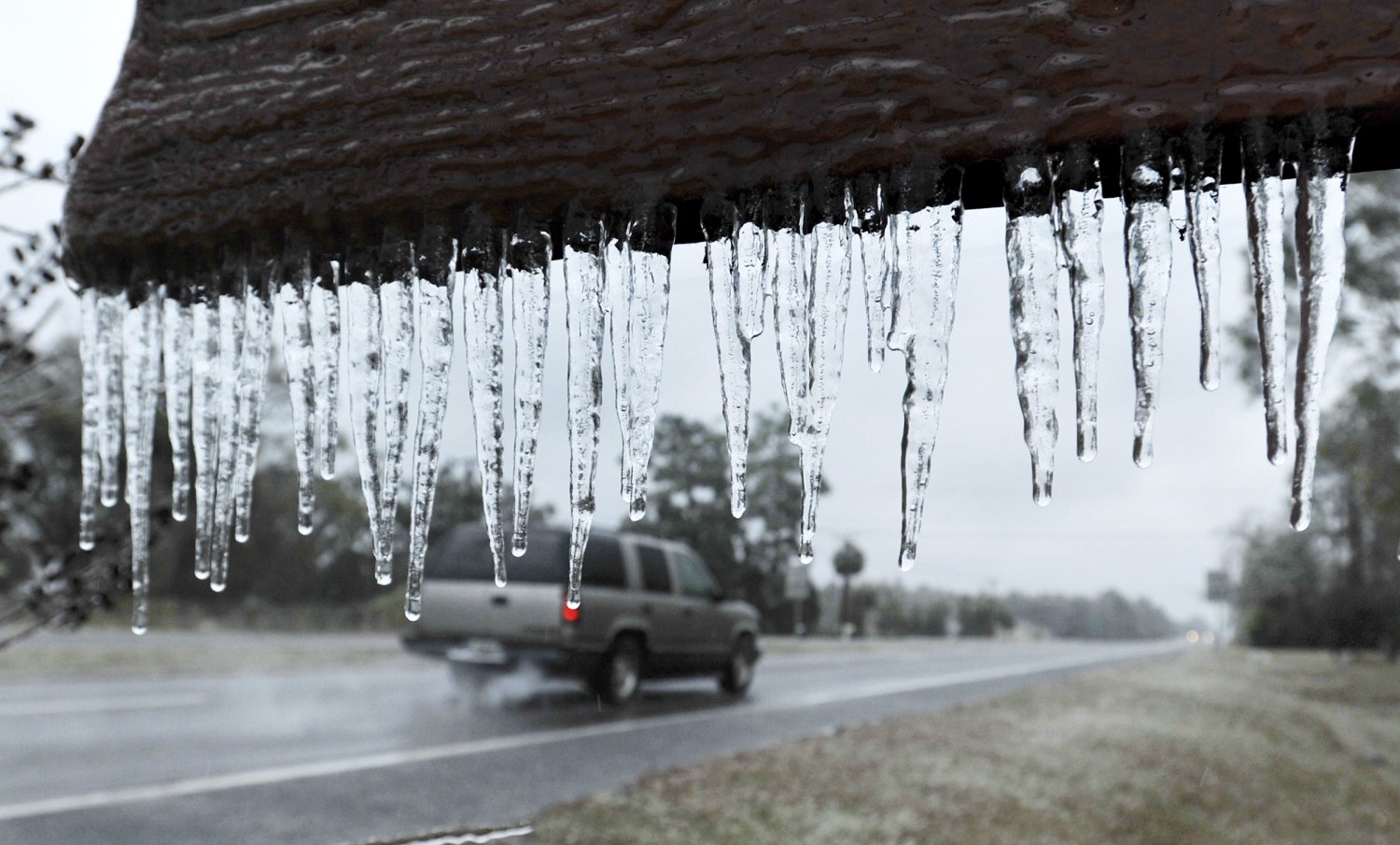
More recently, on January 19, 1977, snow flurries were observed as far south as Miami, marking the first time in recorded history that snow was reported in that tropical city. While it didn’t accumulate, it was a memorable event for residents. Other notable, albeit light, snowfalls have occurred in the northern and central regions, including Orlando and Tampa, in 1989 and early 2018. The 2018 event saw light snow and sleet reported across the Panhandle and northern Florida counties, causing minor disruptions but no significant accumulation.
These events are typically associated with exceptionally strong cold fronts that push unusually far south, combined with just enough moisture in the atmosphere to produce frozen precipitation. The ground temperatures are often too warm for snow to accumulate or persist, leading to quick melting.
Why Travelers Choose Florida in Winter

The absence of snow is precisely why millions flock to Florida during the colder months. For many, it offers a crucial respite from harsh northern winters, providing an opportunity to embrace warmth and outdoor activities when their home regions are blanketed in white.
Escape the Cold
The primary draw for winter travelers is the guaranteed escape from freezing temperatures and heavy snow. Florida’s consistently mild climate allows for comfortable outdoor living throughout the winter. This translates into a more relaxed and enjoyable vacation experience, free from the logistical challenges and discomfort often associated with cold weather travel.
Abundant Outdoor Activities
With pleasant temperatures, Florida’s vast array of outdoor activities remains fully accessible and highly enjoyable. Travelers can spend their days lounging on the sun-drenched beaches of South Beach, Clearwater Beach, or Siesta Key. Golf courses across the state, from Palm Beach to Naples, are in prime condition. Water sports, including kayaking, paddleboarding, and snorkeling in the clear waters of the Florida Keys, remain popular. Nature enthusiasts can explore the unique ecosystems of Everglades National Park or bike along scenic coastal trails. Of course, the world-renowned theme parks like Walt Disney World Resort in Orlando are open year-round, offering an ideal setting for family vacations without the worry of icy conditions.
Seasonal Events and Festivals
Winter in Florida is also a vibrant season for events and festivals. Many cities host art fairs, music festivals, and food extravaganzas that capitalize on the agreeable weather. Miami buzzes with Art Basel and other cultural events, while coastal towns celebrate seafood festivals and boat shows. The holiday season itself is extended with festive light displays and special events at theme parks and local communities. This bustling calendar adds another layer of appeal for winter visitors seeking more than just sunshine.
Planning Your Winter Escape to Florida
For those accustomed to donning heavy coats and boots in winter, packing for a Florida trip requires a different mindset. Planning ahead for the climate ensures a comfortable and enjoyable travel experience.
What to Pack
Despite the general warmth, winter evenings and mornings, particularly in Central and Northern Florida, can be cool. Layers are advisable. Pack light clothing such as shorts, t-shirts, and swimsuits for daytime, but include a light jacket, a sweater, or a cardigan for cooler evenings or air-conditioned indoor venues. Comfortable walking shoes are essential for exploring theme parks or nature trails, and sandals are perfect for beach days. Don’t forget sunscreen, a hat, and sunglasses, as the Florida sun is strong year-round.
Best Time to Visit
The period from November to April is often considered the peak season for travel to Florida, primarily due to the desirable weather. Temperatures are mild, humidity is lower, and the chances of rain are significantly reduced compared to the summer months. December, January, and February offer the coolest and driest conditions. While this also means larger crowds and potentially higher prices, the trade-off for perfect weather is often worth it for many travelers. For those seeking slightly fewer crowds and still pleasant temperatures, late autumn (November) and late spring (April) can be excellent choices.
Popular Destinations for Winter Travel
Almost any part of Florida is appealing in winter, but certain regions stand out. Orlando remains a top choice for families drawn to its world-class theme parks. The South Florida coastline, including Miami, Fort Lauderdale, and Palm Beach, is ideal for beach lovers, luxury travelers, and those seeking vibrant nightlife. The Florida Keys offer a unique island-style escape, perfect for snorkeling, diving, and enjoying a truly tropical atmosphere. For a more relaxed, picturesque experience, the Gulf Coast cities like Sarasota, St. Petersburg, and Naples boast stunning sunsets and calm waters. Even the Panhandle cities like Destin and Panama City Beach, while cooler, offer beautiful white-sand beaches and fewer crowds in winter.
In essence, while the romantic notion of snow in Florida occasionally makes a fleeting appearance in the state’s historical records, it is far from a regular occurrence. Travelers heading to Florida should anticipate abundant sunshine, mild temperatures, and a full calendar of activities, making it an ideal destination for a winter escape from the cold.
LifeOutOfTheBox is a participant in the Amazon Services LLC Associates Program, an affiliate advertising program designed to provide a means for sites to earn advertising fees by advertising and linking to Amazon.com. Amazon, the Amazon logo, AmazonSupply, and the AmazonSupply logo are trademarks of Amazon.com, Inc. or its affiliates. As an Amazon Associate we earn affiliate commissions from qualifying purchases.