
The Vibrant Heart of the Sunshine State: A Demographic Snapshot
Understanding the population of a city like Tampa, Florida, offers travelers crucial context, shaping expectations about the urban landscape, local vibe, and the range of experiences available. While a direct number can be easily cited, the true insight lies in interpreting what those figures mean for a potential visitor. As of recent estimates, the city proper of Tampa hovers around the 390,000 to 400,000 mark. However, this figure tells only part of the story.
The more comprehensive and travel-relevant metric is the Tampa Bay Metropolitan Statistical Area (MSA), often referred to as Greater Tampa Bay. This sprawling region encompasses not just the city of Tampa but also St. Petersburg, Clearwater, and surrounding counties like Pinellas, Hillsborough, Pasco, and Hernando. The population of this broader metropolitan area exceeds 3.1 million residents, making it the second-largest metropolitan area in Florida and a significant economic and cultural hub in the Southeastern United States.

For travelers, this distinction is paramount. Visiting the city of Tampa itself offers a distinct urban experience with concentrated attractions like Ybor City, the Riverwalk, and Downtown Tampa. However, recognizing the vastness of the Tampa Bay Area means understanding that a trip here often involves exploring a dynamic network of interconnected communities, each with its own unique flavor and offerings, from the pristine beaches of the Gulf Coast to the vibrant arts scene of St. Petersburg. This dense population base supports a rich infrastructure of hotels, restaurants, transportation options, and attractions that cater to both residents and millions of annual visitors.
A City on the Rise: Historical Growth and What It Means for Visitors
Tampa’s current population figures are the culmination of a fascinating history of growth, directly impacting its appeal and offerings as a travel destination. From its origins as a military outpost and fishing village, Tampa experienced significant booms driven by various industries. The late 19th and early 20th centuries saw the rise of the cigar industry, fueled by Cuban immigrants who established the iconic Ybor City district. This influx of people laid the foundation for Tampa’s diverse cultural identity, still celebrated today through its unique architecture, culinary traditions, and vibrant street life, making Ybor City a must-visit for history buffs and nightlife seekers alike.
Drivers of Expansion and Their Impact on Today’s Travel Scene
Later, the port’s development as a shipping hub, the establishment of military bases like MacDill Air Force Base, and the ever-present allure of Florida’s warm climate attracted more residents. This continuous influx of people has transformed Tampa into a bustling metropolis, leading to ongoing urban development and the revitalization of key areas.
- Downtown Transformation: The burgeoning population has spurred massive investment in Downtown Tampa. Projects like Water Street Tampa have reshaped the waterfront, bringing new hotels, residential towers, dining establishments, and entertainment venues like Sparkman Wharf. Travelers now find a walkable, dynamic urban core with stunning views of Hillsborough Bay.
- Infrastructure for Tourism: A growing population demands robust infrastructure, which benefits visitors directly. Improved roadways, a modern international airport (Tampa International Airport), and an expanding public transport network (including the free TECO Line Streetcar connecting Downtown and Ybor City) make navigating the city convenient.
- Expansion of Attractions: As the population grew, so did the demand for leisure and entertainment. This directly led to the establishment and expansion of major attractions such as Busch Gardens Tampa Bay, the Florida Aquarium, and the Glazer Children’s Museum, ensuring there’s something for every type of traveler, from thrill-seekers to families.
The city’s historical growth underscores its resilience and adaptability, resulting in a destination that seamlessly blends historic charm with modern amenities.
Diverse Demographics: Reflecting Tampa’s Rich Cultural Tapestry
The demographic composition of Tampa and the broader metropolitan area is a vibrant mosaic, making it an incredibly rich and engaging destination for travelers interested in culture, cuisine, and local experiences. The city’s population is characterized by a significant Hispanic and Latino presence, particularly those of Cuban, Puerto Rican, and Mexican descent, alongside a diverse mix of African American, Asian, and European communities.

Cultural Influences and Visitor Experiences
This melting pot of cultures profoundly shapes the travel experience in Tampa:
- Culinary Landscape: Foodies will rejoice in the authentic and diverse culinary scene. The strong Cuban influence, born from the cigar industry’s early days, is evident in Ybor City’s legendary Cuban sandwiches, “café con leche,” and rich pastries. Beyond Cuban fare, visitors can explore a wide array of Latin American restaurants, from Colombian to Peruvian, alongside Southern comfort food, fresh Gulf Coast seafood, and international haute cuisine, particularly in areas like South Tampa and Downtown.
- Arts and Festivals: The diverse population fuels a thriving arts and culture scene. Institutions like the Tampa Museum of Art and the Straz Center for the Performing Arts offer world-class exhibitions and performances. The city also hosts numerous cultural festivals throughout the year, such as the Gasparilla Pirate Fest, which draws hundreds of thousands and showcases the city’s unique history and celebratory spirit. Other festivals celebrate various heritages, offering travelers a chance to immerse themselves in local traditions and enjoy music, dance, and food.
- Neighborhood Character: Different neighborhoods often reflect their dominant demographic influences. From the historic brick streets of Ybor City to the bohemian vibes of Seminole Heights with its craft breweries and unique eateries, each district offers a distinct atmosphere. Travelers can choose to explore areas that resonate with their interests, whether it’s the historic charm, vibrant nightlife, or family-friendly parks and museums.
The presence of a young, professional demographic, coupled with a significant retiree population, also contributes to a balanced lifestyle, offering everything from trendy rooftop bars to serene waterfront parks and golf courses.
Population and Tampa’s Travel Landscape: What to Expect
The sheer number of people living in and around Tampa inevitably shapes the travel landscape and influences the visitor experience. It contributes to the city’s lively ambiance, the breadth of activities available, and even the pace of life.
Navigating a Bustling Destination
- Vibrant Urban Experience: A large population guarantees a bustling urban environment. Tampa isn’t a sleepy beach town; it’s a dynamic city with a palpable energy. This means a rich selection of shopping districts, from upscale boutiques in Hyde Park Village to sprawling malls. Nightlife thrives, with options ranging from historic pubs in Ybor City to modern cocktail lounges in Downtown Tampa.
- Dining Diversity and Volume: The extensive resident base supports an incredible array of dining options, from Michelin-starred fine dining to casual food trucks. Travelers will find it easy to satisfy any craving, from authentic international cuisine to innovative farm-to-table dishes. However, popular spots, especially during peak season or weekend evenings, often require reservations, a direct consequence of high demand from both locals and tourists.
- Attraction Popularity: Major attractions like Busch Gardens Tampa Bay and the Florida Aquarium are popular with locals and tourists alike. This means crowds, especially during school holidays, spring break, and weekends. Planning visits during off-peak hours or purchasing tickets in advance can significantly enhance the experience. The Riverwalk, a picturesque waterfront promenade, is often bustling with joggers, cyclists, and families enjoying the urban scenery.
- Sports and Entertainment: The large population base also sustains a thriving professional sports scene. Tampa is home to the Tampa Bay Buccaneers (NFL), Tampa Bay Lightning (NHL), and the Tampa Bay Rays (MLB) in nearby St. Petersburg. Attending a game is a quintessential Tampa experience, offering a glimpse into local passion and camaraderie. The presence of major concert venues also ensures a steady stream of top-tier entertainment.
Understanding that Tampa is a dynamic, populous city helps travelers set realistic expectations and make the most of their visit, embracing its vibrant energy rather than being surprised by its bustling nature.
Beyond the Numbers: The Future of Tampa as a Premier Destination
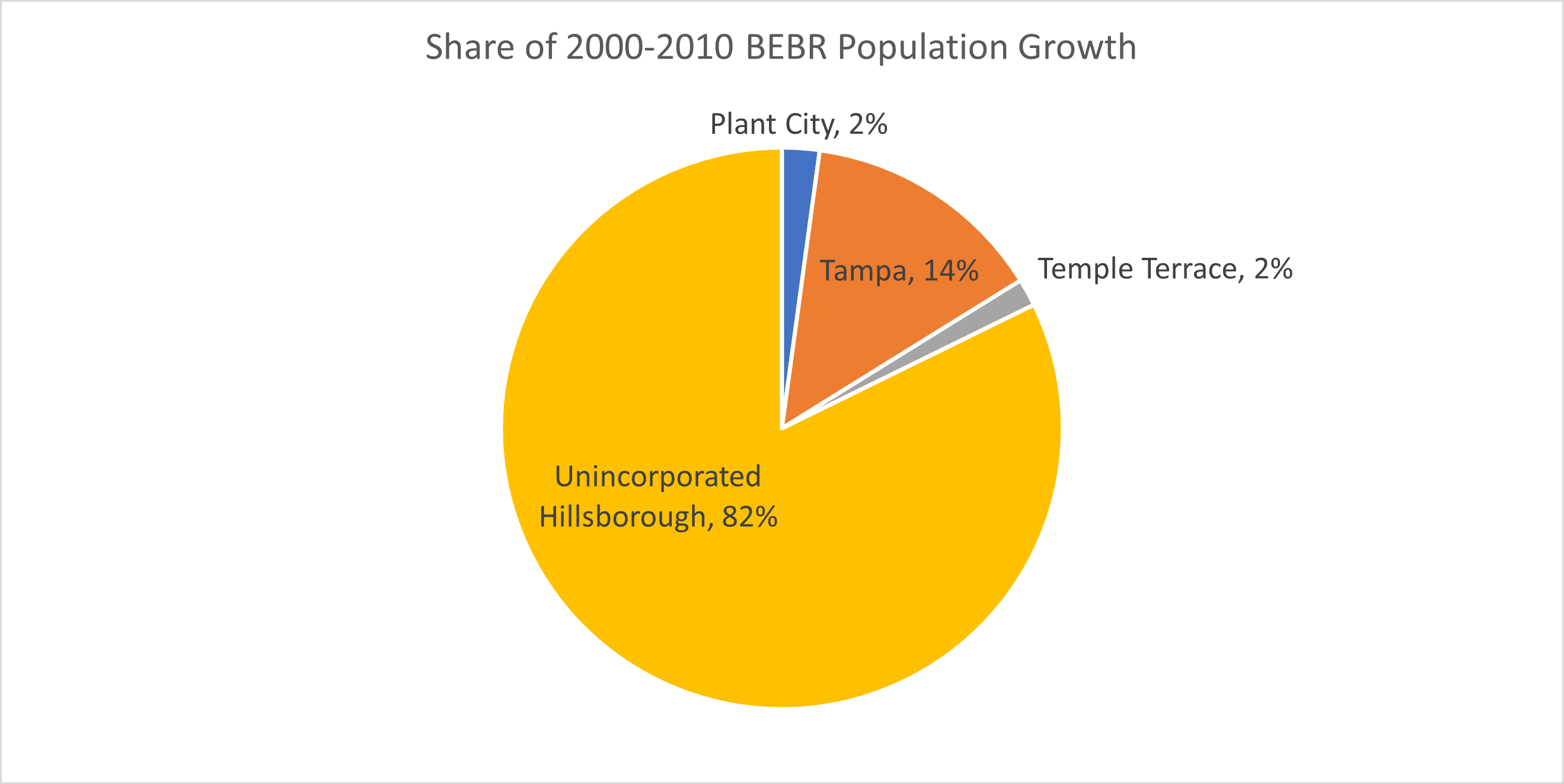
Tampa’s population growth shows no signs of slowing down. Projections consistently indicate continued expansion, driven by Florida’s overall appeal for relocation, a burgeoning job market in sectors like healthcare and technology, and the city’s increasingly attractive quality of life. This ongoing growth is continually reshaping Tampa’s identity and its future as a premier travel destination.
What Future Growth Promises for Travelers
- Continuous Evolution: Expect Tampa to remain a city in motion. Ongoing urban development, particularly around the downtown core and waterfront, will introduce new hotels, restaurants, cultural spaces, and public parks. This means repeat visitors will always find something new to discover.
- Enhanced Connectivity: As the population expands, so too will efforts to improve local transportation. Whether through expanded ferry services, improved streetcar routes, or other innovative solutions, navigating the Tampa Bay Area is likely to become even more seamless for both residents and tourists.
- Diverse Offerings: A growing and increasingly diverse population will continue to enrich Tampa’s cultural fabric. Travelers can anticipate an even broader range of culinary experiences, artistic expressions, and community events that reflect the dynamic demographics of the city.
- Resilience and Innovation: Tampa’s journey from a small port town to a major metropolitan area demonstrates its resilience. This spirit of innovation and adaptation will continue to define its approach to tourism, ensuring that it remains competitive and appealing on the global stage.
In essence, while knowing the precise population number of Tampa provides a baseline, appreciating the magnitude of the Tampa Bay Area’s population and understanding its historical trajectory offers a much richer insight into what makes this Florida gem such a compelling and multifaceted destination for travelers worldwide. It’s a city where historical charm meets modern vibrancy, all fueled by a dynamic and growing community.
LifeOutOfTheBox is a participant in the Amazon Services LLC Associates Program, an affiliate advertising program designed to provide a means for sites to earn advertising fees by advertising and linking to Amazon.com. Amazon, the Amazon logo, AmazonSupply, and the AmazonSupply logo are trademarks of Amazon.com, Inc. or its affiliates. As an Amazon Associate we earn affiliate commissions from qualifying purchases.