
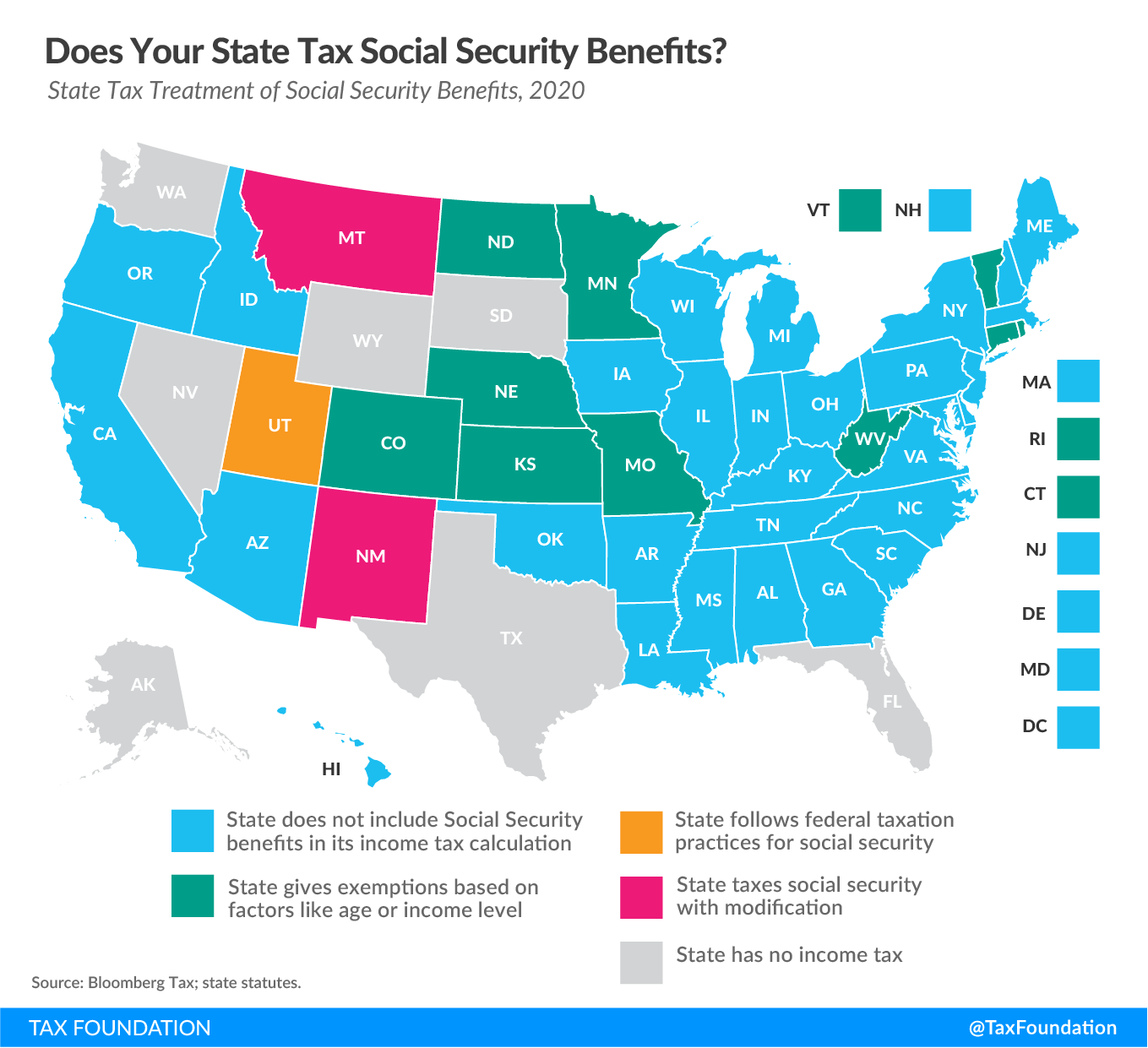
For many individuals planning their retirement or considering a relocation, the financial implications of different state tax policies are a paramount concern. Among the myriad factors influencing such significant lifestyle decisions, how a state handles Social Security benefits can often be a deciding factor. The question, “Does the State of Florida tax Social Security?” is frequently posed by those envisioning a financially secure and enjoyable retirement in the Sunshine State. The answer, which significantly contributes to Florida’s appeal as a retirement haven, is a resounding no. Florida stands out for its particularly favorable tax environment for retirees, a key component of the lifestyle it offers.
Florida’s Favorable Tax Climate for Retirees
The allure of Florida extends far beyond its sun-drenched beaches and vibrant cultural scenes. For many, the financial advantages, particularly for those in their golden years, are equally compelling. The state’s tax structure is designed in a way that significantly benefits retirees, allowing them to stretch their retirement income further and enhance their overall quality of life.
No State Income Tax
Perhaps the most significant financial advantage Florida offers its residents is the absence of a state income tax. This fundamental aspect of Florida’s fiscal policy means that wages, salaries, and, crucially, most forms of retirement income, including Social Security benefits, pensions, and income from IRAs or 401(k)s, are not subject to state-level taxation. This differs markedly from many other states that levy a state income tax, sometimes at progressive rates, on these income streams. For retirees who often rely on a fixed income, keeping more of their earned benefits and savings can make a substantial difference in their day-to-day living and long-term financial planning. This policy fosters a lifestyle where financial stability is more attainable, freeing up resources for leisure, healthcare, or family activities.
Implications for Retirement Income
The absence of a state income tax in Florida directly translates into a higher disposable income for retirees. When considering Social Security benefits specifically, this means that while a portion of these benefits might still be subject to federal income tax depending on your combined income, the state of Florida will not impose any additional tax. This creates a significant advantage when compared to states that tax Social Security benefits at the state level, effectively doubling the tax burden on this critical income source.
This policy empowers retirees to maintain a more comfortable lifestyle. Whether it’s enabling them to afford better healthcare, enjoy more recreational activities, or simply have a larger safety net, the state’s approach to retirement income is a cornerstone of its appeal. It allows residents to maximize their financial resources, supporting a more vibrant and less financially constrained retirement experience. This financial freedom is a core component of the Florida lifestyle, enabling retirees to pursue hobbies, travel, and engage more deeply with their communities without the constant worry of state tax deductions on their essential income.
Understanding Social Security Taxation
Navigating the complexities of Social Security taxation requires distinguishing between federal and state tax obligations. This distinction is vital for anyone planning their financial future, particularly when considering relocation to a state like Florida.
Federal vs. State Taxation
It’s important to understand that while Florida does not tax Social Security benefits, these benefits can still be subject to federal income tax. The federal government has a specific set of rules for taxing Social Security, based on what is known as your “combined income.” Your combined income is calculated by adding your adjusted gross income (AGI), any tax-exempt interest income, and half of your Social Security benefits.
- For individuals: If your combined income is between $25,000 and $34,000, up to 50% of your benefits may be taxable. If your combined income is over $34,000, up to 85% of your benefits may be taxable.
- For couples filing jointly: If your combined income is between $32,000 and $44,000, up to 50% of your benefits may be taxable. If your combined income is over $44,000, up to 85% of your benefits may be taxable.
These federal thresholds and percentages apply universally across the United States, regardless of which state you reside in. Therefore, even if you live in Florida, you will still need to consider your federal tax obligations for Social Security benefits.
How Florida Stands Apart
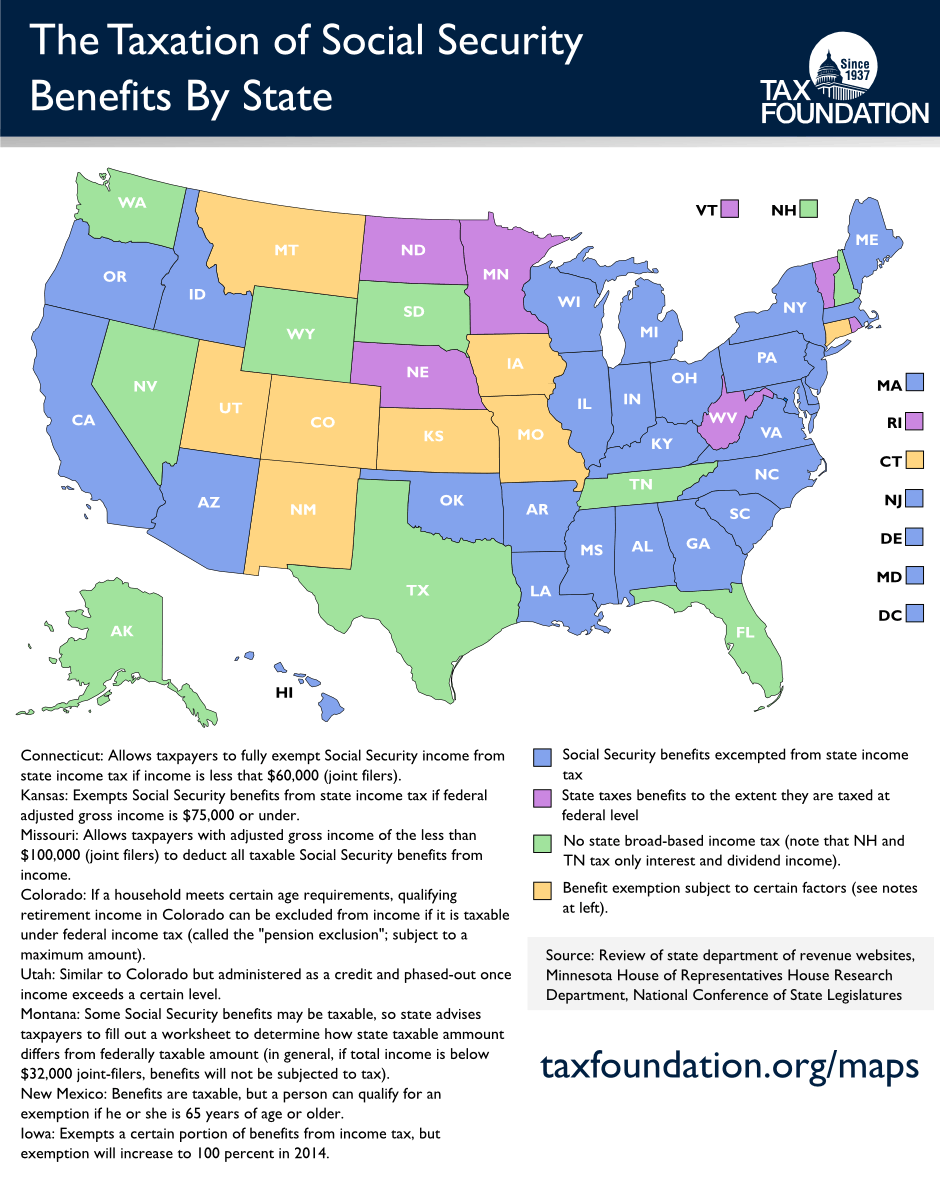
Where Florida truly differentiates itself is by not adding an additional layer of state taxation on top of these federal rules. Many states choose to tax Social Security benefits, sometimes mirroring the federal guidelines or applying their own specific thresholds and rates. This can significantly reduce the net income retirees receive from their benefits, impacting their financial security and daily lifestyle.
Florida is one of the states that falls into the category of not taxing Social Security benefits. This policy decision is a deliberate strategy to attract and retain retirees, recognizing the economic and social contributions of this demographic. By not taxing Social Security, Florida offers a clear financial advantage, allowing retirees to retain more of their income, which can be allocated towards housing, healthcare, leisure activities, or savings. This approach underscores a commitment to fostering a comfortable and financially viable retirement lifestyle for its residents. It’s a key factor influencing the thousands of individuals and couples who choose to make Florida their permanent home each year, drawn by the promise of a fiscally friendly environment.

Beyond Social Security: Other Tax Considerations in Florida
While the favorable treatment of Social Security benefits and the lack of state income tax are major draws, understanding the full tax landscape in Florida requires looking at other levies that can impact a resident’s lifestyle and financial planning. Florida’s overall tax structure is generally considered beneficial for retirees, but it’s essential to be aware of all components.
Property Taxes
Property taxes are a significant consideration for homeowners in Florida. These taxes are assessed at the local level by counties, municipalities, and special districts, meaning rates can vary considerably depending on where you choose to live. For instance, property taxes in a bustling city like Miami might differ from those in a quieter community such as Naples. The assessed value of your home, along with the local millage rates, determines your annual property tax bill.
However, Florida offers several exemptions that can help mitigate this cost, particularly for permanent residents. The most notable is the homestead exemption, which can reduce the taxable value of your primary residence by up to $50,000. Additional exemptions are available for seniors, veterans, and individuals with disabilities, which can further lower property tax burdens. These exemptions are crucial for managing the cost of living and maintaining a comfortable lifestyle, especially for those on a fixed income. Understanding and utilizing these exemptions is a key aspect of smart financial planning for any homeowner in Florida.
Sales Tax
Florida imposes a statewide sales tax of 6% on most goods and services. Local governments also have the option to levy an additional discretionary sales surtax, which can add between 0.5% and 2.5% to the state rate, depending on the county. This means the total sales tax rate you pay can range from 6% to 8.5%. Essential goods like groceries and prescription medications are generally exempt from sales tax, which helps reduce the impact on daily living expenses.
While sales tax is a transactional tax paid on purchases, its impact on lifestyle can be significant, especially for those who frequently make large purchases or have discretionary income for shopping and entertainment. For budget-conscious retirees, factoring in sales tax rates for everyday expenditures and bigger-ticket items is an important part of managing their finances.
Estate and Inheritance Taxes
Another significant advantage for residents of Florida is the absence of state-level estate tax or inheritance tax. This is a critical consideration for individuals focused on estate planning and ensuring their assets are passed on to their heirs without additional state tax burdens. Many other states impose either an estate tax (levied on the deceased person’s estate before distribution) or an inheritance tax (levied on the beneficiaries receiving the inheritance), or both.
Florida’s lack of these taxes aligns with its overall goal of being a tax-friendly state, further enhancing its appeal for those looking to preserve wealth across generations. This policy contributes to a lifestyle of financial peace of mind, knowing that the legacy they build in Florida will be transferred more seamlessly to their loved ones.
Crafting Your Florida Retirement Lifestyle
Choosing Florida for retirement is more than just selecting a new address; it’s an intentional decision to embrace a particular lifestyle. The state’s tax policies, especially regarding Social Security, play a pivotal role in shaping this experience, offering both financial freedom and peace of mind.
Financial Planning and Budgeting
The favorable tax environment in Florida provides a solid foundation for robust financial planning. With no state income tax, and specifically no tax on Social Security benefits, retirees can accurately project their disposable income, leading to more predictable budgeting. This clarity allows for more effective allocation of funds towards housing, healthcare, leisure activities, and unexpected expenses. For instance, having a larger portion of one’s Social Security income intact means more resources for exploring the cultural offerings in Sarasota, enjoying the theme parks in Orlando, or simply relaxing on the beaches of St. Petersburg.
Prospective residents are encouraged to work with financial advisors who specialize in retirement planning to create a comprehensive budget that accounts for Florida’s specific tax structure, property tax exemptions, and cost of living variations across different cities like Tampa or Jacksonville. Understanding how federal taxes interact with state benefits, combined with careful consideration of sales and property taxes, ensures that retirees can maximize their financial well-being and live the lifestyle they envision without undue financial stress.
The Overall Appeal of the Sunshine State
Ultimately, Florida’s tax advantages contribute significantly to its overall appeal as a premier retirement destination. The combination of no state income tax, no state tax on Social Security or other retirement income, and the absence of estate and inheritance taxes creates an environment where retirement savings go further. This financial freedom, coupled with the state’s natural beauty, warm climate, diverse cultural attractions, and abundant recreational opportunities, forms a compelling package for those seeking an active and fulfilling post-career life.
From the vibrant arts scene in Fort Lauderdale to the serene natural springs of Central Florida, the lifestyle options are endless and more accessible thanks to prudent financial planning made easier by the state’s tax policies. Choosing Florida means choosing a lifestyle where you can truly enjoy the fruits of your labor, immerse yourself in new experiences, and cultivate a sense of community, all while retaining more of your hard-earned benefits. The answer to whether Florida taxes Social Security isn’t just a simple “no”; it’s an affirmation of a lifestyle designed for financial comfort and enjoyment in retirement.
LifeOutOfTheBox is a participant in the Amazon Services LLC Associates Program, an affiliate advertising program designed to provide a means for sites to earn advertising fees by advertising and linking to Amazon.com. Amazon, the Amazon logo, AmazonSupply, and the AmazonSupply logo are trademarks of Amazon.com, Inc. or its affiliates. As an Amazon Associate we earn affiliate commissions from qualifying purchases.