
For many aspiring entrepreneurs and small business owners in the Golden State, obtaining a resale license—formally known as a California Seller’s Permit—is a crucial first step toward legitimizing their venture. Whether you’re an artist selling prints, a vintage dealer sourcing unique items, or a boutique owner curating a collection, understanding this process is fundamental to operating legally and successfully in California. This permit isn’t merely a piece of paper; it’s your gateway to purchasing goods tax-free for resale, collecting sales tax, and demonstrating your commitment to responsible business practices within your chosen lifestyle.
Understanding the California Seller’s Permit: A Foundation for Your Entrepreneurial Lifestyle
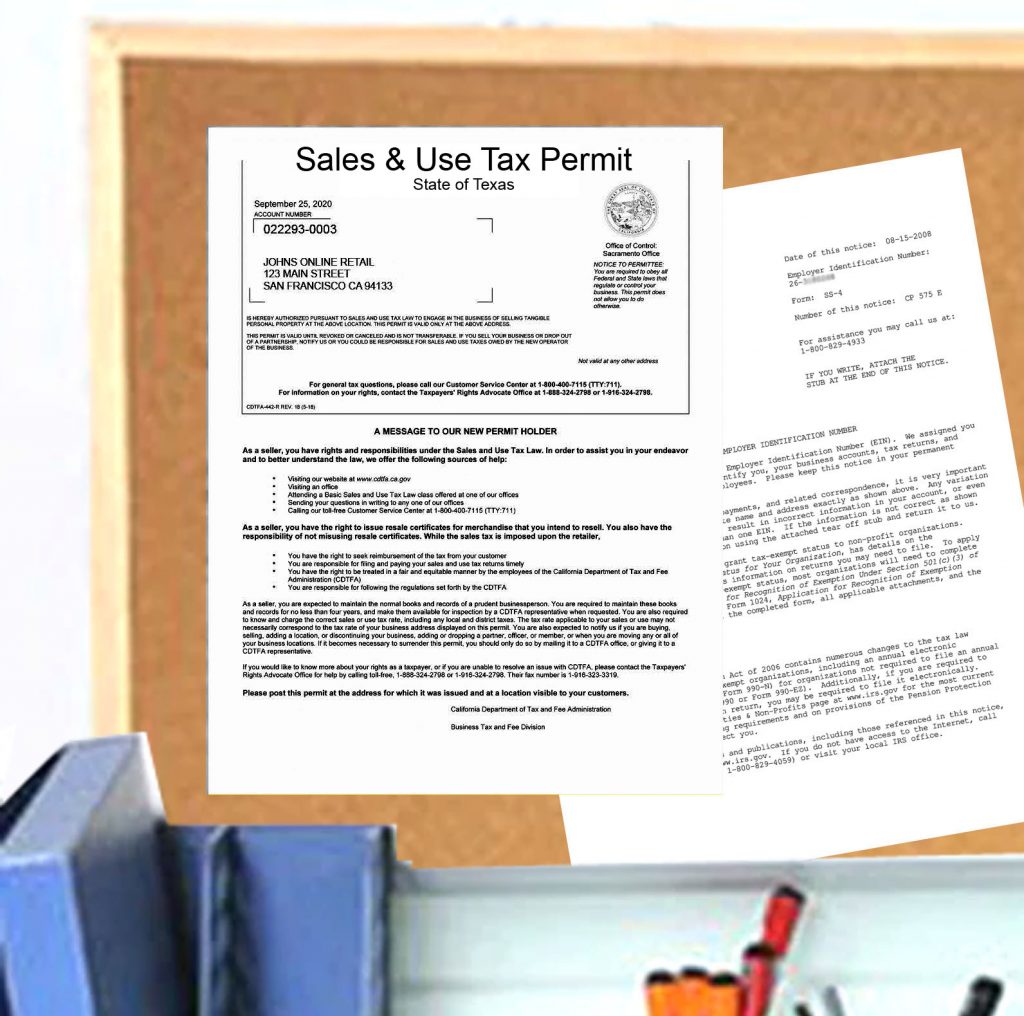
The California Seller’s Permit is issued by the California Department of Tax and Fee Administration (CDTFA). It allows businesses to collect sales tax from customers and then remit that tax to the state. More importantly for resellers, it permits the purchase of inventory intended for resale without paying sales tax at the time of purchase. This tax exemption is vital for maintaining healthy profit margins and operating competitively. Without a permit, you would pay sales tax twice: once when you buy the item and again when your customer pays you.
What is a Resale License (Seller’s Permit)?
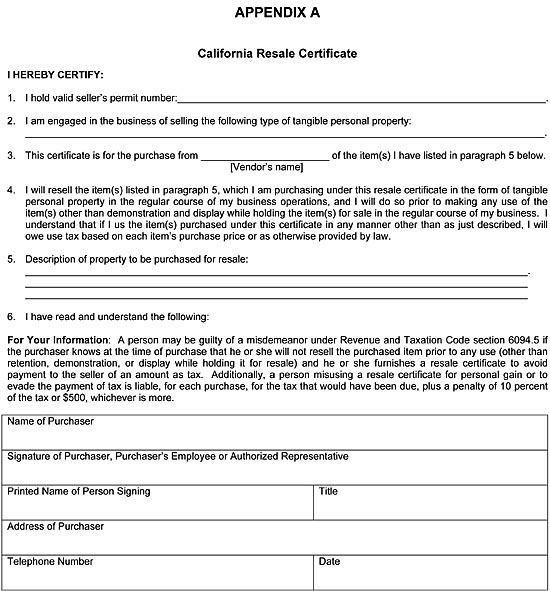
A resale license is essentially a formal registration with the state that acknowledges your business’s intent to sell tangible personal property. It’s distinct from a general business license, which is often required by cities or counties for operating within their jurisdiction. The Seller’s Permit specifically deals with sales tax collection and remittance. It enables you to issue a resale certificate to your suppliers, affirming that the goods you are purchasing are for subsequent resale and are therefore exempt from sales tax at that transaction point. This is a cornerstone for any lifestyle business that involves buying and selling products, from online storefronts to brick-and-mortar boutiques.
Who Needs One?
Anyone who sells or leases tangible personal property in California, whether as a temporary vendor or a permanent establishment, generally needs a Seller’s Permit. This applies to a vast array of businesses and entrepreneurial endeavors:
- Retailers: Shops, boutiques, online stores, pop-up shops.
- Wholesalers: Businesses selling to other businesses for resale.
- Crafters and Artists: Those selling handmade goods at markets, fairs, or online.
- Service Providers: If your service involves selling or leasing tangible personal property (e.g., a salon selling hair products, a repair shop selling parts).
- Temporary Sellers: Even if you only sell for a few days at an event, you might need a temporary permit.
There are some exceptions, such as services that do not involve selling tangible goods, or certain tax-exempt organizations. However, for the vast majority of individuals looking to build a business around selling products, a permit is a non-negotiable requirement. Embracing this requirement is part of cultivating a responsible and sustainable entrepreneurial lifestyle.
Benefits Beyond Legal Compliance
While legal compliance is the primary driver, obtaining your Seller’s Permit offers several practical advantages. It signals to suppliers that you are a legitimate business, potentially opening doors to wholesale accounts, better pricing, and more reliable inventory sourcing. It also streamlines your accounting by clarifying which purchases are for resale and thus tax-exempt. From a lifestyle perspective, having this permit offers peace of mind, allowing you to focus on growing your brand and serving your customers without the lingering worry of non-compliance issues.
Navigating the Application Process: Your Roadmap to Legitimate Resale
The application process for a California Seller’s Permit is surprisingly straightforward, thanks to the robust online services provided by the CDTFA. Most applicants can complete the entire process within an hour.
Gathering Necessary Information
Before you begin the online application, ensure you have the following information readily available. This preparation will make the process smooth and efficient:
- Business Name and Address: Your legal business name (if different from your personal name) and the physical address where you conduct business in California. If you operate from home, that will be your business address.
- Type of Business: Sole proprietorship, partnership, corporation, LLC, etc.
- Federal Employer Identification Number (FEIN): If you have employees or operate as a corporation/LLC/partnership. Sole proprietors using their Social Security Number (SSN) do not need an FEIN.
- Social Security Number (SSN): For sole proprietors or individuals applying.
- Bank Account Information: For potential future electronic tax payments.
- Contact Information: Phone number and email address.
- Expected Monthly Sales Volume: An estimate helps the CDTFA determine your filing frequency (e.g., quarterly, monthly).
- Start Date of Business: The date you began or intend to begin selling.
- Names and SSNs of Partners/Corporate Officers: If applicable.
Having these details on hand prevents delays and frustration, allowing you to quickly move forward with establishing your entrepreneurial endeavor.
Online Application via CDTFA
The most common and recommended method for applying is online through the CDTFA website. The site is user-friendly and guides you through each step.
- Visit the CDTFA Website: Navigate to the CDTFA’s official website and look for the “Register a New Business Activity” or “Apply for a Seller’s Permit” section.
- Create an Account (if new): If you don’t already have an account, you’ll need to create one. This account will be used for managing your permit and filing subsequent sales tax returns.
- Complete the Application Form: Fill out all required fields accurately. Be prepared to provide details about your business type, the nature of your products, and your estimated sales. The system will prompt you for all the information gathered in the previous step.
- Review and Submit: Double-check all information before submitting. Errors can cause delays.
- Receive Your Permit: In most cases, if the application is complete and accurate, you will receive a temporary permit number immediately. The official permit, along with your filing schedule and detailed instructions, will typically be mailed to you within a few weeks. Some businesses may require a security deposit, depending on their financial history or estimated sales volume, though this is not common for small startups.
In-Person or Mail Application
While the online method is preferred for its speed and convenience, you can also apply in person at one of the CDTFA field offices located across California (e.g., in Sacramento, Los Angeles, San Francisco). This might be useful if you have complex questions or prefer direct assistance. Alternatively, you can download the application form (Form CDTFA-400-SPA) from the CDTFA website and mail it in, though this option will naturally have a longer processing time. For those embracing a dynamic, independent lifestyle, the online application aligns perfectly with efficiency and self-management.
Sustaining Your Business: Ongoing Responsibilities and Compliance
Obtaining your Seller’s Permit is the initial step; maintaining compliance is an ongoing commitment crucial for the long-term health of your business and a stress-free entrepreneurial lifestyle.
Collecting and Remitting Sales Tax
Once you have your permit, you are legally obligated to collect sales tax from your customers on all taxable sales of tangible personal property. The sales tax rate varies by location in California, consisting of a statewide rate plus any local district taxes. The CDTFA website provides a helpful lookup tool to determine the correct rate for your business address and for sales made to different locations.
You will be assigned a filing frequency (e.g., quarterly, monthly, annually) based on your estimated sales tax liability. It is imperative to file your returns and remit the collected tax by the due dates. Late filing or payment can result in penalties and interest. Most businesses find it easiest to file and pay electronically through their CDTFA online account.
Record-Keeping Essentials
Accurate and thorough record-keeping is not just good business practice; it’s a legal requirement. You must maintain records of all sales, purchases (especially those made with a resale certificate), deductions, and exemptions for at least four years. These records are vital in case of an audit by the CDTFA. Essential records include:
- Sales invoices, receipts, and cash register tapes.
- Purchase invoices, especially those where you used a resale certificate.
- Resale certificates issued to your suppliers and received from customers (if you sell to other businesses for resale).
- Records of tax-exempt sales.
Good record-keeping practices simplify your tax filing process and provide a clear financial picture of your business, which is invaluable for strategic planning in your entrepreneurial journey.
Renewals and Updates
Unlike some other business licenses, the California Seller’s Permit does not typically “expire” in the traditional sense, unless it’s a temporary permit. However, it’s crucial to keep your business information updated with the CDTFA. If you change your business address, name, ownership, or cease operations, you must notify the CDTFA promptly. This ensures that you receive important communications and remain in good standing with the state. Neglecting to update your information can lead to complications, including receiving notices at an old address or failing to properly close out an account, which can generate unnecessary penalties.
Avoiding Hurdles and Maximizing Opportunities: Expert Insights for Resellers
While the process is straightforward, some common misconceptions and pitfalls can trip up new business owners. Being aware of these can save you time, money, and stress, allowing you to focus on the enjoyable aspects of your chosen lifestyle.
Misclassifying Your Business
One common error is misjudging whether your sales are taxable. Generally, sales of tangible personal property are taxable, while most services are not. However, if a service involves creating or selling a tangible product, it often becomes taxable. For example, a graphic designer selling prints of their work needs a permit, but one only offering design services may not. Always err on the side of caution and consult the CDTFA or a tax professional if unsure. Getting this right from the start is key to long-term compliance and avoiding future issues.
Understanding Exemptions
Not all sales are subject to sales tax. Understanding common exemptions can help your business. These include:
- Sales for Resale: As discussed, when you sell to another business that will resell the item, you do not collect sales tax if they provide a valid resale certificate.
- Sales to Government Agencies: Sales to federal, state, and local government entities are generally exempt.
- Sales to Certain Non-Profit Organizations: Some qualified non-profit organizations may be exempt.
- Out-of-State Sales: If you ship goods to a buyer outside California, these sales are typically not subject to California sales tax. However, you might have nexus in the buyer’s state and need to collect their state’s sales tax, a complex topic known as “economic nexus.”
Being familiar with these exemptions ensures you’re collecting tax appropriately and not overcharging or undercharging customers.
Leveraging Resources
The CDTFA offers a wealth of resources, including publications, guides, and workshops, all accessible online. Don’t hesitate to utilize these tools. Additionally, connecting with local small business development centers (SBDCs) or professional accountants can provide invaluable guidance, not just for tax compliance but for broader business strategy and growth. These resources are designed to support your entrepreneurial journey and empower you to navigate the complexities of running a business within your lifestyle.
Beyond the Permit: Cultivating a Thriving California Business
While the Seller’s Permit is a critical component, it’s just one piece of the larger puzzle of establishing a successful business in California. For those embracing an entrepreneurial lifestyle, a holistic approach to business planning is essential.
Business Licenses and Permits
Remember that a Seller’s Permit is a state-level tax permit. You will likely need additional licenses and permits at the federal, state, county, and city levels depending on your specific business activity and location. This could include a general business license from your city, specific permits for health and safety, zoning permits, or professional licenses. Researching these requirements early in your planning process is vital to avoid fines and ensure full compliance. A quick search on your city’s official website or contacting your local chamber of commerce can often point you in the right direction.
Business Structures
The legal structure of your business (sole proprietorship, partnership, LLC, corporation) impacts your liability, tax obligations, and administrative burden. While a sole proprietorship is often the simplest to start (and what many initial Seller’s Permit applicants choose), carefully considering the implications of each structure for your personal liability and future growth is crucial. Consulting with an attorney or accountant can help you choose the best structure to align with your business goals and personal risk tolerance, protecting your lifestyle as your business expands.

Financial Planning and Growth
Beyond initial compliance, effective financial management is the bedrock of a thriving business. This includes:
- Budgeting: Understanding your startup costs and ongoing operational expenses.
- Pricing Strategy: Setting prices that cover costs, contribute to profit, and are competitive.
- Cash Flow Management: Ensuring you have enough liquid funds to meet obligations.
- Profit Reinvestment: Strategically using profits to fuel growth and innovation.
For those pursuing an independent or entrepreneurial lifestyle, robust financial planning ensures not only the survival of the business but also its ability to provide a sustainable income and contribute positively to your chosen way of life. By diligently obtaining your California Seller’s Permit and integrating it into comprehensive business planning, you lay a strong foundation for long-term success in the dynamic California market.
LifeOutOfTheBox is a participant in the Amazon Services LLC Associates Program, an affiliate advertising program designed to provide a means for sites to earn advertising fees by advertising and linking to Amazon.com. Amazon, the Amazon logo, AmazonSupply, and the AmazonSupply logo are trademarks of Amazon.com, Inc. or its affiliates. As an Amazon Associate we earn affiliate commissions from qualifying purchases.