
Navigating the complexities of mental health crises for a loved one can be one of life’s most challenging experiences. In Florida, a specific legal provision known as the Baker Act (officially the Florida Mental Health Act, Florida Statute 394.451) allows for involuntary examination of individuals who meet certain criteria. Understanding this act is crucial for anyone whose lifestyle in Florida, whether as a permanent resident or a seasonal visitor, involves caring for family, friends, or even community members who might face such an emergency. This insight is not merely legal knowledge; it’s a vital component of maintaining a secure and supportive lifestyle for everyone involved.
Understanding the Florida Baker Act: A Lifestyle Imperative
For many in Florida, the term “Baker Act” carries significant weight, often associated with moments of profound crisis. It’s a measure designed to provide immediate intervention and evaluation when an individual’s mental state poses a serious risk. Understanding its purpose and application is fundamental, not just for legal professionals, but for anyone looking to navigate the challenging landscape of mental health support within their own lifestyle and community in cities from Miami to Jacksonville.
What is the Baker Act?
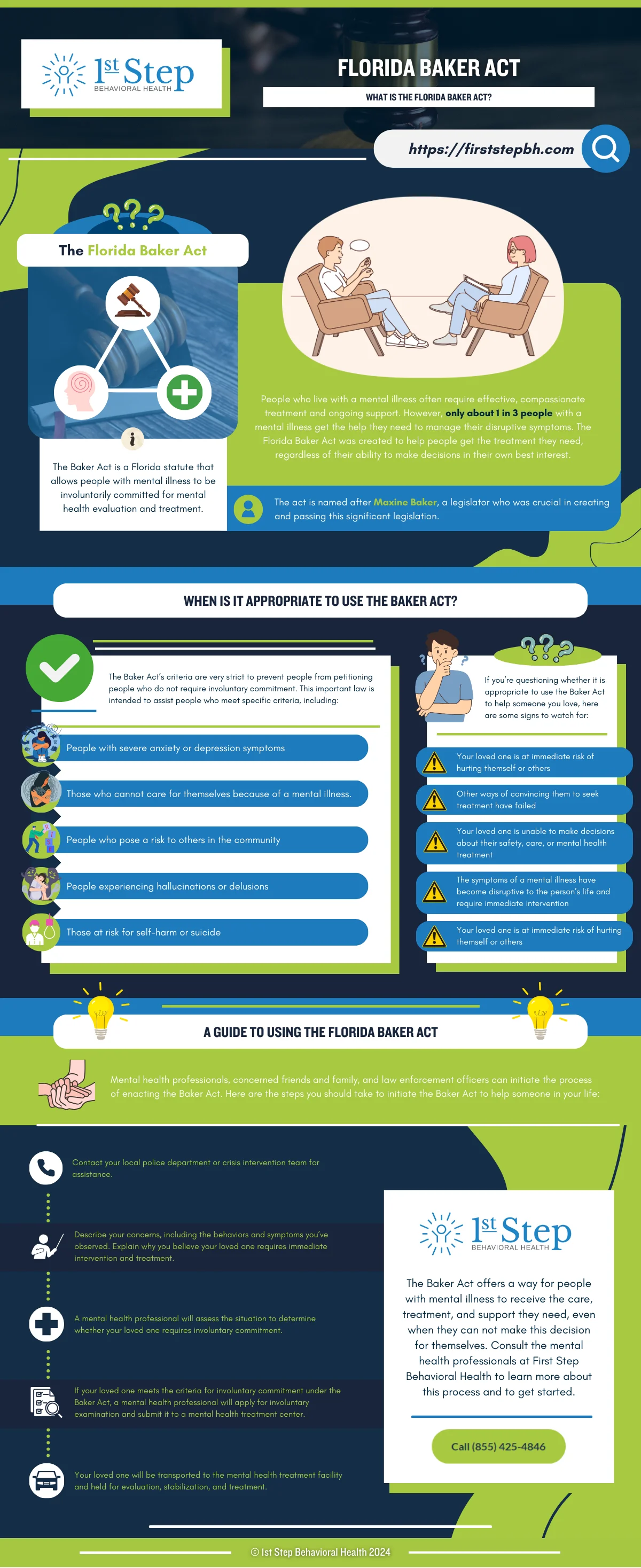
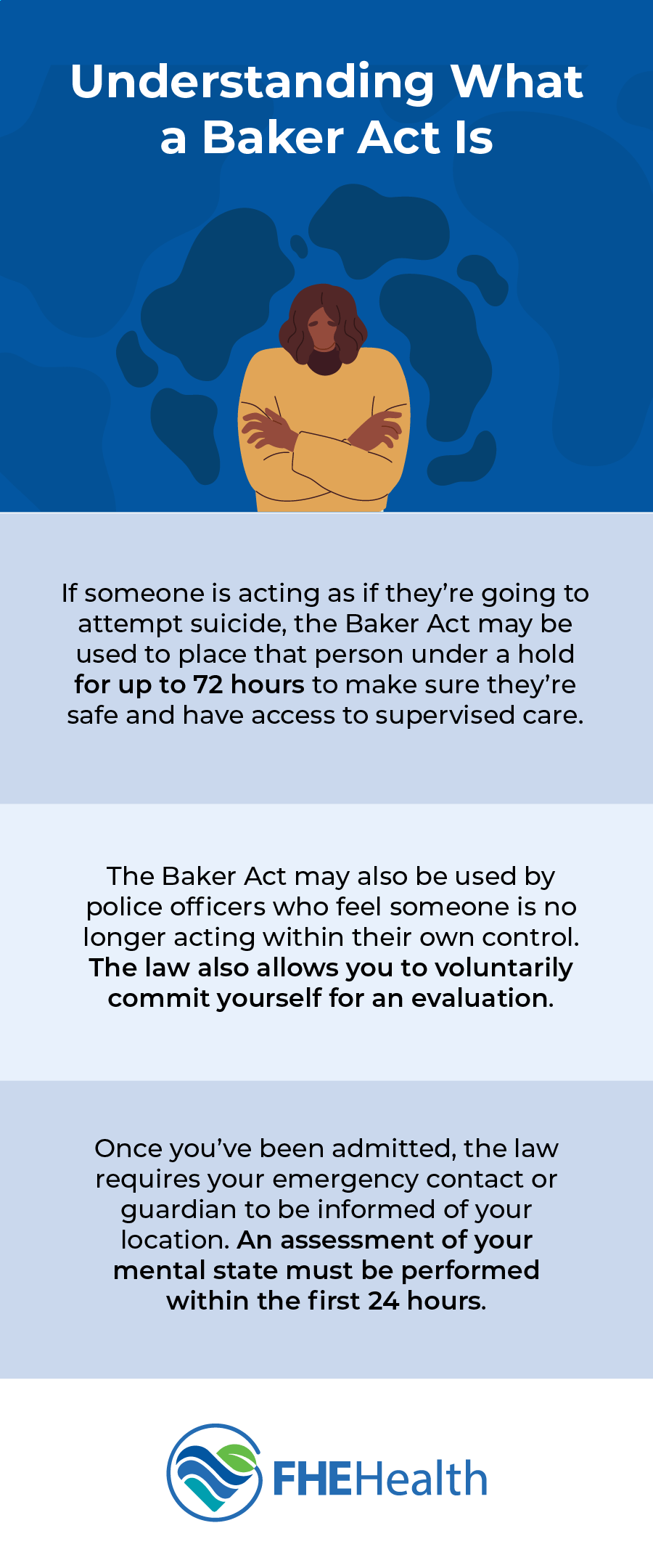
The Baker Act is a Florida law that allows for the involuntary examination of an individual who appears to have a mental illness and, because of that illness, poses a danger to themselves or others, or is severely neglected or impaired to the point of being unable to care for themselves. It’s important to clarify that the Baker Act is not an indefinite commitment but rather a temporary measure, allowing for a maximum of 72 hours for a professional mental health evaluation. This period is designed to assess the individual’s condition and determine the most appropriate course of action, whether it’s voluntary treatment, further involuntary commitment, or release.
When Does the Baker Act Apply?
The Baker Act applies in situations where an individual’s behavior strongly indicates a severe mental health crisis that cannot be resolved through voluntary means. This is often a last resort, employed when all other attempts to engage the individual in voluntary care have failed or are not possible due to the immediacy and severity of the threat. For families and caregivers, recognizing these situations is a critical, albeit difficult, aspect of managing their lifestyle and responsibilities. Living in diverse communities like Orlando or Tampa, individuals may encounter a wide range of needs, making this knowledge broadly relevant.
The Criteria for Involuntary Examination
Initiating a Baker Act is a serious step, grounded in specific legal criteria designed to protect individual liberties while ensuring public safety and well-being. Understanding these criteria is paramount before considering this option for someone in your life. The law specifically outlines conditions that must be met for an involuntary examination to proceed.
Risk of Harm
The most common criterion involves a clear and present risk of harm. This means the individual, due to mental illness, is perceived to be:
- A danger to self: This could manifest as suicidal ideation, self-mutilation, or severe self-neglect that poses a substantial risk of serious bodily harm or death. For instance, someone refusing essential medication to the point of severe physical deterioration, or actively planning suicide, would fall under this category.
- A danger to others: This includes threats of violence, aggressive behavior, or actual violence towards others. The threat must be credible and directly linked to their mental state.
- Seriously neglecting themselves: This criterion applies when an individual’s mental illness prevents them from providing for their basic needs, such as food, clothing, shelter, or medical care, and there is no willing and able third party to assist them, leading to a substantial likelihood of serious bodily harm or death.
Refusal or Inability to Seek Voluntary Help
A crucial aspect of the Baker Act is that it is typically reserved for situations where the individual is unwilling or unable to consent to voluntary mental health treatment. If a person is open to seeking help and can make informed decisions about their care, even if they are struggling, the Baker Act is usually not appropriate. The core idea is that the person’s judgment is so impaired by their mental illness that they cannot make sound decisions regarding their own safety or the safety of others.
Initiating a Baker Act: Steps and Responsibilities
When faced with a situation that seems to meet the Baker Act criteria, knowing the proper channels for intervention is essential. This is not a process to be taken lightly, and it typically involves trained professionals.
Who Can Initiate?
There are three primary ways a Baker Act can be initiated:
- Court Order: A judge can issue an order for involuntary examination based on sworn testimony or evidence provided by individuals who have observed the person’s behavior. This is often the path taken by concerned family members or friends who petition the court.
- Law Enforcement Officer: Police officers, sheriff’s deputies, or other authorized law enforcement personnel can take an individual into custody for involuntary examination if they observe behavior that meets the criteria in the field. This is a common method for immediate intervention during a crisis.
- Physician, Clinical Psychologist, Psychiatrist, or Psychiatric Nurse: These mental health professionals can execute a certificate for involuntary examination if, after personal examination, they determine the criteria are met. This is often done in emergency rooms or private practices when a patient presents with acute symptoms.

The Role of Law Enforcement and Mental Health Professionals
In most urgent situations, law enforcement is the first point of contact. They are trained to assess immediate threats and safely transport individuals to designated Baker Act receiving facilities. These facilities are typically hospitals or specialized mental health centers equipped to provide the initial evaluation. Once at a facility, mental health professionals take over the assessment process. Their role is to conduct a thorough examination, including psychological assessments, medical evaluations, and interviews, to determine the individual’s mental state and the necessity of continued involuntary hold or treatment.
The Examination Process
During the 72-hour period (which includes weekends and holidays), the individual undergoes a comprehensive examination. This involves:
- Medical Screening: To rule out any physical health issues causing the symptoms.
- Psychiatric Evaluation: To diagnose any mental illness and assess the severity of symptoms.
- Risk Assessment: To determine the immediate and ongoing danger the individual poses to themselves or others.
- Treatment Planning: Based on the evaluation, a recommendation for further care is developed.
Families often play a critical role during this time, providing collateral information that can help professionals understand the individual’s baseline behavior, history, and triggers.
After the Initial Examination: Outcomes and Considerations for Your Lifestyle
The 72-hour involuntary examination period concludes with one of several outcomes, each having significant implications for the individual’s well-being and the lifestyle of their support system.
Voluntary Admission
If, after the initial examination, the individual is deemed to have the capacity to make informed decisions and agrees to treatment, they may be admitted voluntarily to a mental health facility. This is often the preferred outcome, as voluntary engagement typically leads to more positive long-term results. The transition to voluntary care reflects a critical shift towards an empowered and engaged approach to mental health management.
Continued Involuntary Commitment
Should the mental health professionals determine that the individual still meets the Baker Act criteria—meaning they continue to pose a danger or cannot care for themselves, and are unwilling or unable to consent to voluntary treatment—they may petition the court for an involuntary inpatient placement. This extends the commitment for a longer, court-ordered period, during which intensive treatment and stabilization efforts are pursued. This legal process ensures that decisions about an individual’s freedom are made with judicial oversight, balancing the need for care with civil liberties.
Release
If the examining professionals conclude that the individual no longer meets the criteria for involuntary commitment (i.e., they are no longer a danger to themselves or others, and can care for themselves), they will be released. This outcome underscores the temporary nature of the Baker Act, emphasizing its role as a crisis intervention tool rather than a long-term solution without ongoing justification. Often, release is accompanied by recommendations for outpatient treatment, support groups, or other community resources to help the individual maintain their mental health in their daily lifestyle.
Navigating Support Systems
Regardless of the outcome, navigating the aftermath of a Baker Act can be emotionally taxing for everyone involved. For family and friends, understanding available support systems is crucial. This might include family therapy, support groups for caregivers, or connecting with local mental health advocacy organizations. These resources can provide guidance, emotional support, and practical advice for incorporating mental health care into the family’s broader lifestyle, whether they reside in Tallahassee or St.-Petersburg.
Protecting Your Lifestyle and Well-being: Prevention and Resources
While the Baker Act is a critical tool for crisis intervention, the ultimate goal for many is to prevent such crises from escalating to that point. Adopting a proactive lifestyle that prioritizes mental well-being and early intervention can significantly reduce the likelihood of needing involuntary examination.
For individuals and families in Florida, this involves:
- Promoting open communication about mental health within the family and community.
- Educating oneself and loved ones about the signs and symptoms of mental illness.
- Accessing mental health resources early, such as therapy, counseling, or psychiatric care, before a crisis develops.
- Developing a crisis plan that outlines steps to take and contacts to make if a mental health emergency arises.
- Connecting with community support groups like the National Alliance on Mental Illness (NAMI) Florida, which offer invaluable information and support for individuals and families impacted by mental illness.
Understanding “How Can I Baker Act Someone In Florida?” is more than just learning a legal procedure; it’s about equipping oneself with the knowledge to respond responsibly and compassionately during a mental health crisis. It’s an essential part of fostering a supportive and resilient lifestyle, ensuring that individuals receive the care they need while upholding their dignity and rights within the vibrant communities across the state.
LifeOutOfTheBox is a participant in the Amazon Services LLC Associates Program, an affiliate advertising program designed to provide a means for sites to earn advertising fees by advertising and linking to Amazon.com. Amazon, the Amazon logo, AmazonSupply, and the AmazonSupply logo are trademarks of Amazon.com, Inc. or its affiliates. As an Amazon Associate we earn affiliate commissions from qualifying purchases.