
The question of when slavery was abolished in Mississippi is complex, deeply intertwined with the tumultuous era of the American Civil War and its aftermath. While a singular date might suggest a clear-cut end, the reality was a protracted process marked by legal pronouncements, military actions, and evolving social landscapes. To understand the abolition of slavery in Mississippi, one must examine the key turning points that dismantled this abhorrent institution within the state’s borders.
The Shadow of Secession and the Declaration of War
Mississippi, like many Southern states, seceded from the Union in January 1861, largely driven by the desire to preserve the institution of slavery. The state’s economy and social structure were inextricably linked to enslaved labor. As a result, during the initial years of the Civil War, slavery remained firmly entrenched in Mississippi. The Confederate government, of which Mississippi was a part, actively defended the right to own slaves, viewing it as fundamental to their way of life.

Economic Dependence on Enslaved Labor
The agrarian economy of Mississippi was heavily reliant on the cultivation of cash crops, primarily cotton. This system demanded a vast labor force, which was supplied by enslaved people. The wealth of many planters and the state’s overall economic output were directly proportional to the number of enslaved individuals they controlled. This economic dependency created a powerful resistance to any notion of emancipation, both before and during the early stages of the war.
The Emancipation Proclamation’s Limited Reach
A significant legal and moral turning point in the struggle against slavery was the Emancipation Proclamation, issued by President Abraham Lincoln. However, its immediate impact on Mississippi was nuanced. The Proclamation, effective January 1, 1863, declared that all enslaved people in Confederate-held territory were to be freed. Crucially, it did not apply to areas already under Union control or to border states that remained loyal to the Union.
The Proclamation’s Practical Application in Mississippi
Given that Mississippi was entirely within Confederate territory during the early part of 1863, the Emancipation Proclamation did not instantly liberate all enslaved individuals in the state. Its effectiveness was contingent upon the advance of Union military forces. As Union armies penetrated deeper into Mississippi, enslaved people in those areas gained their freedom, often fleeing plantations to join Union lines or seeking refuge in liberated zones. This was a slow and uneven process, heavily dependent on military strategy and battlefield success.
The Surrender and the Thirteenth Amendment
The official end of the American Civil War in April 1865, following the surrender of Confederate General Robert E. Lee at Appomattox Court House, marked the beginning of the end for slavery across the South. While the Emancipation Proclamation had declared freedom for many, the complete and legal abolition of slavery nationwide required a constitutional amendment.
Military Occupation and its Impact
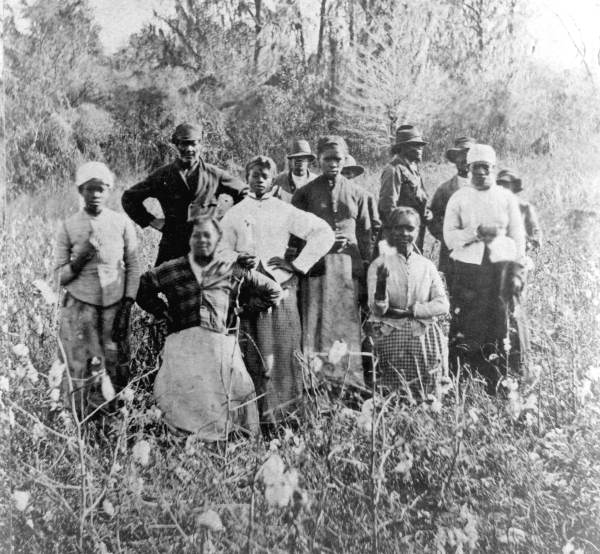
With the collapse of the Confederacy, Union military forces occupied Mississippi and other former Confederate states. This military presence was instrumental in enforcing the provisions of the Emancipation Proclamation and ensuring that enslaved people were not re-enslaved. Provisional governments, established under Union authority, began to dismantle the legal framework of slavery.
The Thirteenth Amendment: The Definitive Abolition
The most definitive legal end to slavery in Mississippi, and indeed throughout the entire United States, came with the ratification of the Thirteenth Amendment to the U.S. Constitution. Proposed by Congress in 1865, the amendment explicitly outlawed slavery and involuntary servitude, except as punishment for a crime.
Mississippi’s Ratification of the Thirteenth Amendment
Mississippi, under Reconstruction governance, ratified the Thirteenth Amendment on December 2, 1865. This act officially and legally abolished slavery within the state, bringing a formal conclusion to over two centuries of this brutal institution. The ratification by Mississippi was a crucial step in solidifying the end of slavery nationwide, making it a constitutional reality.
The Lingering Legacy and the Path Forward
While the Thirteenth Amendment marked the legal end of slavery in Mississippi, the institution left an indelible and painful mark on the state’s history and society. The economic, social, and psychological ramifications of slavery continued to shape Mississippi for generations.
The Reconstruction Era and its Challenges
The period immediately following the Civil War was known as Reconstruction. During this time, efforts were made to rebuild the South and integrate newly freed African Americans into society. However, Reconstruction in Mississippi and across the South was fraught with challenges, including resistance from former Confederates, political turmoil, and the rise of discriminatory laws.
The Establishment of New Labor Systems
Even after the legal abolition of slavery, many former slaveholders sought to maintain control over Black labor. This led to the development of new labor systems, such as sharecropping and tenant farming, which often trapped African Americans in cycles of debt and poverty, perpetuating many of the inequalities that existed under slavery.

Historical Memory and Tourism
Understanding when slavery was abolished in Mississippi is crucial for appreciating the state’s complex history. Many historic sites and museums across Mississippi now serve as poignant reminders of this past, offering educational experiences and opportunities for reflection. These landmarks, such as antebellum plantations and Civil War battlefields, contribute to a deeper understanding of the struggles and triumphs of the era. Visiting these places can provide invaluable insights into the human cost of slavery and the long road to freedom and civil rights. The narrative of Mississippi’s journey from a slave state to a state grappling with its legacy is a vital part of its cultural landscape and a significant draw for those interested in American history.
LifeOutOfTheBox is a participant in the Amazon Services LLC Associates Program, an affiliate advertising program designed to provide a means for sites to earn advertising fees by advertising and linking to Amazon.com. Amazon, the Amazon logo, AmazonSupply, and the AmazonSupply logo are trademarks of Amazon.com, Inc. or its affiliates. As an Amazon Associate we earn affiliate commissions from qualifying purchases.