
Navigating the landscape of medical cannabis can seem daunting, especially with varying regulations across states. For those residing in or considering a move to Florida, understanding the precise steps to obtain a medical marijuana card is a crucial aspect of managing personal health and wellness within the state’s legal framework. This guide offers a comprehensive, insightful look into the process, ensuring individuals can confidently access the medical support they need.
Understanding Florida’s Medical Marijuana Program
Florida’s journey with medical marijuana began with the Compassionate Use Act of 2014, which was later expanded significantly by Amendment 2 in 2016, establishing a comprehensive medical marijuana program. Administered by the Office of Medical Marijuana Use (OMMU) under the Florida Department of Health, the program aims to provide qualifying patients with safe access to cannabis for therapeutic purposes. Understanding the foundational elements of this program is the first step toward obtaining your card.
Eligibility Requirements
To be eligible for a medical marijuana card in Florida, an individual must meet several key criteria. Primarily, you must be a permanent or seasonal resident of Florida. A permanent resident is someone who has established a domicile in Florida and intends to make it their primary residence. A seasonal resident is someone who lives in Florida for at least 31 consecutive days in a calendar year, maintains a temporary residence, returns to a permanent residence elsewhere at least once during the year, and registers to vote or pays income tax in another state. Proof of residency, such as a Florida driver’s license or state ID, along with other supporting documents like utility bills or property deeds, will be required.
Beyond residency, patients must be diagnosed with at least one qualifying medical condition by a state-licensed physician who is qualified to order medical marijuana. This physician must also determine that the potential benefits of medical marijuana treatment outweigh the health risks for the patient. For minors, additional steps are required, including two qualified physicians diagnosing the patient with a qualifying medical condition and a parent or legal guardian providing consent and acting as the patient’s caregiver.
Qualifying Conditions
Florida law explicitly lists a range of debilitating medical conditions that qualify a patient for medical marijuana use. These conditions are critically important as they form the medical basis for your application. The current list of qualifying conditions includes:
- Cancer
- Epilepsy
- Glaucoma
- HIV/AIDS
- Post-traumatic Stress Disorder (PTSD)
- Amyotrophic Lateral Sclerosis (ALS)
- Crohn’s Disease
- Parkinson’s Disease
- Multiple Sclerosis
Additionally, patients suffering from “medical conditions of the same kind or class as or comparable to” those listed, or “a terminal condition diagnosed by a physician other than the qualified physician issuing the physician certification,” may also qualify. Chronic nonmalignant pain, defined as pain that is caused by a qualifying medical condition or that originates from a qualifying medical condition and persists beyond the usual course of that qualifying medical condition, is also a qualifying condition. This broad definition allows for physician discretion, making the initial consultation with a qualified medical marijuana doctor paramount.
The Step-by-Step Application Process
Once you have confirmed your eligibility and a qualifying condition, the practical steps to obtain your card involve several key stages, each requiring attention to detail and adherence to OMMU guidelines.
Finding a Qualified Physician
The cornerstone of the application process is finding a physician certified by the state of Florida to recommend medical marijuana. These physicians have completed specific training and registration with the state to be able to enter patient information into the Medical Marijuana Use Registry. It’s crucial to select a doctor experienced in cannabinoid medicine who can provide an informed assessment of your condition and guide you through the treatment options. Many clinics specialize in medical marijuana certifications, and a quick search online can help you locate qualified physicians in your area. Ensure the physician you choose is registered with the OMMU by checking the state’s public registry of qualified physicians.
The Initial Consultation
Your first appointment with a qualified physician is a comprehensive medical evaluation. You will need to bring all relevant medical records pertaining to your qualifying condition, which may include diagnostic tests, treatment histories, and current medication lists. The physician will review your medical history, perform a physical examination, and discuss your symptoms and how they impact your quality of life. During this consultation, the doctor will determine if medical marijuana is an appropriate treatment for your condition, assessing the potential benefits versus risks. This is also an opportunity to discuss different cannabis delivery methods (e.g., oils, edibles, vapes, flower) and strains. The physician must establish a legitimate doctor-patient relationship and, according to Florida Statute 381.986, must have seen the patient for at least three months, unless the patient is terminally ill, before issuing an initial certification.
Physician Recommendation and Registry Entry
If the physician determines that you qualify for medical marijuana, they will enter your information into the Medical Marijuana Use Registry (MMUR). This entry includes your qualifying condition, recommended cannabis products, dosages, and the physician’s certification. The physician’s certification is valid for a maximum of 210 days (approximately seven months), after which you will need to have a follow-up visit and obtain a new certification for renewal purposes. Once your information is in the registry, you can proceed with your application to the state.
Submitting Your Application to the State
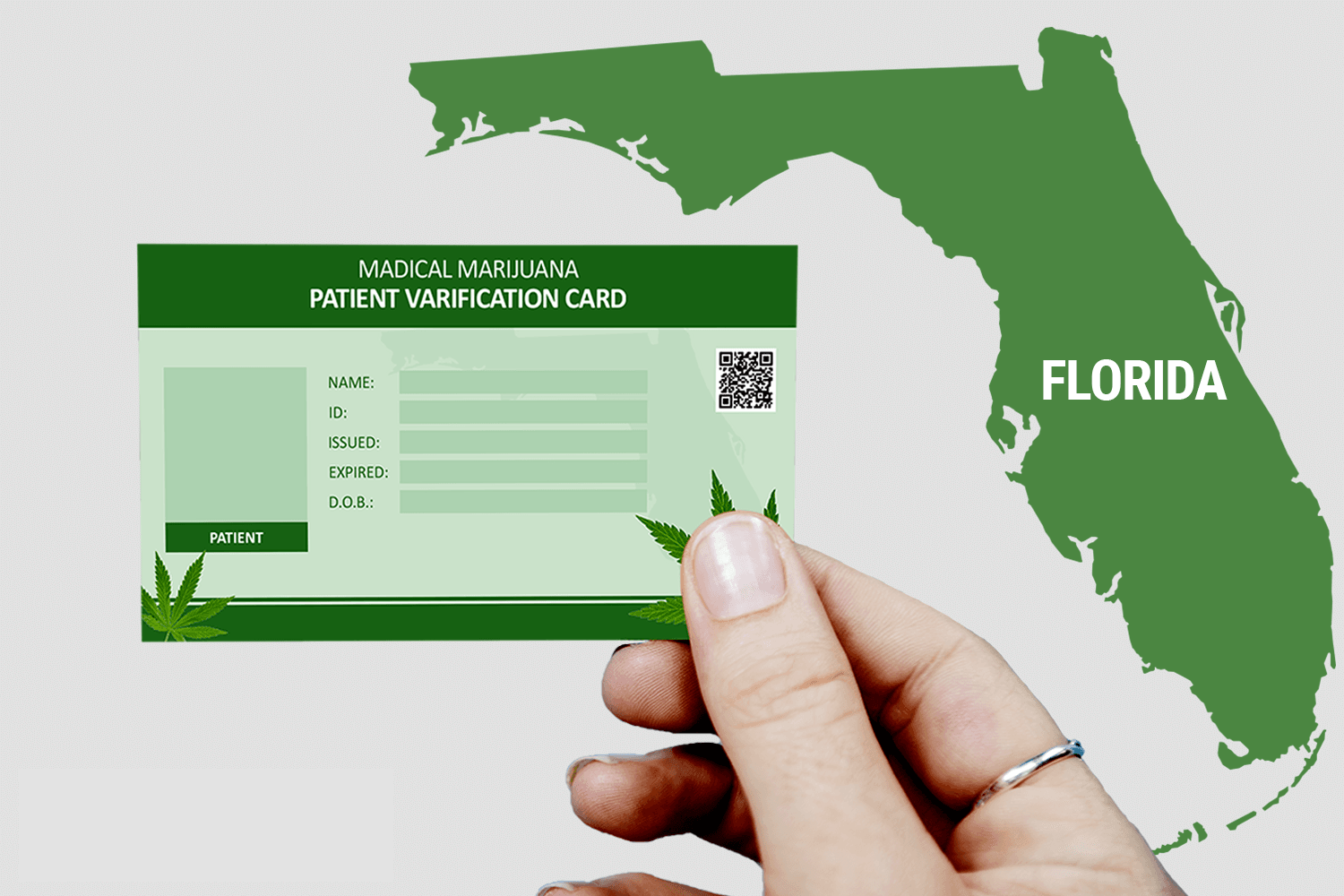
After your physician has entered your information into the MMUR, you can submit your application for the Medical Marijuana Use Registry Identification Card to the OMMU. The application can be completed online or by mail.
Online Application (Recommended):
This is generally the fastest method. You will need:
- Your patient ID number (provided by your physician after registry entry).
- A digital passport-style photo taken within the last 90 days.
- Proof of Florida residency (e.g., copy of your Florida driver’s license or state ID).
- The application fee ($75, subject to change) payable by credit or debit card.
Mail-In Application:
You can download the application form from the OMMU website. Along with the completed form, you will need to include:
- A passport-style photo.
- Copies of your proof of Florida residency.
- A check or money order for the application fee ($75, subject to change).
Ensure all information is accurate and matches the details provided by your physician in the MMUR to avoid delays.
What to Expect After Application
Once your application is submitted, there’s a waiting period as the OMMU reviews your submission. Understanding this phase helps manage expectations.
Application Review and Approval
The OMMU typically processes online applications faster than mailed ones. The state has 10 business days to approve or deny an application once it is deemed “complete.” An application is considered complete when all required documentation and fees have been received. If any information is missing or incorrect, the OMMU will notify you, and the 10-business-day clock will restart once the corrected information is received. You can check the status of your application online through the MMUR portal.
Receiving Your Card
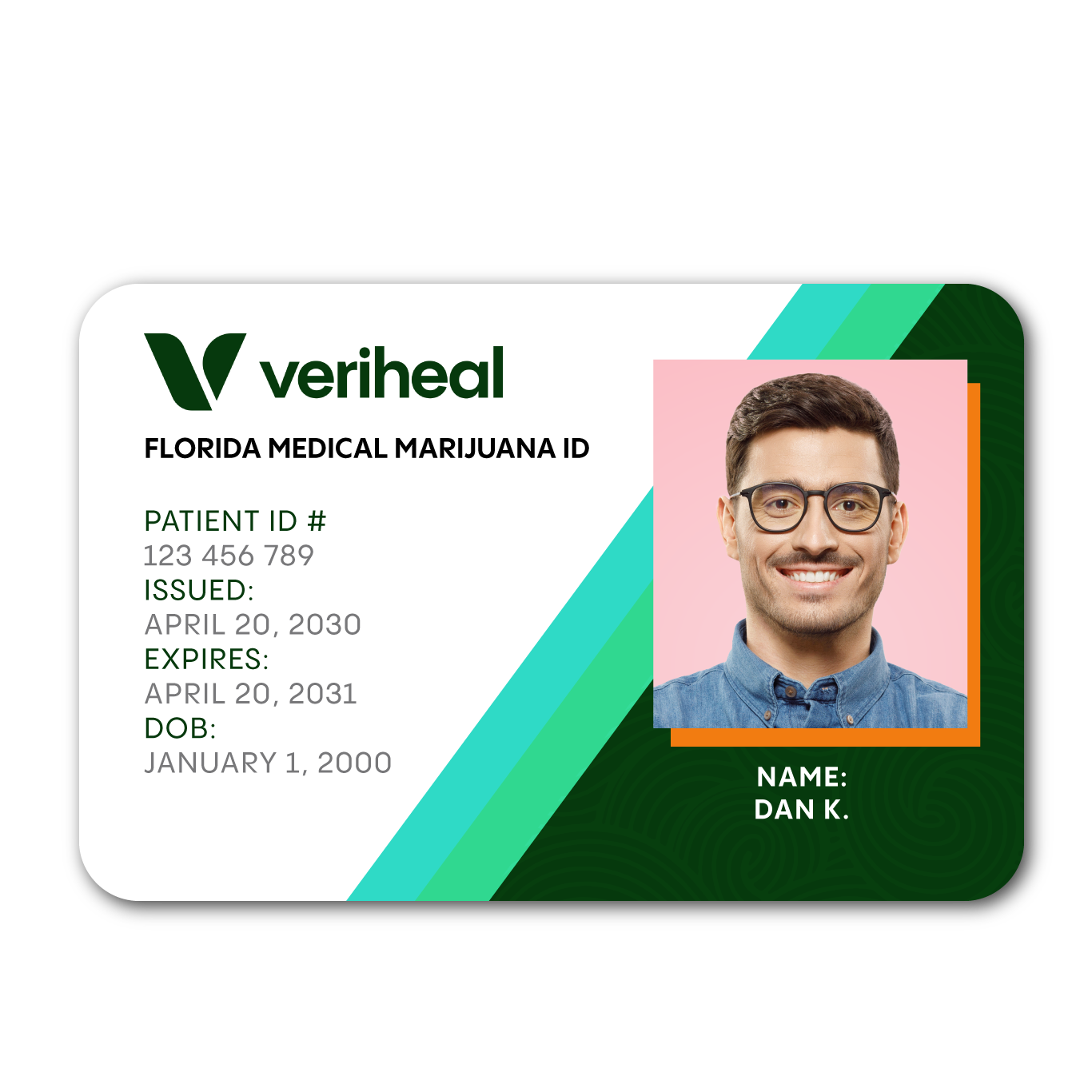
Upon approval, you will receive an email confirmation that includes a temporary digital identification card. This temporary card allows you to immediately begin purchasing medical marijuana from licensed dispensing organizations while you await your physical card. The physical card is typically mailed within a few weeks of approval. Keep your temporary digital card accessible, as dispensing organizations will need to verify your identity and approval status. The physical card will include your photo, patient ID number, and expiration date.
Navigating Your Medical Marijuana Use in Florida
With your medical marijuana card in hand, you can now legally access cannabis products. However, it’s important to understand the legal framework and practicalities of use within Florida.
Dispensing Organizations
Medical marijuana in Florida can only be purchased from state-licensed Medical Marijuana Treatment Centers (MMTCs), also known as dispensing organizations or dispensaries. These MMTCs are vertically integrated, meaning they cultivate, process, and dispense medical cannabis. You can find a list of approved MMTCs and their locations on the OMMU website. When visiting a dispensary, you must present your physical or temporary medical marijuana card and a valid photo ID. Dispensaries track purchases through the MMUR to ensure patients do not exceed their prescribed limits.
Product Types and Dosage
Florida’s program allows for a variety of medical marijuana products, including low-THC cannabis, full-strength cannabis, and cannabis delivery devices. Products available include oils, capsules, edibles, tinctures, topicals, vape products, and whole flower (for vaporization only). The specific type, dosage, and recommended routes of administration will be determined by your qualified physician and entered into your certification in the MMUR. It’s crucial to adhere to these recommendations and consult with your physician or a dispensary pharmacist if you have questions about your treatment plan or product selection.
Legal Protections and Responsibilities
Having a medical marijuana card in Florida provides certain legal protections under state law. It protects qualifying patients from state-level criminal penalties for possessing and using medical cannabis according to the regulations. However, it is essential to remember that cannabis remains federally illegal. This means protections do not extend to federal lands or property. Furthermore, smoking medical marijuana in public places is generally prohibited, and employers are not required to accommodate the medical use of marijuana in the workplace. Traveling with medical marijuana across state lines is also illegal. Always be aware of your rights and responsibilities to ensure compliance with both state and local laws.
Renewing Your Florida Medical Marijuana Card
The medical marijuana card is not a one-time acquisition; it requires regular renewal to remain valid. Staying on top of the renewal process ensures uninterrupted access to your medicine.
Physician Follow-ups
Your physician’s certification, which is entered into the MMUR, is valid for a maximum of 210 days. To maintain an active certification, you must schedule follow-up appointments with your qualified physician before your current certification expires. During these visits, the physician will re-evaluate your condition, assess the effectiveness of your treatment, and issue a new certification, updating your details in the registry. These regular check-ups are vital for ensuring your treatment plan remains appropriate and effective.

State Application Renewal
In addition to renewing your physician’s certification, your Medical Marijuana Use Registry Identification Card itself also has an expiration date, typically one year from the date of approval. Approximately 45 days before your card expires, the OMMU will send you a reminder. You will need to submit a renewal application to the state, similar to the initial application process, including updated proof of residency and the applicable renewal fee. It is highly recommended to submit your renewal application well in advance of the expiration date to prevent any lapse in your ability to purchase medical marijuana. Timely renewal ensures continued access and compliance with Florida’s medical marijuana program.
LifeOutOfTheBox is a participant in the Amazon Services LLC Associates Program, an affiliate advertising program designed to provide a means for sites to earn advertising fees by advertising and linking to Amazon.com. Amazon, the Amazon logo, AmazonSupply, and the AmazonSupply logo are trademarks of Amazon.com, Inc. or its affiliates. As an Amazon Associate we earn affiliate commissions from qualifying purchases.