

Understanding the geographical distance to Florida is the foundational first step in planning any trip to the Sunshine State. The answer to “How far away is Florida from me?” is inherently variable, as it hinges entirely on your current location. Florida, a peninsular state nestled in the southeastern United States, stretches over 400 miles from its northern border with Georgia and Alabama down to the Florida Keys, just 90 miles from Cuba. This vastness means that even within Florida, distances can vary significantly depending on your specific destination, whether it’s the theme park capital of Orlando, the vibrant beaches of Miami, or the historic charm of St. Augustine. Calculating this distance involves more than just a straight line on a map; it encompasses practical considerations like available transportation methods, desired travel time, and budget.
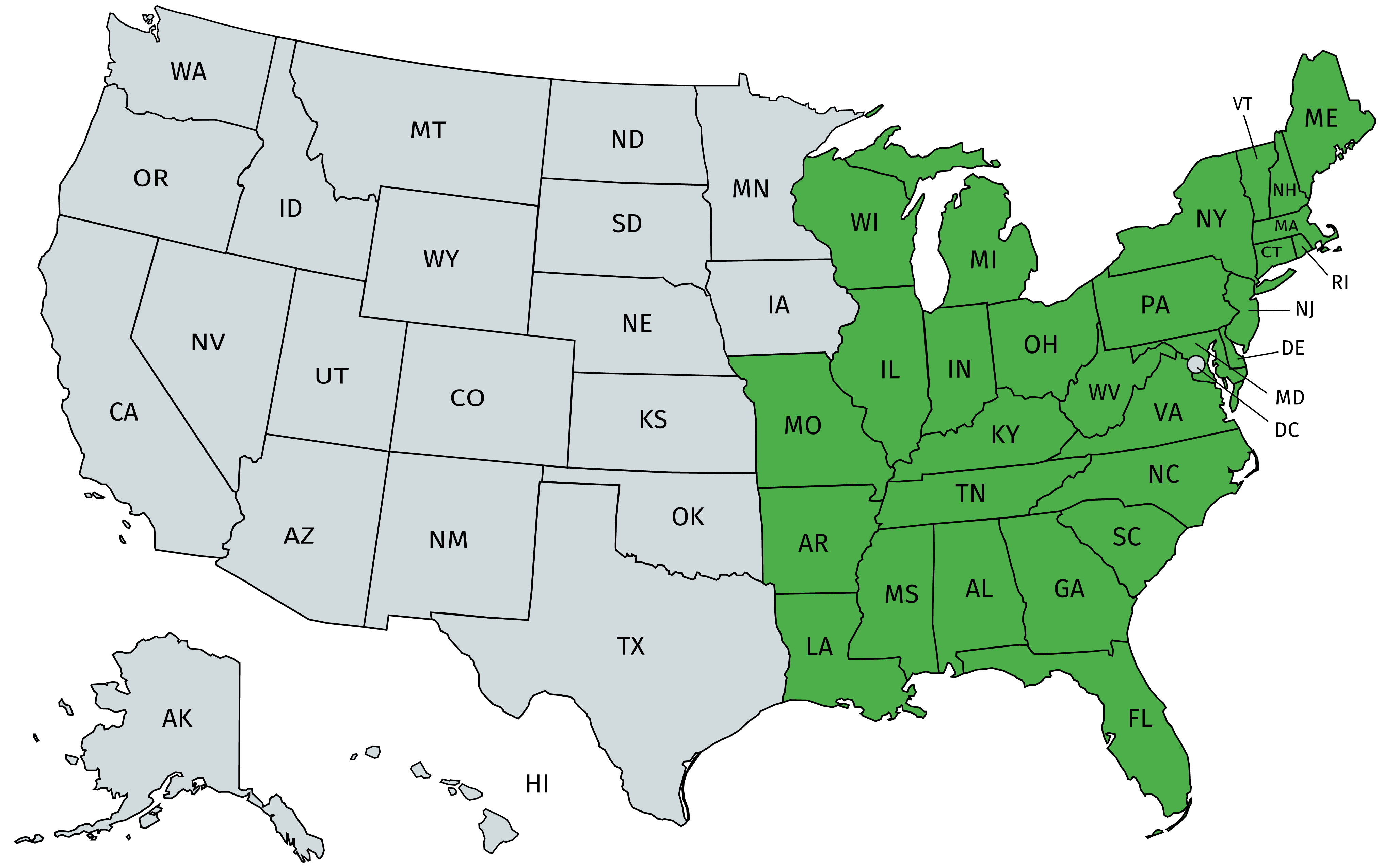
Calculating Your Travel Distance and Time
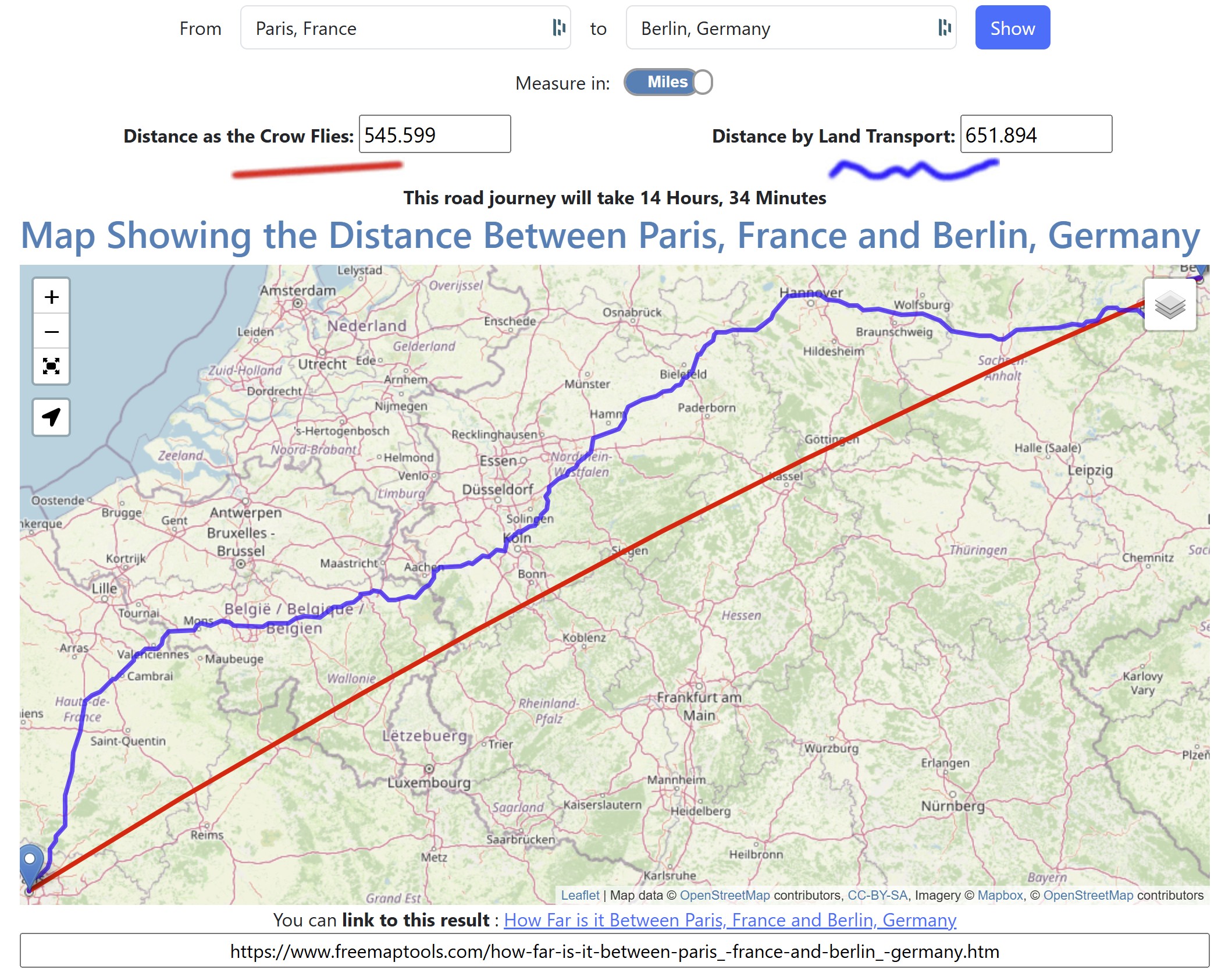
Pinpointing the exact distance and expected travel time to Florida requires you to identify both your starting point and your specific destination within the state. Most travelers will consider driving or flying, each presenting a distinct experience in terms of duration, cost, and convenience.
Driving to the Sunshine State
A road trip to Florida offers flexibility, scenic routes, and the ability to pack more luggage, but it demands a significant time commitment. The driving distance will naturally vary widely:
- From the Northeast: If you’re departing from a city like New York City, a drive to northern Florida (e.g., Jacksonville) is approximately 1,000 miles, taking around 15-18 hours of continuous driving. To reach central Florida (like Orlando) or southern Florida (like Miami), add another 2-6 hours, totaling 1,200-1,400 miles and 20-24+ hours. Many travelers break this journey into a two-day trip.
- From the Midwest: From Chicago, the drive to Orlando is roughly 1,150 miles, translating to about 18-20 hours of driving. A similar timeframe applies to other major Midwestern cities heading towards central or northern Florida.
- From the South-Central U.S.: Cities like Houston, Texas, are approximately 1,000-1,200 miles from Orlando, requiring 16-19 hours behind the wheel.
- From the West Coast: Driving from places like Los Angeles, California, is a monumental undertaking, spanning over 2,500 miles and requiring 35-40+ hours of driving, typically spread over 3-5 days. This is often only considered for relocation or specific adventure travel.
Factors such as traffic, road construction, weather conditions, and the frequency of rest stops significantly impact actual travel time. Planning your route with GPS tools like Google Maps or Waze can provide real-time estimates and help identify optimal stopping points. Ensure your vehicle is in good condition, and consider sharing driving duties to prevent fatigue.
Flying to Florida: The Fastest Route
For travelers prioritizing speed and convenience, flying is undeniably the quickest way to reach Florida. The state is well-served by numerous international and domestic airports, making access relatively easy from almost anywhere in the world.
- From the Northeast: Non-stop flights from New York City, Boston, or Philadelphia to major Florida airports like Orlando International Airport (MCO), Miami International Airport (MIA), or Fort Lauderdale-Hollywood International Airport (FLL) typically range from 2.5 to 3.5 hours.
- From the Midwest: Flights from Chicago, Detroit, or Minneapolis to Florida usually take 3 to 4 hours.
- From the West Coast: Cross-country flights from Los Angeles, San Francisco, or Seattle to Florida are considerably longer, ranging from 5 to 6.5 hours for non-stop services.
- Major Florida Airports: Besides MCO, MIA, and FLL, other key airports include Tampa International Airport (TPA), Southwest Florida International Airport (RSW) near Fort Myers, and Palm Beach International Airport (PBI). Choosing an airport closest to your final destination can minimize ground transportation time and costs.
While flight times are relatively short, remember to factor in airport security, boarding processes, potential layovers, and travel to and from the airports themselves. Booking flights well in advance, especially during peak seasons, can lead to better fares and availability.
Other Modes of Transport
While less common for long-distance travel to Florida, other options exist:
- Train: Amtrak offers routes connecting various parts of the United States to Florida, often terminating in cities like Orlando, Tampa, or Miami. Train journeys are significantly longer than flights and often slower than driving, but they offer a unique, relaxed travel experience without the stresses of driving or airport security.
- Bus: Services like Greyhound provide budget-friendly options, with extensive networks reaching many Florida cities. Bus travel is typically the slowest and least comfortable option for long distances but can be ideal for travelers on a tight budget or without access to a car.
Planning Your Florida Adventure: Beyond Just Distance
Once you have a clear understanding of the distance and how you plan to cover it, the next phase of travel planning involves refining your itinerary to make the most of your Florida adventure. The diversity of experiences available in the state means that your choice of destination within Florida will heavily influence your trip.
Choosing Your Florida Destination
Florida offers a kaleidoscope of attractions catering to every interest:
- Theme Park Thrills: For families and adventure-seekers, Orlando is unparalleled, home to Walt Disney World Resort, Universal Orlando Resort, and SeaWorld Orlando.
- Beach Escapes: The state boasts miles of pristine coastline. The soft white sands of the Gulf Coast (Siesta Key, Clearwater Beach) offer calm waters, while the vibrant shores of the Atlantic Coast (South Beach Miami, Daytona Beach) buzz with energy.
- Urban Culture and Nightlife: Miami offers a rich blend of Latin American culture, art deco architecture, and a pulsating nightlife scene. Tampa combines historic neighborhoods like Ybor City with modern attractions.
- Nature and Wildlife: The Everglades National Park provides unique opportunities for airboat tours and wildlife viewing. The Florida Keys are a paradise for snorkeling, diving, and fishing, culminating in the vibrant charm of Key West.
- History and Charm: St. Augustine, the nation’s oldest continuously inhabited European-established settlement, offers a journey back in time with its historic fort and cobblestone streets.
Your selected destination will not only dictate the precise distance you need to cover but also significantly influence your itinerary, budget, and travel expectations.
Essential Travel Planning Tips
Beyond logistical distance, a successful Florida trip requires comprehensive planning:
- Best Time to Visit: Consider Florida’s climate. The cooler, drier months from November to May are generally preferred for outdoor activities and theme park visits. Summers are hot and humid, with a higher chance of afternoon thunderstorms and the start of hurricane season (June to November).
- Budgeting: Account for transportation, accommodation, food, activities, and potential souvenirs. Prices for flights and hotels can fluctuate significantly based on seasonality and demand.
- Accommodation: Book your lodging in advance, especially if traveling during peak times. Options range from luxury resorts and vacation rentals to budget-friendly hotels and campgrounds.
- Activities & Reservations: For popular attractions, especially theme parks, purchasing tickets and making reservations in advance can save time and money, and in some cases, is mandatory.
- Packing: Pack light clothing, swimwear, sun protection (sunscreen, hats, sunglasses), and comfortable walking shoes. An umbrella or light rain jacket is also advisable for sudden showers.
Regardless of how far away Florida may seem, meticulous planning for your journey and stay will transform the distance from a mere number into an exciting prelude to an unforgettable travel experience.
LifeOutOfTheBox is a participant in the Amazon Services LLC Associates Program, an affiliate advertising program designed to provide a means for sites to earn advertising fees by advertising and linking to Amazon.com. Amazon, the Amazon logo, AmazonSupply, and the AmazonSupply logo are trademarks of Amazon.com, Inc. or its affiliates. As an Amazon Associate we earn affiliate commissions from qualifying purchases.