
Embracing the Entrepreneurial Lifestyle in California
The allure of an independent, flexible, and financially rewarding lifestyle often draws ambitious individuals to the entrepreneurial path, especially in dynamic economies like California. Whether you envision a boutique online store, a bustling brick-and-mortar shop, or a side hustle that grows into a full-time venture, understanding the foundational requirements is paramount. For anyone looking to sell tangible personal property in the Golden State, securing a reseller’s permit, officially known as a Seller’s Permit or Sales Tax Permit, is not just a legal obligation; it’s a strategic move that defines your business lifestyle. It legitimizes your operations, opens doors to wholesale pricing, and ensures you contribute fairly to the state’s economy, all while pursuing your professional aspirations.
The Foundation of Retail Freedom
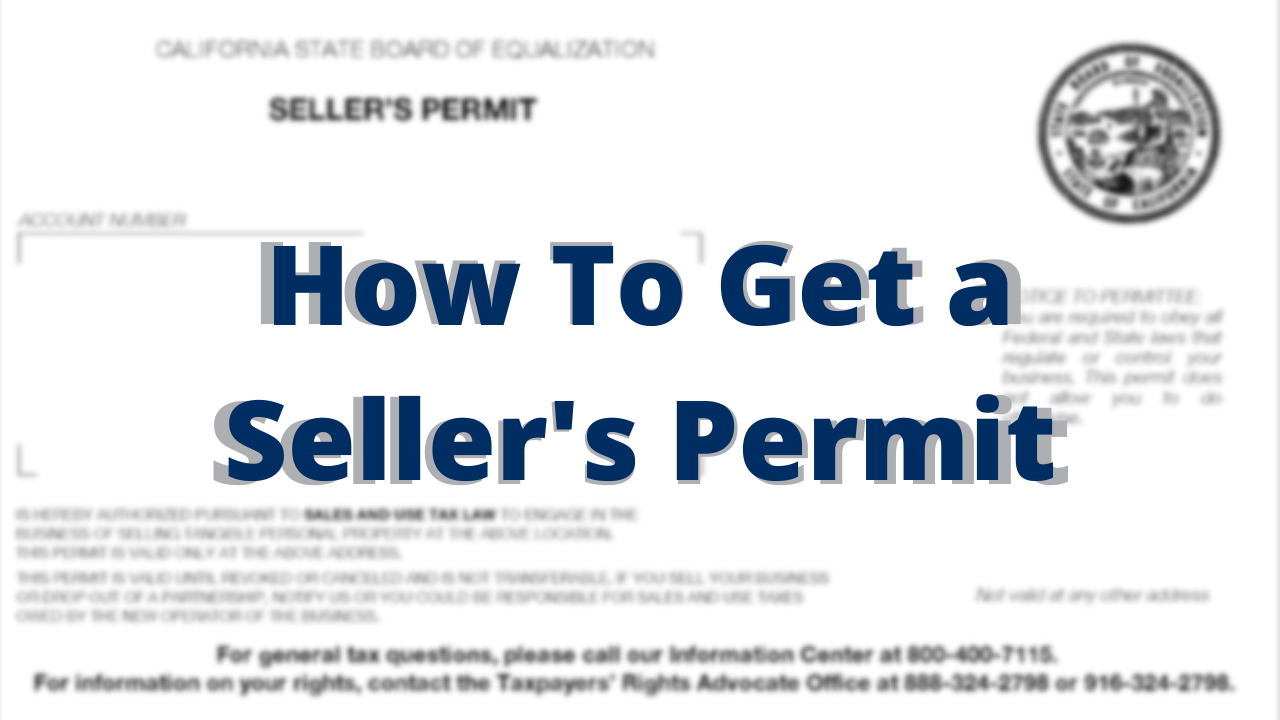
An entrepreneurial lifestyle thrives on freedom – the freedom to innovate, to set your own hours, and to build something truly yours. However, this freedom comes with responsibilities. A reseller’s permit is essentially a license that allows you to collect sales tax from your customers and remit it to the state. Without it, your ability to conduct retail sales legally is compromised, potentially leading to penalties that could derail your business dreams. Furthermore, holding this permit grants you the crucial ability to purchase items for resale without paying sales tax at the time of purchase. This is a fundamental aspect of maintaining healthy profit margins and efficiently managing your capital, enabling the kind of financial independence that is central to the entrepreneurial lifestyle. It means you can confidently source inventory from various suppliers, whether they are local distributors in Los Angeles or wholesalers offering products from across the globe, knowing your transactions are compliant and cost-effective.
Navigating the Golden State’s Business Landscape
California is a land of opportunity, but also one with a comprehensive regulatory framework. Successful entrepreneurs embrace this landscape, viewing compliance not as a burden, but as a framework for sustained growth. Obtaining your reseller’s permit is your initial handshake with the state’s tax system, primarily managed by the California Department of Tax and Fee Administration (CDTFA). This process ensures your business operations are transparent and that you are prepared to meet your sales tax obligations. For those building a lifestyle business – one that integrates personal values with professional pursuits – operating legally provides peace of mind, allowing you to focus on product development, customer engagement, and market expansion without the specter of non-compliance. It’s about building a robust foundation that supports your desired lifestyle, whether that involves frequent “business stays” to source unique products or simply managing your operations from a home office in San Francisco.
The Essentials of a California Seller’s Permit Application
The journey to securing your reseller’s permit is straightforward when you understand the requirements. It’s an administrative step that, once completed, allows you to shift your focus back to the core aspects of your business and the lifestyle it affords.
Who Needs a Permit? Defining Your Business Lifestyle
Simply put, if you are engaged in the business of selling tangible personal property at retail or wholesale in California, you need a seller’s permit. This applies to a vast array of entrepreneurial ventures:
- Online Retailers: Selling products through your own website, e-commerce platforms like Etsy or Shopify, or marketplaces like Amazon.
- Brick-and-Mortar Stores: Traditional retail shops, boutiques, and galleries.
- Pop-up Shops & Market Vendors: Temporary selling locations at festivals, craft fairs, or farmers’ markets.
- Wholesalers: Selling goods to other businesses for resale.
- Service Providers with Tangible Sales: If your service involves selling physical products (e.g., a photographer selling prints, a salon selling hair products).
- Rentals of Tangible Property: Certain types of rentals, such as construction equipment or party supplies.
This broad applicability underscores how deeply integrated the permit is into the fabric of the modern business lifestyle. It’s not just for large corporations; it’s for the individual entrepreneur, the artisan, the digital nomad who chooses to base their operations in California and contribute to its vibrant economy.
Key Information Required for Your Application
Before you begin the application process, gather the following essential details. Having these readily available will streamline your experience and get you closer to operating your business with full legal authority:
- Personal Information: Your Social Security Number (SSN) and/or Federal Employer Identification Number (FEIN) if you have employees or operate as a corporation/partnership.
- Business Entity Information: Legal name of your business, business type (sole proprietor, partnership, corporation, LLC, etc.), and Doing Business As (DBA) name, if applicable.
- Business Location(s): Physical address of your primary business location. If you have multiple locations, you’ll need to specify these.
- Contact Information: Phone number, email address, and mailing address.
- Business Activity Description: A brief but clear description of the goods you will be selling. For example, “apparel and accessories,” “handmade jewelry,” “electronic gadgets.”
- Estimated Monthly Sales: An estimate of your anticipated gross sales and taxable sales. This helps the CDTFA determine your filing frequency.
- Start Date of Business: The date you intend to begin or began selling taxable items.
- Banking Information: While not always required immediately, be prepared to provide details about your business bank account for tax remittances.
For most individual entrepreneurs, the process is designed to be accessible, recognizing that many start their ventures with minimal overhead and a strong desire to build a flexible, independent lifestyle.
Step-by-Step Application Process for the Modern Entrepreneur
The application process for a California Seller’s Permit is primarily conducted online, aligning perfectly with the digital-first approach of many modern entrepreneurs. This efficiency allows you to quickly complete the administrative task and return to activities that directly fuel your lifestyle business.
Online Application Through the CDTFA
The most common and recommended way to apply is through the CDTFA website.
- Visit the CDTFA Website: Navigate to the official CDTFA website and look for the “Register for a Permit, License, or Account” section.
- Create an Account (if needed): You may need to create an online services account first. This account will be your portal for managing your permit, filing sales tax returns, and making payments.
- Start the Application: Select the option to apply for a Seller’s Permit. The online application is intuitive, guiding you through each section.
- Input Business Details: Provide all the necessary information, including your business name, structure, location, description of goods, and estimated sales.
- Review and Submit: Carefully review all the information for accuracy before submitting. Errors can lead to delays.
- Receive Your Permit: Once approved, your permit will typically be issued immediately online, and a physical copy will be mailed to your business address. In some cases, a brief review by a CDTFA representative might be required, which could take a few days.
The entire process is designed to be as seamless as possible, recognizing that your time is valuable and best spent on growing your business and enjoying the lifestyle it supports.
Understanding Different Permit Types
While the general term is “Seller’s Permit,” the CDTFA issues two main types:
- Regular Seller’s Permit: For businesses with a fixed location, whether brick-and-mortar or a consistent home office. This is the most common type.
- Temporary Seller’s Permit: For businesses making sales at temporary locations, such as conventions, trade shows, or craft fairs, for a period not exceeding 90 days. If you frequently participate in such events, you might eventually apply for a regular permit, or multiple temporary permits if your event participation is sporadic.
Choosing the correct permit type is crucial for maintaining compliance and ensures that your business lifestyle, whether it’s settled or involves constant movement, is properly documented.
Post-Application: What to Expect and Maintain
After receiving your permit, the journey of compliance continues. You will be assigned a filing frequency (e.g., monthly, quarterly, annually) based on your estimated sales volume.
- Sales Tax Returns: You will need to file sales tax returns regularly, even if you have no sales to report for a period. This is essential for maintaining an active and compliant permit.
- Record Keeping: Maintain meticulous records of all sales, purchases, and sales tax collected. This is vital for accurate reporting and for audits, should they occur.
- Permit Display: Your physical Seller’s Permit must be prominently displayed at your place of business.
These ongoing responsibilities are an integral part of managing a legitimate business, contributing to the stability and longevity of your entrepreneurial lifestyle.
Strategic Compliance: Maintaining Your Business Lifestyle
Compliance isn’t just about avoiding penalties; it’s a strategic pillar for maintaining a sustainable and stress-free business lifestyle. When your tax obligations are managed correctly, you gain clarity on your financial health and can confidently make decisions about growth, investment, and personal time.
Sales Tax Collection and Reporting
The core function of your reseller’s permit is to enable you to collect sales tax.
- Charging Sales Tax: You are responsible for collecting the correct sales tax rate from your customers on all taxable sales. California has a statewide base sales tax rate, but local district taxes can add to this, meaning the rate varies by location. The CDTFA website provides tools to look up current sales tax rates by address.
- Remitting Taxes: On your assigned filing frequency (e.g., monthly or quarterly), you will report your total sales and the amount of sales tax collected to the CDTFA and remit the payment. Most businesses find it convenient to file and pay online through their CDTFA account.
- Maintaining Records: Keep detailed records of all sales, tax collected, and remittances made. This ensures transparency and simplifies any future inquiries or audits, a crucial aspect of responsible business ownership that supports a hassle-free lifestyle.
Leveraging Your Permit for Wholesale Purchases
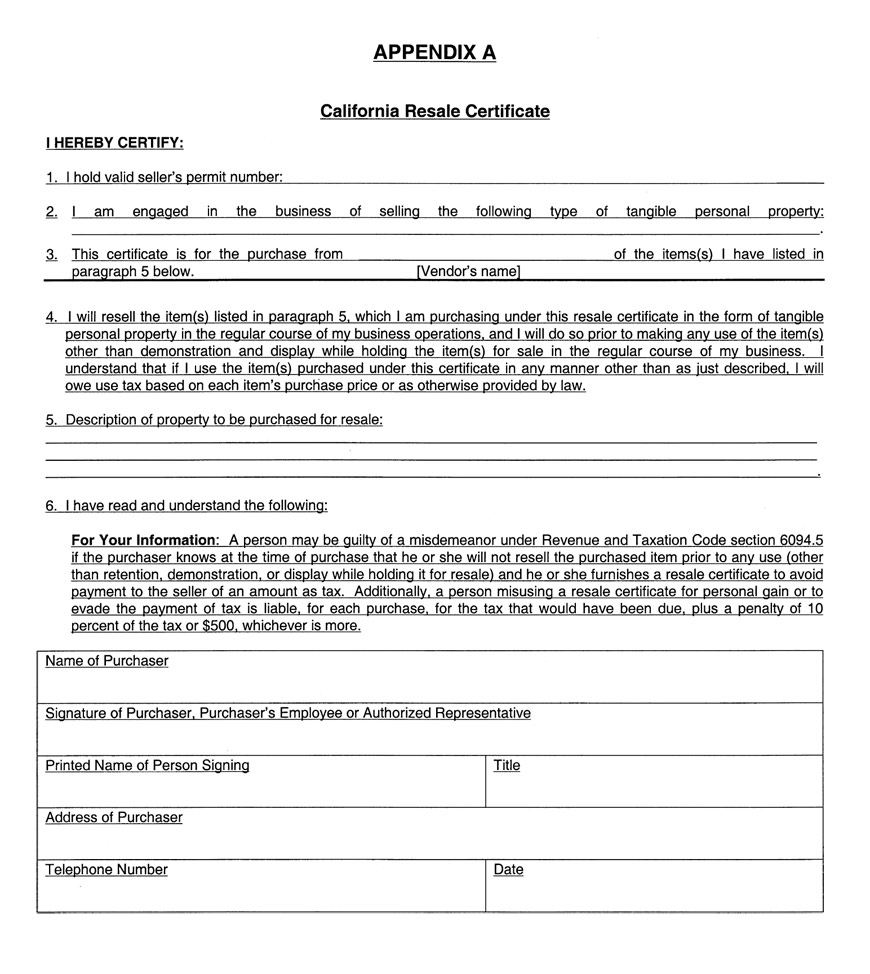
One of the most significant advantages of a reseller’s permit for an entrepreneur is the ability to purchase inventory for resale without paying sales tax. This is achieved by providing a “resale certificate” to your suppliers.
- Resale Certificate: This is a document you issue to your supplier, stating that the items you are purchasing are intended for resale, and therefore exempt from sales tax at the wholesale level. The resale certificate includes your Seller’s Permit number.
- Cost Savings: By not paying sales tax on your wholesale purchases, you reduce your upfront costs and improve your cash flow, directly impacting your business’s profitability and supporting your desired lifestyle. It prevents you from effectively paying sales tax twice – once when you buy inventory and again when your customer pays you.
- Supplier Relationships: Many legitimate wholesalers will require proof of a valid Seller’s Permit and a resale certificate before they will sell to you at wholesale prices. Having your permit in order positions you as a professional, credible buyer, fostering stronger supplier relationships.
This strategic use of your permit is essential for any business engaged in selling physical goods, ensuring your operations are not only compliant but also optimized for financial success.
Beyond the Permit: Sustaining a Thriving California Business Lifestyle
Obtaining your reseller’s permit is a critical first step, but it’s part of a broader commitment to building and sustaining a successful business and the lifestyle that comes with it. In California’s competitive environment, continued engagement and leveraging available resources are key.
Resources for Business Growth
The entrepreneurial lifestyle in California is supported by a rich ecosystem of resources designed to help businesses thrive.
- Small Business Development Centers (SBDCs): These centers offer free or low-cost counseling and training to small businesses, covering everything from business planning to marketing and financial management.
- Chambers of Commerce: Local chambers in cities like San Diego or Sacramento provide networking opportunities, advocacy, and resources that can connect you with potential customers and partners.
- CDTFA Workshops: The CDTFA frequently offers educational workshops and online guides to help businesses understand their sales and use tax obligations, ensuring you stay compliant as your business grows.
- Online Communities and Mentorship: Engaging with other entrepreneurs, both online and in person, can provide invaluable insights, support, and mentorship, enriching your business journey and personal lifestyle.

The Lifestyle Advantages of Operating Legally
Operating your business with a valid reseller’s permit and full compliance offers more than just legal protection; it contributes significantly to a desirable entrepreneurial lifestyle.
- Peace of Mind: Knowing your business is legitimate and compliant frees you from worry about legal repercussions, allowing you to focus your energy on creativity, growth, and enjoying your life outside of work.
- Credibility: A legitimate business with all its permits in order builds trust with customers, suppliers, and potential investors. This enhanced credibility can open doors to new opportunities and partnerships.
- Financial Health: Proper tax management ensures accurate financial reporting, crucial for making informed business decisions, securing loans, or even selling your business in the future. It’s about building long-term wealth and stability, hallmarks of a successful lifestyle.
- Contribution to Community: By collecting and remitting sales tax, you contribute directly to the public services and infrastructure that make California a vibrant place to live and work. This sense of contribution can be deeply satisfying for many entrepreneurs.
Ultimately, obtaining and maintaining your reseller’s permit in California is an essential part of cultivating a responsible, sustainable, and truly independent entrepreneurial lifestyle. It’s a foundational step that enables you to navigate the business landscape with confidence, paving the way for lasting success and personal fulfillment.
LifeOutOfTheBox is a participant in the Amazon Services LLC Associates Program, an affiliate advertising program designed to provide a means for sites to earn advertising fees by advertising and linking to Amazon.com. Amazon, the Amazon logo, AmazonSupply, and the AmazonSupply logo are trademarks of Amazon.com, Inc. or its affiliates. As an Amazon Associate we earn affiliate commissions from qualifying purchases.