
Planning a trip to Florida often involves navigating its diverse cities and understanding the logistics of travel between them. Among the most popular pairs for visitors to the Sunshine State’s northeastern coast are Jacksonville, Florida, a sprawling modern metropolis, and St. Augustine, Florida, America’s oldest continuously inhabited European-established settlement. The proximity of these two distinct destinations makes them ideal for a combined travel itinerary, offering a compelling blend of history, culture, and coastal charm.
The Proximity Advantage: Why Jacksonville and St. Augustine are Perfect Travel Partners
The relatively short distance between Jacksonville and St. Augustine is a significant boon for travelers looking to experience both the vibrant energy of a contemporary city and the timeless allure of historic streets. This geographical convenience allows for flexible travel plans, whether you’re seeking an engaging day trip or a multi-day exploration that incorporates the unique characteristics of each locale. Understanding the exact distance and expected travel times is the first step in crafting a seamless and enjoyable Northeast Florida adventure.
Understanding the Distance and Travel Time
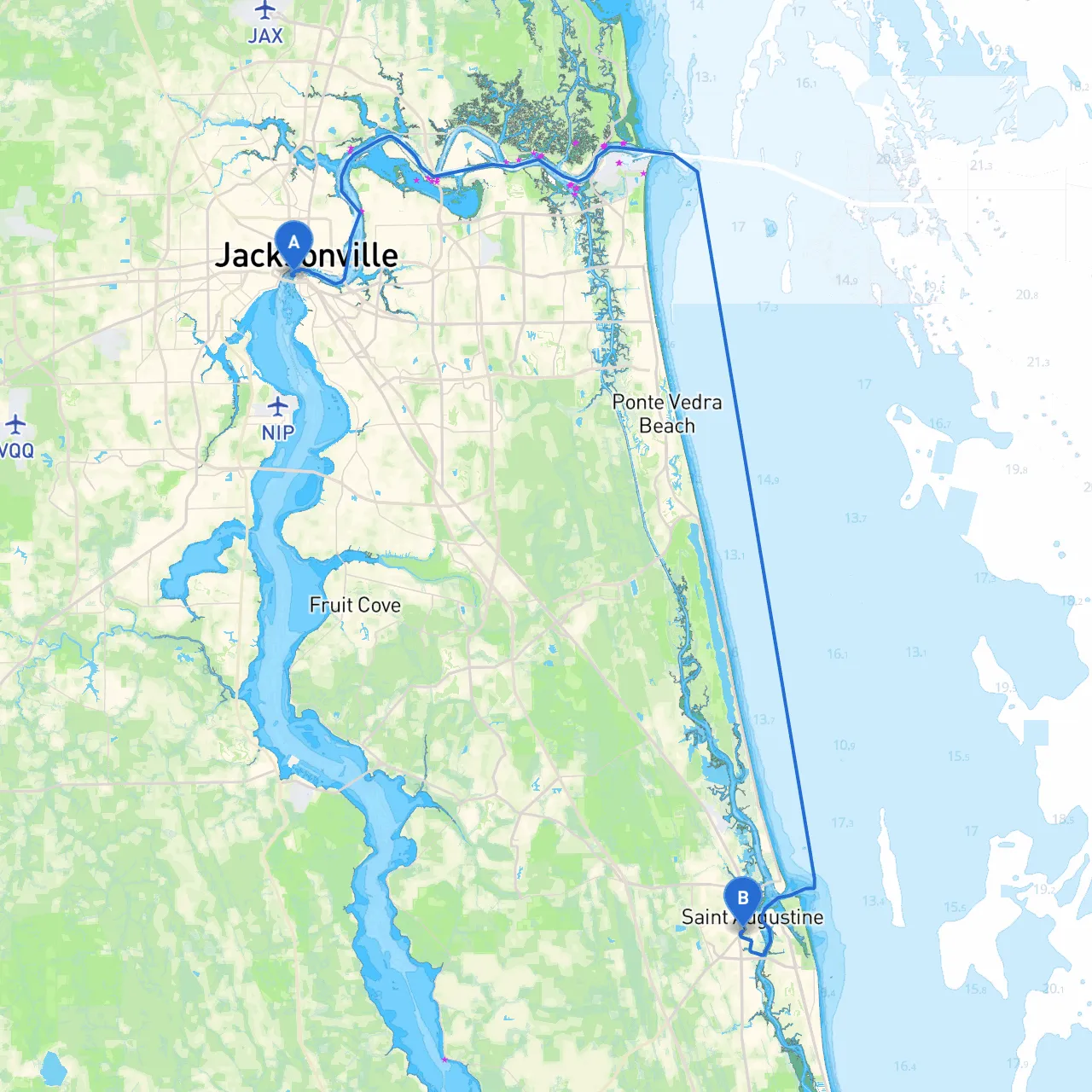
The distance between downtown Jacksonville and downtown St. Augustine is approximately 35 to 40 miles (56 to 64 kilometers), depending on your exact starting and ending points within each city. This translates to a driving time of roughly 45 minutes to an hour under normal traffic conditions. The primary route connecting the two cities is Interstate 95 (I-95), a major north-south artery along the East Coast of the United States.
While I-95 offers the quickest transit, alternative scenic routes, such as U.S. Route 1 or coastal roads like A1A, can extend travel time but provide a more picturesque journey. These routes often hug the coastline, offering glimpses of the Atlantic Ocean and quaint beach towns along the way. However, for efficiency, especially when time is a factor, I-95 remains the preferred choice.
Key Routes and Scenic Drives
- Interstate 95 (I-95): This is the most direct and fastest route. Starting from downtown Jacksonville, you would head south on I-95. The highway is well-maintained and typically has multiple lanes, making for a smooth drive. Exits for St. Augustine are clearly marked, leading directly into the historic downtown area or its surrounding districts.
- U.S. Route 1: Running parallel to I-95 for much of the journey, U.S. Route 1 offers a more local experience. It passes through smaller towns and commercial areas, providing opportunities to stop at roadside attractions, local eateries, or antique shops. While slower due to more traffic lights and lower speed limits, it can be a pleasant alternative for those not in a hurry.
- A1A Coastal Highway: For an truly scenic journey, parts of A1A can be incorporated. This route offers stunning views of the Atlantic Ocean, passing through charming beach communities like Ponte Vedra Beach and Vilano Beach. While it significantly increases travel time, it transforms the journey into an experience in itself, perfect for a leisurely drive with stops for beach walks or seafood meals.
Unveiling Jacksonville: A Modern Coastal Hub
As Florida’s most populous city and the largest city by area in the contiguous United States, Jacksonville presents a diverse urban landscape with a strong connection to its natural environment. It’s a city of bridges, connecting various districts across the expansive St. Johns River, offering everything from bustling downtown amenities to tranquil beaches.
Urban Adventures and Cultural Richness
Jacksonville’s downtown core boasts a vibrant arts and culture scene. The Cummer Museum of Art & Gardens houses an impressive collection spanning 2,000 years, complemented by exquisite gardens overlooking the St. Johns River. The Museum of Science & History (MOSH) offers interactive exhibits perfect for families, while the Jacksonville Zoo and Gardens provides an immersive wildlife experience. The city is also known for its lively entertainment districts, thriving craft brewery scene, and a growing culinary landscape that reflects its diverse population. From live music venues to professional sports at TIAA Bank Field, there’s no shortage of activities to fill your evenings.
Beaches and Outdoor Escapes
Beyond the urban core, Jacksonville is famed for its stunning coastline. The city’s beaches – Jacksonville Beach, Neptune Beach, and Atlantic Beach – offer miles of pristine sand, perfect for swimming, surfing, or simply relaxing under the Florida sun. Each beach town has its own unique charm, with diverse dining options and boutique shopping. For nature lovers, the area surrounding Jacksonville provides ample opportunities for kayaking, paddleboarding, fishing, and exploring nature preserves, including the Timucuan Ecological and Historic Preserve. Golf enthusiasts will also find world-class courses, particularly in nearby Ponte Vedra Beach, home to the famous TPC Sawgrass.
Exploring St. Augustine: America’s Oldest City
Just a short drive south, St. Augustine transports visitors to another era. Founded in 1565 by Spanish explorers, it predates the Jamestown Settlement and the Plymouth Colony by decades, offering an unparalleled glimpse into early American history. Its cobblestone streets, ancient forts, and charming architecture tell stories of centuries past.
Stepping Back in Time: Historic Sites

The heart of St. Augustine is its meticulously preserved historic district. The iconic Castillo de San Marcos, a massive masonry fort, stands as a testament to the city’s strategic importance and resilience. Visitors can explore its ramparts, enjoy cannon firings, and learn about the lives of soldiers and settlers. Nearby, the Lightner Museum, housed in the former Alcazar Hotel, showcases an eclectic collection of 19th-century art and decorative items.
A stroll through the pedestrian-friendly St. George Street is a must, offering access to numerous shops, restaurants, and historical landmarks. Other essential stops include Flagler College, a stunning example of Spanish Renaissance architecture (originally the Hotel Ponce de León), and the St. Augustine Lighthouse & Maritime Museum, where climbing to the top rewards you with panoramic views of the city and coast. The Colonial Quarter offers living history demonstrations, while the Fountain of Youth Archaeological Park provides insights into the first Spanish landing and Timucuan native life.
Coastal Charm and Family Fun
While steeped in history, St. Augustine also embraces its coastal location. Beautiful beaches like St. Augustine Beach and those within Anastasia State Park offer opportunities for sunbathing, shelling, and water sports. The city’s bayfront is perfect for scenic boat tours, dolphin watching, or simply enjoying the sea breeze.
For families, attractions like the St. Augustine Pirate & Treasure Museum and the St. Augustine Alligator Farm Zoological Park provide engaging and educational experiences. Ghost tours, carriage rides, and trolley tours offer unique perspectives on the city’s rich past and charming atmosphere, ensuring there’s something for every interest and age group.
Crafting Your North Florida Itinerary: Maximizing Your Journey
The close proximity of Jacksonville and St. Augustine creates an excellent opportunity to combine both destinations into a single, memorable trip. Whether you prefer a quick foray into history from a modern base or a deeper dive into each city’s offerings, strategic planning can maximize your experience.
Day Trip Dynamics: Jacksonville to St. Augustine and Vice Versa
Given the less-than-an-hour drive, a day trip between Jacksonville and St. Augustine is entirely feasible and highly recommended.
- From Jacksonville to St. Augustine: Many visitors staying in Jacksonville opt for a day trip to St. Augustine to immerse themselves in history. You can leave Jacksonville after breakfast, spend the entire day exploring Castillo de San Marcos, St. George Street, and enjoy a historic lunch, then return to Jacksonville for dinner or evening entertainment. This allows for a comfortable pace without feeling rushed.
- From St. Augustine to Jacksonville: Conversely, if you’re primarily based in St. Augustine, a day trip to Jacksonville offers a contrast of urban amenities, shopping, or beach activities. You could visit the Jacksonville Zoo and Gardens, explore a specific Jacksonville neighborhood like Riverside or San Marco, or enjoy a day at Jacksonville Beach, returning to the quiet charm of St. Augustine in the evening.
Multi-Day Explorations: A Richer Experience
For a more comprehensive and relaxed journey, consider splitting your stay between both cities. A two- or three-day stay in each location allows for deeper exploration and reduces the feeling of constant travel.
- Jacksonville First, Then St. Augustine: Start your trip in Jacksonville, enjoying its vibrant urban scene, riverfront parks, and expansive beaches. Then, transition to St. Augustine for a few days dedicated to its historical sites, ghost tours, and charming evenings. This progression offers a delightful change of pace and scenery.
- Themed Itineraries: Design your trip around specific interests. A history buff might spend more time in St. Augustine but include Jacksonville’s Timucuan Ecological and Historic Preserve. A nature enthusiast could focus on Jacksonville’s numerous parks and preserves, then enjoy the natural beauty of Anastasia State Park near St. Augustine. Foodies can explore both cities’ evolving culinary scenes, from upscale dining in Jacksonville to fresh seafood in St. Augustine.
Essential Travel Tips for Your North Florida Excursion
To ensure a smooth and enjoyable trip between Jacksonville and St. Augustine, consider these practical travel tips.
Best Time to Visit
Northeast Florida generally enjoys pleasant weather for much of the year.
- Spring (March to May): Often considered the ideal time, with mild temperatures, lower humidity, and blooming flora. Perfect for outdoor activities and comfortable sightseeing.
- Fall (September to November): Similar to spring, with comfortable temperatures and fewer crowds than the peak summer months. Hurricane season officially runs through November, so it’s wise to monitor weather forecasts.
- Winter (December to February): Mild and sunny days are common, though cooler temperatures, especially in the evenings, can occur. This is a popular time for visitors escaping colder climates.
- Summer (June to August): Hot and humid, with frequent afternoon thunderstorms. While the beaches and water activities are popular, indoor attractions or early morning/late afternoon outdoor excursions are often preferred.
Transportation Considerations
- Rental Car: The most flexible and convenient way to travel between Jacksonville and St. Augustine is by rental car. This allows you to explore at your own pace, access attractions beyond the downtown cores, and choose your preferred routes. Both cities have ample parking, though it can be metered or paid in popular historic areas of St. Augustine.
- Ride-Sharing Services: Uber and Lyft are available in both cities and can be used for direct travel between them. However, for round trips or multiple stops, a rental car typically becomes more cost-effective.
- Public Transportation: Direct public transportation options between the two cities are limited, making a personal vehicle or ride-sharing service the most practical choices for inter-city travel. Within St. Augustine’s historic downtown, trolley tours and walkability are excellent, while Jacksonville has a limited downtown skyway and bus system for internal travel.
In conclusion, the journey from Jacksonville, Florida to St. Augustine, Florida is short, straightforward, and highly rewarding for any traveler. This manageable distance opens up a world of travel possibilities, inviting visitors to effortlessly explore two of Florida’s most compelling and contrasting destinations.
LifeOutOfTheBox is a participant in the Amazon Services LLC Associates Program, an affiliate advertising program designed to provide a means for sites to earn advertising fees by advertising and linking to Amazon.com. Amazon, the Amazon logo, AmazonSupply, and the AmazonSupply logo are trademarks of Amazon.com, Inc. or its affiliates. As an Amazon Associate we earn affiliate commissions from qualifying purchases.