
Navigating the sprawling metropolis of Southern California can often lead to a delightful confusion of overlapping jurisdictions and distinct identities. Among the most frequently asked questions by visitors and even some residents alike is the precise relationship between the iconic beach city of Santa Monica and the larger, overarching entity of Los Angeles. While geographically nestled within the greater Los Angeles County, Santa Monica maintains a strong, independent civic identity, offering a unique blend of coastal charm and urban sophistication that sets it apart. This distinction is crucial for anyone planning a visit, seeking to understand the local nuances, or simply appreciating the diverse tapestry of this vibrant region.

Understanding the Administrative Divide
To definitively answer the question, it’s important to clarify the administrative and geographical definitions at play. Santa Monica is indeed an incorporated city with its own municipal government, mayor, and city council. This means it operates as a self-governing entity, responsible for its own local laws, services, and development. This is a fundamental difference from neighborhoods or districts that are directly governed by the City of Los Angeles itself.
City vs. County
The key to understanding this relationship lies in differentiating between a “city” and a “county.” Los Angeles County is one of the 58 counties in the state of California. It is a vast administrative division that encompasses numerous incorporated cities, including Los Angeles, Long Beach, Pasadena, and, of course, Santa Monica. Each of these cities operates under its own charter, while also being subject to the broader regulations and services provided by the county, such as public health, transportation oversight, and the court system.
Geographic Proximity
Geographically, Santa Monica is situated on the west side of the Los Angeles basin, directly bordering the city of Los Angeles to its east and south. Its western edge is defined by the beautiful Pacific Ocean. This close proximity often leads to the perception that Santa Monica is simply another neighborhood within the larger City of Los Angeles. However, a drive or a walk across one of the city’s boundaries reveals subtle yet significant shifts in street signs, local ordinances, and the overall character of the area, underscoring its independent status.
The Distinctive Identity of Santa Monica
While part of the larger metropolitan area, Santa Monica cultivates a unique personality that draws millions of visitors each year. This identity is shaped by its history, its commitment to environmentalism, its vibrant arts scene, and its quintessential Southern California beach lifestyle.
A Coastal Haven
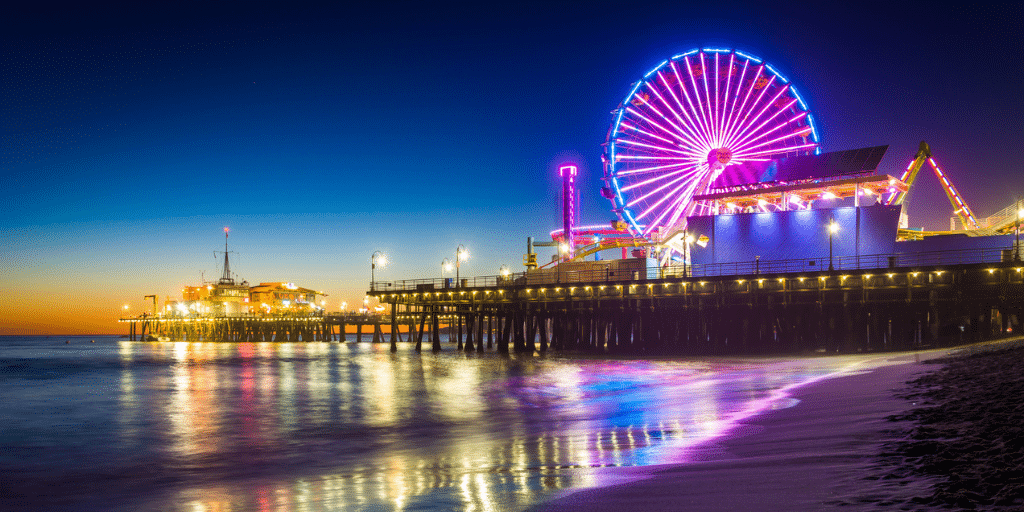
Perhaps the most defining characteristic of Santa Monica is its stunning coastline. The city boasts miles of pristine sandy beaches, renowned for their recreational opportunities, from surfing and swimming to volleyball and sunbathing. The iconic Santa Monica Pier, a historic landmark, stands as a beacon of fun and entertainment, complete with an amusement park, restaurants, and breathtaking ocean views. Beyond the pier, the wide, sandy beaches offer ample space for relaxation and active pursuits, making them a central part of the visitor experience.
A Hub of Culture and Commerce
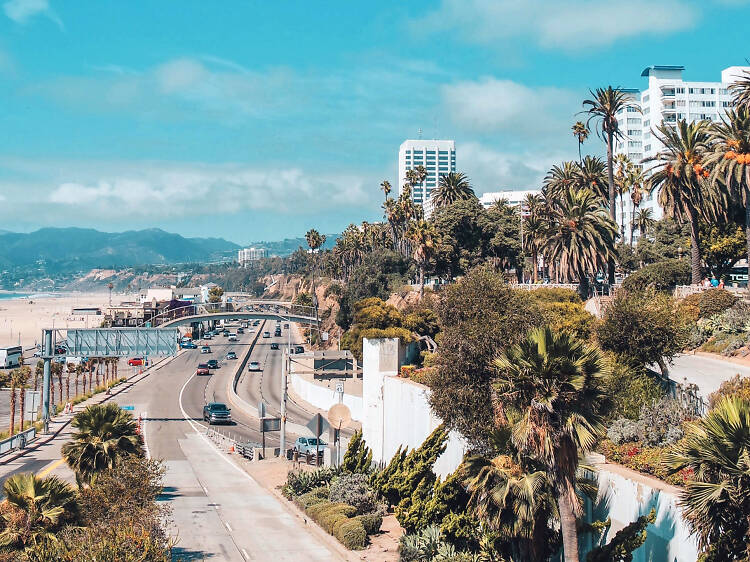
Santa Monica is not just about the beach. It’s a thriving center for culture, dining, and shopping. Third Street Promenade, a pedestrian-only street, is a bustling hub for entertainment, with street performers, unique shops, and a wide array of dining options. The city also boasts a thriving arts community, with numerous galleries and theaters. Its downtown area is a mix of modern office buildings and charming historic architecture, reflecting a city that embraces both progress and its past. This urban core offers a sophisticated counterpoint to the laid-back beach atmosphere.
Commitment to Sustainability and Innovation
Santa Monica has long been a leader in environmental sustainability and progressive urban planning. The city has invested heavily in public transportation, pedestrian-friendly infrastructure, and green initiatives, earning a reputation as one of the most environmentally conscious cities in the nation. This forward-thinking approach is evident in its innovative policies and its commitment to maintaining a high quality of life for its residents and visitors. This dedication to sustainability not only enhances the visitor experience with cleaner air and more accessible ways to explore but also shapes the city’s overall ethos.
Navigating Santa Monica as a Tourist
For travelers, understanding that Santa Monica is its own city can actually enhance your visit. It allows for a more focused exploration of its distinct attractions and a better appreciation of its unique atmosphere.
Where to Stay
While Santa Monica is not part of the City of Los Angeles, it offers a wide range of accommodation options that rival those found in the larger city. From luxury beachfront hotels to charming boutique inns and extended-stay apartments, visitors can find lodging that suits their preferences and budget. Many hotels offer stunning ocean views and easy access to the beach, Santa Monica Pier, and Third Street Promenade. Staying within Santa Monica allows for a more immersive experience of its coastal lifestyle.
Getting Around
Navigating Santa Monica is relatively straightforward due to its compact size and excellent public transportation. The city is well-served by its own bus system, and the Metro Expo Line provides a convenient link to downtown Los Angeles, making it easy to explore both areas. Biking is also a popular and encouraged mode of transportation, with dedicated bike lanes and bike-sharing programs. Walking is an ideal way to experience the beach, pier, and promenade.
Key Attractions
When visiting Santa Monica, be sure to explore its most celebrated landmarks. The Santa Monica Pier is a must-see, offering a nostalgic amusement park, aquarium, and numerous dining establishments. The adjacent Palisades Park provides scenic walking paths and panoramic ocean vistas. For shopping and entertainment, Third Street Promenade is the prime destination. Art enthusiasts will appreciate the Bergamot Station Arts Center. And of course, the miles of sandy beaches are the ultimate draw for relaxation and recreation.
Conclusion: A Distinct Gem in the Crown of Los Angeles County
In essence, while Santa Monica is an integral part of the greater Los Angeles County and shares close proximity with the City of Los Angeles, it stands as its own independent and vibrant city. This distinction enriches the travel experience, offering visitors a unique blend of coastal beauty, urban culture, and a commitment to a sustainable future. Understanding this relationship allows for a more informed and appreciative exploration of this beloved Southern California destination. Santa Monica is not merely a district; it is a destination in its own right, a jewel that sparkles brightly within the vast expanse of Los Angeles.
LifeOutOfTheBox is a participant in the Amazon Services LLC Associates Program, an affiliate advertising program designed to provide a means for sites to earn advertising fees by advertising and linking to Amazon.com. Amazon, the Amazon logo, AmazonSupply, and the AmazonSupply logo are trademarks of Amazon.com, Inc. or its affiliates. As an Amazon Associate we earn affiliate commissions from qualifying purchases.