
Traveling between Oklahoma and Florida represents a significant cross-country journey within the United States. This expanse covers a vast range of American landscapes, from the plains of the Midwest to the sun-drenched beaches of the Southeast. Understanding the distance, the various modes of transport, and the nuances of planning such a trip is crucial for any traveler considering this adventure.
The Great American Journey: Understanding the Distance
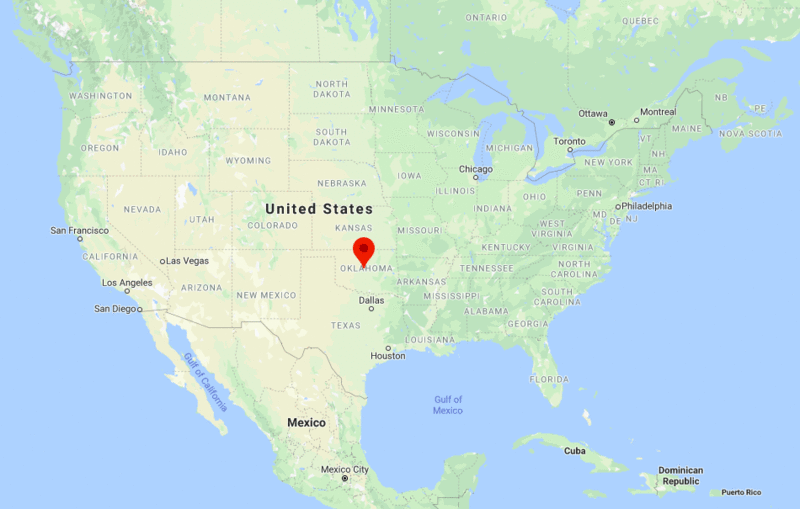
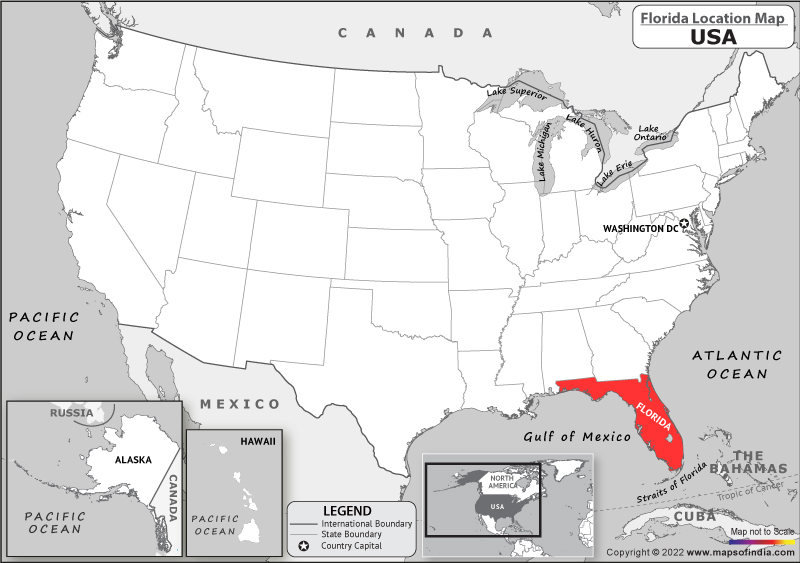
Geographically, Oklahoma is situated in the south-central United States, characterized by its rolling prairies, hills, and a rich history tied to Native American culture and the oil industry. Florida, on the other hand, is a southeastern peninsula state renowned for its extensive coastline, theme parks, and vibrant cities. The journey between these two states is not merely about covering miles; it’s about traversing diverse climates, terrains, and cultural zones.
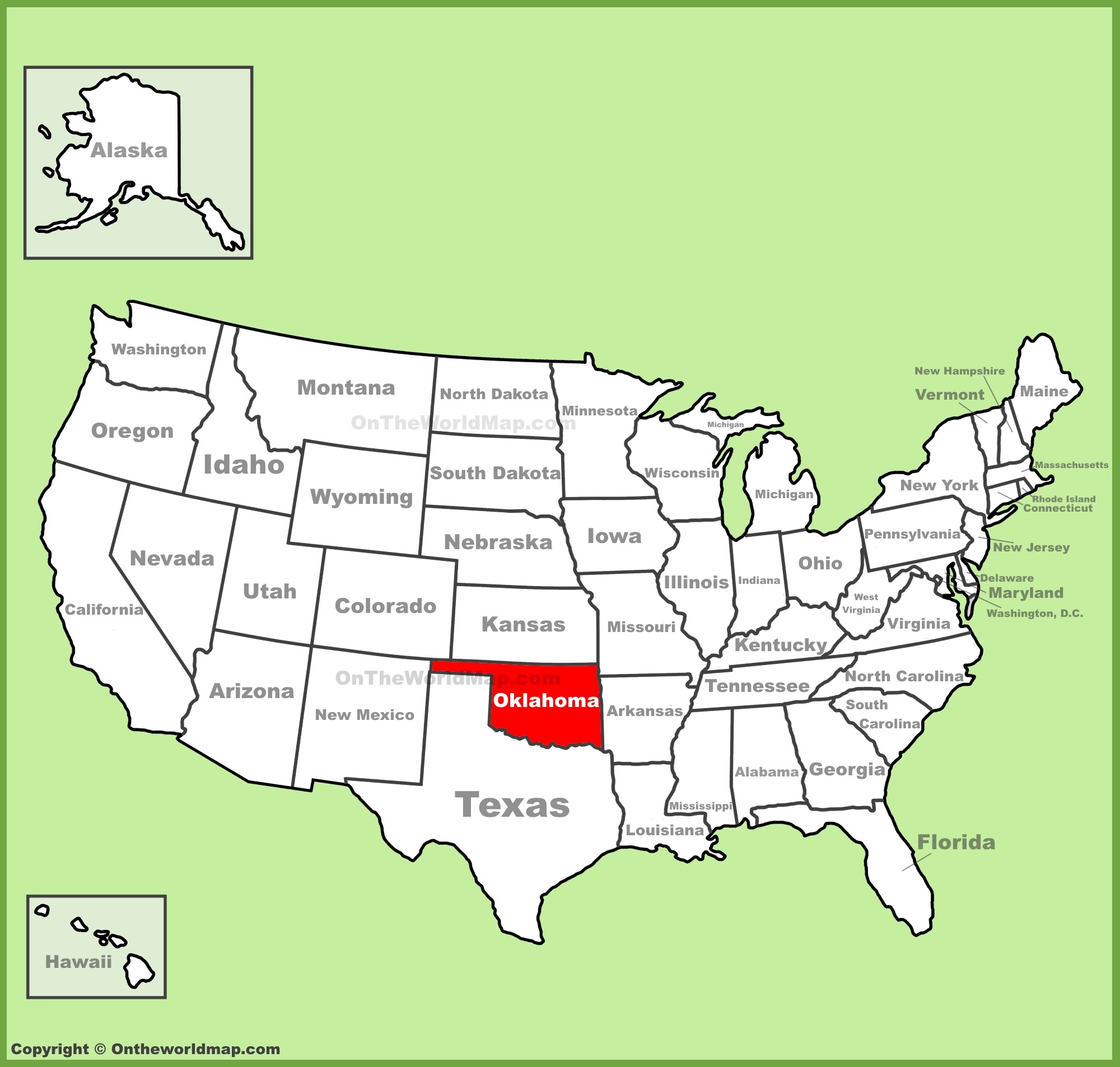
The straight-line distance, often referred to as “as the crow flies,” between a central point like Oklahoma City and a major Florida hub such as Orlando or Miami, is roughly between 1,000 and 1,200 miles (approximately 1,600 to 1,930 kilometers). However, this direct measurement doesn’t account for road networks, which significantly increase the practical travel distance for those driving.
When considering actual driving routes, the distance typically spans between 1,200 to 1,400 miles (1,930 to 2,250 kilometers), depending on the specific origin and destination cities within each state. For instance, a trip from Oklahoma City to Miami could easily exceed 1,400 miles. This considerable mileage translates into a driving time of approximately 20 to 24 hours of pure driving, excluding stops for fuel, meals, rest, or potential overnight stays. For most travelers, this necessitates at least a two-day journey, if not longer, to maintain safety and enjoyment.
Navigating the Route: Driving Considerations
Undertaking a road trip from Oklahoma to Florida offers unparalleled flexibility and the chance to experience the American South firsthand. However, meticulous planning is key to a successful journey.
Typical Driving Routes
Most routes originating from Oklahoma will involve heading east or southeast. A common trajectory involves taking I-40 eastbound out of Oklahoma into Arkansas. From there, travelers often connect to major interstate highways like I-30 or I-55 heading south through states like Mississippi or Alabama. Eventually, these routes merge into I-20 or I-75, which serve as primary arteries for reaching various parts of Florida.
For those heading to the Florida Panhandle, routes might lean more directly southeast through Alabama. Destinations like Orlando or Miami will typically require continuing south through Georgia on I-75.
Factors Affecting Travel Time
Several variables can influence the overall duration of your drive:
- Traffic: Major metropolitan areas along the route, such as Little Rock, Memphis, Birmingham, or Atlanta, can experience significant traffic delays, especially during rush hour or holidays.
- Construction: Roadwork is a constant on busy interstates. Checking real-time traffic apps before and during your trip is advisable.
- Weather Conditions: Severe thunderstorms, particularly prevalent in the Southern United States during spring and summer, can cause significant delays or necessitate detours. Florida’s hurricane season (June to November) also presents a unique set of challenges.
- Rest and Fuel Stops: Factor in at least 30 minutes for every 3-4 hours of driving for breaks, stretching, and refueling. These stops are crucial for driver alertness and passenger comfort.
- Speed Limits: Adherence to posted speed limits is paramount for safety and avoiding costly tickets.
Planning Overnight Stays
Given the 20-24 hour driving time, an overnight stop is highly recommended. Popular cities that fall approximately halfway along common routes include Memphis, Tennessee, or Birmingham, Alabama. These cities offer a good selection of hotels and dining options, allowing travelers to rest properly before continuing their journey. Planning your stop in advance, especially during peak travel seasons, is advisable to secure preferred accommodations.
Beyond the Wheel: Alternative Modes of Transport
While driving offers flexibility, other options cater to different preferences for speed, cost, and convenience.
Air Travel
Flying is by far the fastest way to bridge the distance between Oklahoma and Florida.
- Major Airports in Oklahoma: Primary hubs include Will Rogers World Airport (OKC) in Oklahoma City and Tulsa International Airport (TUL) in Tulsa.
- Major Airports in Florida: Florida boasts numerous international airports, including Orlando International Airport (MCO), Miami International Airport (MIA), Fort Lauderdale-Hollywood International Airport (FLL), and Tampa International Airport (TPA).
- Flight Duration: Direct flights are rare, but flights with one stop typically range from 3 to 5 hours of airtime, excluding layovers and airport processing time. The total travel time, door-to-door, including check-in, security, and transfers, usually amounts to 6-9 hours.
- Cost Considerations: Airfare can vary significantly based on seasonality, how far in advance you book, and the airline. Weekends and holidays generally see higher prices. Booking several weeks or months ahead can yield better rates.
Bus Services
For budget-conscious travelers or those who prefer not to drive, bus services like Greyhound offer an economical alternative. However, be prepared for a considerably longer journey.
- Travel Time: A bus trip from Oklahoma to Florida can take anywhere from 24 to 36 hours or more, often involving multiple transfers and extended layovers in various cities along the way.
- Comfort: While buses have improved in amenities, a long-distance bus journey can be tiring. Consider overnight trips for sleeping to pass the time.
Train Travel
Amtrak provides a scenic, albeit often slower, mode of transportation. There are no direct routes from Oklahoma to Florida, meaning the journey would involve multiple transfers, typically through major railway hubs like Chicago or New Orleans.
- Travel Time: A train journey could easily span 30-50 hours or even longer, depending on the connections.
- Experience: Train travel offers a unique experience, with more space to move around, dining cars, and the chance to view landscapes from a different perspective. It’s often chosen for the journey itself rather than just getting to a destination quickly.
Planning Your Journey: Essential Travel Tips
Regardless of your chosen mode of transport, a well-planned trip enhances the overall experience.
Best Time to Travel
- Avoid Peak Seasons: Florida is popular during spring break, major holidays, and winter months when “snowbirds” flock south. Prices for accommodations and flights are highest then.
- Weather Considerations:
- Florida: Be mindful of hurricane season (June 1st to November 30th). While not every day is impacted, the risk of tropical storms and severe weather is higher. Summers are also intensely hot and humid. Late fall to early spring offers the most pleasant weather.
- Oklahoma & Midwest: Spring (April-June) can bring severe thunderstorms and tornadoes. Winters can have icy conditions.
Budgeting
Account for all potential expenses:
- Fuel/Airfare/Tickets: This will be your largest cost. Compare prices across different modes and book in advance where possible.
- Accommodation: For driving trips, budget for at least one overnight stay. For flying, consider hotel costs at your destination.
- Food: Snacks and drinks for the road, restaurant meals, or grocery stops.
- Tolls: Several states along the route, particularly Florida, have toll roads. Consider investing in a transponder like E-ZPass or SunPass to save time and sometimes money.
- Activities: Entrance fees for attractions or unexpected roadside finds.
Packing Essentials
- Clothing: Pack for diverse weather conditions, especially if traveling during transitional seasons. Florida will likely be warmer than Oklahoma.
- Snacks and Water: Essential for road trips to minimize stops and save money.
- Entertainment: Books, podcasts, music playlists, movies for passengers, and games can make long stretches more enjoyable.
- Emergency Kit: Jumper cables, first-aid kit, flashlight, basic tools, and roadside assistance information are crucial for drivers.
Vehicle Preparation (for driving)
Before embarking on a long drive, ensure your vehicle is in optimal condition. Check tire pressure and tread, oil levels, coolant, brakes, and lights. A pre-trip inspection by a trusted mechanic can prevent unforeseen breakdowns.
Navigation Tools
Reliable GPS (Google Maps, Waze, Apple Maps) is indispensable. Download offline maps as cell service can be spotty in rural areas. Having a physical map as a backup is also a good idea.
Safety
Prioritize safety during your journey. For drivers, this means avoiding distracted driving, taking frequent breaks to combat fatigue, and sharing driving duties if traveling with another licensed driver. Always be aware of your surroundings, especially during stops in unfamiliar areas.
Experiencing the Journey: What to See Along the Way
While the goal might be Florida’s beaches, the journey from Oklahoma offers a tapestry of experiences. If time permits, consider incorporating a few notable stops:
- Memphis, Tennessee: Immerse yourself in the birthplace of rock and roll and blues. Visit Graceland or the National Civil Rights Museum at the Lorraine Motel.
- Vicksburg, Mississippi: Explore the historic Vicksburg National Military Park, a significant Civil War battlefield.
- Atlanta, Georgia: If your route takes you nearby, Atlanta offers attractions like the Georgia Aquarium, the World of Coca-Cola, and the Martin Luther King Jr. National Historical Park.
- Mobile, Alabama or Pensacola, Florida: For those heading to the Florida Panhandle, these coastal cities offer a glimpse of Gulf Coast charm, delicious seafood, and historical sites.
The distance between Oklahoma and Florida is substantial, but with careful planning, whether by air, road, or rail, it transforms from a mere numerical value into an exciting travel opportunity, rich with diverse experiences across the American landscape.
LifeOutOfTheBox is a participant in the Amazon Services LLC Associates Program, an affiliate advertising program designed to provide a means for sites to earn advertising fees by advertising and linking to Amazon.com. Amazon, the Amazon logo, AmazonSupply, and the AmazonSupply logo are trademarks of Amazon.com, Inc. or its affiliates. As an Amazon Associate we earn affiliate commissions from qualifying purchases.