
As the crisp autumn air begins to hint at the changing seasons, hunters and outdoor enthusiasts across Alabama eagerly anticipate the start of deer season. For many, this annual tradition represents more than just a sporting pursuit; it’s an opportunity to connect with nature, spend time with family and friends, and embrace the rich heritage of the Yellowhammer State. Understanding the specific opening dates for different hunting methods and deer species is crucial for a successful and lawful season. The Alabama Department of Conservation and Natural Resources (ADCNR) meticulously plans and announces these dates, ensuring a balanced approach to wildlife management and recreational hunting.
The opening of deer season in Alabama is not a monolithic event. Instead, it is segmented into distinct periods, each catering to specific hunting techniques and reflecting careful consideration of the deer population’s reproductive cycles and health. These distinctions allow for a more sustainable hunting framework, maximizing opportunities for hunters while safeguarding the future of Alabama’s deer herd. Navigating these various seasons requires a thorough understanding of the regulations and a commitment to ethical hunting practices.
Understanding Alabama’s Deer Hunting Seasons
Alabama organizes its deer hunting seasons based on the type of firearm used and the specific zone within the state. This tiered approach aims to manage hunting pressure effectively and to account for regional variations in deer biology and habitat. The primary seasons are Archery, Muzzleloader, and Gun, each with its own set of opening and closing dates.
Archery Season
Archery season typically kicks off the deer hunting calendar, offering the earliest opportunity for sportsmen and women to take to the woods. This season is characterized by its quiet, close-quarters approach, demanding skill, patience, and a deep understanding of deer behavior. Archery hunters often have the advantage of experiencing the woods in their most pristine, early autumn state, before the foliage fully transitions and before the louder sounds of firearms disrupt the natural environment.
The opening of archery season is a signal to many that the fall hunting experience is truly underway. For those who prefer the stealth and challenge of bowhunting, this period is highly anticipated. It allows hunters to hone their skills and to begin observing deer patterns in their natural habitat before other hunting methods commence. The success of archery hunting relies heavily on a hunter’s ability to remain undetected, utilizing camouflage and scent-control techniques to get within bow range of their quarry. The dates for archery season are generally consistent across the state, providing a predictable start to the hunting year.
Muzzleloader Season
Following the archery season, muzzleloader season opens, offering a different yet equally traditional hunting experience. Muzzleloaders, while slower to reload than modern firearms, provide a significant ethical killing range and a distinct challenge that appeals to many hunters who appreciate historical firearms and the deliberate pace of this hunting style. This season often overlaps with or immediately follows the peak of archery season, bridging the gap to the general gun season.
Muzzleloader hunting requires a specialized skillset. Hunters must master the loading process, understand the ballistics of their chosen firearm, and be proficient in accurate shooting at various distances. The slower rate of fire often encourages a more deliberate approach to selecting a target, emphasizing shot placement and ethical harvesting. The opening of muzzleloader season is eagerly awaited by those who enjoy the historical aspect of hunting and the unique demands of this firearm type. Regulations for muzzleloader season often specify the types of firearms and ammunition that are legal, ensuring a fair and consistent hunting experience.
Gun Season
The gun season represents the most widely anticipated and heavily participated-in period for deer hunting in Alabama. This season allows for the use of modern rifles and shotguns, providing hunters with a greater effective range. The opening of gun season often coincides with peak deer activity, as the rut—the mating season—begins to intensify, leading to more visible and predictable deer movement.
Gun season is typically divided into different segments, often referred to as “Primitive Firearm Season” (which may also include muzzleloaders) and “Regular Firearm Season.” These divisions are designed to manage hunting pressure and to take advantage of different periods of deer activity throughout the fall and winter months. The opening weekend of gun season is a significant event, with many hunters planning their schedules around it. The availability of a longer season and a wider range of firearms often leads to higher success rates for hunters. The ADCNR carefully monitors deer populations and hunter success to determine the optimal duration and opening dates for the gun season, balancing recreational opportunities with conservation goals.
Navigating Alabama’s Hunting Zones
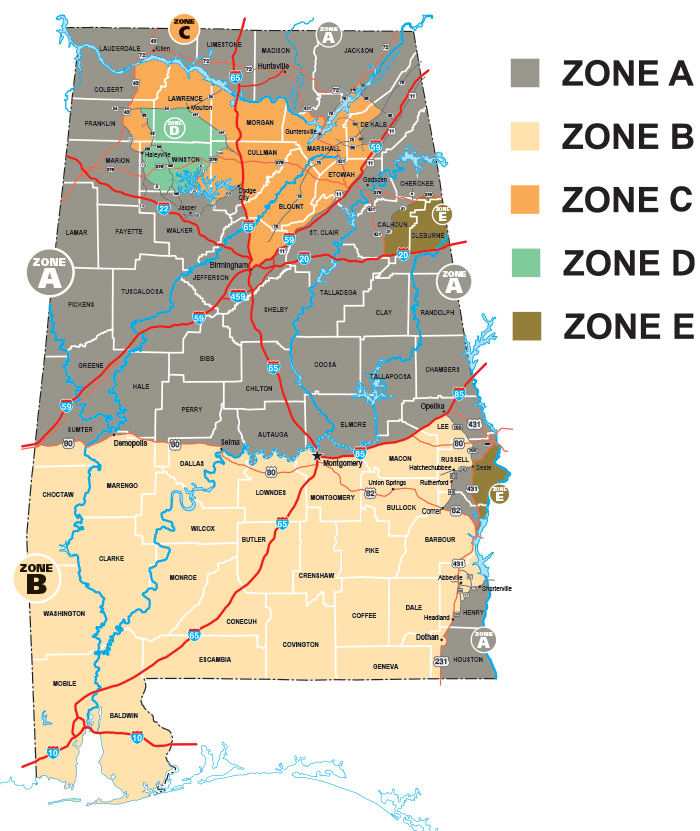
Alabama is divided into several distinct wildlife management zones, each with its own set of regulations and season dates. These zones are established to account for regional differences in deer populations, habitat types, and the timing of the rut. Hunters must be aware of which zone they will be hunting in to comply with the specific regulations for that area.
Zone A and Zone B
Historically, Alabama has utilized a two-zone system (Zone A and Zone B) for deer season regulations. While the specifics of these zones and their associated dates can change from year to year, the general principle remains: different parts of the state have different hunting frameworks. Zone A typically encompasses the western portion of the state, while Zone B covers the eastern and southern regions. Each zone has its own designated opening dates for archery, muzzleloader, and gun seasons.
It is imperative for hunters to consult the most current hunting regulations published by the Alabama Department of Conservation and Natural Resources to confirm which zone they are in and the precise dates for their intended hunting method. This information is vital for avoiding any legal infractions and for ensuring a responsible hunting experience. The classification into zones allows for a more nuanced approach to wildlife management, recognizing that a single set of dates may not be optimal for the entire state.
Wildlife Management Areas (WMAs)
Beyond the general state-wide zones, Alabama boasts numerous Wildlife Management Areas (WMAs). These public lands offer exceptional hunting opportunities, but they often have their own specific regulations, including special season dates, access restrictions, and drawing requirements for certain hunts. Hunters planning to utilize WMAs must familiarize themselves with the individual WMA’s rules, which are typically posted on the ADCNR website and at the WMA entrances.
Some WMAs may offer early or extended archery seasons, special youth hunts, or quotas for specific hunting periods. Understanding these localized regulations is as important as knowing the general state-wide dates. The diversity of WMAs across Alabama, from the mountainous terrain of the Appalachian foothills to the coastal plains, means that hunting experiences and opportunities can vary significantly. Proper planning and research are key to maximizing enjoyment and success on these public hunting grounds.
Key Dates and Considerations for the Upcoming Season
While specific dates for each upcoming deer season are announced annually by the Alabama Department of Conservation and Natural Resources, understanding the typical timing provides a helpful framework. It is always recommended to refer to the official ADCNR hunting regulations publication for the most accurate and up-to-date information.
The Rut and Optimal Hunting Times
The timing of the deer rut, when bucks actively seek out does for breeding, is a critical factor influencing deer behavior and hunter success. In Alabama, the rut typically peaks in different areas at slightly different times, often correlating with the zone designations. Understanding the general timing of the rut within your specific hunting area can significantly enhance the effectiveness of your hunting strategy.
Archery season often begins as bucks start to show increased activity, and does are beginning to come into estrus. Muzzleloader and gun seasons are frequently timed to coincide with the peak of the rut, when bucks are most likely to be actively chasing does, making them more visible and predictable. Hunters who study deer behavior and local rut predictions can tailor their outings to capitalize on these periods of heightened activity. This knowledge goes beyond simply knowing the opening date; it involves an understanding of the biological rhythms of the deer population.
Licensing and Hunter Education
Before stepping into the woods, ensuring all necessary licenses and permits are in order is paramount. Alabama requires hunters to possess a valid hunting license, and depending on the type of game and method of take, additional permits or stamps may be necessary. The ADCNR offers various licensing options, including short-term and annual licenses, catering to residents and non-residents alike.
Furthermore, for new hunters or those seeking to refresh their knowledge, Alabama mandates hunter education courses. These courses cover essential topics such as firearm safety, wildlife identification, ethical hunting practices, and conservation principles. Completing an approved hunter education program is a prerequisite for obtaining a hunting license for individuals born after a certain date. Adherence to these regulations not only ensures legal compliance but also promotes safe and responsible hunting for the benefit of all.
Ethical Hunting and Conservation
The opening of deer season in Alabama is a privilege that comes with the responsibility of ethical hunting and conservation. Hunters are encouraged to practice fair chase, respect property rights, and adhere to all wildlife laws. This includes understanding bag limits, legal shooting hours, and proper tagging procedures.
Conservation is at the heart of modern wildlife management. The revenue generated from hunting licenses and permits directly supports wildlife conservation efforts across the state, including habitat preservation and research. Hunters play a vital role in this ecosystem by participating in regulated hunting, which helps maintain healthy deer populations and prevents overgrazing and habitat degradation. By following the season dates and regulations, hunters contribute to the long-term sustainability of Alabama’s natural resources for generations to come.
LifeOutOfTheBox is a participant in the Amazon Services LLC Associates Program, an affiliate advertising program designed to provide a means for sites to earn advertising fees by advertising and linking to Amazon.com. Amazon, the Amazon logo, AmazonSupply, and the AmazonSupply logo are trademarks of Amazon.com, Inc. or its affiliates. As an Amazon Associate we earn affiliate commissions from qualifying purchases.