
For travelers planning an adventure along Florida’s picturesque Gulf Coast, understanding the logistics of navigating between key destinations is paramount. Two prominent cities, Tampa, Florida, and Fort Myers, Florida, serve as vibrant hubs offering distinct cultural experiences, natural beauty, and urban amenities. While seemingly a world apart in atmosphere, their geographical proximity makes a combined itinerary not only feasible but highly recommended. This guide delves into the specifics of the distance, travel times, route options, and enriching experiences that lie between these two captivating Florida locales.
The Geographical Overview: Bridging Two Gulf Coast Gems
Tampa anchors the northern end of Florida’s Central Gulf Coast, nestled on Tampa Bay, an inlet of the Gulf of Mexico. It’s a bustling metropolitan area, rich in history, commerce, and entertainment. To the south, Fort Myers acts as the gateway to Southwest Florida, famed for its stunning beaches, barrier islands, and a more relaxed, tropical ambiance.
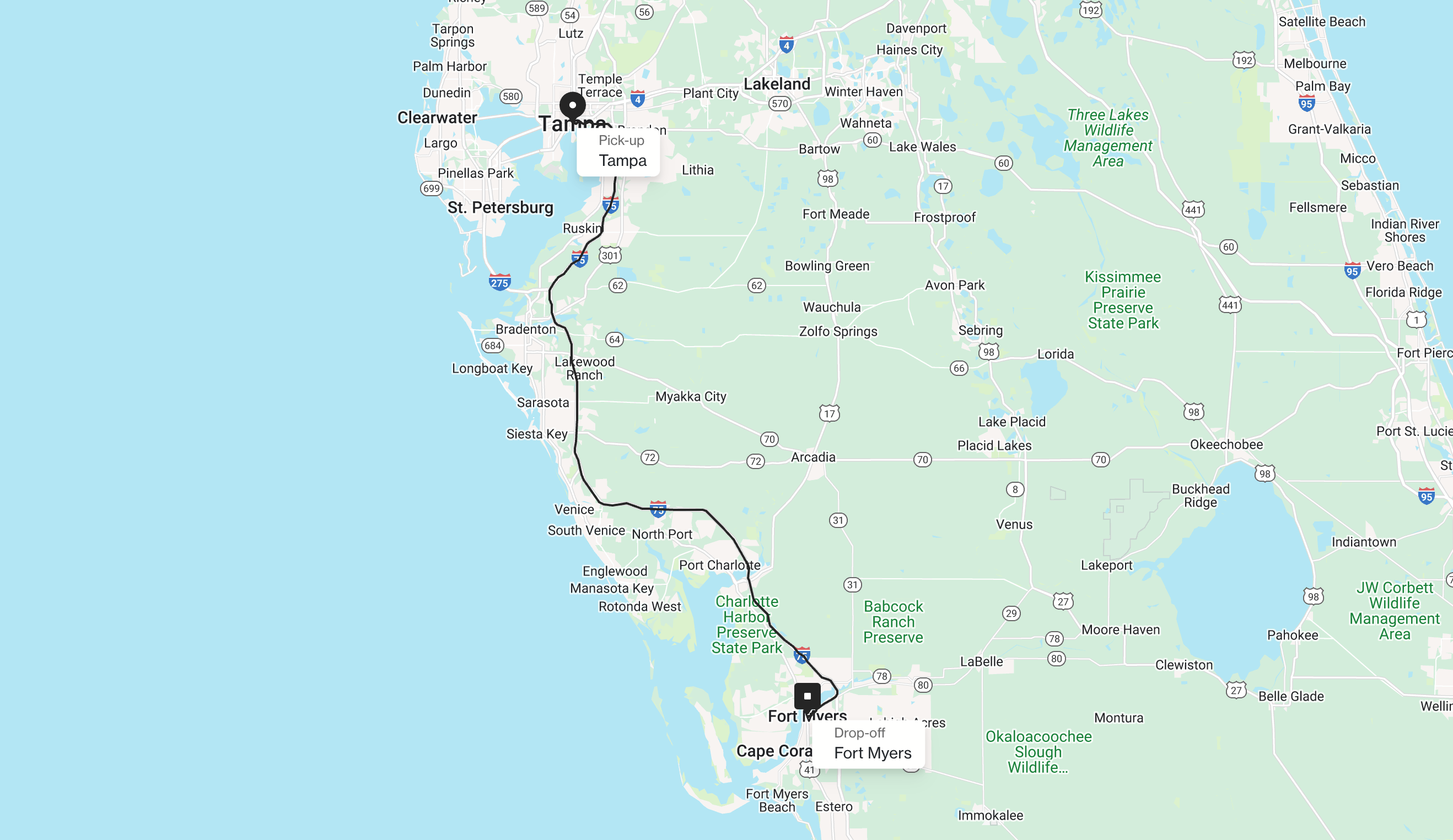
The direct distance between these two cities, following the most common and efficient road routes, is approximately 125 to 135 miles (201 to 217 kilometers). This makes the journey an ideal length for a comfortable day trip or a strategic leg of a broader Florida exploration, allowing ample time for stops and enjoying the scenic drive. The primary travel corridor connecting them is straightforward, predominantly running north-south along the state’s western seaboard.
Calculating the Distance and Travel Time
Understanding the exact distance is one thing, but knowing how long it will take to traverse it is crucial for travel planning. Several factors influence the actual travel time, from the chosen mode of transport to the time of day and prevailing traffic conditions.
By Road: The Most Common Route
The overwhelming majority of travelers opt for driving between Tampa and Fort Myers, and for good reason. The main artery, Interstate 75 (I-75), offers a direct and generally well-maintained highway experience.
- Distance: The distance via I-75 is typically around 130 miles (209 km).
- Estimated Driving Time: Under ideal conditions, meaning light traffic and clear weather, the drive can be completed in approximately 2 hours to 2 hours and 30 minutes.
However, these are optimal estimates. Real-world conditions often add to this.
- Traffic: Florida’s major interstates, particularly around metropolitan areas like Tampa and Sarasota, can experience significant congestion, especially during weekday rush hours (7 AM – 9 AM and 4 PM – 6 PM) and on holiday weekends. During these peak times, travel duration can easily extend to 3 hours or more.
- Road Construction: Ongoing infrastructure projects can introduce temporary lane closures or detours, impacting travel flow.
- Seasonality: Florida’s winter months (November to April) see an influx of “snowbirds” and tourists, which can increase traffic volumes across the state, including on I-75.
- Tolls: The primary route on I-75 between Tampa and Fort Myers is generally toll-free. However, if you venture off onto certain express lanes or other state roads, tolls may apply. It’s always wise to have a SunPass or cash/credit card available for any unexpected detours.
Alternative Routes and Scenic Detours
For those who prefer a slower pace and wish to immerse themselves in the coastal landscape, alternative routes exist:
- US-41 (Tamiami Trail): This historic highway runs roughly parallel to I-75 but closer to the coast. It passes through numerous towns and smaller communities, offering a glimpse into old Florida. While more scenic, it is considerably slower due to lower speed limits, more traffic lights, and local traffic. Expect the journey to take 3.5 to 4.5 hours or more via US-41. It’s an excellent choice if you have ample time and want to explore charming coastal towns like Bradenton and Sarasota without the high-speed highway feel.
Public Transportation and Air Travel
While driving is king, other options, albeit less direct or efficient, exist:
- Bus Services: Companies like Greyhound offer intercity bus services between Tampa and Fort Myers. Travel times typically range from 3 to 4 hours, factoring in stops. This is a budget-friendly option but sacrifices flexibility and speed.
- Air Travel: While both cities have major airports—Tampa International Airport (TPA) and Southwest Florida International Airport (RSW)—direct flights between them are rare and usually impractical due to the short distance. The time spent on airport transfers, check-ins, security, and the flight itself would significantly outweigh the driving time. Air travel might only be considered if connecting from a longer flight and the layover allows for it, or if one needs to quickly reach another destination beyond Tampa or Fort Myers.
Making the Journey Part of the Adventure: What to See En Route
The drive from Tampa to Fort Myers, or vice versa, presents numerous opportunities for fascinating detours and delightful stops, transforming a simple drive into an integral part of your Florida travel experience.
North of Fort Myers: Gateway to the Gulf Coast
As you head north from Fort Myers on I-75, you’ll pass through areas that embody the laid-back charm of Southwest Florida.
- Punta Gorda: A waterfront city known for its historic district, charming boutiques, and the scenic Harborwalk along Charlotte Harbor. It’s a great spot for a coffee break or a quick stroll.
- Port Charlotte: Offering a more suburban feel, Port Charlotte provides access to beautiful waterways and nature preserves, ideal for birdwatching or kayaking.
Mid-Point Marvels: Sarasota and Bradenton
These two cities are often considered sister cities, offering a rich blend of arts, culture, and stunning beaches. They are perfect for a longer stop or even an overnight stay.
- Sarasota: Renowned for its vibrant arts scene and pristine beaches. A visit to The Ringling (the State Art Museum of Florida), which includes an art museum, circus museum, and gardens, is highly recommended. The barrier islands of Siesta Key boast Siesta Key Beach, famous for its quartz sand. Upscale shopping and dining await at St. Armands Circle.
- Bradenton: Home to the Bradenton Riverwalk, a popular spot for recreation and cultural events along the Manatee River. Nearby Anna Maria Island offers a classic old Florida beach town vibe with white sand beaches and charming shops.
Approaches to Tampa: Urban Charm and Natural Beauty
As you draw closer to the Tampa Bay area, the landscape becomes more urban, but still with plenty of natural beauty. Depending on your final destination within the Tampa Bay region, you might consider slight detours.
- St. Petersburg: Just across the bay from Tampa, St. Petersburg is a city celebrated for its arts and culture, including the world-renowned Dali Museum. Its waterfront parks and award-winning St. Pete Beach are major draws.
- Clearwater: Further north from St. Petersburg, Clearwater is famous for its namesake, Clearwater Beach, consistently ranked among the best beaches in the U.S. It’s home to the Clearwater Marine Aquarium, dedicated to marine rescue and rehabilitation.
Why Make the Trip? Exploring Both Destinations
Connecting Tampa and Fort Myers in a single trip offers a comprehensive taste of Florida’s diverse appeal, from vibrant city life to tranquil island escapes.
Discovering Tampa and Its Bay Area
Tampa offers a dynamic urban experience with a rich historical tapestry.
- Attractions: Thrill-seekers flock to Busch Gardens, an African-themed amusement park with thrilling roller coasters and animal encounters. History buffs and nightlife enthusiasts will enjoy Ybor City, a National Historic Landmark District known for its Cuban cigars, vibrant nightlife, and historic architecture. The Tampa Riverwalk provides a scenic path connecting many downtown attractions, including the Florida Aquarium and Sparkman Wharf.
- Culture and Cuisine: Tampa’s culinary scene is diverse, reflecting its multicultural heritage. From fresh seafood to authentic Cuban sandwiches, there’s something for every palate. The city is also a major sports hub, home to the Tampa Bay Buccaneers (NFL), Tampa Bay Lightning (NHL), and Tampa Bay Rays (MLB).
Unveiling the Charms of Fort Myers and Southwest Florida
Fort Myers and its surrounding areas embody the quintessential Southwest Florida experience, focusing on natural beauty and outdoor activities.
- Beaches and Islands: Fort Myers Beach offers soft sands and calm waters, perfect for families. A short drive or ferry ride takes you to the renowned barrier islands of Sanibel Island and Captiva Island. Sanibel is world-famous for its shelling, while Captiva offers a secluded, upscale retreat.
- History and Nature: Delve into history at the Edison and Ford Winter Estates, where the homes and laboratories of inventors Thomas Edison and Henry Ford are preserved. Nature lovers will appreciate the Six Mile Cypress Slough Preserve, a wetland ecosystem teeming with wildlife. Fort Myers also serves as a convenient base for exploring parts of the Everglades National Park.

Practical Tips for a Smooth Journey
To ensure your trip between Tampa and Fort Myers is as enjoyable as possible, consider these practical tips:
- Timing is Everything: To avoid heavy traffic, try to travel mid-day on weekdays (between 10 AM and 3 PM) or early mornings on weekends. Avoid major holiday travel periods if possible.
- Utilize Navigation Apps: GPS applications like Google Maps or Waze are invaluable. They provide real-time traffic updates, estimated travel times, and can suggest alternative routes if unexpected delays occur.
- Vehicle Check: Before embarking on any road trip, ensure your vehicle is in good condition. Check tire pressure, fluid levels, and fuel.
- Pack Essentials: Bring snacks, water, and entertainment (audiobooks, podcasts, music) to make the journey more comfortable. Especially important if traveling with children.
- Break Up the Drive: Even though it’s a relatively short drive, consider stopping for a meal, a walk, or a scenic view in one of the charming towns along the way, such as Sarasota or Punta Gorda. This breaks the monotony and adds to the overall travel experience.
Whether you’re heading north or south, the journey between Tampa, Florida, and Fort Myers, Florida, is an accessible and enriching segment of any Florida travel itinerary. By understanding the distance and travel nuances, you can seamlessly connect two of the state’s most beloved Gulf Coast destinations.
LifeOutOfTheBox is a participant in the Amazon Services LLC Associates Program, an affiliate advertising program designed to provide a means for sites to earn advertising fees by advertising and linking to Amazon.com. Amazon, the Amazon logo, AmazonSupply, and the AmazonSupply logo are trademarks of Amazon.com, Inc. or its affiliates. As an Amazon Associate we earn affiliate commissions from qualifying purchases.