
The County of San Francisco is a unique and vibrant entity, unlike any other in the United States. It is a consolidated city and county, meaning that the municipal government of the City of San Francisco also serves as the county government. This singular administrative structure lends a distinct character to the region, blending the bustling energy of a major metropolitan area with the localized governance of a county. Understanding this structure is key to appreciating the multifaceted nature of this iconic American locale, from its world-renowned landmarks to its rich cultural tapestry and diverse neighborhoods.
A Unique Governmental Structure
The consolidation of city and county government in San Francisco dates back to 1856. Prior to this, the city and county were separate entities, leading to inefficiencies and overlapping responsibilities. The consolidation aimed to streamline governance, improve public services, and create a more cohesive administrative unit. This model, while not entirely unique in American history, is rare today and contributes significantly to San Francisco’s identity.
The Mayor and the Board of Supervisors
The executive branch of the consolidated government is headed by the Mayor of San Francisco, who is elected at large. The legislative branch is the Board of Supervisors, a nine-member body also elected at large. Each supervisor represents a specific district within the city, ensuring that diverse community voices are heard in the legislative process. This system fosters a direct connection between residents and their government, influencing everything from urban planning and public transportation to park maintenance and cultural programming. The administrative functions of the county, such as property assessment, tax collection, and certain judicial services, are managed by various city departments under this unified structure.
Implications for Governance and Services
The consolidated model allows for a more integrated approach to service delivery. For instance, city departments are responsible for county-level functions, which can lead to greater efficiency and responsiveness. However, it also means that the city faces unique challenges in balancing the needs of a densely populated urban center with the broader responsibilities of a county. Budgetary decisions, for example, must consider both municipal and county-wide expenditures, impacting the funding allocated to diverse public services. This administrative synergy is a defining characteristic of San Francisco, shaping its unique urban experience.
Geographic and Demographic Tapestry
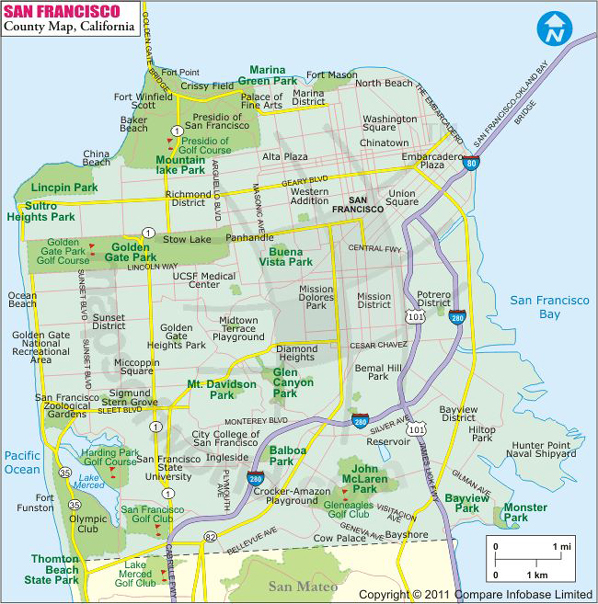
The County of San Francisco encompasses the entire San Francisco Peninsula, bordered by the Pacific Ocean to the west and south, and by San Mateo County to the south. To the north and east, it is separated from Marin County and Alameda County, respectively, by the waters of the San Francisco Bay. This strategic location has played a pivotal role in its history and development, making it a gateway to the Pacific and a hub of commerce and culture.
Distinct Neighborhoods, Unified Identity
Despite its relatively small land area, the county is home to an astonishing array of distinct neighborhoods, each with its own unique character, history, and demographic makeup. From the vibrant, historically LGBTQ+ community of the Castro District to the bustling streets of Chinatown, the artistic enclaves of the Mission District, and the affluent residential areas of Pacific Heights, these diverse enclaves contribute to the city’s rich cultural mosaic. This internal diversity, managed under a single governmental umbrella, fosters a dynamic urban environment that is constantly evolving.
A Global Hub of Diversity
The demographic profile of San Francisco County is remarkably diverse, reflecting its historical role as a destination for immigrants and people seeking new opportunities. The city is a major center for Asian American and Pacific Islander populations, with significant communities from China, the Philippines, and other parts of Asia. It also boasts a substantial Latino population, particularly in the Mission District, and a thriving African American community. This multiculturalism is not merely a statistic; it is woven into the very fabric of the city, evident in its culinary scene, its festivals, and its everyday life. The county’s forward-thinking policies and social services often aim to support and celebrate this diversity.

Iconic Landmarks and Cultural Significance
The County of San Francisco is synonymous with iconic landmarks and a profound cultural influence that resonates globally. Its dramatic topography, characterized by rolling hills and stunning bay views, provides a breathtaking backdrop for many of its most famous sites.
Architectural Marvels and Natural Wonders
Dominating the skyline is the majestic Golden Gate Bridge, an internationally recognized symbol of California and American ingenuity. The bridge spans the Golden Gate Strait, connecting San Francisco to Marin County. Another significant landmark is the Alcatraz Island, a former federal prison that now serves as a popular tourist destination and a historical site offering insights into a darker chapter of American penal history. The city’s unique Victorian architecture, particularly evident in neighborhoods like Alamo Square with its famous “Painted Ladies,” adds to its distinctive visual appeal. Natural beauty is also abundant, with Golden Gate Park, one of the largest urban parks in the world, offering expansive green spaces, botanical gardens, and museums.
A Hub of Arts, Innovation, and Cuisine
Beyond its physical landmarks, San Francisco County is a global epicenter for arts, culture, and innovation. The city is home to numerous world-class museums, including the de Young Museum and the California Academy of Sciences within Golden Gate Park. Its vibrant performing arts scene includes the San Francisco Symphony and the San Francisco Opera. The county has also been a crucible of technological advancement, being the birthplace of many influential tech companies and a vital part of Silicon Valley’s broader ecosystem. Furthermore, San Francisco’s culinary landscape is legendary, celebrated for its diversity and innovation, from Michelin-starred restaurants to iconic food markets like the Ferry Building Marketplace.
Navigating San Francisco County: Tips for Visitors and Residents
The unique governance and rich cultural fabric of San Francisco County offer a compelling experience for both visitors and residents. Understanding the local nuances can enhance any journey or daily life within this dynamic region.
Transportation and Getting Around
Given its urban density and hilly terrain, navigating San Francisco requires a strategic approach. The Muni system, comprising buses, streetcars, and the iconic cable cars, is the primary public transportation network within the county. The BART (Bay Area Rapid Transit) system connects San Francisco to other parts of the Bay Area, including Oakland and San Jose. For shorter distances, ride-sharing services are readily available. Walking is also a highly rewarding way to explore many neighborhoods, offering intimate glimpses into local life, though it’s important to be prepared for the steep inclines. Cycling is increasingly popular, with dedicated bike lanes being implemented throughout the city.
Experiencing Local Culture and Cuisine
To truly appreciate the County of San Francisco, one must delve into its diverse cultural offerings and renowned culinary scene. Exploring neighborhoods like the Mission District for its vibrant Latino culture and street art, or North Beach for its historical Beat Generation associations and Italian heritage, provides authentic experiences. Food enthusiasts can embark on a global culinary journey, sampling everything from authentic dim sum in Chinatown to fresh seafood at Fisherman’s Wharf, or exploring the innovative farm-to-table movement that has its roots in Northern California. Engaging with local festivals, farmers’ markets, and community events offers a deeper connection to the spirit of San Francisco.

Embracing the San Francisco Lifestyle
The “San Francisco lifestyle” is often characterized by its progressive values, appreciation for the arts, and a strong sense of community. It’s a place where innovation meets tradition, and where diverse perspectives are not only tolerated but celebrated. Visitors are encouraged to embrace the city’s casual yet sophisticated atmosphere, engage with its residents, and take advantage of the abundant opportunities for outdoor recreation, from exploring the rugged coastline at Lands End to enjoying a picnic in Dolores Park. The County of San Francisco is more than just a place; it’s an experience, a dynamic and ever-evolving testament to American urbanism and cultural diversity.
LifeOutOfTheBox is a participant in the Amazon Services LLC Associates Program, an affiliate advertising program designed to provide a means for sites to earn advertising fees by advertising and linking to Amazon.com. Amazon, the Amazon logo, AmazonSupply, and the AmazonSupply logo are trademarks of Amazon.com, Inc. or its affiliates. As an Amazon Associate we earn affiliate commissions from qualifying purchases.