
For anyone considering a long-term stay, property ownership, or investment in rental accommodation across Florida, understanding the lifespan of a shingle roof is paramount. The Sunshine State’s unique climate and environmental challenges profoundly impact the durability and longevity of building materials, especially those as critical as the roof. This knowledge is not just for homeowners; it’s vital for prospective long-term renters to gauge potential living costs, for investors to assess property value and future expenses, and for anyone seeking stable accommodation in this popular region. The condition of a roof directly correlates with comfort, safety, and the financial prudence of any long-term housing decision in Florida.
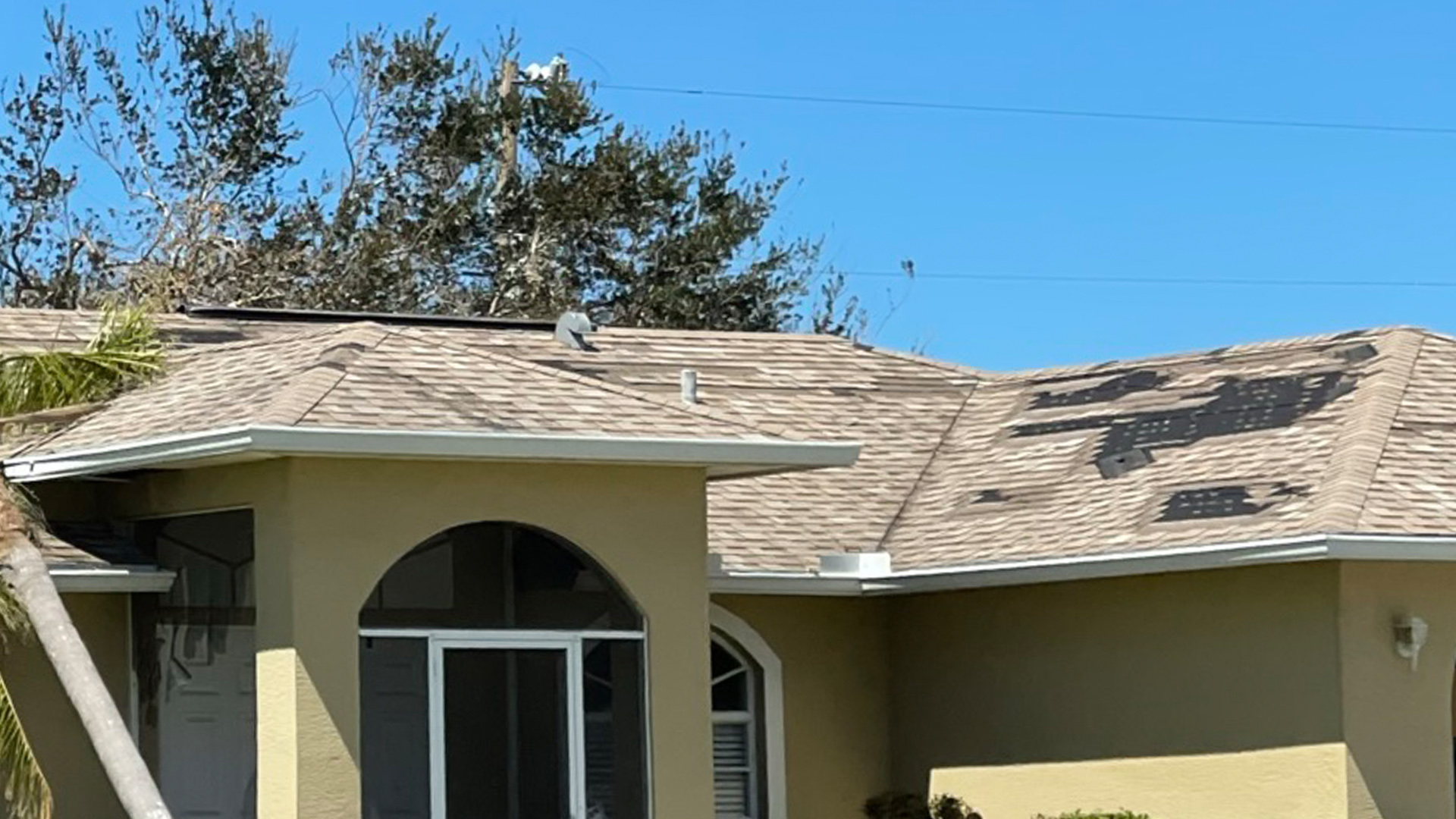
The Sunshine State’s Environmental Impact on Roof Longevity
Florida’s climate is distinct, characterized by intense heat, abundant humidity, and frequent severe weather events, all of which conspire against the typical lifespan of a shingle roof. While shingle manufacturers often rate their products for 20, 25, or even 30 years under ideal conditions, Florida’s reality can often cut these estimates significantly short.
Intense UV Radiation and Heat
The sheer intensity of the sun in Florida is a primary factor. Ultraviolet (UV) radiation breaks down the asphalt in asphalt shingles, causing them to dry out, become brittle, and lose their protective granules. These granules, often ceramic, are crucial for reflecting sunlight and protecting the asphalt layer beneath. Once they start to detach, the shingle rapidly degrades. Sustained high temperatures also accelerate the aging process, leading to thermal expansion and contraction cycles that stress the shingles and their adhesive bonds, causing cracking and curling. This is particularly relevant for long-term residents, as these effects accumulate over years, leading to unexpected repair costs or premature roof replacement which impacts overall accommodation expenses.
Humidity and Fungal Growth
Florida’s high humidity creates an ideal breeding ground for mold, algae, and moss. Black streaks often visible on roofs are typically gloeocapsa magma, a type of blue-green algae that feeds on the limestone filler in asphalt shingles. While primarily an aesthetic issue initially, prolonged algal growth can hold moisture against the roof surface, further accelerating degradation and potentially compromising the shingle’s integrity. For property managers of vacation rentals or long-term apartments in destinations like Orlando or Miami, maintaining a clean roof is part of preserving the property’s curb appeal and perceived value to tenants.
Severe Weather Events
Perhaps the most dramatic impact comes from Florida’s hurricane season. High winds can lift, tear, or entirely strip shingles from a roof. Hailstorms, though less frequent than in other parts of the country, can cause significant impact damage, bruising shingles and dislodging granules. Even heavy, sustained rainfall can exacerbate existing issues, leading to water intrusion if shingles are compromised. Living in Florida long-term necessitates an understanding of these risks, as an older roof, even if seemingly intact, may be more vulnerable to damage from these events, leading to sudden, significant accommodation disruptions and costs. Property insurance premiums are also directly tied to the age and condition of a roof, another crucial financial consideration for long-term residents and property owners.
Types of Shingles and Their Performance in Florida
Not all shingle roofs are created equal, especially when contending with Florida’s challenging environment. The type of shingle chosen significantly influences its longevity and performance.
Three-Tab Shingles
Traditionally, three-tab shingles were common. These are typically rated for 20-25 years. However, in Florida, their actual lifespan often hovers around 10-15 years, sometimes even less. Their flatter, lighter design makes them more susceptible to wind uplift and heat damage. For budget-conscious long-term accommodation choices, properties with three-tab shingles might offer lower initial costs but could incur higher long-term maintenance or replacement expenses, a critical consideration for those planning an extended stay.
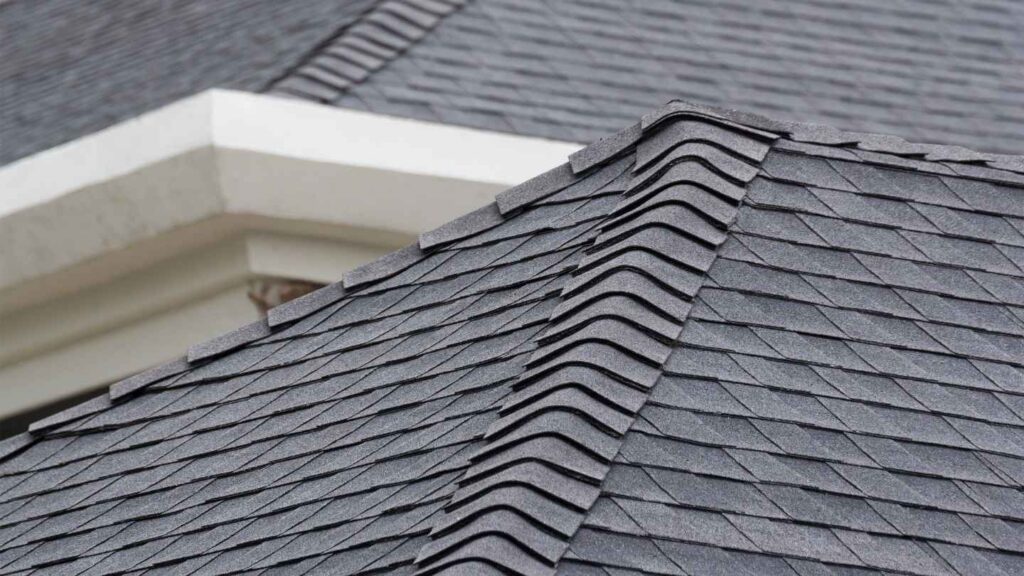
Architectural (Laminate) Shingles
Architectural shingles, also known as laminate or dimensional shingles, are a more robust option. They are thicker, heavier, and offer a multi-dimensional appearance. Rated for 30-50 years, their lifespan in Florida typically falls into the 20-30 year range, sometimes extending to 35 with excellent maintenance and optimal conditions. Their increased weight and stronger adhesive strips provide better wind resistance, a significant advantage in coastal areas like Tampa or Jacksonville. Many architectural shingles also come with copper granules embedded to resist algae growth, directly addressing Florida’s humidity challenges. For long-term residents and property investors, properties with architectural shingles generally offer more peace of mind and predictable long-term costs.
Specialty and Impact-Resistant Shingles
For the ultimate in durability for long-term Florida accommodation, specialty shingles designed for impact and wind resistance are gaining popularity. These often meet stringent impact ratings (e.g., UL 2218 Class 4) and are built with enhanced adhesive and reinforcing mats. While more expensive upfront, they can offer extended lifespans (30+ years even in Florida) and may even qualify for insurance discounts, making them a wise long-term investment for property owners and potentially leading to more stable rental rates for long-term tenants.
Factors Influencing Actual Shingle Roof Lifespan in Florida
Beyond the inherent quality of the shingles and Florida’s climate, several other variables play a crucial role in determining how long a shingle roof will genuinely last for long-term residents or property investors.
Installation Quality
The most robust shingles are only as good as their installation. Proper attic ventilation, correct shingle alignment, appropriate nailing patterns, and adequate underlayment are all critical. A poorly installed roof, even with premium materials, will fail prematurely. For those assessing long-term accommodation, a professional roof inspection can reveal potential installation flaws that might lead to early roof failure and unforeseen costs. This due diligence is crucial for anyone considering property purchase or a long-term lease where roof maintenance is a tenant responsibility.
Attic Ventilation
Effective attic ventilation is vital in mitigating the damaging effects of Florida’s intense heat. Poor ventilation traps hot air in the attic, superheating the underside of the roof deck and shingles. This accelerates the degradation of the asphalt, causing shingles to curl, crack, and become brittle from the inside out. Adequate intake and exhaust vents help maintain a cooler attic temperature, extending the life of the roof and contributing to lower energy bills, a significant benefit for long-term accommodation.
Maintenance Practices
Regular maintenance can significantly extend a shingle roof’s life in Florida. This includes:
- Cleaning: Periodically removing debris (leaves, branches) prevents moisture retention and granule loss.
- Algae Treatment: Applying zinc strips or specific chemical treatments (e.g., oxygen bleach solutions) can deter algal growth and maintain the roof’s aesthetic and functional integrity.
- Inspections: Annual inspections to identify and address minor issues like loose or cracked shingles, damaged flashing, or sealant failures before they escalate into major problems.
- Gutter Cleaning: Keeping gutters clear ensures proper drainage, preventing water from backing up and seeping under shingles.
Following these practices is a direct way for homeowners and long-term rental property managers in cities like Sarasota or Naples to safeguard their accommodation investment and provide a reliable living environment.

Financial Implications for Long-Term Accommodation
The lifespan of a shingle roof in Florida has direct and substantial financial implications for long-term accommodation. For property owners, a prematurely failing roof means unexpected capital expenditure, which impacts return on investment for rental properties or significantly raises living costs for owner-occupied homes. Insurance premiums can also rise significantly if a roof is nearing the end of its typical lifespan or has suffered multiple claims.
For long-term tenants, especially in single-family rentals or lease-to-own scenarios, the roof’s condition can influence rent stability, utility costs (due to poor insulation or leaks), and the overall habitability of the property. A well-maintained, newer roof provides better protection, contributes to lower energy consumption, and offers peace of mind, all critical aspects of choosing a suitable long-term residence in Florida. Understanding these factors allows individuals to make more informed decisions about property selection, budgeting for potential repairs, and negotiating lease terms. It underlines that a roof is more than just a covering; it’s a foundational element of stable and comfortable long-term living in the challenging yet beautiful Florida environment.
LifeOutOfTheBox is a participant in the Amazon Services LLC Associates Program, an affiliate advertising program designed to provide a means for sites to earn advertising fees by advertising and linking to Amazon.com. Amazon, the Amazon logo, AmazonSupply, and the AmazonSupply logo are trademarks of Amazon.com, Inc. or its affiliates. As an Amazon Associate we earn affiliate commissions from qualifying purchases.