
The allure of California‘s diverse landscapes, from the sun-drenched beaches of San Diego to the majestic peaks of Yosemite National Park, makes it a dream destination for many. Road trips along the Pacific Coast Highway and explorations of vibrant cities like Los Angeles and San Francisco are quintessential California experiences. However, a significant factor that often shapes or even dictates these travel plans for individuals and families is the consistently higher price of gasoline in the Golden State. Understanding why fuel costs are elevated in California is crucial for anyone planning to embrace its unique travel lifestyle, offering insights into budgeting, trip planning, and adapting one’s approach to exploration.

The Golden State’s Unique Fuel Landscape
California’s gas prices are not just incrementally higher; they frequently lead national averages by a substantial margin. This phenomenon is a result of a confluence of specific regulatory, economic, and geographic factors that create a unique pricing environment distinct from the rest of the United States. For travelers, these underlying reasons directly translate into how far their travel budget stretches and how they experience the state.
Environmental Regulations and Specialty Blends
One of the primary drivers of high gas prices in California is the state’s stringent environmental regulations. To combat smog and air pollution, California mandates a unique blend of gasoline, often referred to as “CARB gasoline” (California Air Resources Board). This specialized formulation is designed to burn cleaner and produce fewer emissions than conventional gasoline used in other states. The refining process for this blend is more complex and costly, requiring specific additives and a narrower range of crude oil types. Not all refineries are equipped to produce this specific fuel, limiting the supply and increasing the production cost, which is then passed on to consumers at the pump. For a family planning a summer road trip from Sacramento to Disneyland, this means a higher baseline cost for every gallon purchased, making efficient travel planning paramount.
Taxes and Fees
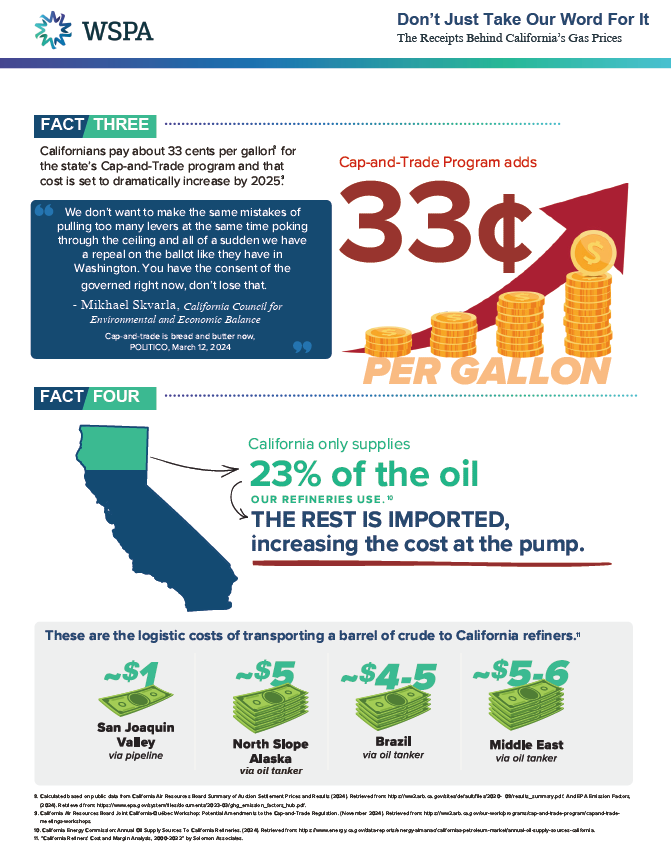
Beyond the cost of production, California imposes some of the highest state and local gasoline taxes in the nation. These taxes are allocated to fund critical infrastructure projects, including road maintenance, public transportation, and other statewide initiatives. While beneficial for the state’s infrastructure, these taxes add significantly to the per-gallon price. Additionally, various fees, such as cap-and-trade fees aimed at reducing greenhouse gas emissions and underground storage tank fees, further contribute to the final price at the pump. These surcharges are an inescapable part of the California gas price structure, directly impacting the overall budget for any travel endeavor, from a weekend getaway to Lake Tahoe to an extended cross-state adventure.
Market Dynamics and Refinery Capacity
California’s geographically isolated market for fuel, coupled with its limited number of refineries capable of producing the specialized blend, creates a precarious supply chain. Any disruption—be it a refinery maintenance shutdown, an unexpected outage, or a pipeline issue—can significantly impact supply and, consequently, drive prices upward. The state has limited options for importing large quantities of compliant fuel from other states or countries, making it vulnerable to supply shocks. This market dynamic means that even small fluctuations in supply can have outsized impacts on prices, directly affecting the flexibility and spontaneity of travel plans for residents and visitors alike.
Impact on the California Traveler’s Lifestyle
For those embracing the California travel lifestyle, the persistent high cost of gasoline fundamentally reshapes decisions, from the initial planning stages to the daily execution of an itinerary. It transforms how one envisions and experiences the state’s vast offerings, particularly for budget-conscious travelers and families.
Budgeting for Road Trips
High gas prices necessitate a more rigorous approach to budgeting for road trips. What might be a minor consideration in other states becomes a significant line item in California. Travelers often have to allocate a larger portion of their overall trip budget to fuel, potentially reducing funds available for accommodations, dining, attractions, or souvenirs. This is particularly challenging for families, where multiple stops and longer distances between major attractions like Universal Studios Hollywood and San Diego Zoo can quickly accumulate substantial fuel costs. The “spontaneous detour” becomes a carefully weighed financial decision rather than an impulsive adventure.
Choosing Destinations and Routes
The elevated cost of fuel directly influences the choice of destinations and the routes taken. Travelers might gravitate towards destinations closer to their starting point to minimize driving distances. Instead of a grand tour encompassing Northern California and Southern California, a more focused trip within a specific region becomes more appealing. For instance, a trip centered around San Francisco might rely more on public transport and walkable attractions like the Golden Gate Bridge rather than extensive driving excursions. Similarly, routes that avoid heavy traffic, even if slightly longer, might be chosen to maximize fuel efficiency and minimize time spent idling, directly impacting the perceived ease and enjoyment of the journey.
The Rise of Staycations and Local Exploration

With the increasing cost of covering long distances, many Californians and visitors opt for “staycations” or prioritize exploring local attractions. Instead of a multi-day road trip to Death Valley National Park, a weekend spent discovering hidden gems in one’s own city or a nearby region becomes a more economically viable and environmentally conscious alternative. This shift fosters a deeper appreciation for local culture, food scenes, and smaller, often overlooked attractions, changing the dynamic of how leisure time is spent and how the state’s offerings are consumed.
Adapting Your Travel Lifestyle in California
While high gas prices are a persistent reality, they don’t have to entirely derail one’s California travel aspirations. Adapting one’s travel lifestyle through smart planning and mindful choices can significantly mitigate the impact, allowing for continued enjoyment of the state’s beauty and vibrancy.
Smart Driving Habits and Vehicle Maintenance
Adopting fuel-efficient driving habits is one of the most immediate ways to combat high gas prices. This includes maintaining a steady speed, avoiding rapid acceleration and hard braking, and using cruise control on highways. Regular vehicle maintenance, such as ensuring tires are properly inflated, using the recommended oil type, and keeping the engine tuned, can also improve fuel economy. For travelers exploring the expansive national parks or driving between major cities, these small adjustments can translate into substantial savings over the course of a trip, preserving more of the budget for experiences rather than expenses.
Embracing Public Transportation and Ride-Sharing
California’s major urban centers offer robust public transportation networks that can be excellent alternatives to driving. In cities like San Francisco and Los Angeles, travelers can utilize BART, Muni, Metro trains, and buses to navigate effectively and affordably. Ride-sharing services also offer a convenient way to cover shorter distances without the need for personal vehicle ownership or the constant worry of parking fees and gas refills. For a family visiting Santa Monica Pier, leveraging these alternatives can greatly reduce the financial burden of transportation within densely populated areas.
Planning Fuel-Efficient Itineraries
Strategic itinerary planning can make a significant difference. Grouping attractions that are geographically close together minimizes unnecessary driving. Travelers can opt for routes that are known to be more scenic but also less prone to traffic congestion, saving both time and fuel. Utilizing mapping apps that offer fuel cost estimates or show gas station prices can help in making informed decisions about where and when to refuel. For instance, planning a loop trip instead of an out-and-back route can sometimes be more fuel-efficient, especially when exploring regions like the Napa Valley or the Central Coast.
Long-Term Shifts in California Travel Habits
The sustained trend of high gas prices in California is not merely a temporary inconvenience but a catalyst for long-term shifts in travel behavior and preferences. These changes are reshaping the infrastructure and services supporting the state’s vibrant tourism and leisure industries.
Growth of Electric Vehicles and Charging Infrastructure
The economic pressure of high gas prices significantly accelerates the adoption of electric vehicles (EVs). California is at the forefront of this transition, with extensive incentives and a rapidly expanding charging infrastructure. For travelers, this means an increasing number of options for emission-free and often cheaper-to-fuel transportation. Hotels are increasingly installing charging stations as a crucial amenity, and public charging networks are growing across popular travel corridors and national parks. This shift promises a future where a significant portion of California road trips could be powered by electricity, fundamentally altering the “fuel” budget.
Shifting Preferences for Eco-Conscious Travel
High gas prices inherently encourage more eco-conscious travel choices. Travelers are becoming more attuned to their carbon footprint and the environmental impact of their journeys. This leads to increased interest in carpooling, choosing destinations accessible by train or bus, and supporting businesses that prioritize sustainability. The lifestyle choice of reducing one’s environmental impact aligns well with the financial incentive of saving on fuel, creating a synergistic movement towards more responsible and sustainable exploration of the state.
Increased Demand for All-Inclusive and Walkable Experiences
As driving becomes more expensive, there’s a growing demand for travel experiences that minimize the need for a personal vehicle. This includes resorts and hotels that offer a wide range of on-site amenities and activities, creating a self-contained vacation experience. Similarly, destinations known for their walkability, like downtown Santa Barbara or the historic districts of San Francisco, become even more attractive. This trend underscores a shift towards experiences where the journey itself is less about the open road and more about the immersive, localized exploration on foot or via readily available local transport.
Navigating the unique economic landscape of California’s fuel prices requires awareness and adaptability. By understanding the underlying reasons for high costs and employing strategic planning, travelers can continue to enjoy the unparalleled beauty and diverse experiences that the Golden State has to offer, shaping a more sustainable and budget-friendly travel lifestyle.
LifeOutOfTheBox is a participant in the Amazon Services LLC Associates Program, an affiliate advertising program designed to provide a means for sites to earn advertising fees by advertising and linking to Amazon.com. Amazon, the Amazon logo, AmazonSupply, and the AmazonSupply logo are trademarks of Amazon.com, Inc. or its affiliates. As an Amazon Associate we earn affiliate commissions from qualifying purchases.